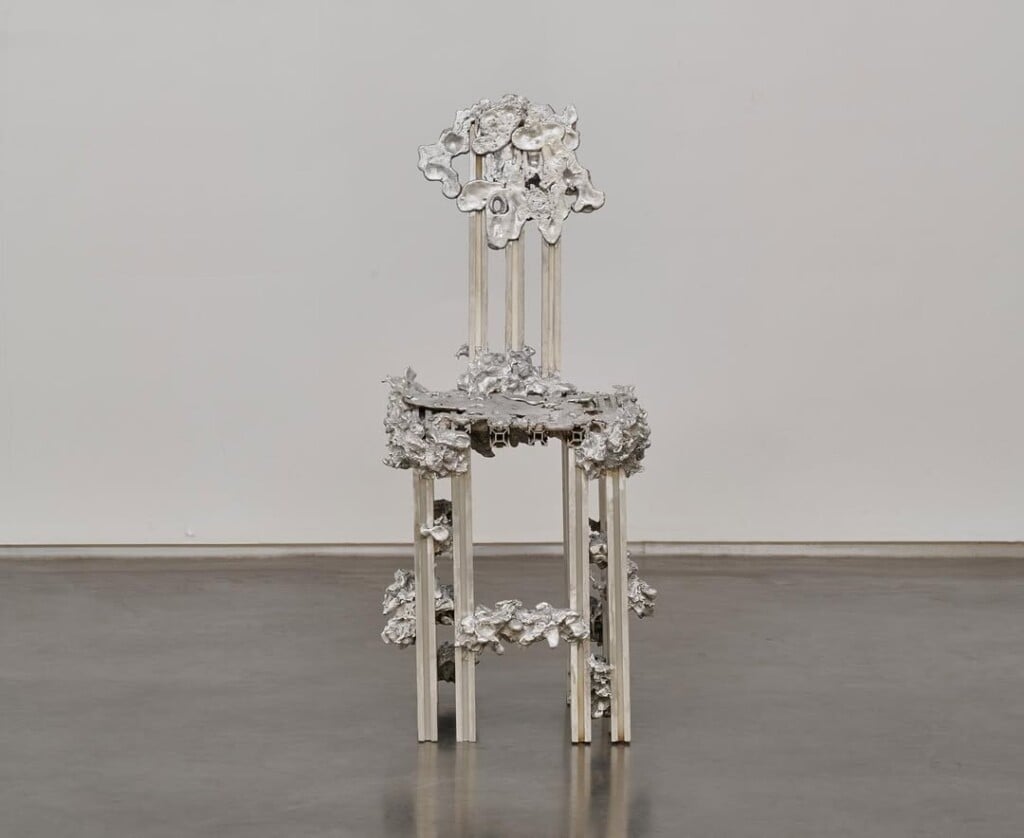
Designer Sheyang Li operates in a border zone where object design meets sculpture, and he always starts from a question about process. More than on the final result, his work seems focused on what happens beforehand: research, experimentation, and the fine-tuning of personal production methods that leave room for error, the unexpected, and surprise.
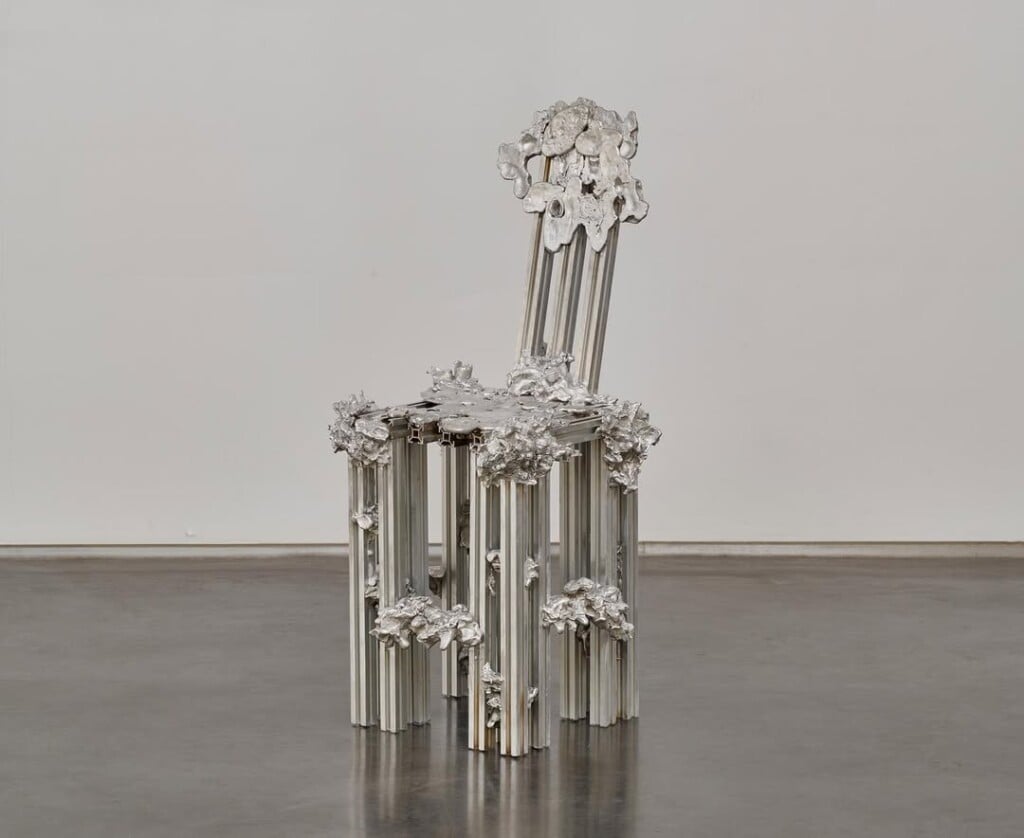
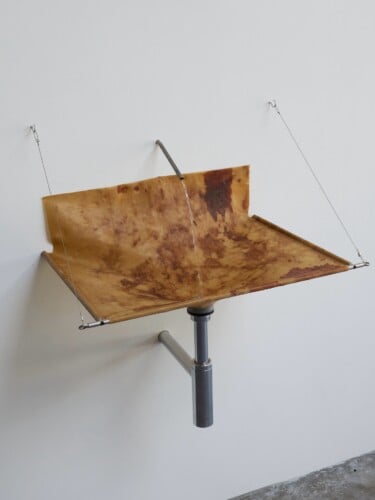
In his approach, as is often the case, the material is never just a medium to be fully controlled, but an active interlocutor. Sheyang guides it just enough, setting a clear direction without forcing it, allowing its nature to emerge through forms, surfaces, and tensions that are not completely predictable. It’s precisely in this fragile balance between intention and chance that the project comes to life.


The objects that result carry the traces of their making: they don’t aim for industrial perfection, but for a kind of material authenticity, where every variation becomes an integral part of the visual language. The form is never fully sealed off; instead, it feels like the outcome of an ongoing dialogue between human gesture and the material’s spontaneous behavior.


In this sense, Sheyang Li’s work fits into a broader investigation into the value of imperfection and the idea of control in contemporary design. The object is not only function or sculpture, but a record of an open process—one in which the unexpected isn’t a problem to eliminate, but a possibility to embrace.


Read also: The Living Design of Vincent Decat