Hollywood glamour or the star system more generally creates icons all the time, some passing and others whose faces are enough to tell a story that has entered the common imagination of many.
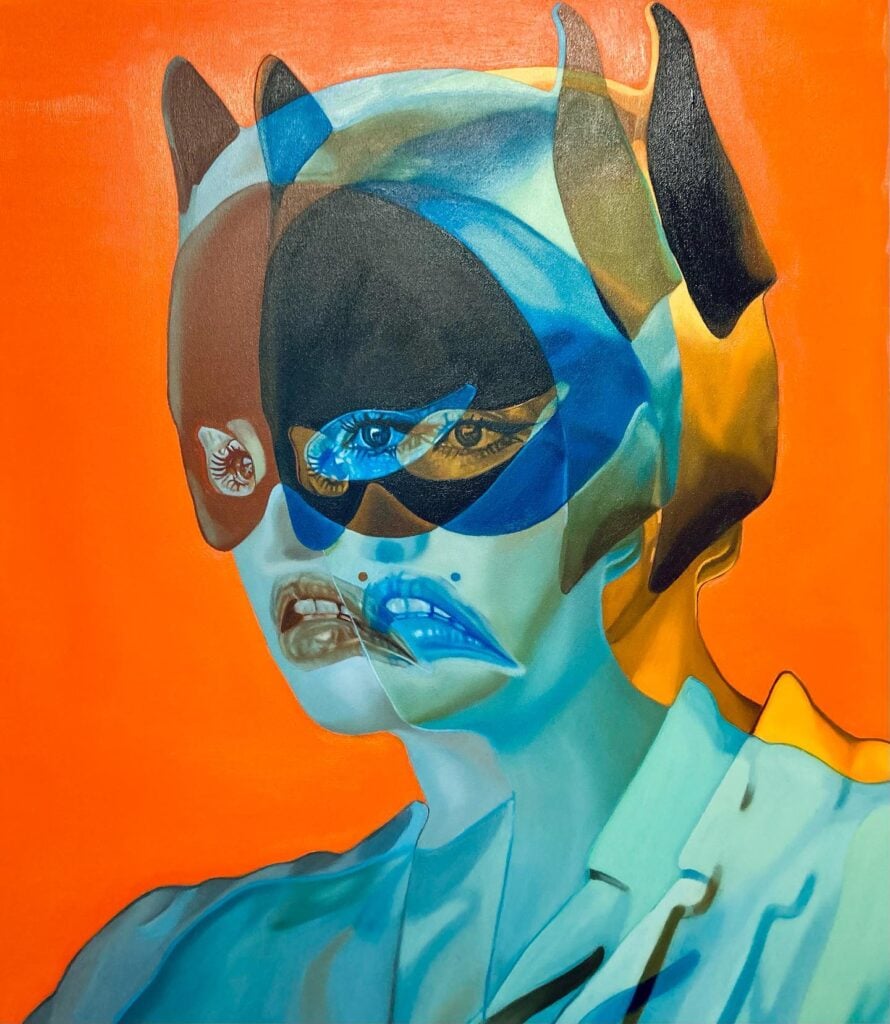
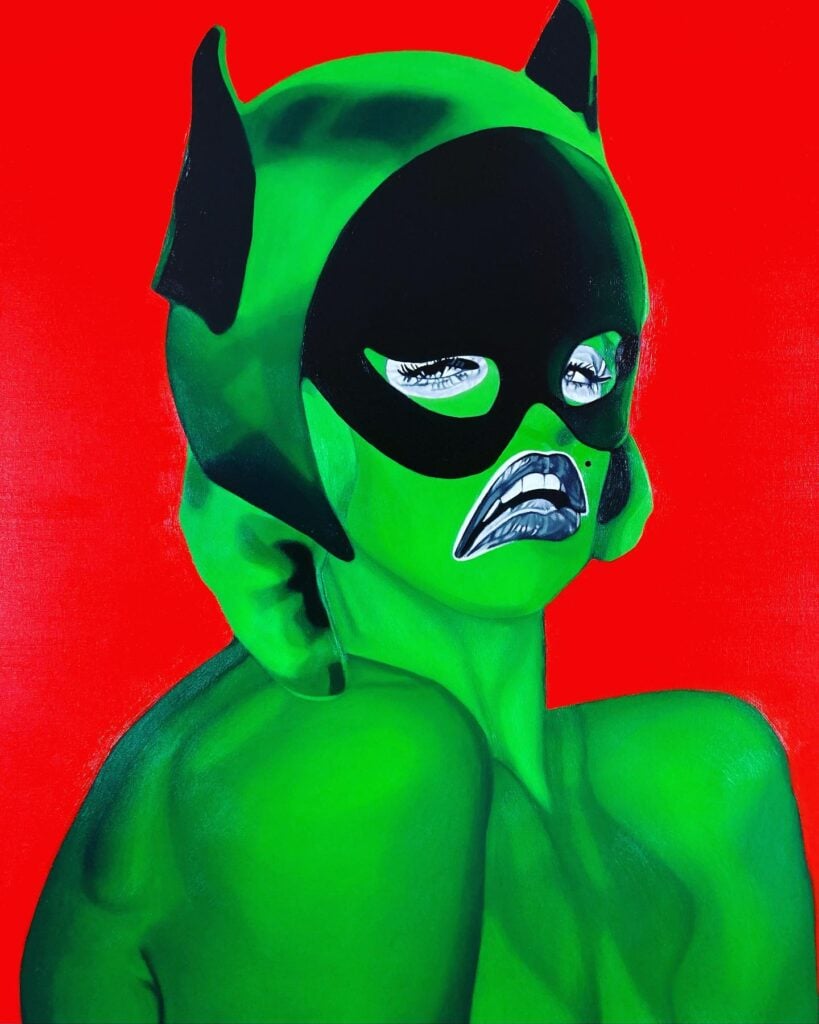
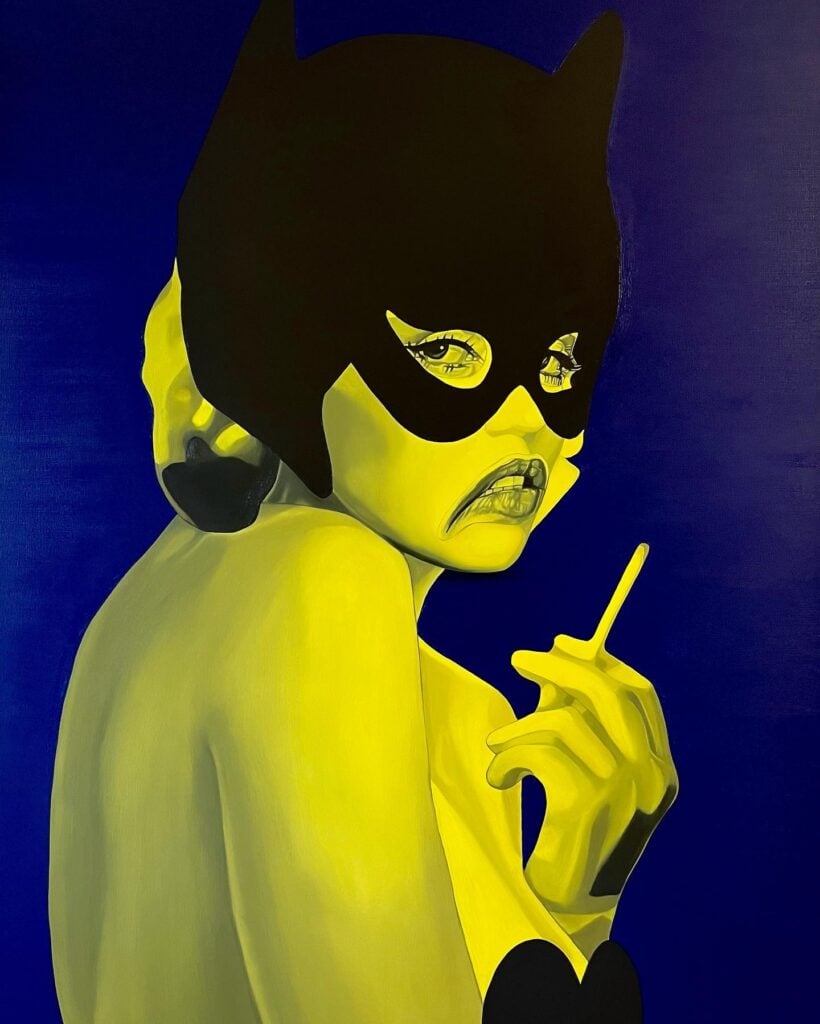
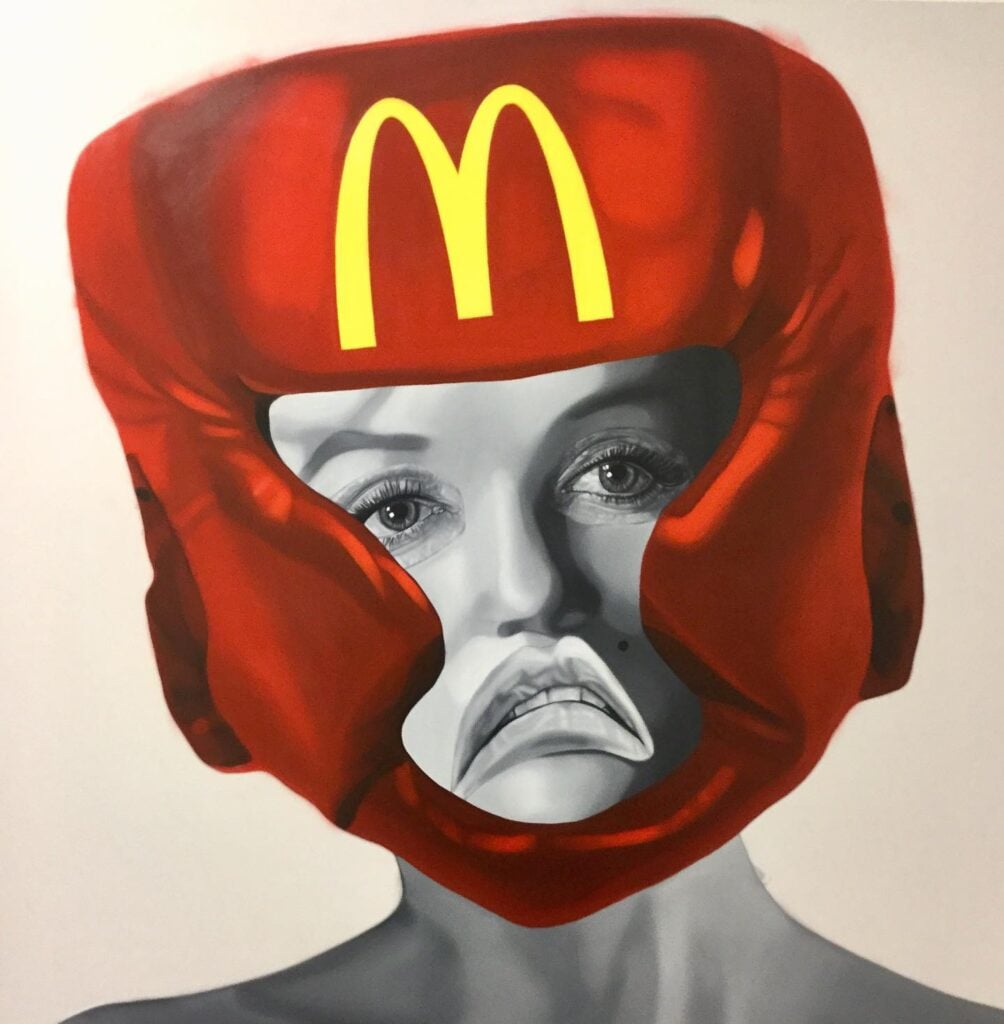
Japanese artist Teiji Hayama skillfully uses precisely these icons, creating artworks that distort our perception of characters such as Marilyn Monroe, which he superimposes over other pop culture references such as Disney cartoons or symbols of Western consumerism such as McDonald’s.
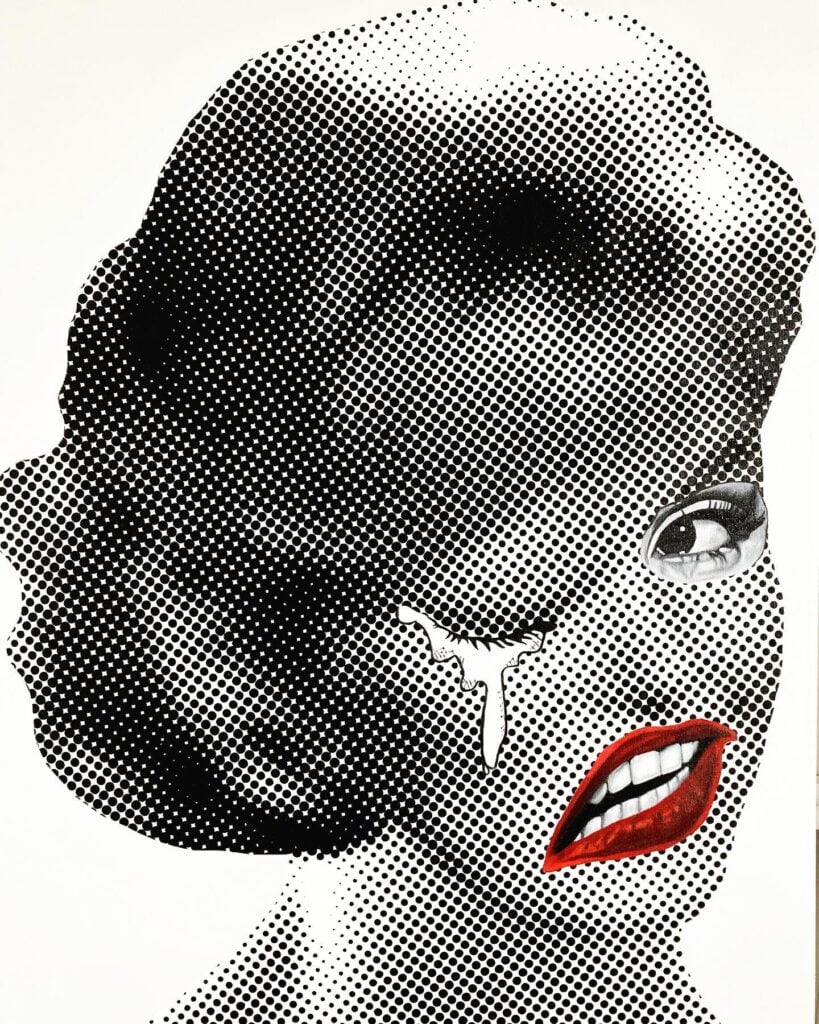
Teiji Hayama distorts the likenesses of these stars often by portraying them with more disturbing or bored expressions, alluding to the repeated and banal use that is made of these very symbols.
Hayama takes from Warholian pop art the repetitiveness of the image, which is continually modified in series, following an idea of almost infinite reproducibility that is typical of advertising. The use of color then emphasizes the tension between a flattening of images and the need to represent that early-to-mid 20th century golden age in which the myths of so many of the subjects portrayed by the artist were born. The obsession with the image creates in Teiji’s works a timeless world in which seemingly too many conflicting levels of reading overlap. Marilyn seems as lonely and sad as she was in life, the alienation of these images ended up, with advertising, to be ours as well, and this is where we must start when looking at Hayama’s work.