I first watched Trainspotting when I was sixteen. I’m twenty-six now, so in a way I’m celebrating an anniversary too: the tenth. Back then, what struck me was the slogan, if that’s what you can call it: “Choose life.” To a sixteen-year-old, it sounded like a list of sentences. Taxes to pay, a big-screen TV, a family, a suit to buy. I wasn’t part of that system yet, but I knew it would be my future. I never felt it was mine, and watching young people rebel against it was my way out. Today, I can officially say I’ve chosen life: I’m furnishing my home, I’ve bought a projector, and I’m choosing curtains for my room away from home. And yet, watching Trainspotting again now has affected me differently. The film is the same; the perspective I watch it from has changed. Ten years ago, all I wanted was to escape that future. Today, I wonder whether it’s possible to do the same while playing by the rules.
Trainspotting returns to cinemas in 4K: three days to see it again
To mark the film’s thirtieth anniversary, Danny Boyle’s film returns to the big screen in a 4K restoration. For three days only, on October 19, 20 and 21, as a special event. It is a Sony Pictures Classics production, presented by permission of Adler Entertainment, produced by Andrew Macdonald and inspired by Irvine Welsh’s 1993 novel.
The restoration doesn’t change what the film is. It restores the conditions in which it deserves to be seen: in the dark, without distractions, with the sound filling the theatre.
Why Trainspotting still feels so relevant
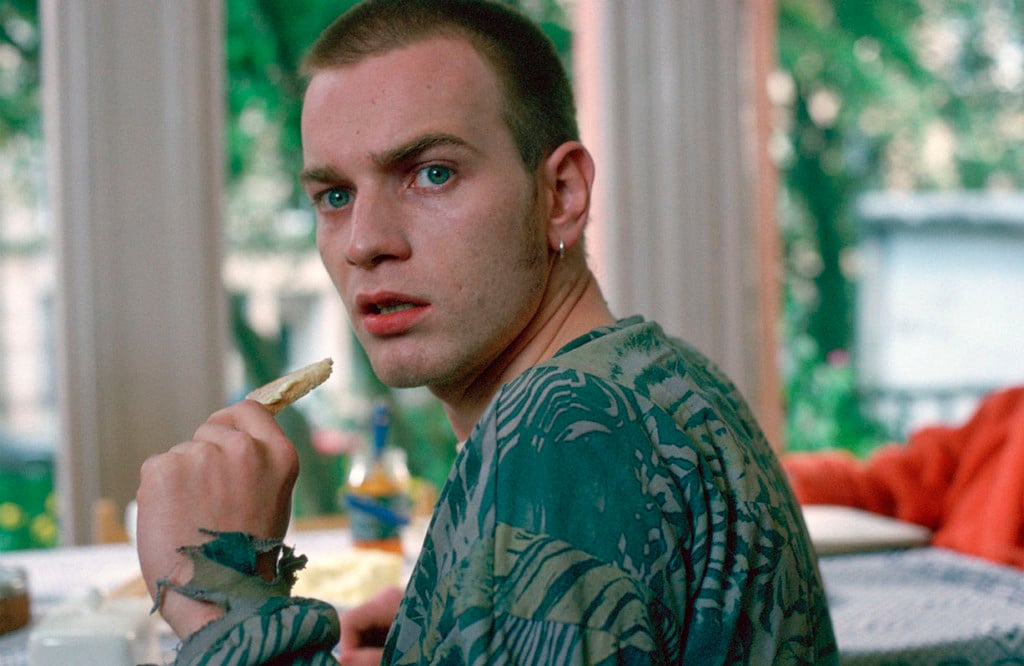
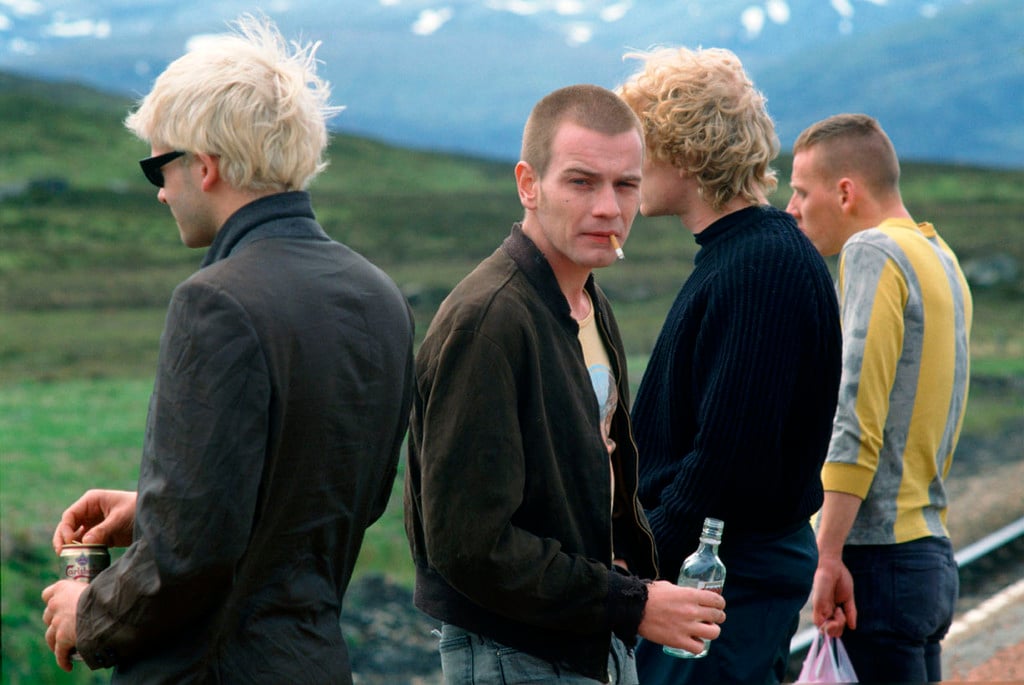
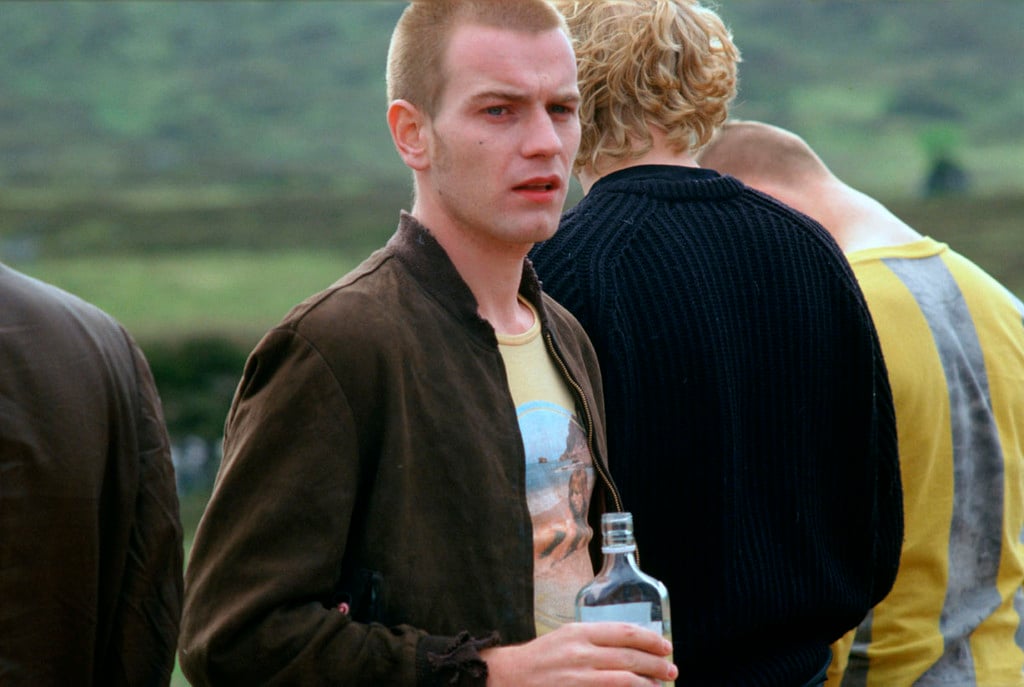
At twenty-six, paradoxically, addiction isn’t the aspect of the film I’ve focused on most. Not because it’s any less serious: it has ruined entire generations, bringing devastation and death, and the film never tries to hide that. But here, heroin is the means, not the end. What resonates with me is the discontent of a generation that no longer believes in the institutions and the state that govern it. I think of Mark’s speech out in nature, his outburst about Scotland. It feels more relevant than ever, with the protests taking place across Italy and Europe these days, finally being led by young people. Times, drugs, music and things to do may change, but devastation continues to touch families everywhere, and there is always someone who finds a pretext—sometimes, sadly, an addiction—to escape a system designed by someone else. Today, people talk about it more and awareness is greater, but the discontent itself has remained the same. Boyle has said that, while researching the subject in Edinburgh, he came to understand that Welsh’s book isn’t about victims. He acknowledges the destructive side of drugs, but also asks what makes them seductive, because there must be something there. It’s an uncomfortable kind of honesty, and I think it’s why the film hasn’t aged and remains so relevant.
A story without heroes, perfectly written
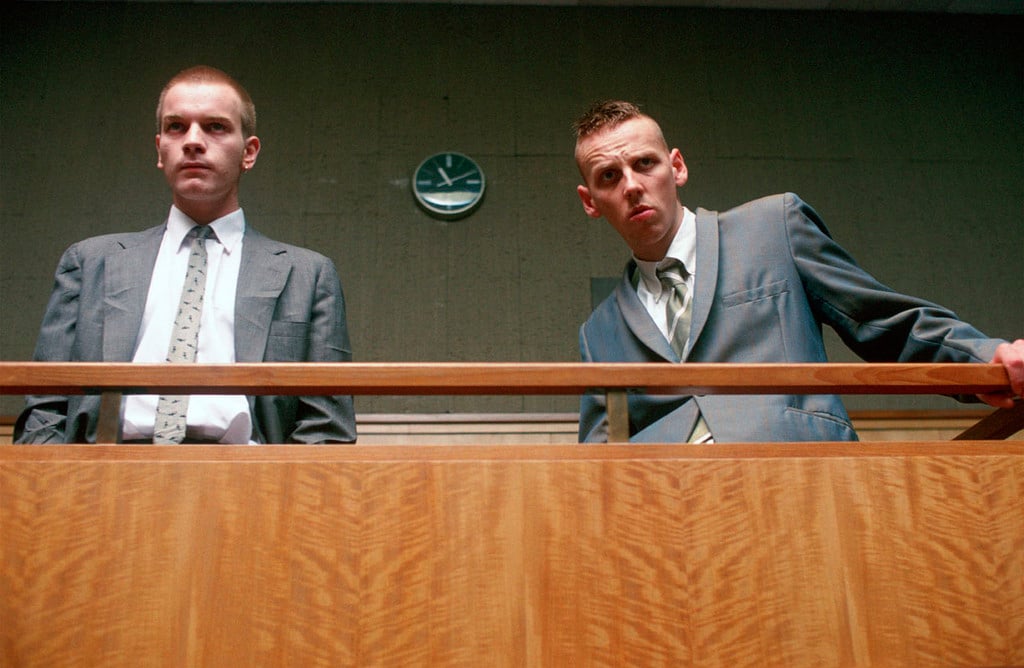
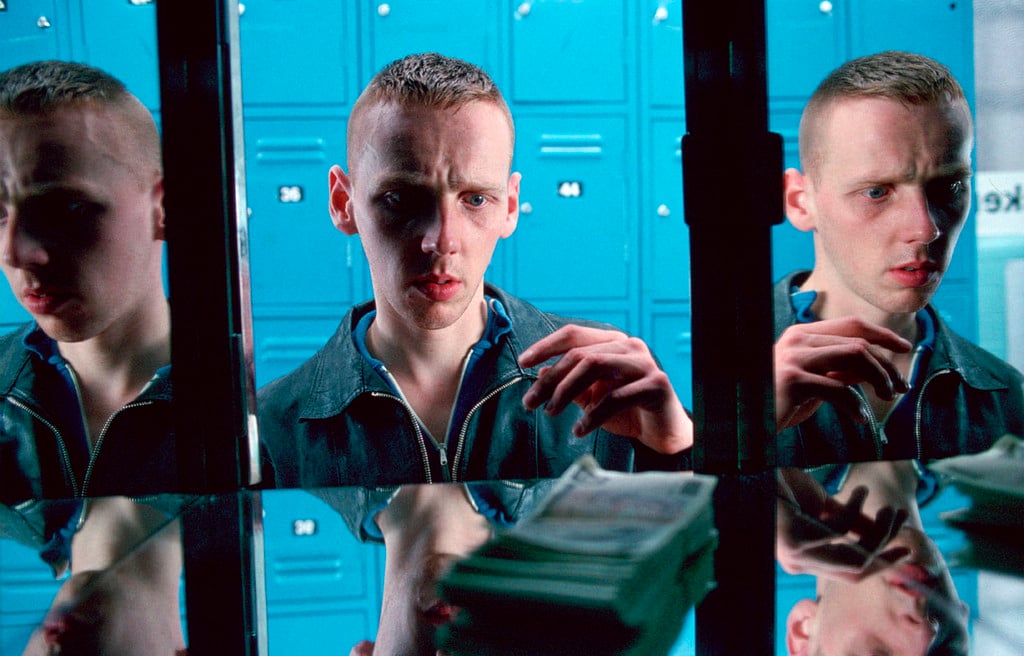
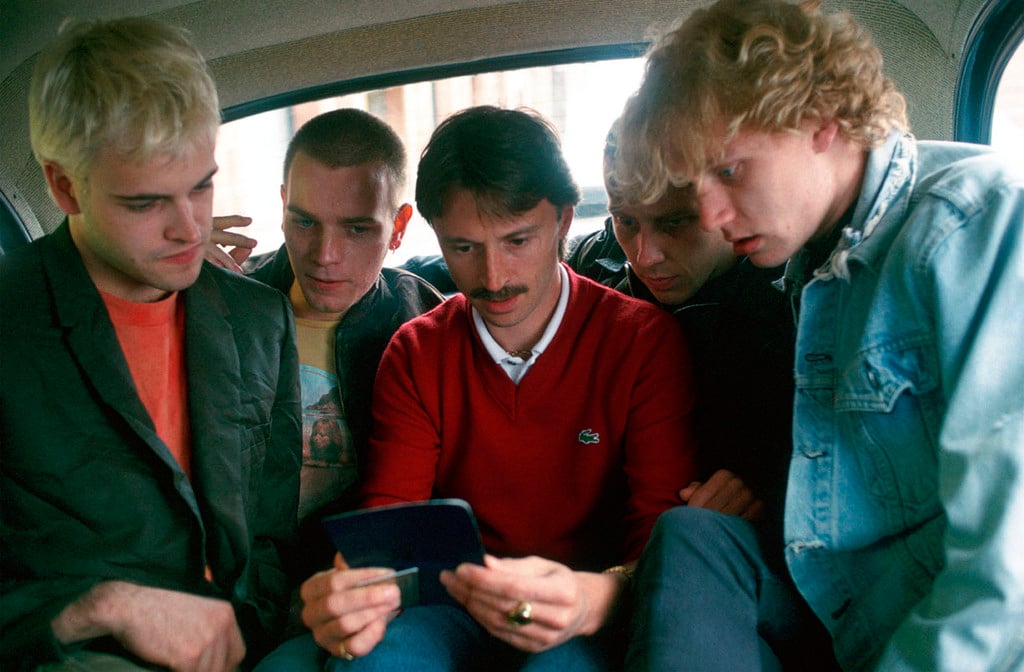
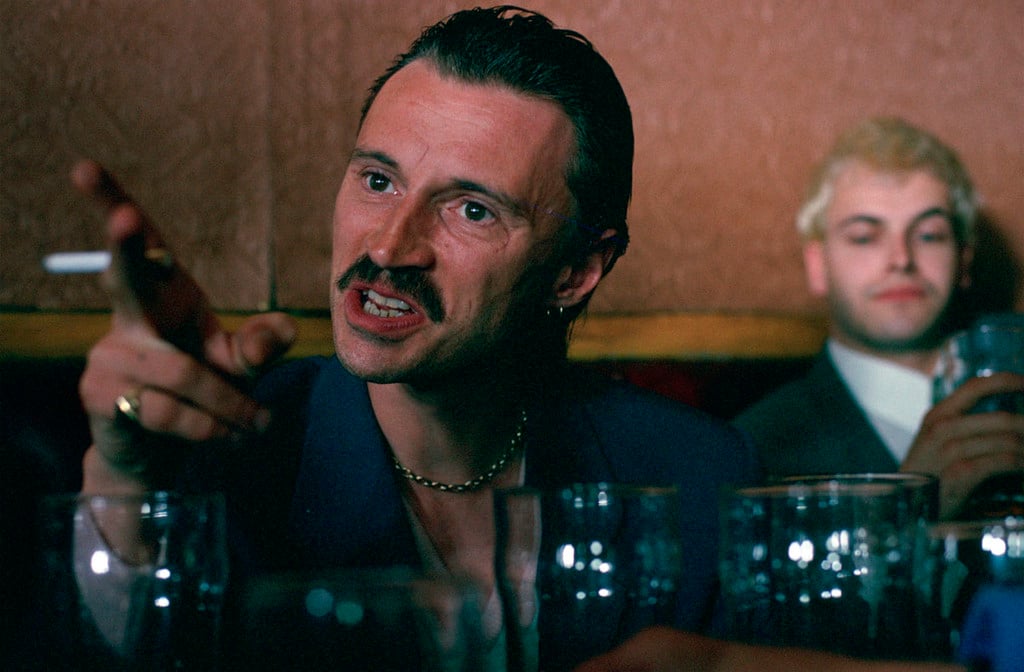
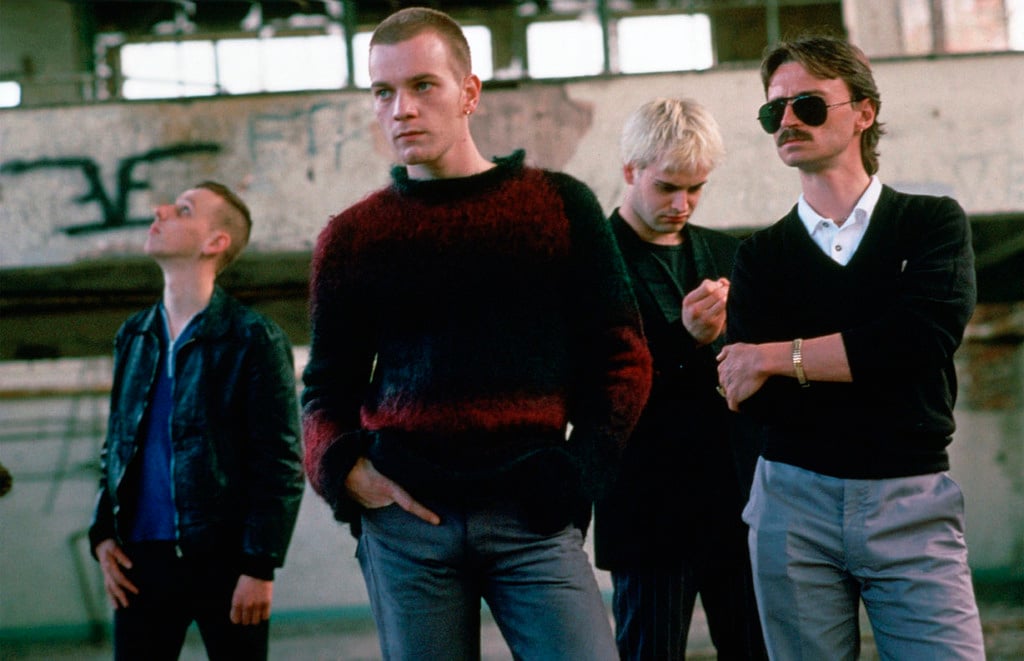
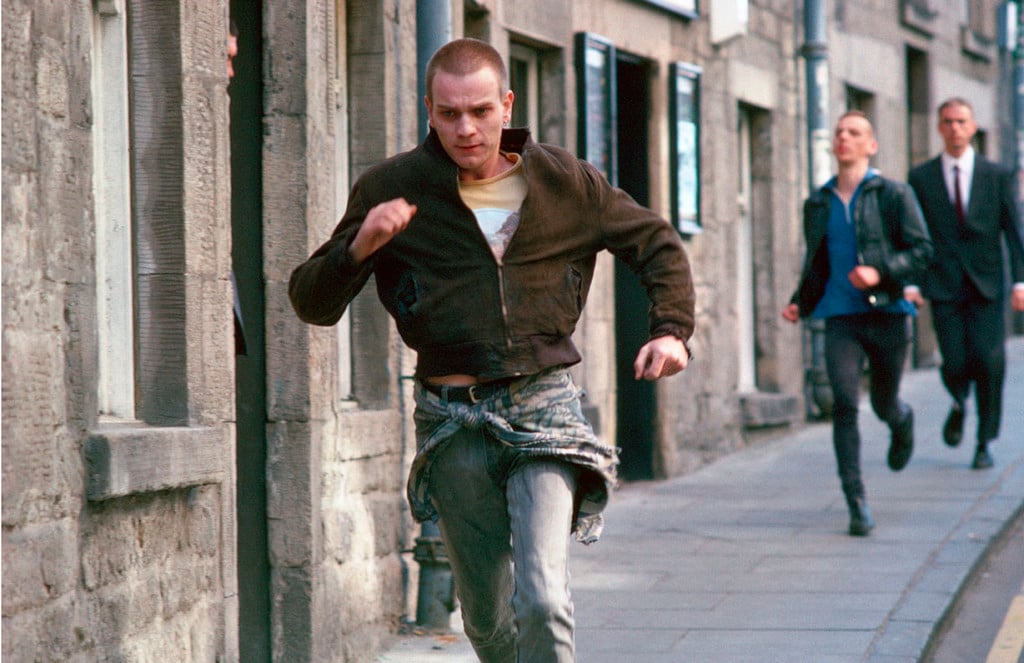
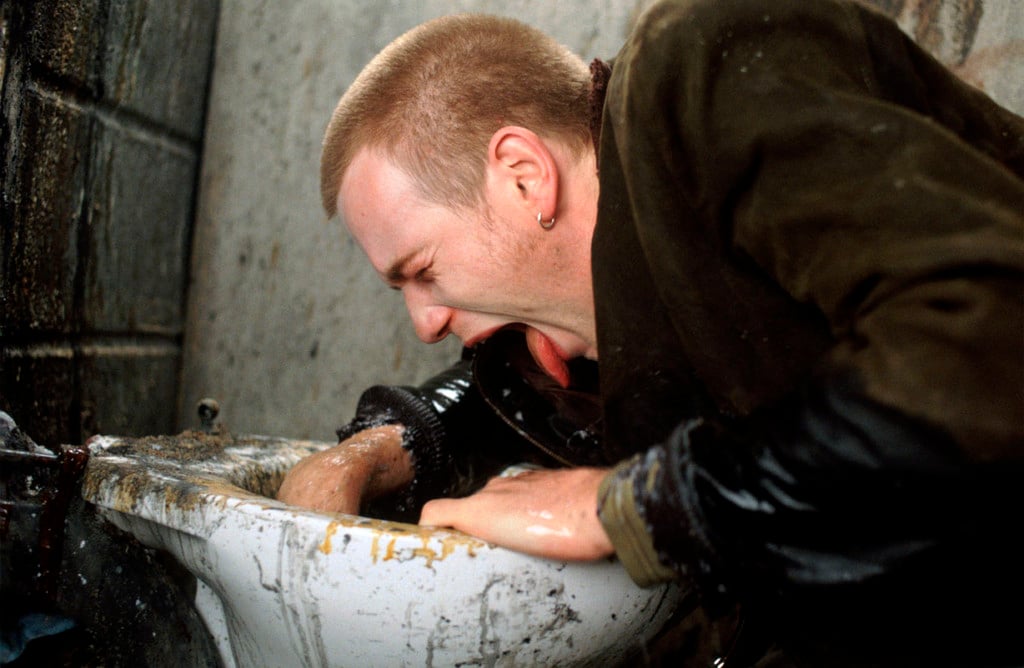
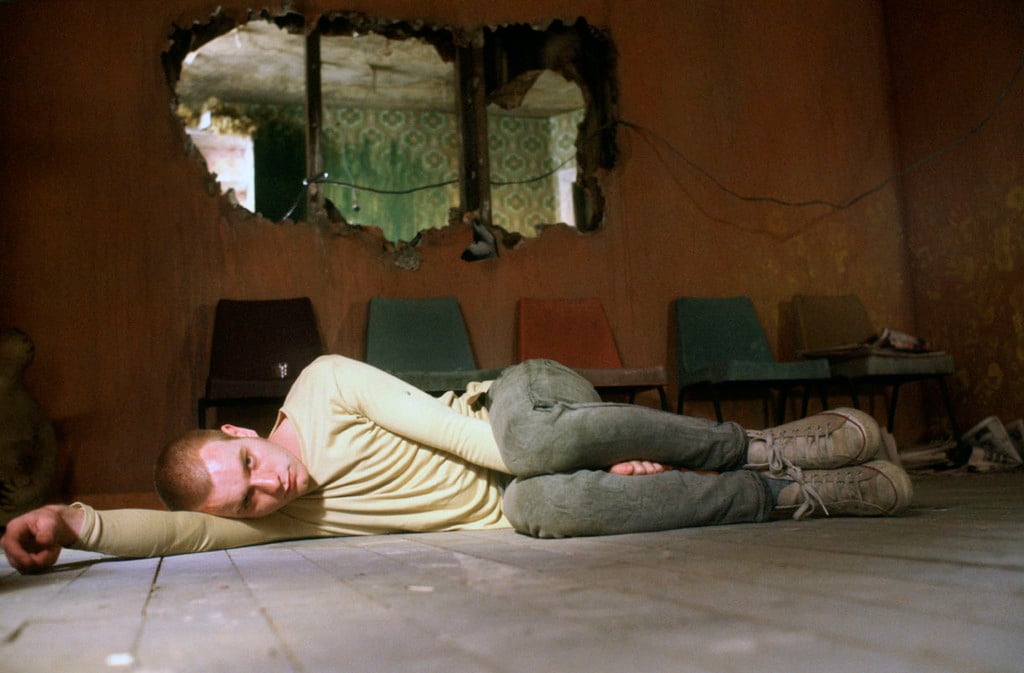
When I first watched it, I didn’t even expect anyone to survive, let alone embark on a hero’s journey. The plot is secondary, as screenwriter John Hodge himself puts it: the film is a study of characters and situations. The writing is masterful precisely in those details: the conversations, the lines, the characters, crafted without a shred of sentimentality and brought to life by a cast that is nothing short of perfect. All of it is accompanied by cinematography that treats colour as a genuine narrative code. Red is associated with every sequence involving drug use: the light surrounding the moment of the deal, the carpet in the Mother Superior’s flat, and even the exterior of the Volcano club, where Mark meets Diane, is painted red, symbolising the upheaval about to enter his life. Green and blue are cool colours that sharply contrast with the artificial warmth of drugs; they are associated with withdrawal and reality. Grey is the colour of post-industrial Edinburgh, dominated by muted tones that convey the boredom and “lack of prospects” the protagonists are desperately trying to escape. Boyle and cinematographer Brian Tufano add wide-angle lenses that distort faces, impossible point-of-view shots, and handheld camerawork, as in the opening chase set to Lust for Life.
Then there’s production designer Kave Quinn, who built fourteen sets inside a former Glasgow cigarette factory, taking inspiration from Francis Bacon. The clearest example is Tommy’s flat: neat and carefully kept when he’s happy, with almost-vein-like walls that become fragmented as addiction takes over, just like his body. In 4K, on a proper cinema screen, all of this reveals itself for what it is: wildly imaginative production design that creates a kind of metaphysical realism.
From clubs to rave culture: music as a collective escape
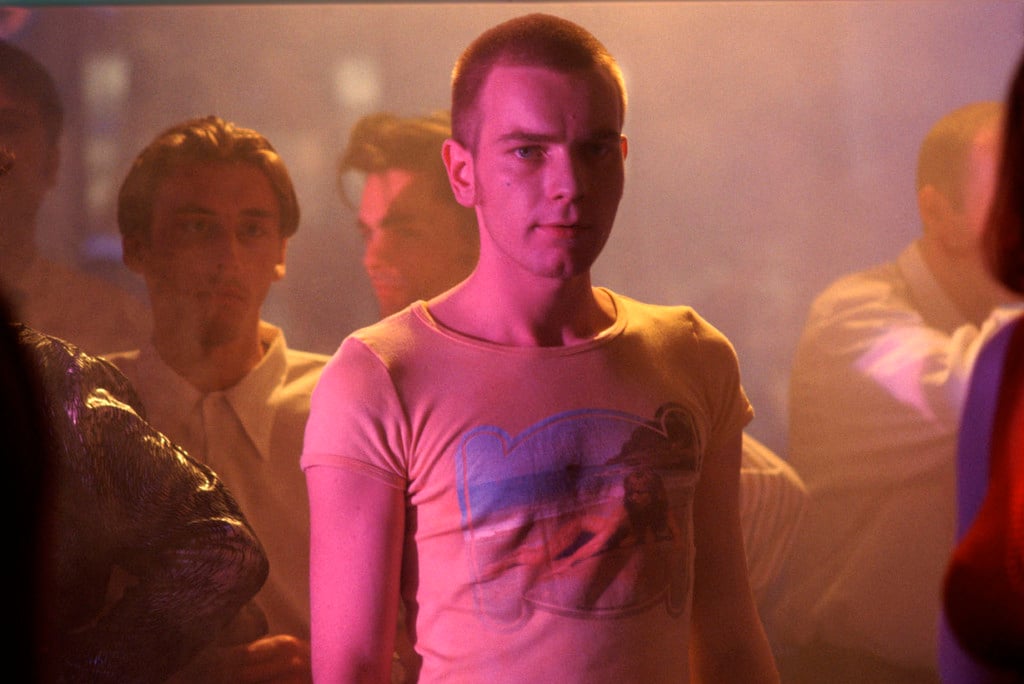
I’d almost forgotten the soundtrack, and hearing it again was enough to realise just how out of this world it is: a masterfully curated mix of the era’s genres. It doesn’t simply provide a backdrop; it fuses with the protagonists’ bodies and the scenes themselves. Think of Mark’s hallucination at his parents’ house: the electronic track (Dark and Long by Underworld) speeds up the beats per minute and makes your heart race, synchronising the viewer with the protagonist’s trip, before leading into an iconic track like Born Slippy, now synonymous with Trainspotting for just about everyone. Music even becomes part of the dialogue and the plot: Diane reminds Mark that the world is changing and that he can’t listen to Iggy Pop forever, while club music mirrors his desperate search for someone to spend the night with. There’s Lou Reed’s rock, the Britpop of Blur, Pulp and Elastica, the electronic sounds of Leftfield and Bedrock, and even Ice MC’s Eurodance. It reflects the same generational discontent, told through two opposing ways of escaping: heroin, which isolates and consumes, and club culture, which tries to bring bodies together to break free from the system, side by side, for one very long night.
Choose again, go to the cinema
Thirty years later, the opening monologue rings even louder. Choose a job, choose a family, choose a giant-screen TV, choose a washing machine, a car, a sofa. Or make the one choice that destroys everything else. Choose life, choose to go to the cinema, choose to see it on the big screen, in the theatre, in the dark, where no one can ask you to choose anything else. You have until October 21. Choose Trainspotting.