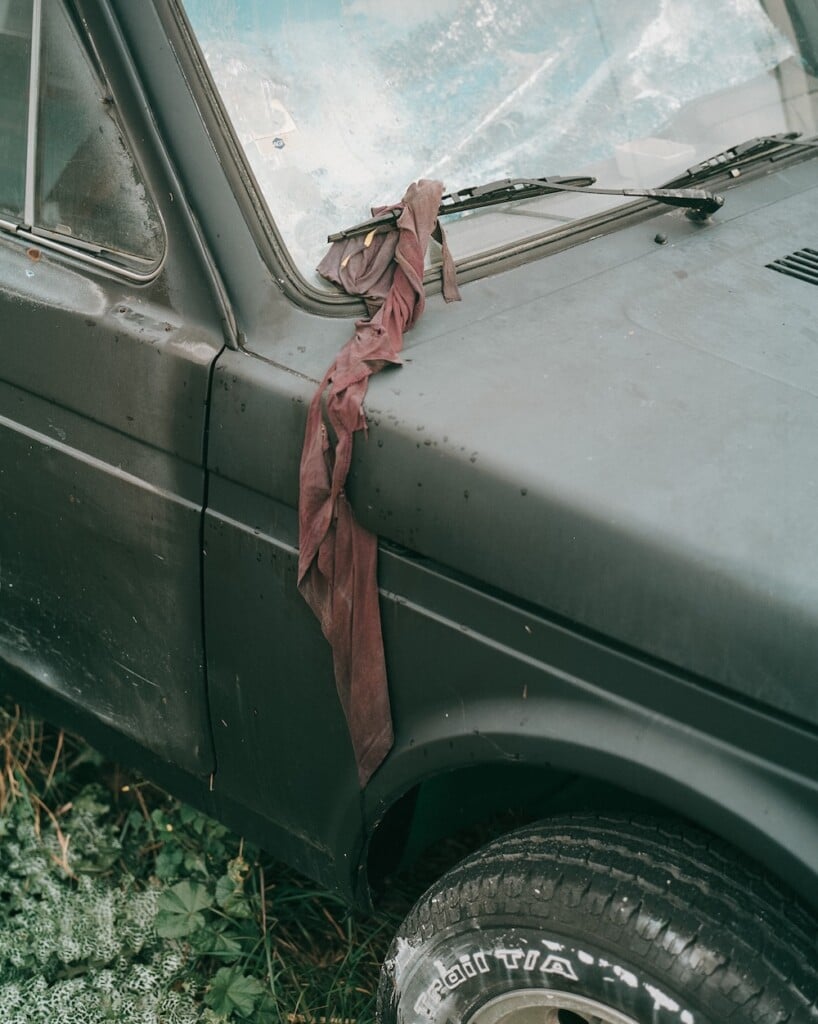
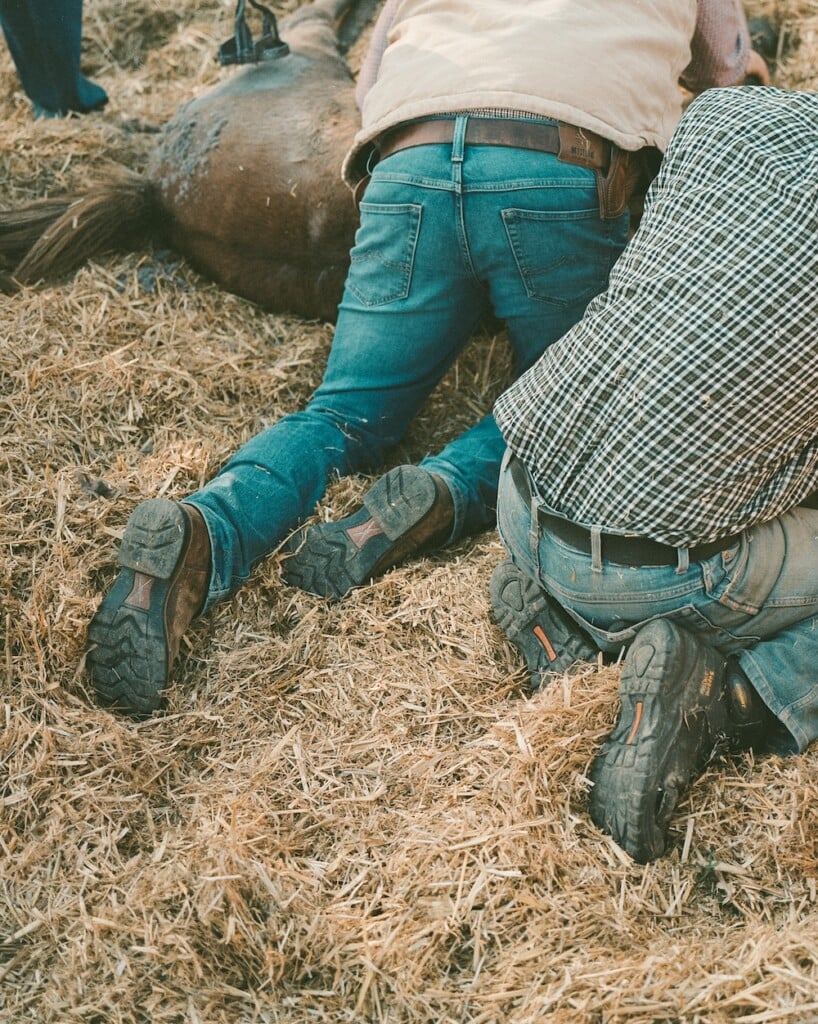
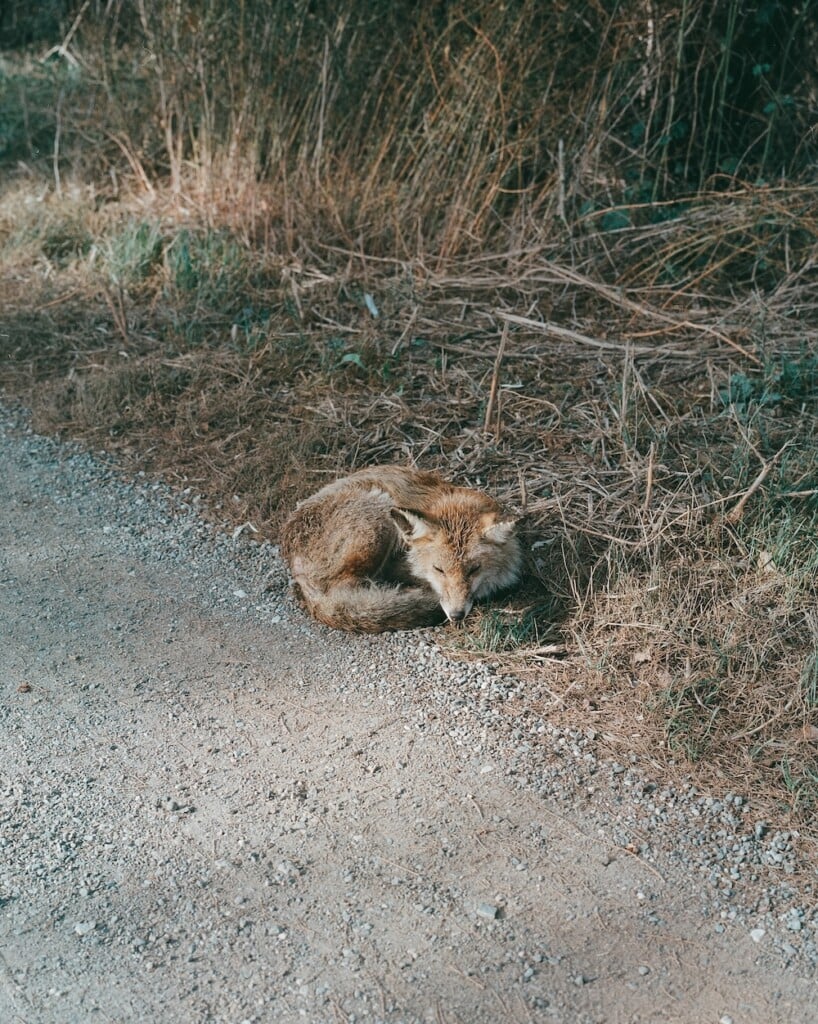
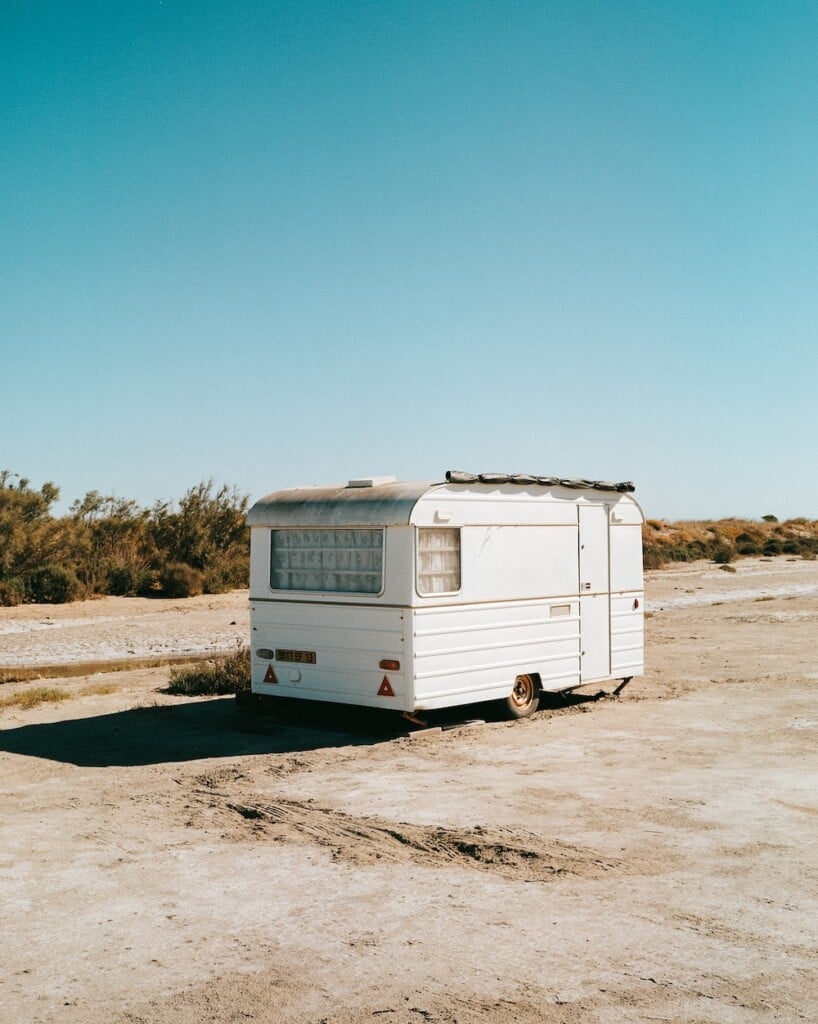
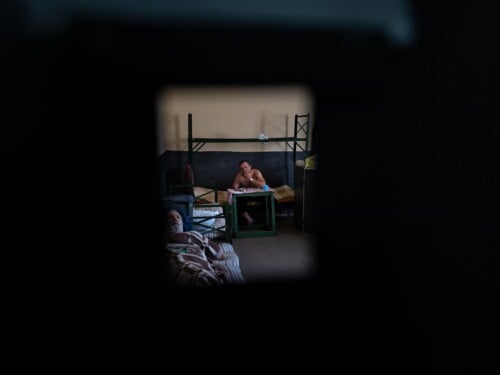
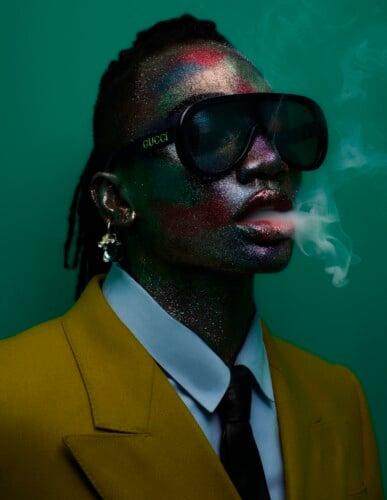
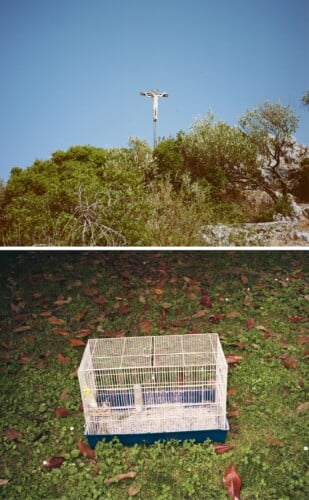
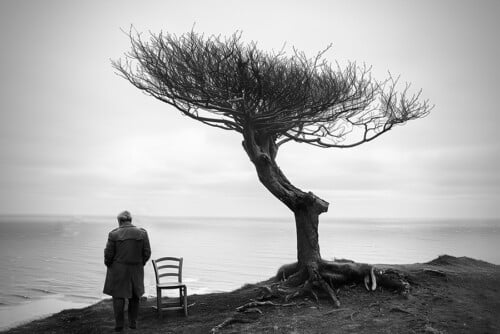
The river ends where the land grows too flat to hold it, spreading into a delta that the sea will, sooner or later, reclaim. It’s from this almost biblical image that Pour qui chanteront les sirènes (Who Will the Sirens Sing For) begins, the long-term project through which French photographer Théo Giacometti documents the Camargue and its last inhabitants.
Born in 1989, Giacometti lives and works in Marseille. He began his career as a local correspondent in the Alps, before establishing himself as a photojournalist for outlets including Le Monde, Libération, The Guardian, M Le Magazine du Monde, Die Zeit and Télérama. In his personal work, though, reportage gives way to a different method, built on long-term documentary immersion and a photographic language shaped in close relation to writing. He works mainly in analogue, and his practice moves constantly between documentary observation, literature and fiction.
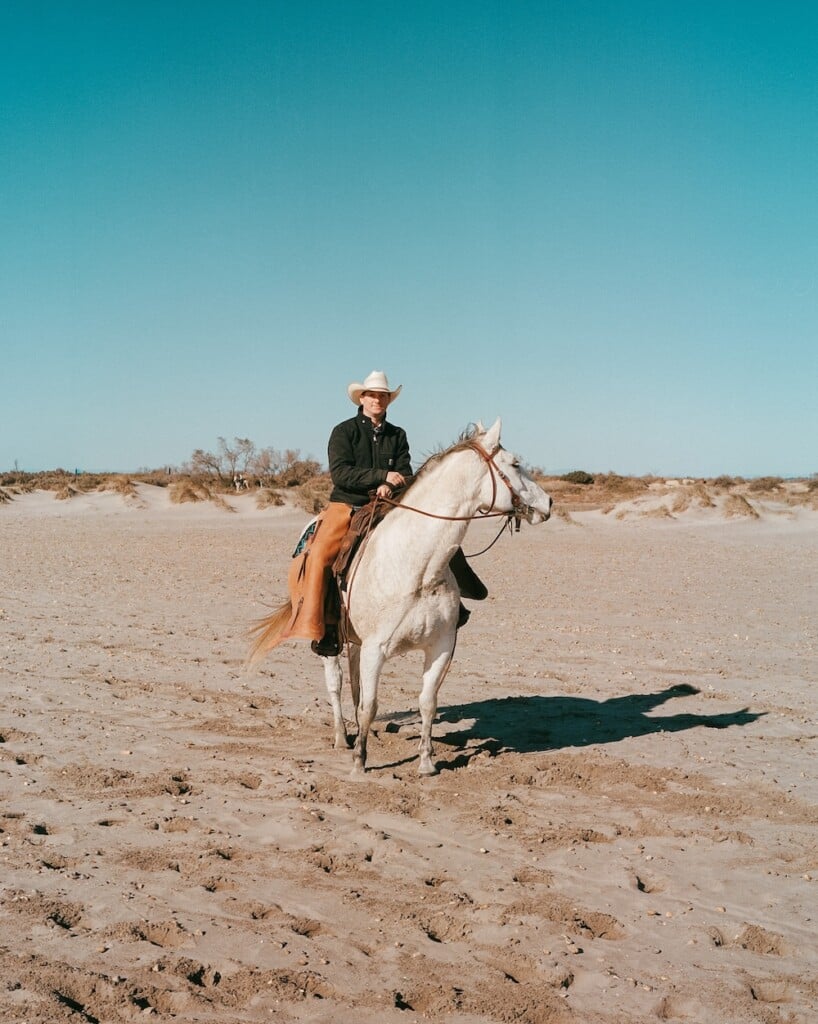
Coming back to Pour qui chanteront les sirènes, the Camargue is a delta, and deltas are by definition temporary. Théo Giacometti knows this well, having received the Mondes Nouveaux grant in 2021, promoted by the French Ministry of Culture, to produce a body of work on the future of the people living in this region threatened by rising sea levels. Not a strict reportage on the climate emergency, but a portrait of those who have chosen to stay in a place they know, with reasonable certainty, they may lose.
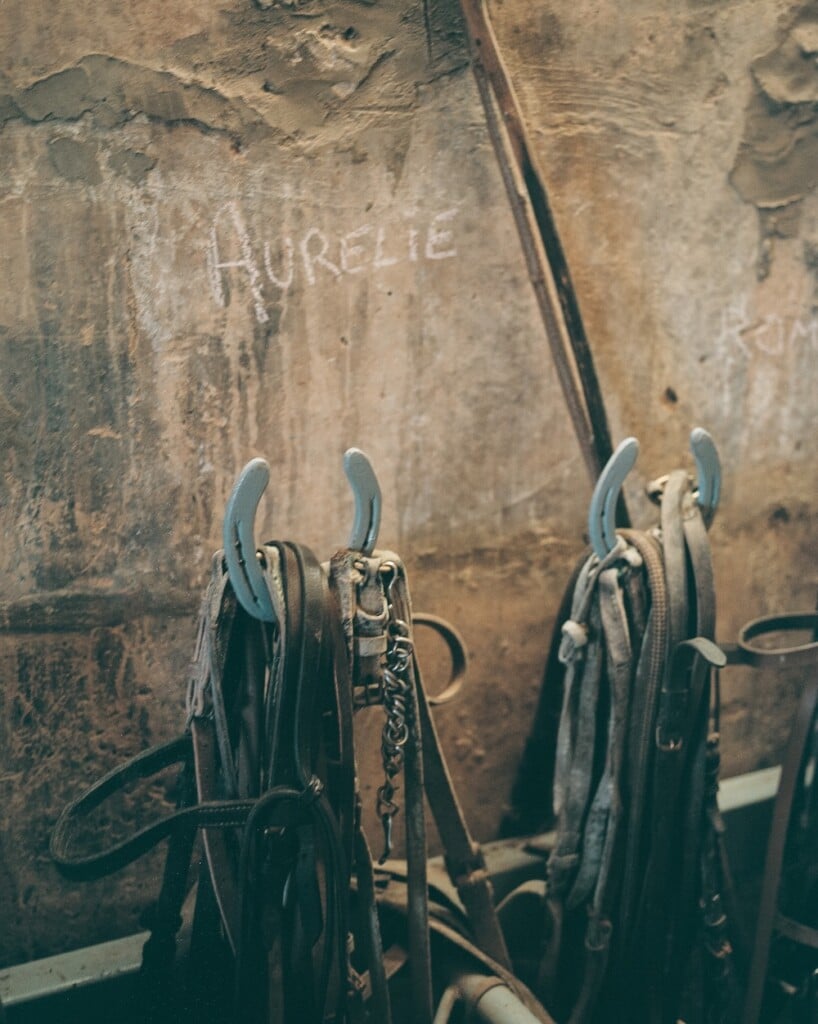
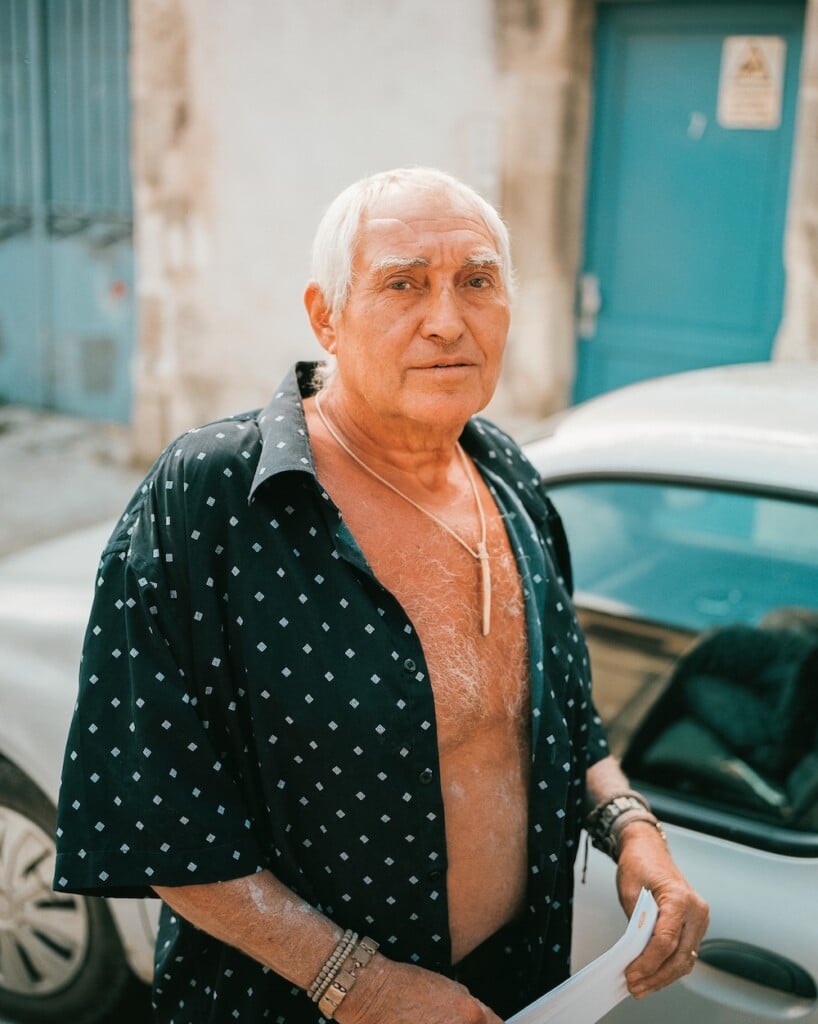
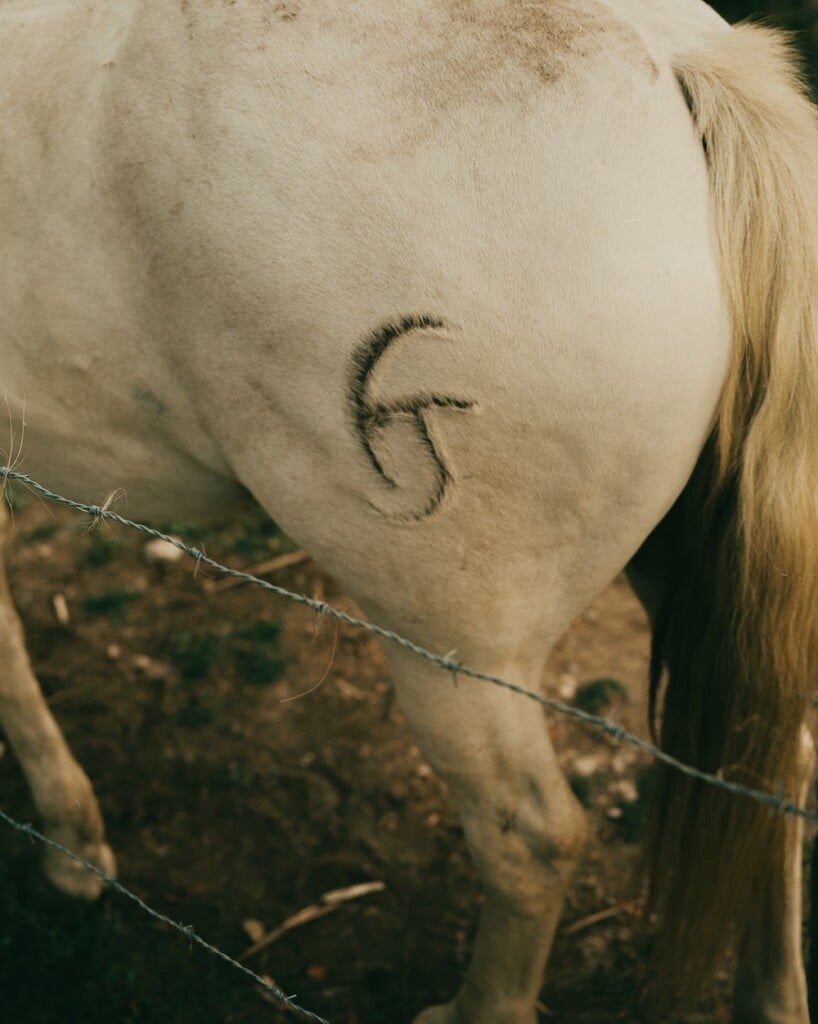
His images show manadiers, fishermen, houses standing alone among the roselières, horses crossing ground too dry or too brackish to really count as solid land. These are figures living on the margins, in a landscape no map can truly fix, because the sea redraws it every year.
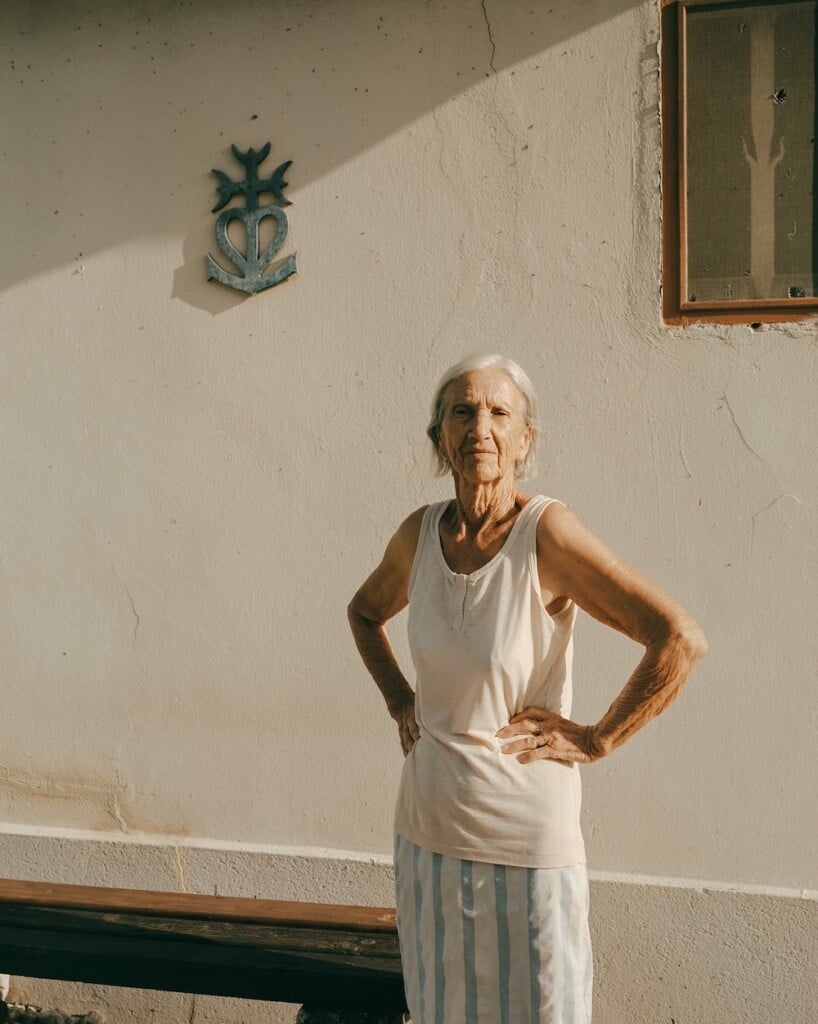
Alongside the photographic project runs a poetic text, written by Théo Giacometti himself, telling the story of the delta as a creation myth, from the primordial chaos to the arrival of man with his oversized boots and tired hands. Salt clings to hair, stakes are driven into the marsh, Sundays pass in the sun, children run through the reeds — the writing doesn’t comment on the photographs, it accompanies them like a second reel, just as sensitive to light and to time passing.
This interweaving of photography and literature is a constant in Giacometti’s work, already explored in Immaqa, the project made during an artist residency in Greenland on the exodus of young people from an Inuit village. In both cases, the author observes communities living on the edge of an ending, without ever slipping into sentimentality or the rhetoric of “the last time.”