Tie-dye is much more than just a coloring technique. It’s something deeply tied to a radical gesture—an explosion of color born from a rejection of order, a form of personal expression that has accompanied those who defy established rules for decades. There’s something deeply liberating about mixing colors without knowing exactly what will come out. But let’s dive into its history and what this technique has become today.


It’s impossible to talk about tie-dye without touching on the counterculture of the 1960s. Before it became an aesthetic trend, tie-dye was a political and spiritual symbol. Inspired by ancient techniques—from Japanese shibori to Indian bandhani—it found its most explosive form at hippie gatherings, psychedelic music festivals, communes, and peace movements. During the 1969 Woodstock Festival, Joe Cocker sang wearing a tie-dye shirt, becoming an icon of an era that flew the flag of nonconformity.
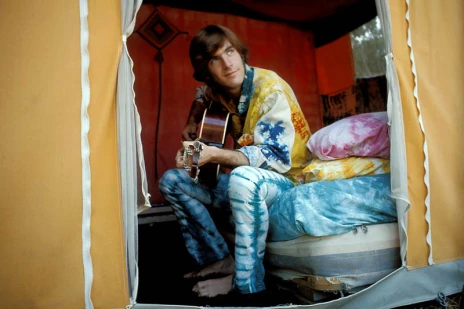
John Sebastian, frontman of Lovin’ Spoonful, was not only a musical icon of the counterculture, but also a true tie-dye enthusiast. As reported in this interview with Billboard, he dyed his own clothes, experimenting with techniques, folds, and color combinations well before they became mainstream. His appearance on the Woodstock stage in stained, psychedelic shirts wasn’t accidental—it was the result of a fully handmade practice that made tie-dye a form of art and personal identity.

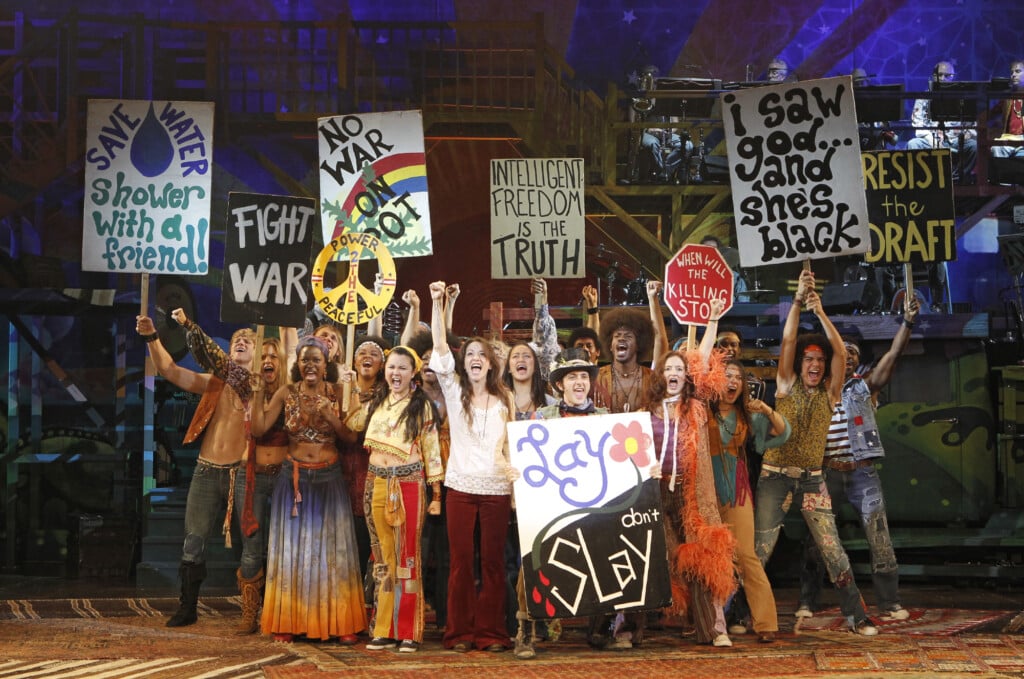
It’s the dominant color scheme in films like Hair, the cinematic manifesto of the hippie dream. Psychedelic spirals and acid tones reflected the mental state of those seeking freedom in every corner of their lives. Tie-dye became a canvas for rebellion, a rejection of conformity, a search for new spirituality—often fueled by psychedelic experiences and communal living.
In the 1990s, tie-dye made a comeback and transformed. Nirvana wore tattered t-shirts, while the British rave scene adopted wild, colorful outfits as a visual extension of techno culture. A new generation took it up, keeping its free spirit alive. Unforgettable is also the Lithuanian basketball team’s tie-dye uniform at the 1992 Olympics, sponsored by the Grateful Dead (yes, literally sponsored): a symbol of rebirth and independence after emerging from the USSR.

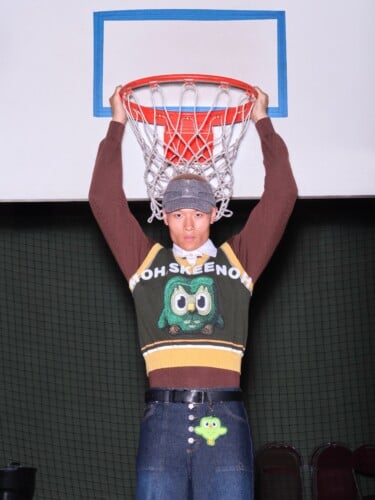
Today, tie-dye regularly reappears on runways but especially in DIY tutorials. In 2019, it was one of the biggest trends, thanks to its ability to speak to new generations in search of authenticity. You see it in handmade clothes sold on Instagram, in TikTok videos, or in home workshops that turn an old t-shirt into an explosion of unique colors.
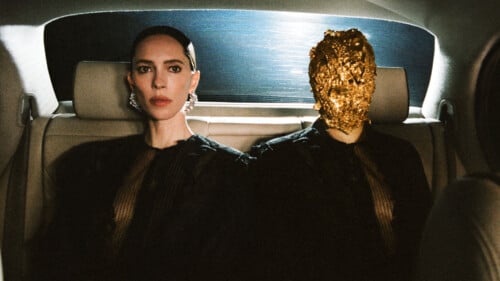
Tie-dye has also become part of genderless aesthetics, streetwear, and even digital art. Although today it’s often stripped of its original meaning and turned into a fleeting trend by many celebrities, it remains a powerful symbol of visual and expressive freedom. Each garment is one of a kind, the result of a random mix of mistakes and intuitions—making it a small act of rebellion.

There are many references to this technique in cinema too. In Hocus Pocus (1993), Max Dennison wears a stunning tie-dye shirt with concentric patterns, mixing colors that have stuck in our memories over the years. After the trend’s revival in 2019, we even saw Matthew McConaughey sporting tie-dye in The Beach Bum—but the examples are endless. And all very colorful.


The secret seems to lie in this technique’s ability to turn imperfection into value. This practice demands neither symmetry nor precision—chaos is welcome and becomes style. It reminds us that even in disorder, something beautiful, personal, and authentic can emerge. Maybe that’s exactly what still makes it so relevant today, so playful, and in a way, so necessary.
Read also: Andre Agassi changed the way people dressed on the tennis court