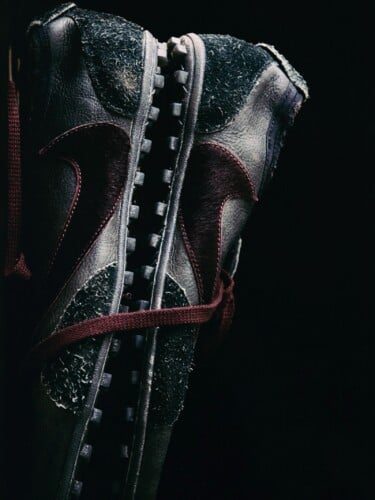
When it comes to streetwear and hip-hop culture, few items have had as lasting an impact as the Timberland Boot. Officially known as Style #10061 and affectionately called “Timbs“, this boot has become a symbol of style and resilience—even though its origins are far removed from the music and urban scenes. But let’s explore why.
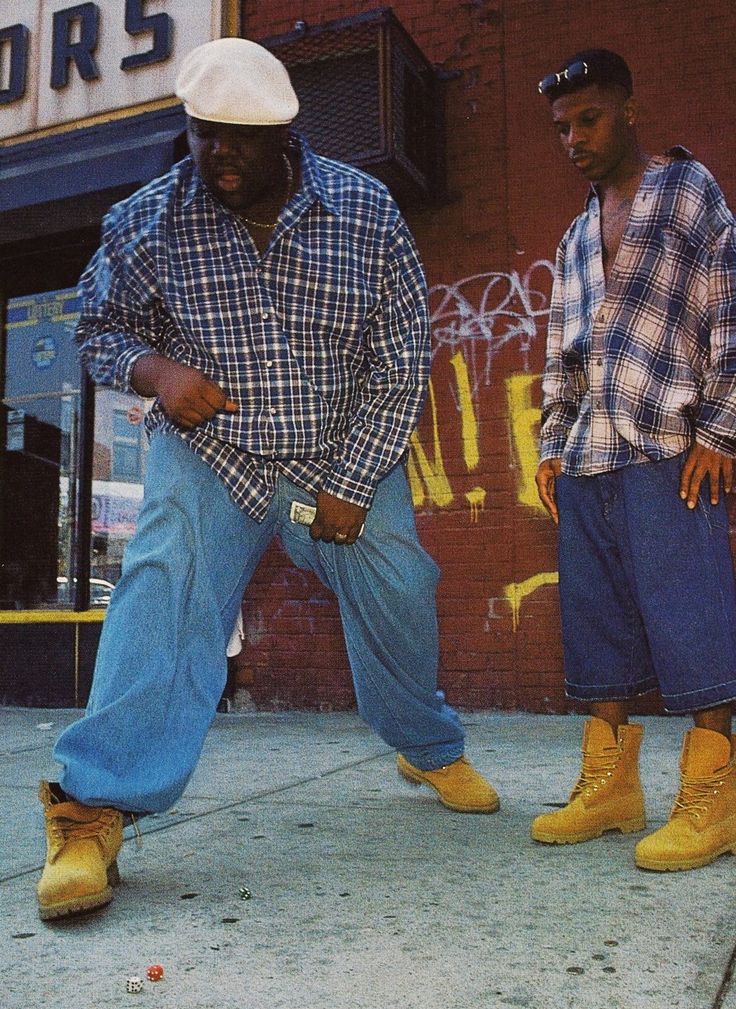

Launched in 1973 as footwear for the construction industry in New England, the 6-inch Timberland boots were designed with two simple features in mind: waterproofing and durability. However, in the 1990s, a completely unexpected group began to wear them: hip-hop artists from New York. According to journalist Rob Walker, who wrote about this in his book Buying In, the first people to wear Timberlands in an urban context were New York drug dealers, who needed tough and comfortable shoes to stay out on the streets all night. Soon, rappers followed their lead, and the Timberland Boot became a true symbol of hip-hop culture.
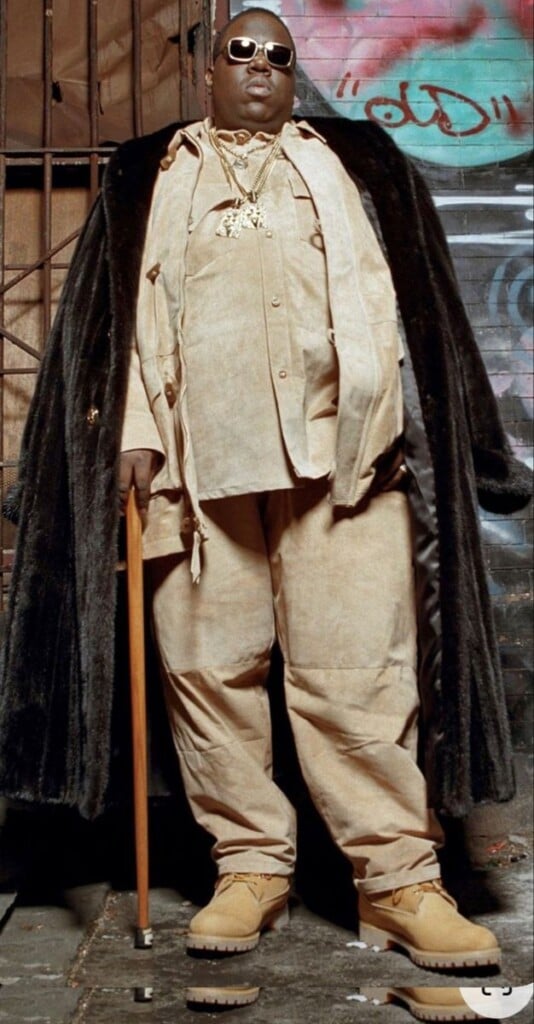
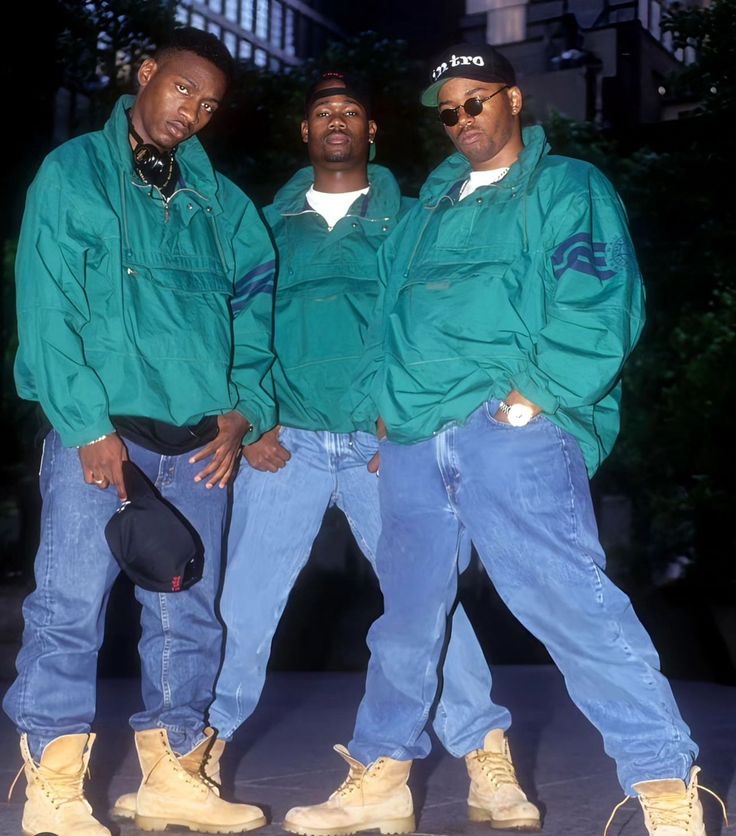
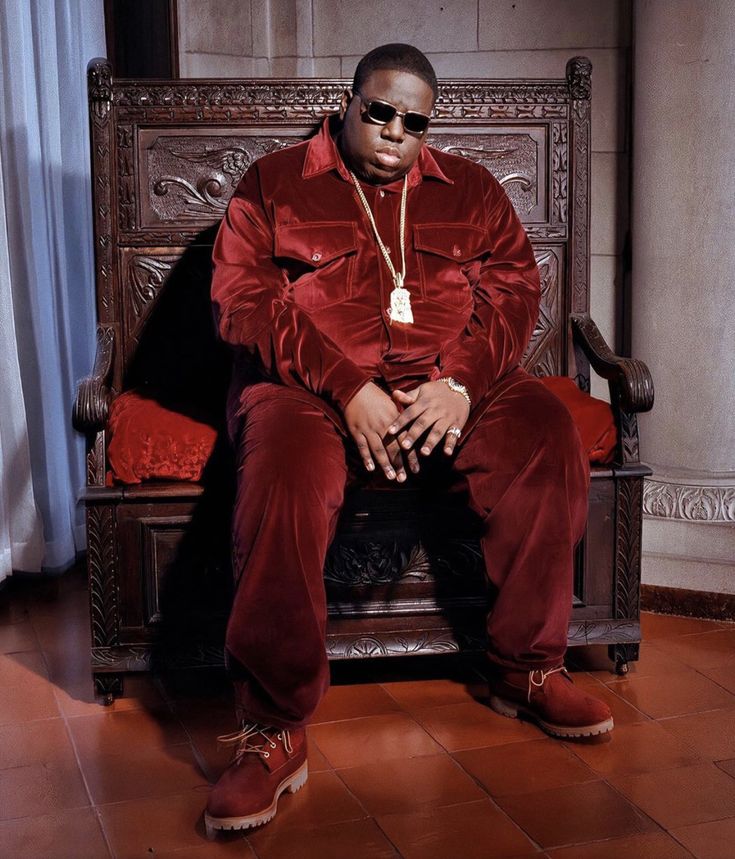
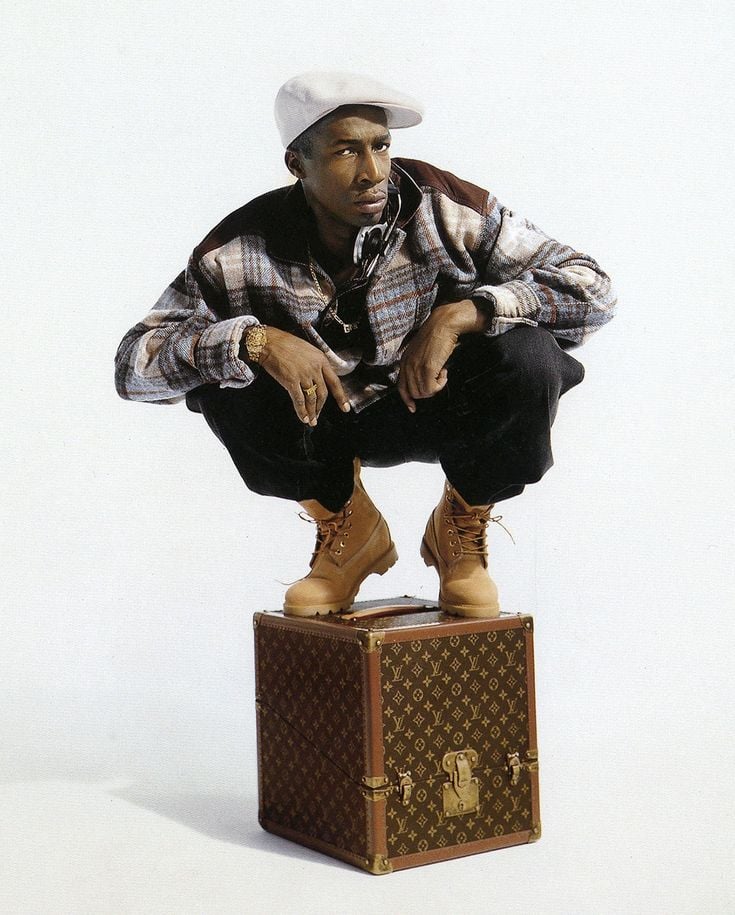
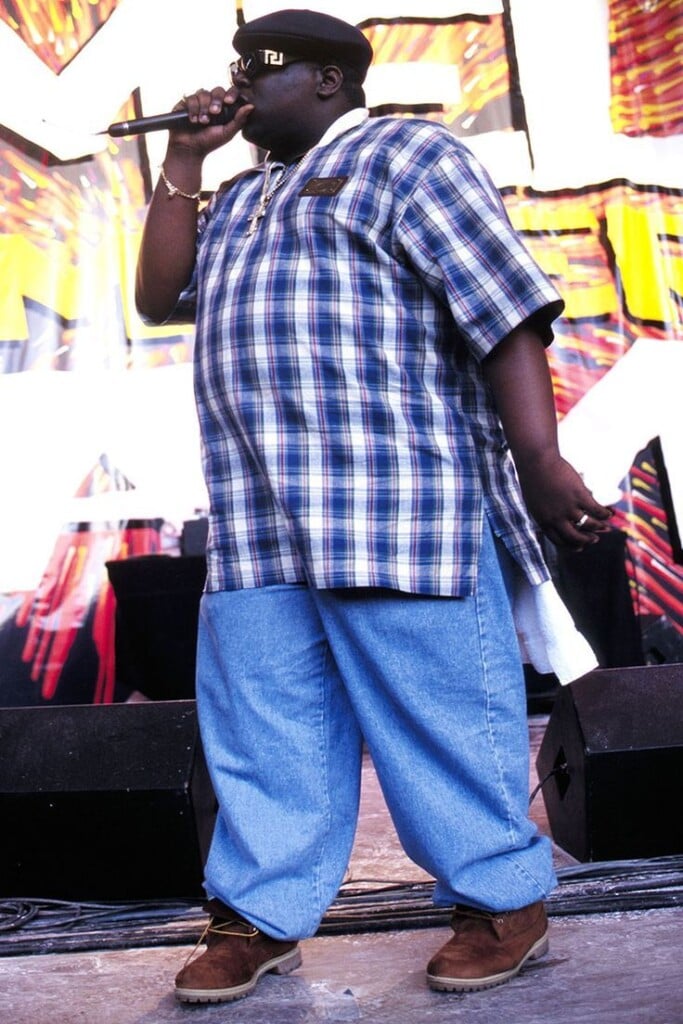
Notorious B.I.G., Wu-Tang Clan, Mobb Deep, Nas, Jay-Z, DMX, and Redman are just a few of the artists who helped popularize Timbs. In their lyrics—and especially in their music videos—the boots were constantly featured, becoming a key part of 1990s hip-hop style. Of all of them, it was Notorious B.I.G. who most famously referenced Timberlands in iconic tracks like Suicidal Thoughts, with the historic line: «Dressed in white, I like black Timbs and black hoodies,» and in Hypnotize with «Timbs for my hooligans in Brooklyn».
Mobb Deep also put them front and center on the cover of their 1994 album The Infamous, reinforcing their status as an urban icon. But it was the Wu-Tang Clan, with their iconic group photo featuring the Timbs front and center, who truly propelled Timberland’s popularity. RZA himself stated that the group played a key role in their widespread adoption.


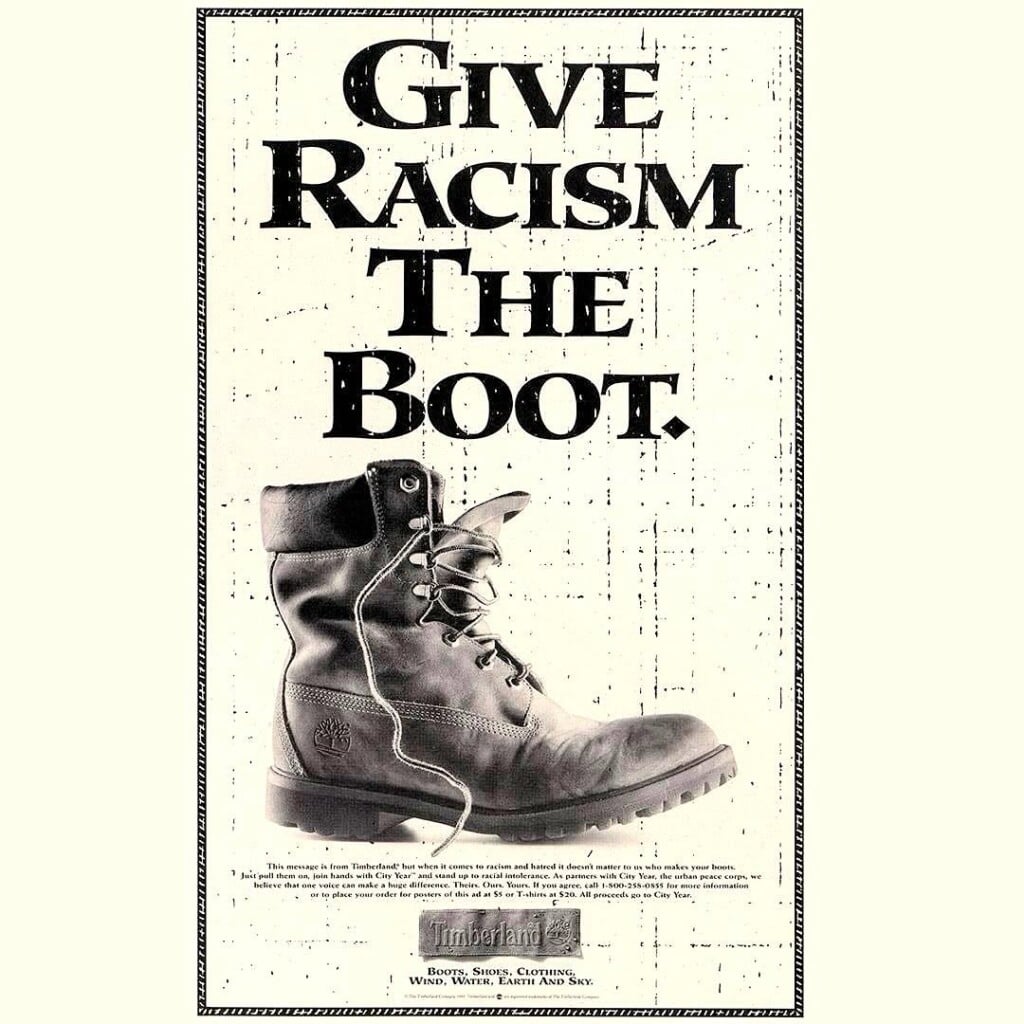
At first, Timberland didn’t immediately embrace this new audience. The brand, with its roots in workwear, wasn’t ready to acknowledge its connection to hip-hop culture. However, in 1993, the “Give Racism the Boot” campaign marked a turning point, recognizing and honoring the African-American and Latino clientele who had adopted Timberlands. Over time, the company accepted its role in urban culture and, thanks to the influence of hip-hop, the brand grew exponentially. In 1991, revenue stood at $100 million—by 2000, it had surpassed $1 billion.

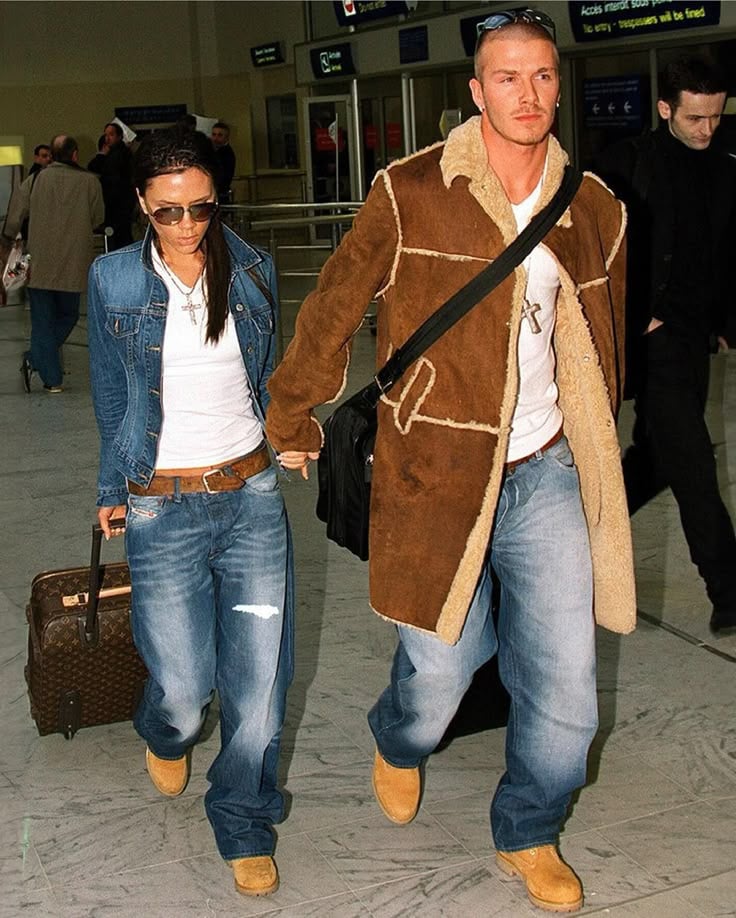
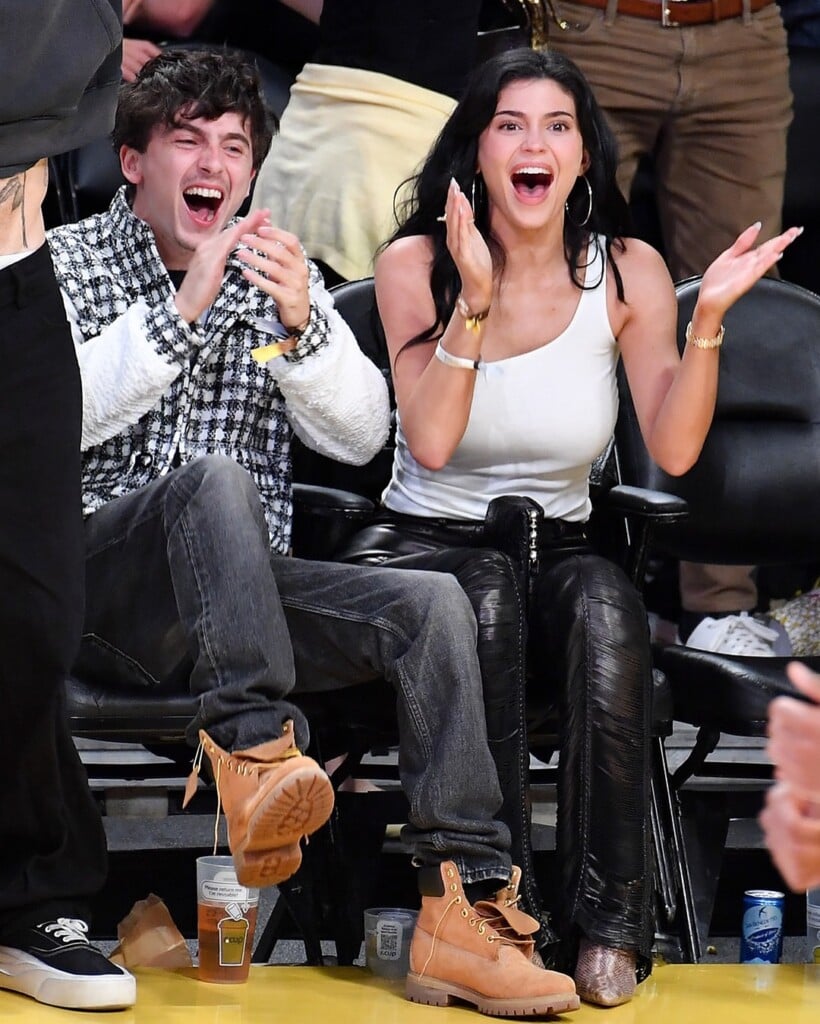
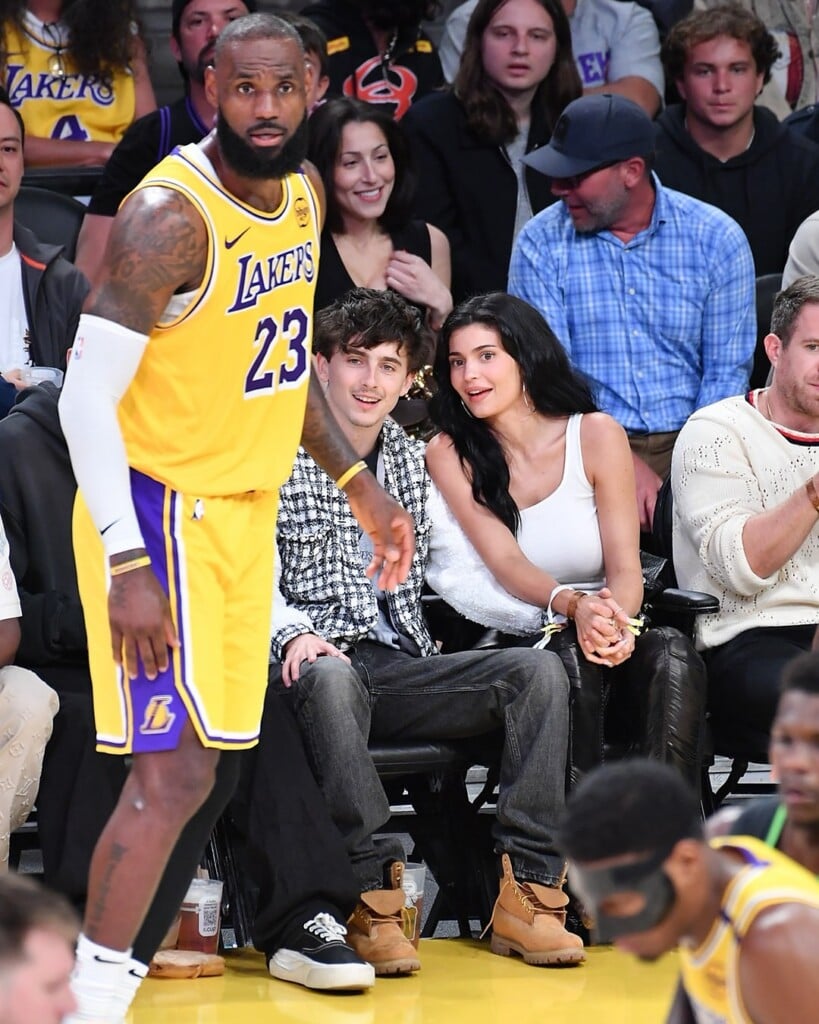
Today, the Timberland Boot is a timeless classic. The iconic boot continues to be worn not only by rappers but also by fashion influencers and streetwear enthusiasts. Artists like A$AP Rocky keep the tradition alive, pairing Timbs with looks that reinterpret ’90s hip-hop style. From construction sites to the streets of New York, from rap albums to runways, the Timberland Boot is a piece of streetwear history. And while trends may come and go, the timeless appeal of these boots remains unchanged.

Read also: The Timberland Boot Designed by Pharrell Williams is Made in Italy