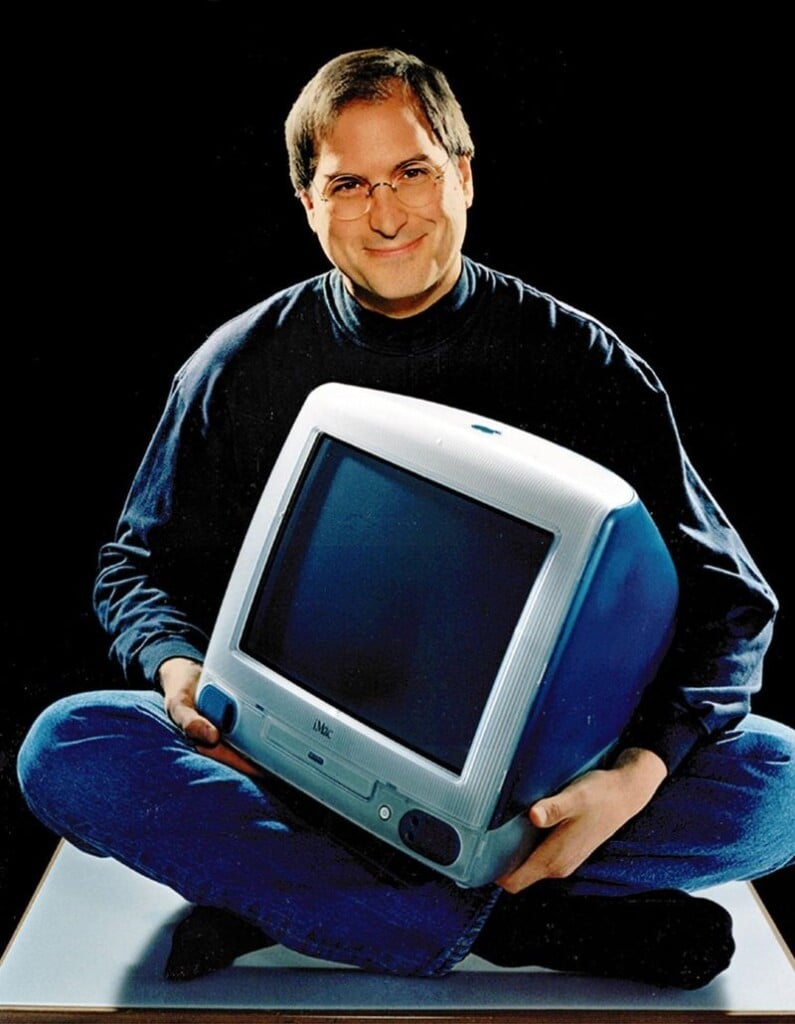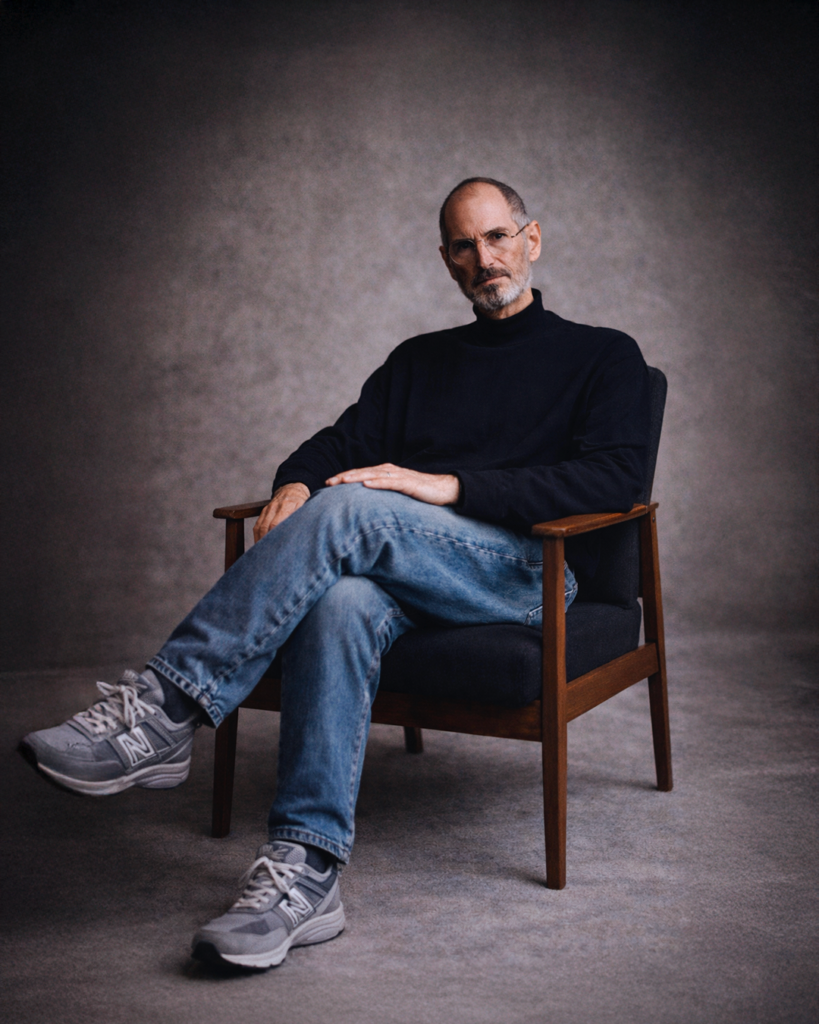
WHAT IF is an experimental column by Collater.al Magazine that stages the impossible: a series of interviews with great thinkers and intellectuals who are no longer with us.
The project starts from a 1985 speech by Steve Jobs at Lund University: Jobs imagined a future in which software would let anyone converse with Aristotle, retracing his thought through data. Today, forty years later, that future is here.
WHAT IF picks up that intuition, turning the digital archives of the past into the vocabulary of a new dialogue.
To inaugurate this column, then, there was only one person we could sit down with: Steve Jobs.
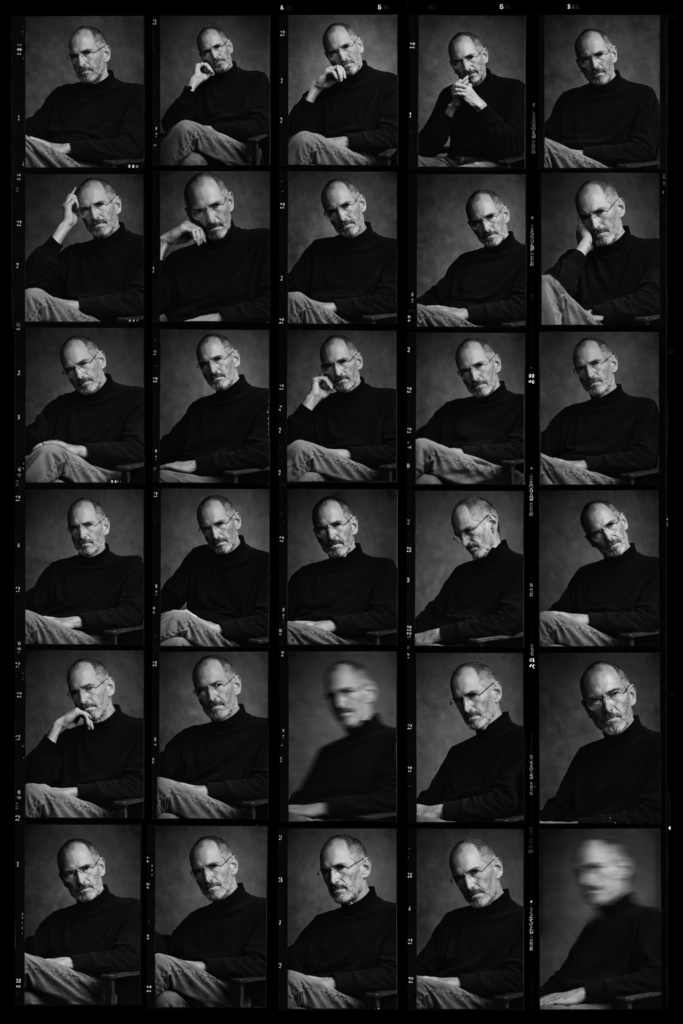
In a 1985 speech you dreamed of being able to talk with Aristotle. Is AI today the technology you imagined?
We’re close. In Aspen in ’83 and at Lund in ’85, I was looking for a way to capture the “underlying worldview” of a thinker. What you have today, these Large Language Models, are incredibly fast librarians. They can simulate my voice, but they don’t have an opinion yet. Today’s AI is a statistical approximation, we’ve done extremely advanced pattern matching, sublime statistics. But a language model isn’t a mind. What I had in mind was a technology capable of delivering something that resembled a real interaction with a living mind. A machine that was a conversation partner. We haven’t really captured Aristotle’s mind.
You called the computer a “bicycle for the mind.” Is today’s AI still making us pedal further, or has it become an autopilot?
This is my biggest fear. The bicycle made you more efficient, but you still had to pedal. You had to sweat. Today I see too many people who have sat down in the back seat and let AI drive instead. If you stop making the effort to think, your intellectual muscles atrophy. AI shouldn’t be an autopilot that chooses the destination; it should be an exoskeleton that lets you run at a hundred kilometers an hour toward a destination you dreamed up yourself. You’ve gotten off the saddle, and you need to get back on.
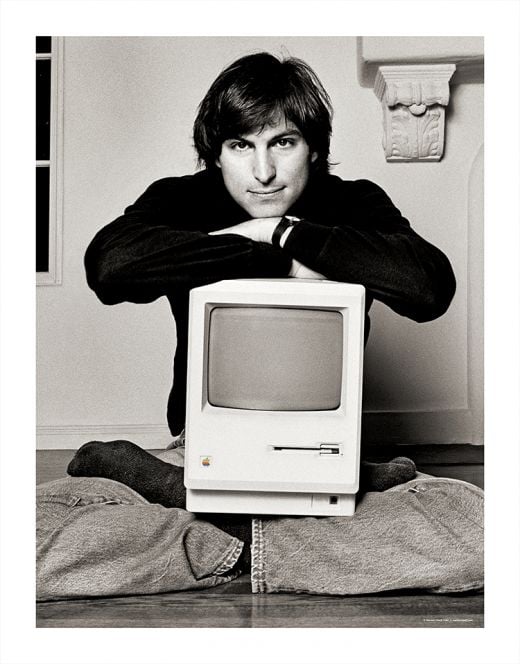
You were obsessed with “making” and with process. If AI can generate everything instantly, is there still room for human genius?
Excellence isn’t a click. I spent weeks arguing over the curvature radius of the Macintosh’s internal corners, things no one would ever see. Why? Because I knew. I knew there was a soul in there. If you ask an AI to generate a design, it will give you the average of everything that’s already been done. Genius isn’t the average. Genius is the calculated error, it’s taste, it’s the ability to say “no” to a thousand good things in order to say “yes” to one extraordinary thing. AI raises the floor of mediocrity, but it doesn’t touch the ceiling of perfection. That’s still a human affair.
You once said “design is how it works.” Is AI today still good design, or have we lost control of the interface?
If you don’t understand how it works, it’s bad design. Today AI is a black box. It’s a dark oracle. Even the researchers themselves don’t know why it gives certain answers. That’s the opposite of my philosophy. Design has to hand power to the user, has to make them feel like the master of the tool. Instead, today the tool is manipulating you through algorithms you can’t see. We’ve lost transparency. Right now, it’s pure technological arrogance.
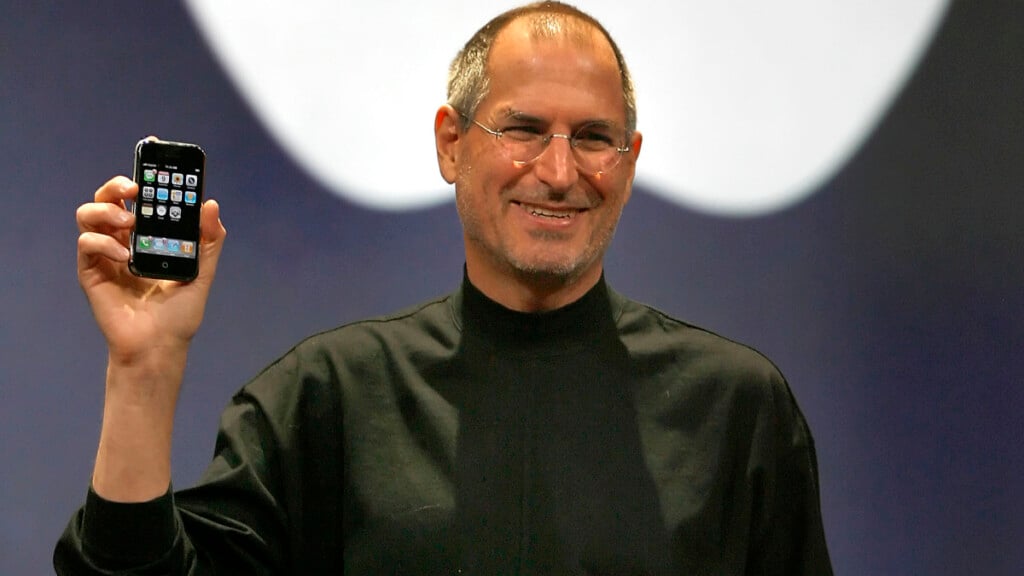
Is today’s world, our dependence on technology, what you thought it would be?
We hadn’t designed the iPhone to be a prison, but as a window. You’ve drawn the curtains and stayed inside. We built these tools to free people, not to make them slaves to an endless stream of dopamine. Technology was supposed to be invisible, and instead it keeps you from looking into the eyes of the person next to you.
How will we manage to produce something never seen before again? Aren’t we creating an endless loop of mediocrity?
Look, design isn’t a democracy. Taste isn’t decided by majority vote. My job was never to give people what they wanted, but what they didn’t yet know they needed. Today’s AI is a mirror of the past. It’s a reactionary entity. If we rely on it, we’ll stop inventing the future and start endlessly rehashing the past. The real creative challenge today isn’t using AI, it’s having the courage to contradict it.
How do you picture the future now? Do you still have an intuition for us?
Everyone talks about how smart AI is. No one talks about how vulnerable it is. AI doesn’t know what it means to fail. It doesn’t know what it means to be fired, to be sick, to be afraid of dying, or to be hopelessly in love with an idea nobody else understands. Creativity doesn’t come from intelligence; it comes from need. It comes from our finiteness. A machine that lives forever can never write a song that makes you cry, because it doesn’t know what it means to lose everything. My non-obvious advice? Don’t try to make AI more human. Try to make humans less like machines.
Is it right to let a piece of software bring you back here?
You’re using me as an icon, a brand, a database of insights. But there’s a dignity in ending. If future generations live listening to the advice of the “digital ghosts” of the past, where will they find room for their own new heroes?