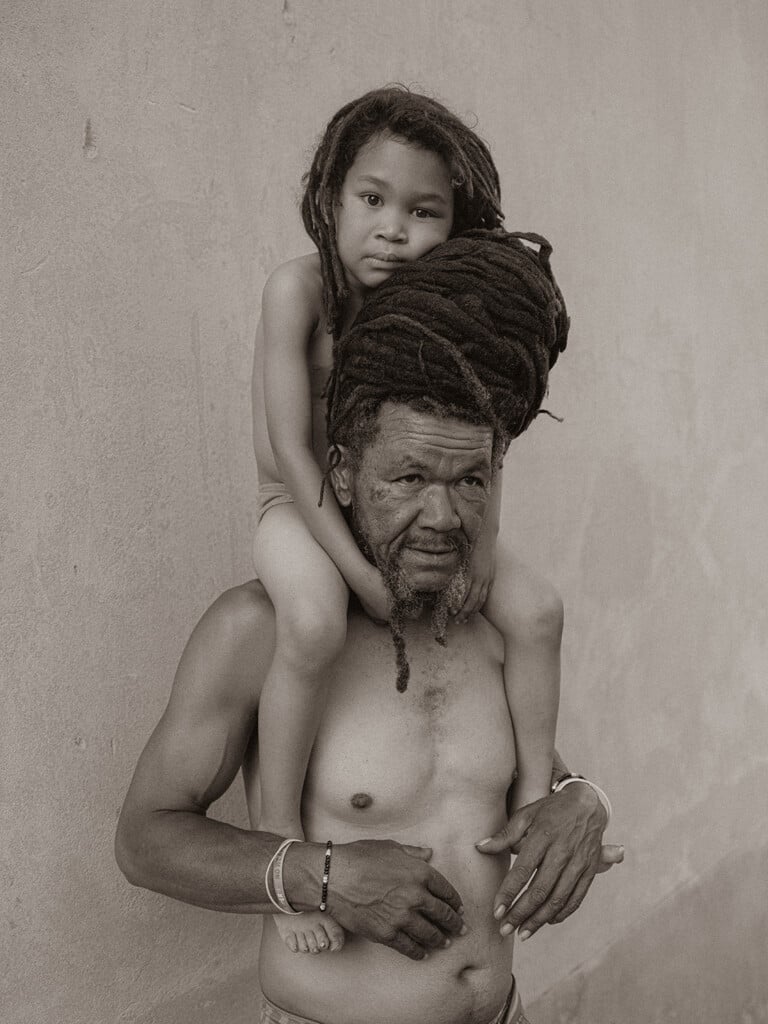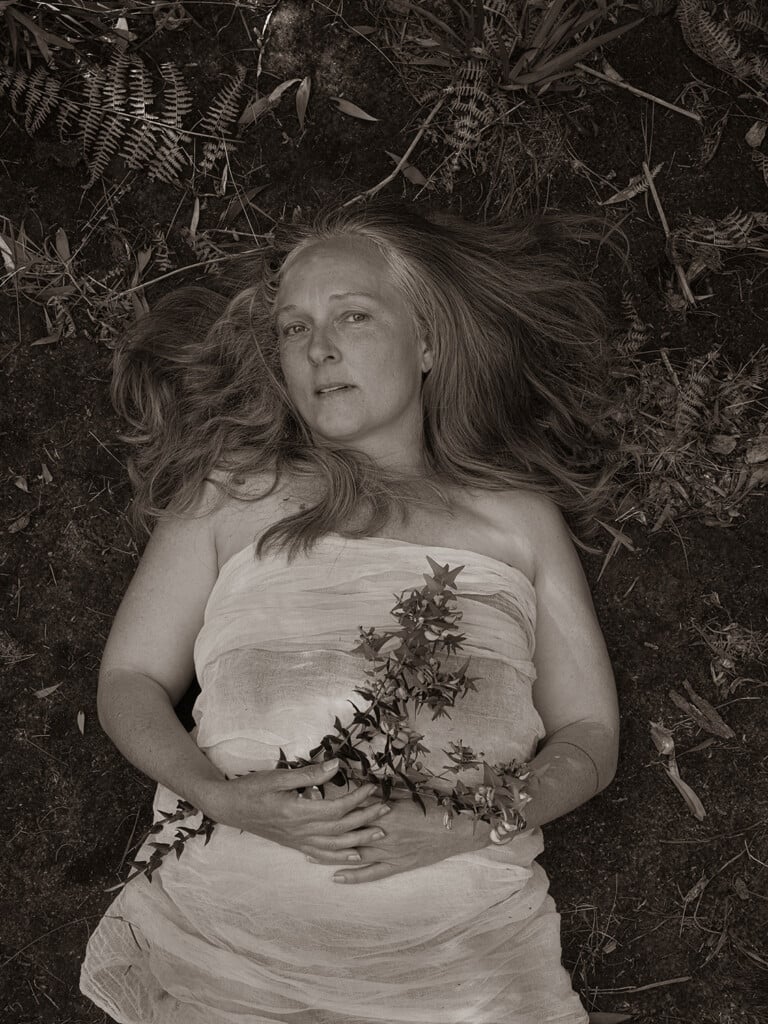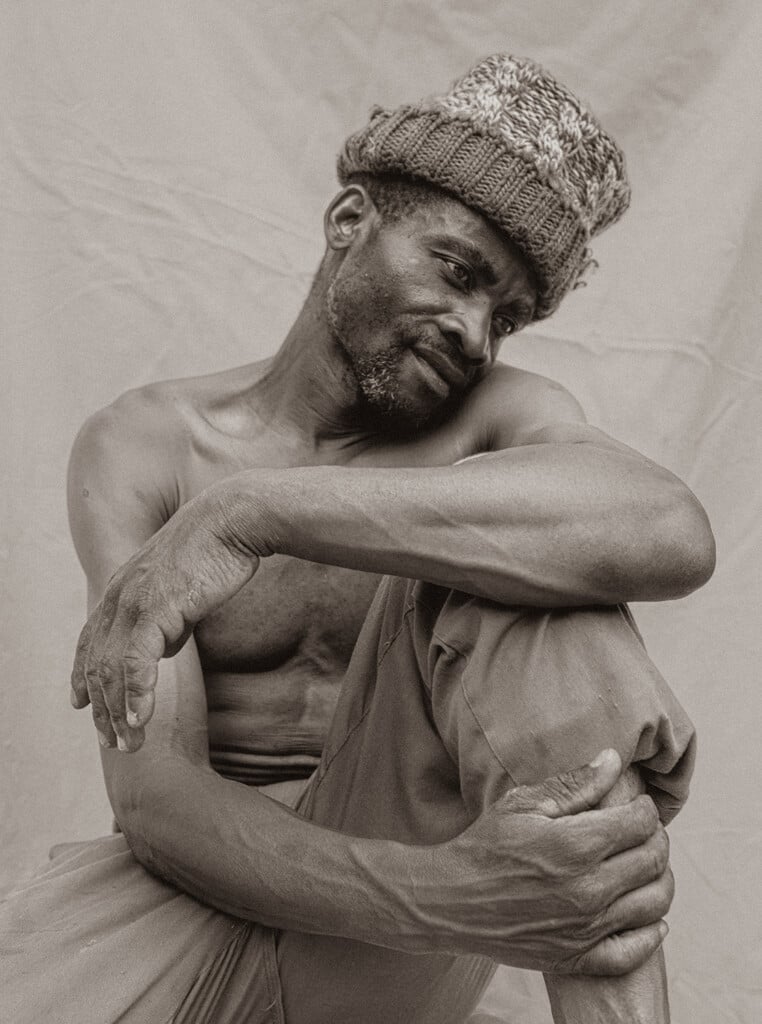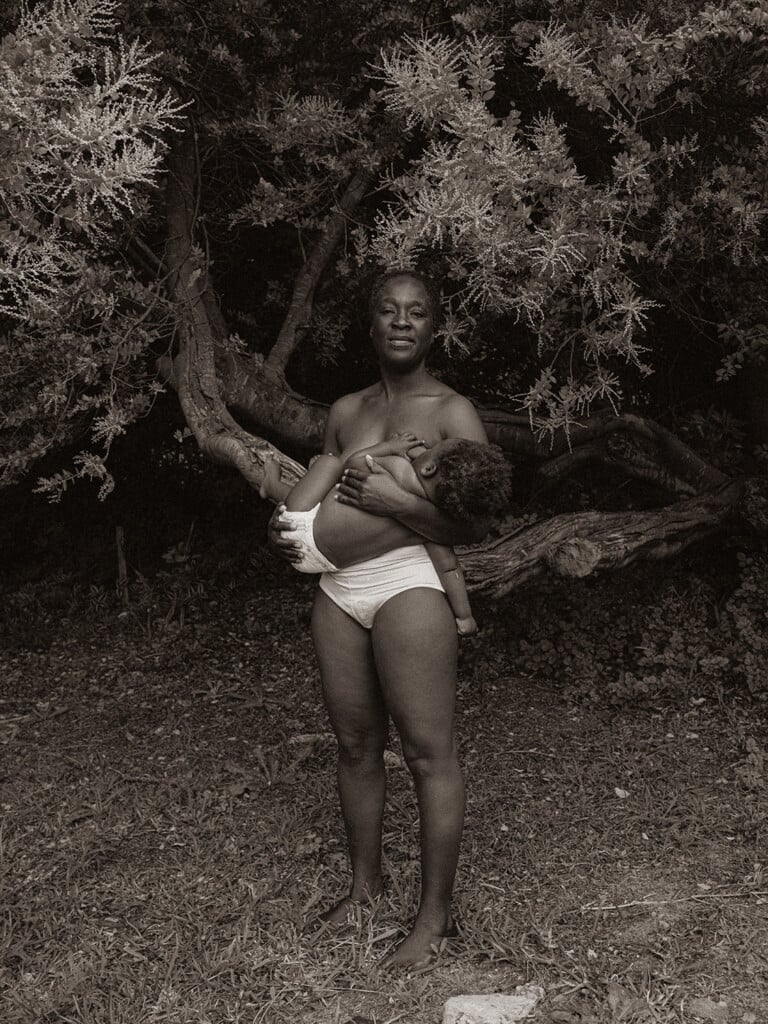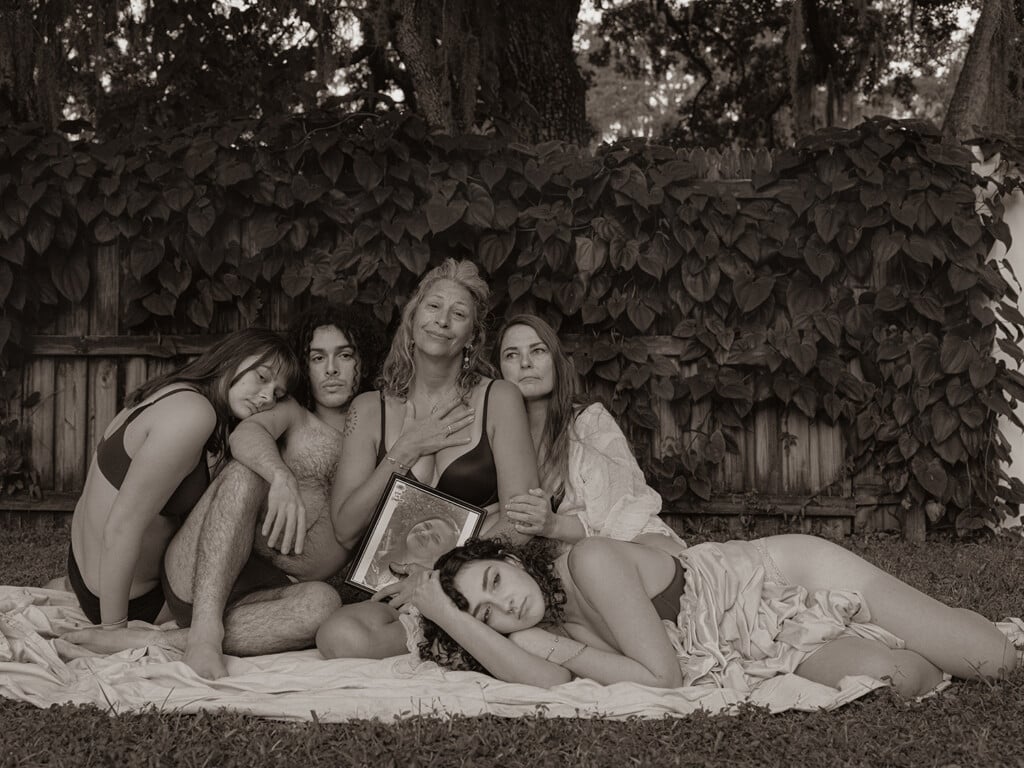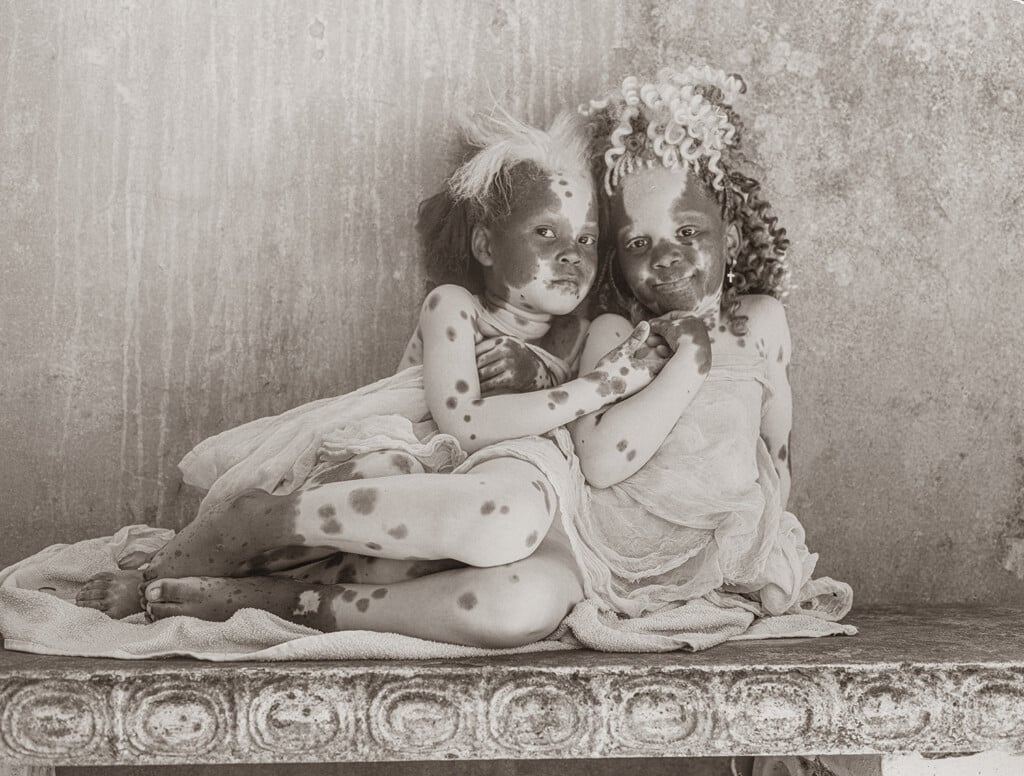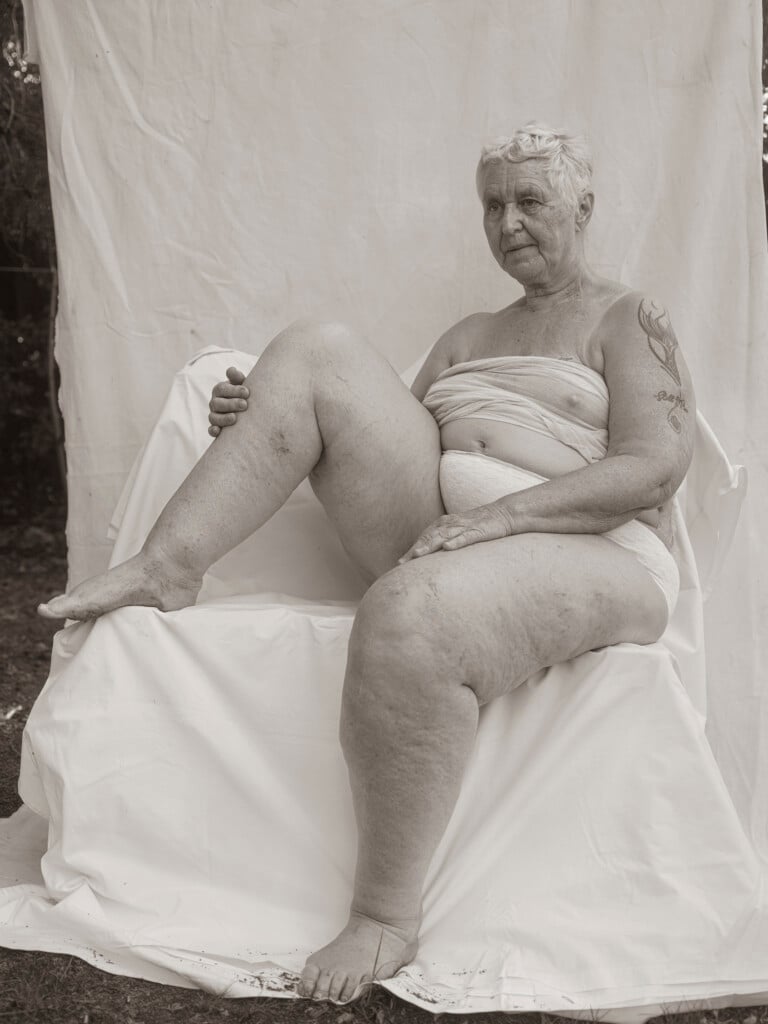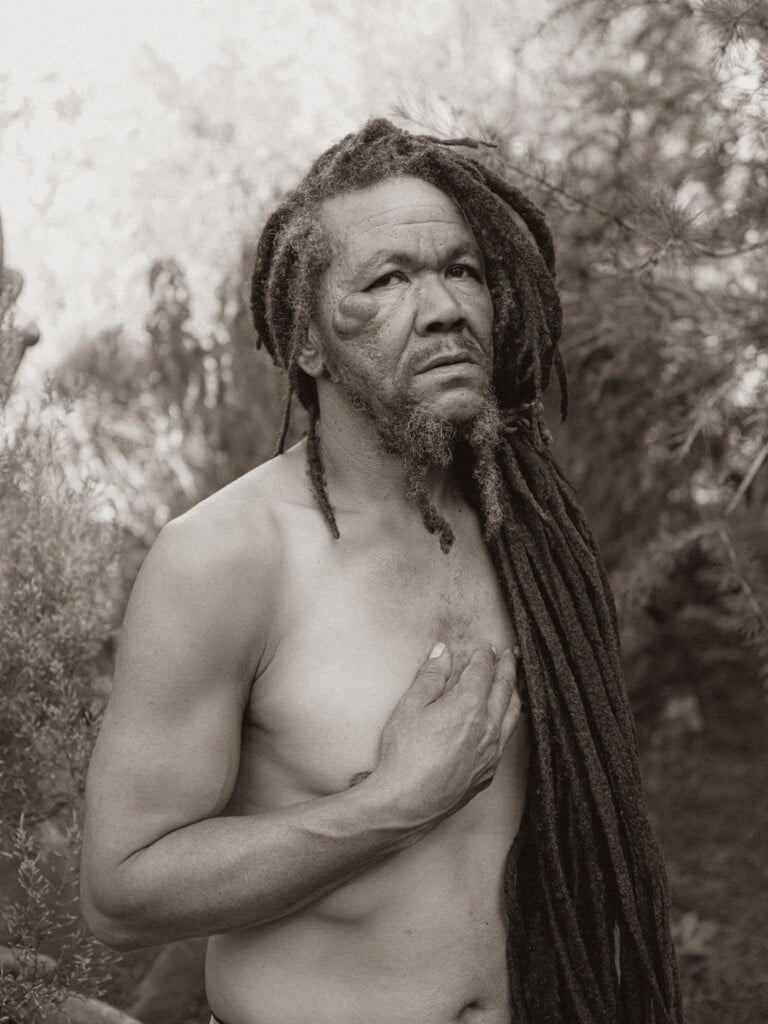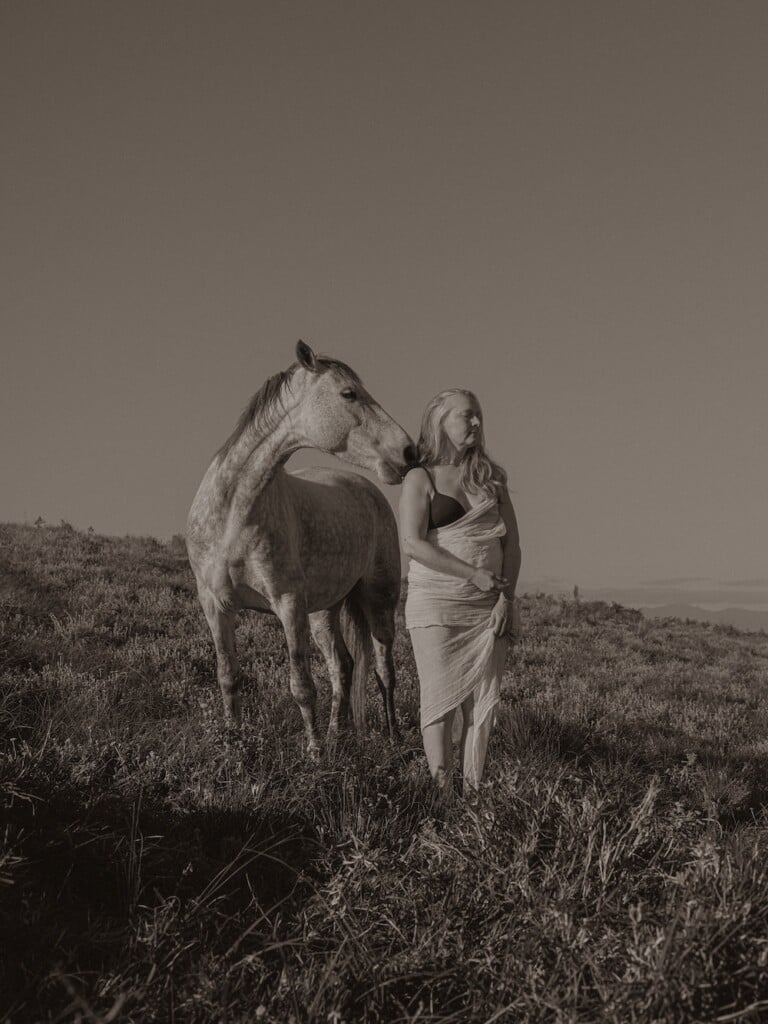
Angelika Kollin is an Estonian photographer, self-taught, who has spent years working around a single question: what remains of people when life tests them to the limit. Her latest long-term project is called Mary’s Children, a series of portraits gathering the stories of people who, against all odds, refused to be defined by their own suffering.
Kollin, born in 1976, spent eight years living in Africa, between Ghana, Namibia and South Africa, and it was in South Africa that the idea for the project was born. She was photographing Mary, a mother abandoned by her husband and left to raise two children alone in a far from easy context. Illiterate, Mary had nonetheless managed to start a small business reselling secondhand clothes to keep her family afloat. It was while listening to her story, in the very moment she took the portrait, that Kollin realized she had found the heart of a new project, even though at the time she had no idea who else she would go on to photograph.
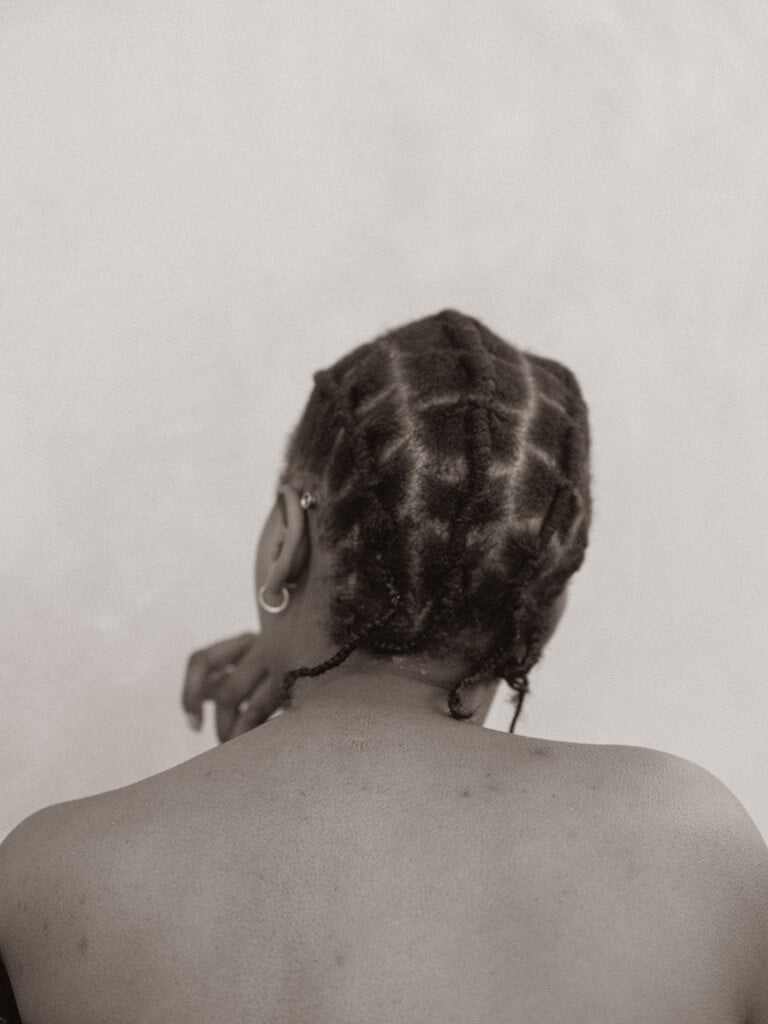
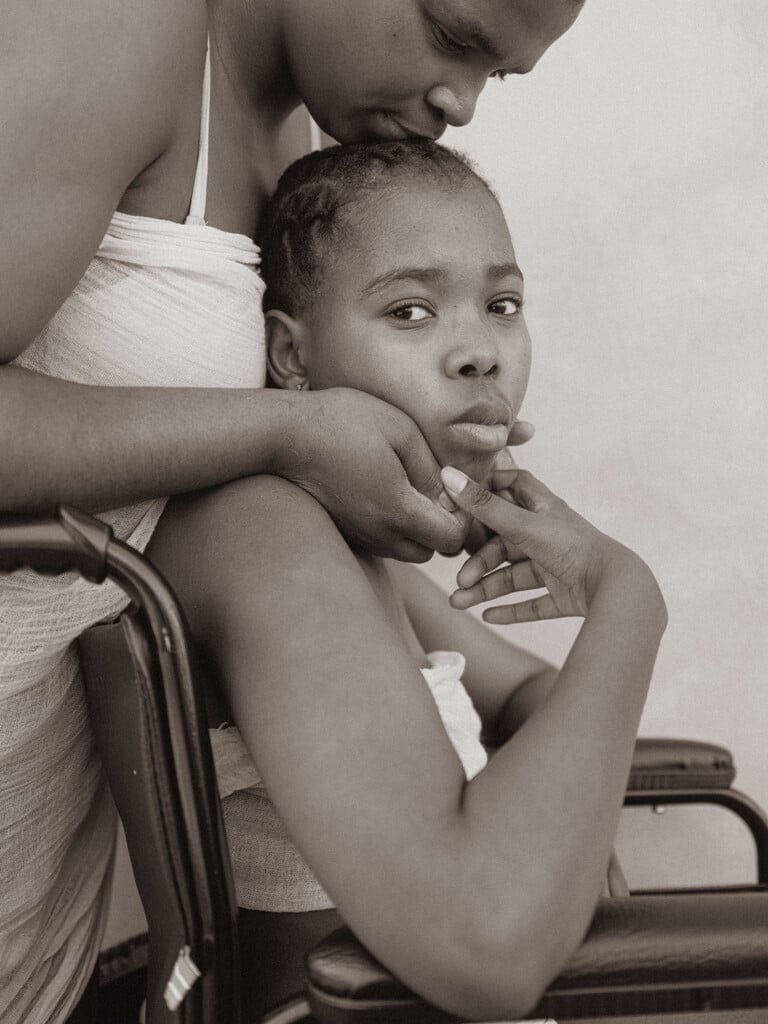
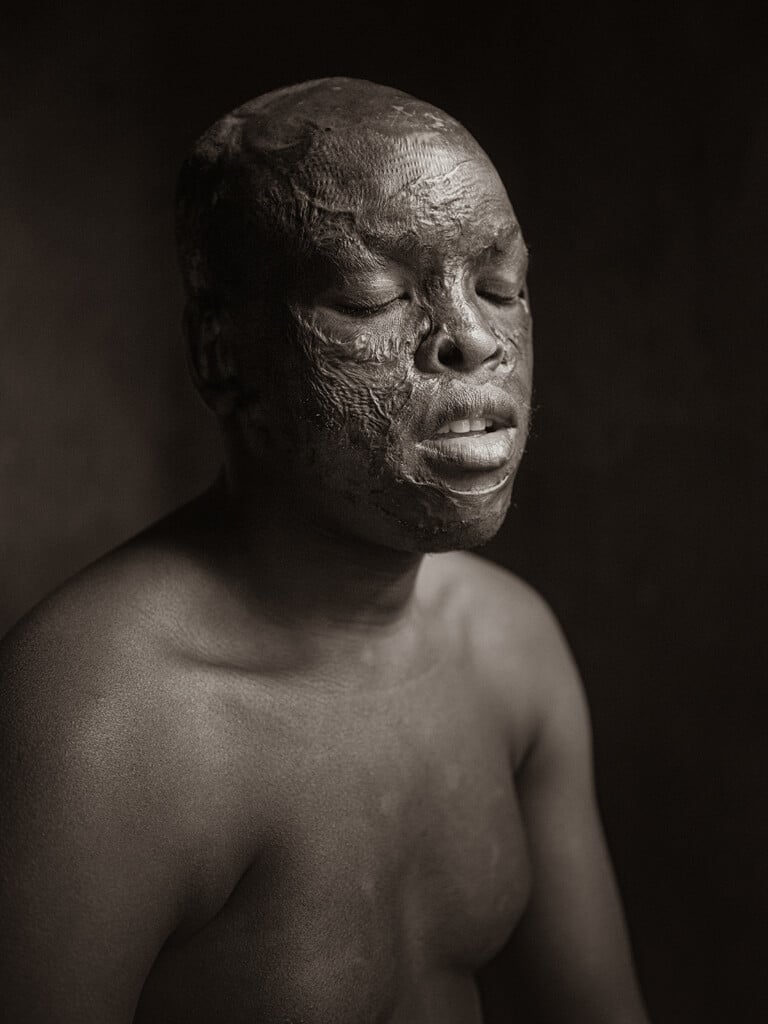
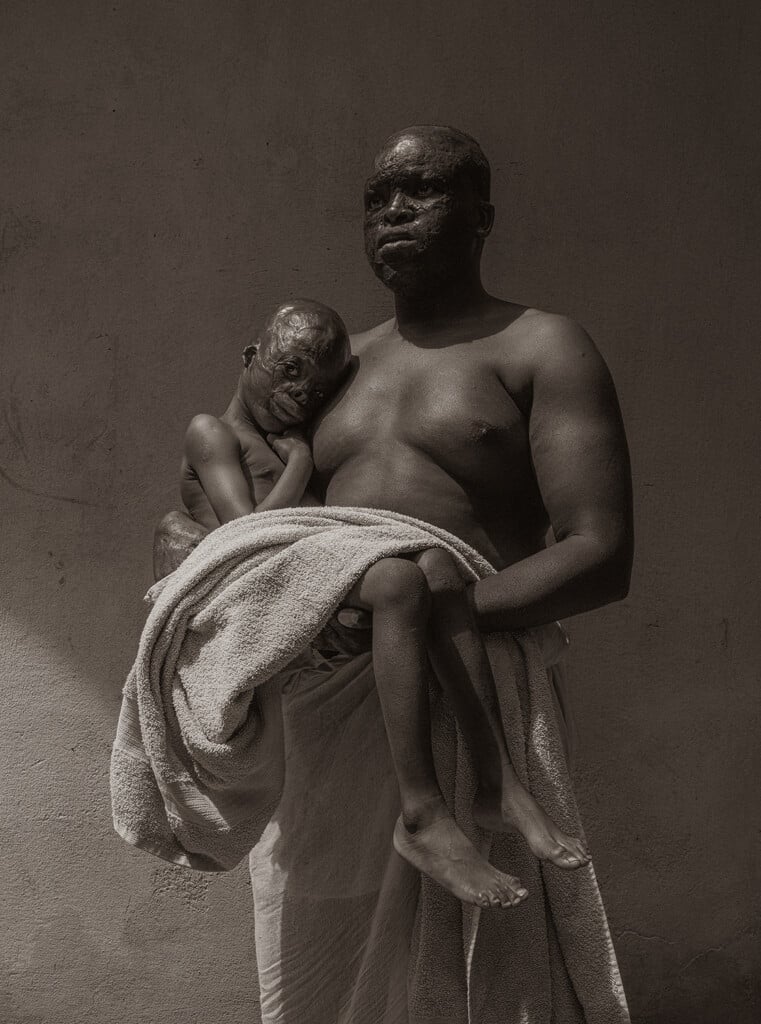
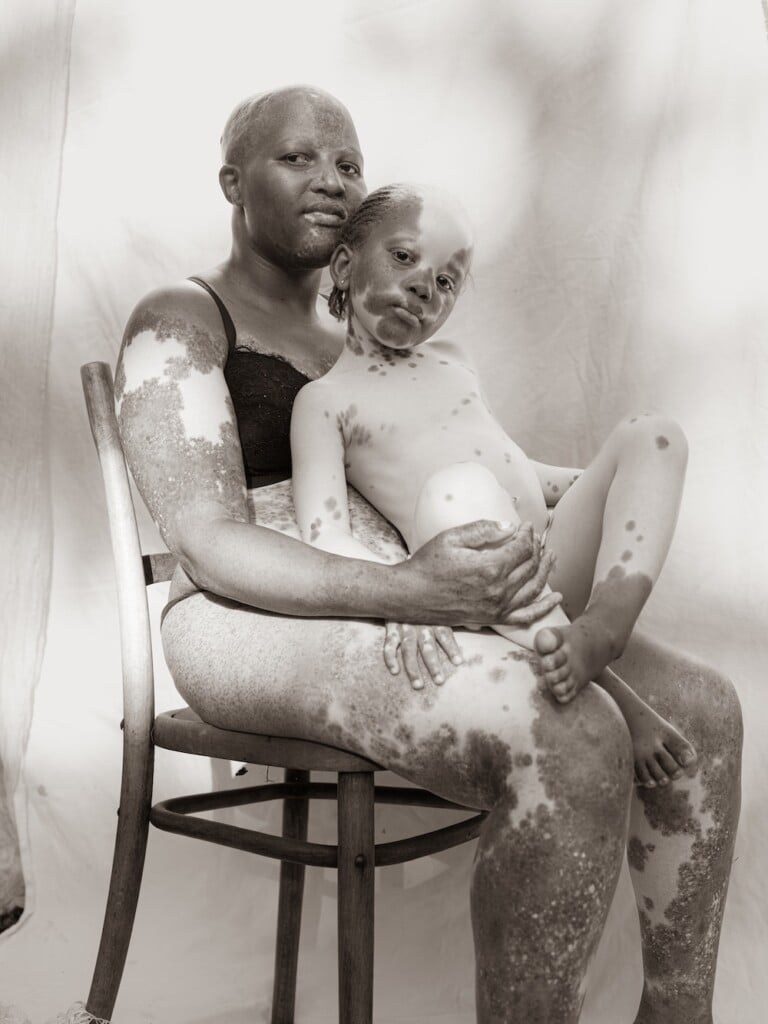
From there the work grew organically, always intuitively, with no fixed plan: people find Angelika Kollin on their own, writing to her because they want their story told and captured in an image. Among the subjects of the project is Zikhona, who took in her nephew Paru without hesitation, his tiny body scarred by a fire at just two months old, along with his older sister, after the children’s mother was killed in an act of domestic violence. Then there’s Lethu, whose face and hands were burned in a fire at six months old, and who at nineteen has had to build his own path toward self-acceptance.
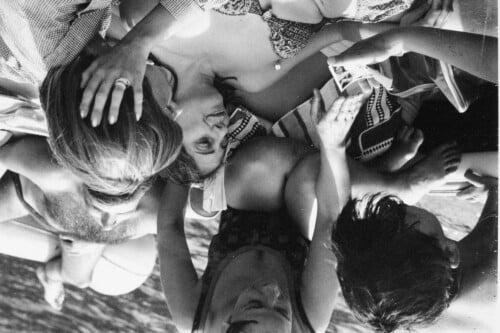
The title of the project is no accident. For Kollin, it’s a way of saying that we all come from the same origin, that inside each of us lies something deeper, connected to something greater, whatever name one gives it. It’s a conviction born of a lifelong personal path, shaped by the study of different spiritual traditions and by a question the photographer has carried with her for as long as she can remember: why is there so much suffering in human experience, and what allows people to move through it without being crushed by it.
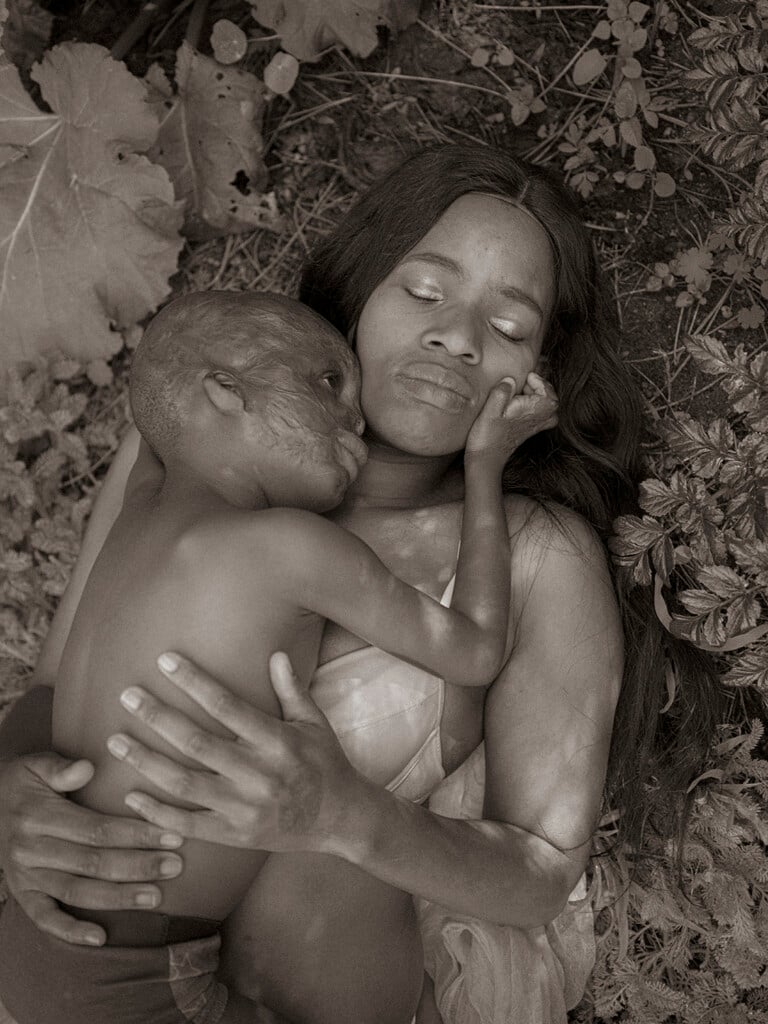
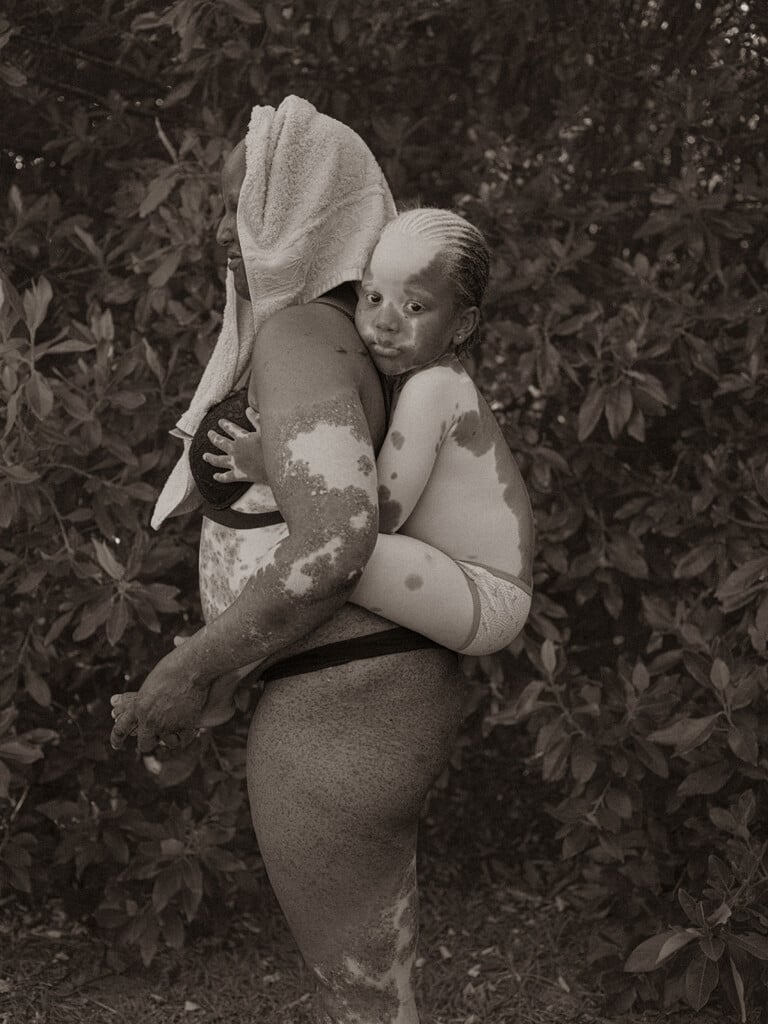
Mary’s Children grows directly out of that question. Every portrait documents a form of strength built inside hardship, not despite it. Kollin believes it’s precisely the toughest trials that turn certain people into quiet points of reference for those around them, even as they remain on the margins of any public narrative. In an age that keeps rewarding fame and wealth, the project deliberately turns its gaze elsewhere, toward those who live outside the spotlight yet hold a strength, a compassion and a dignity that rarely find space in mainstream storytelling.
These are not stories of defeat, but of endurance: people who have chosen, day after day, not to be reduced to their suffering or their difference. And Kollin’s aim, through these images, is to bring the viewer back to a simpler, more uncomfortable question: what does it really mean to live a meaningful life, one built not out of grand gestures but out of small, daily acts of honesty and kindness toward others.