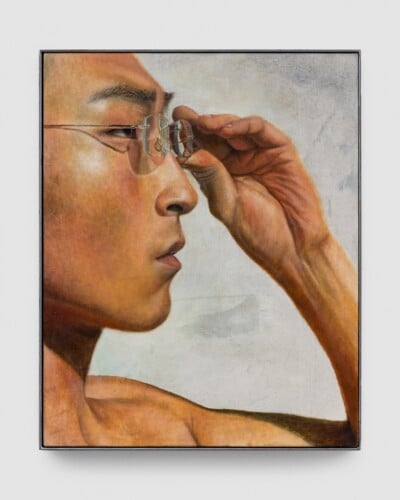
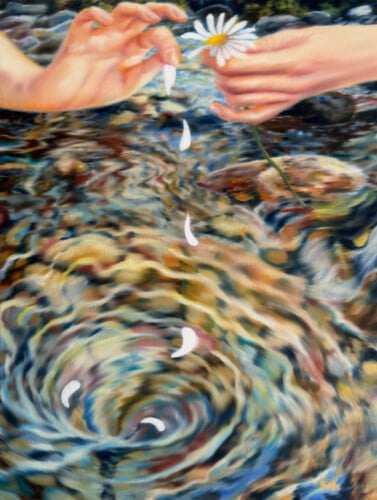
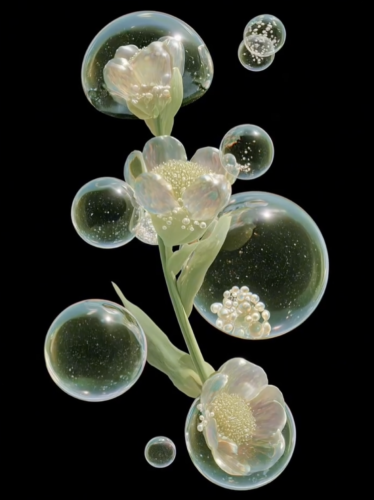
Saying that something is beautiful seems natural. We look at a face, a painting, a house, a landscape, a photograph and we say: “it’s beautiful.” We often don’t frame it as a personal impression, but as though it were a fact.
And yet beauty is not a truly quantifiable parameter, or at least, it doesn’t work like weight, height, or temperature. We can measure the symmetry of a face, the proportion of a building, the contrast of an image, the brightness of a colour — yet none of these elements alone is enough to explain why something strikes me as beautiful.
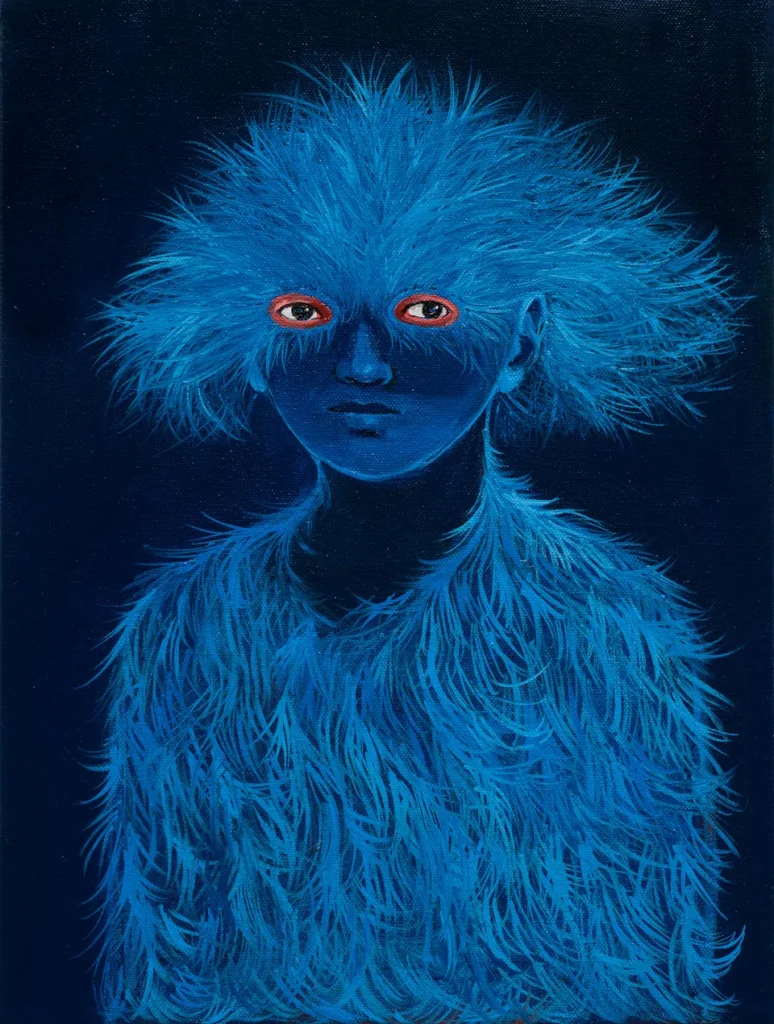
This is where neuroaesthetics comes in to help us find an answer to such a complex question. Neuroaesthetics helps us understand why the aesthetic experience is far more complex than a simple visual judgement — beautiful or not beautiful. When something strikes us, we are not merely seeing: we are interpreting, remembering, comparing, and desiring. This is because the aesthetic experience involves not only the visual areas of the brain, but also its reward circuits — the very same ones linked to pleasure and motivation.
The brain does not record the world like a camera: it de-constructs it, filters it, and reassembles it, integrating visual information with expectations, memories, and meanings. In practice, we don’t only see what is actually there — we see what our perceptual system is able to construct.
This is why two people can stand before the same work and have completely different reactions. One may be moved, the other bored. One may see harmony, the other rigidity. Not because one is right and the other wrong, but because no one ever looks from a zero point. We always look from within a biography: what is familiar, meaningful, or emotionally relevant to us is processed more easily by the brain and therefore has a greater chance of being perceived as “beautiful.” This all happens through a mechanism called processing fluency, or elaboration fluency — the easier something is for the brain to process, the more pleasant it is perceived to be. Not because it is “objectively” so, but because the brain expends less effort in processing it.
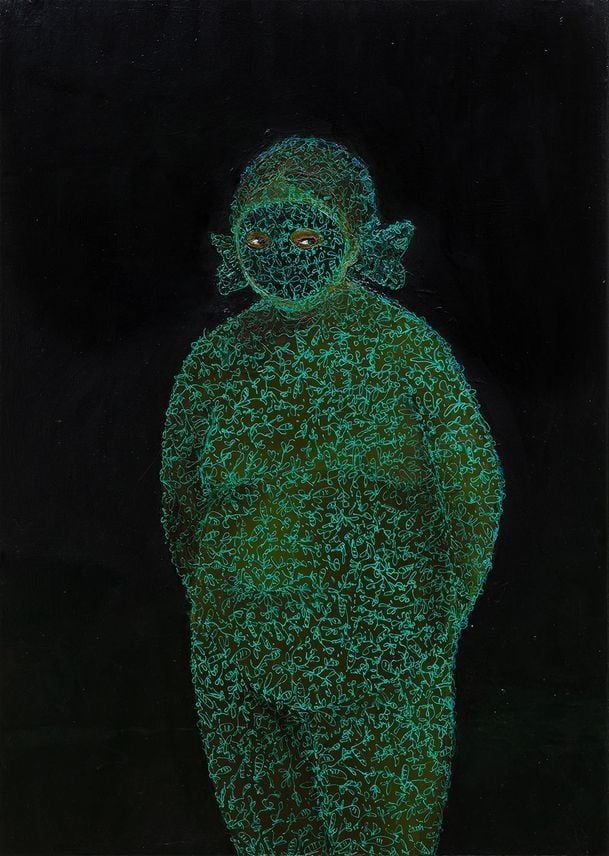
Our taste is shaped by education, visual culture, the images we have been exposed to, social context, historical period, desire, and even the emotional state we happen to be in. What seems elegant to one generation may seem dated to another. What one culture finds harmonious, another may find unsettling. This does not mean that everything is arbitrary. Certain characteristics can have recurring effects on perception — symmetry, proportion, or familiarity — not because they are inherently beautiful in an absolute sense, but because our brain processes them more easily, reducing the cognitive effort required and increasing the sense of pleasure: symmetry, rhythm, contrast, proportion, familiarity, surprise. But they do not automatically produce beauty. They are possibilities, not guarantees.
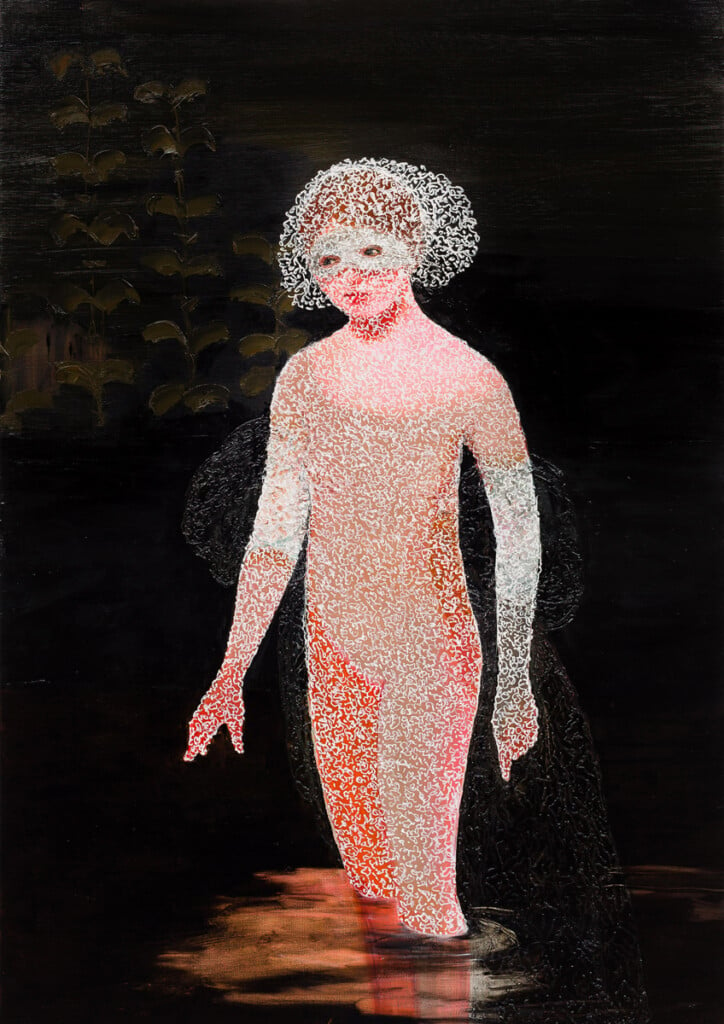

Beauty, then, is not a verdict. It is a relationship between biology and culture, between perception and memory, between what we look at and who we are while we look at it. Perhaps the real question is: why do I find something beautiful? Who has educated my gaze?
Objective beauty does not exist because there is no such thing as a neutral gaze. There are bodies that perceive, brains that interpret, cultures that train, powers that impose canons, and images that, every now and then, manage to disobey all of this.
Article produced in collaboration with Dr. Marta Frigerio, Psychologist, Psychotherapist, and Specialist in Neuropsychology.