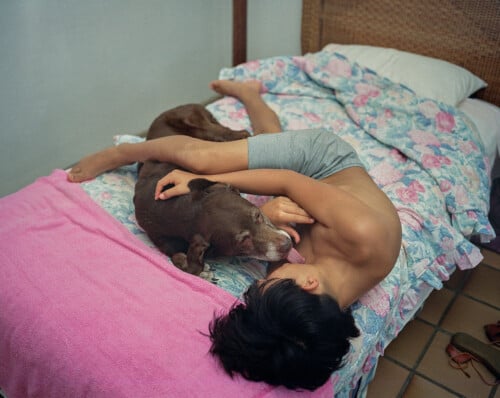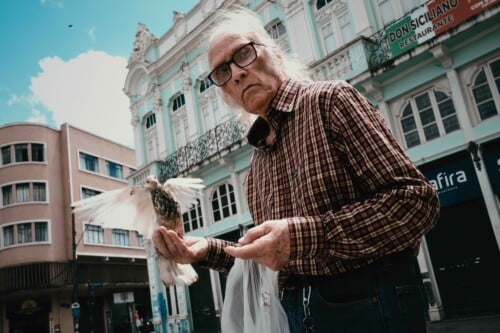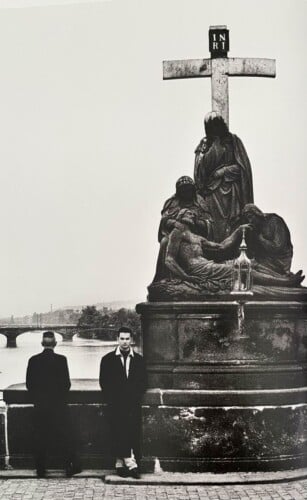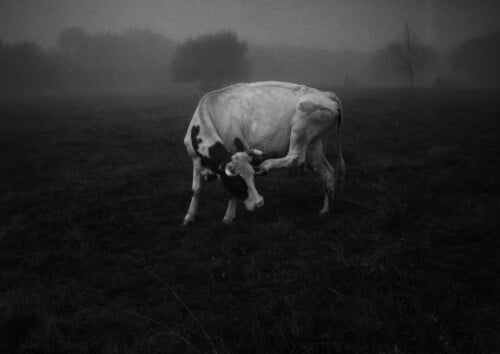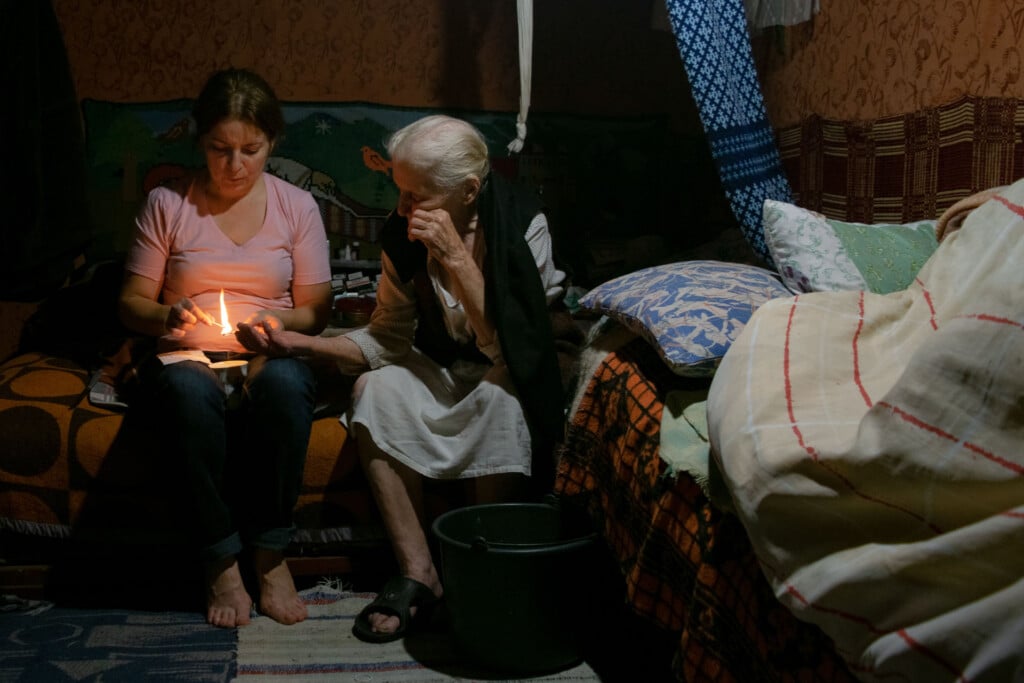
I was made to die but I’m here to stay with you is a project by photographer Alexandra Corcode, rooted in the stubbornness of those who remain when everything else leaves, and in love as the last possible infrastructure.
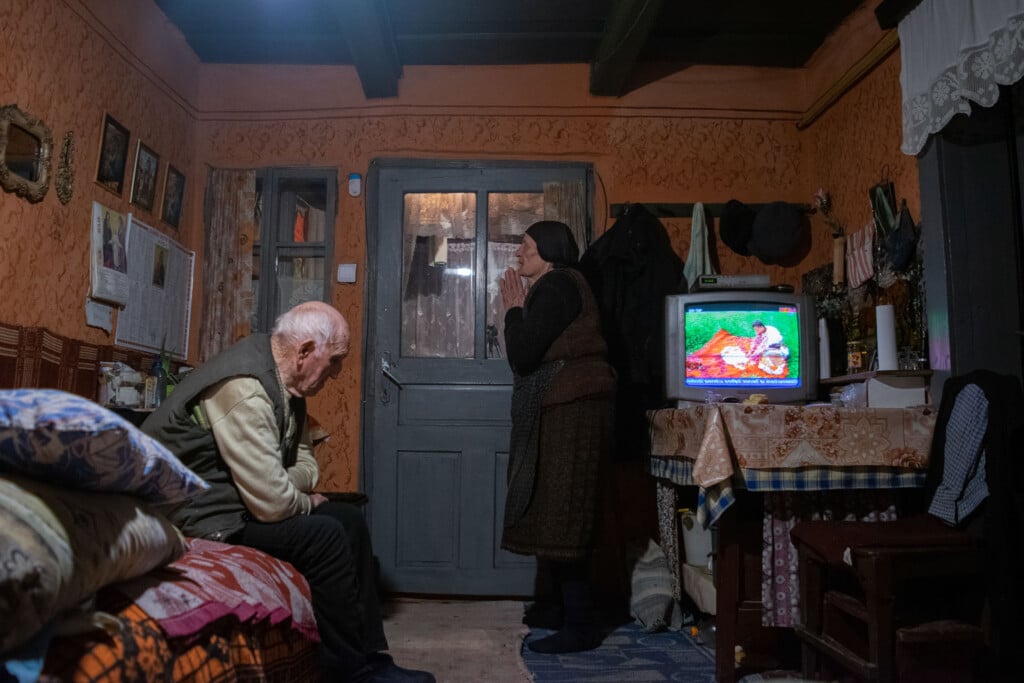
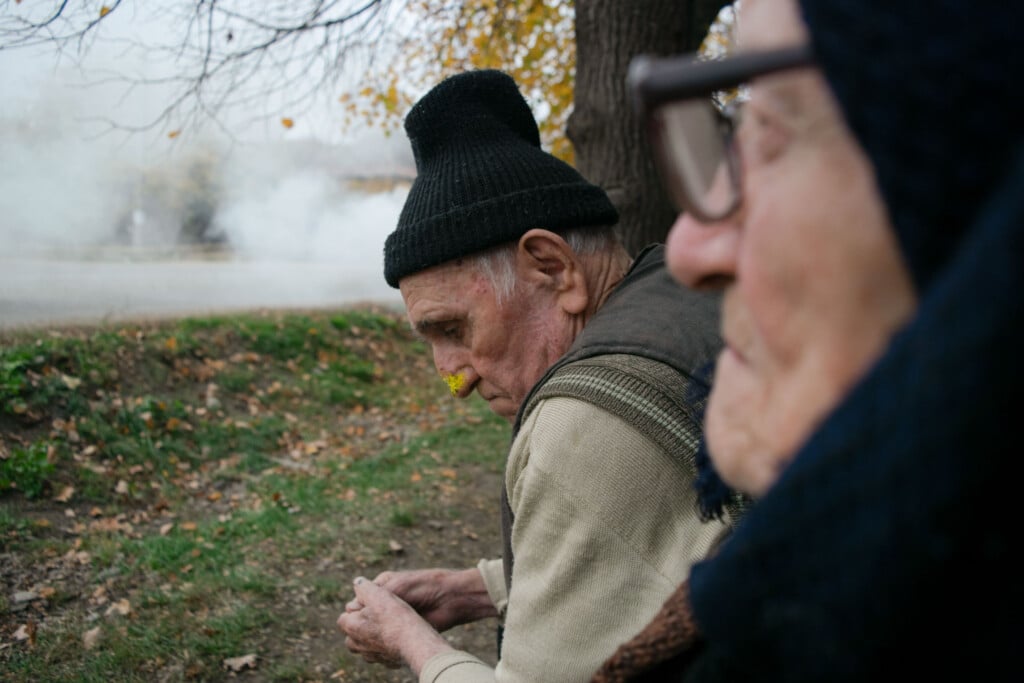
At the beginning of this project, Victor is 95 and Susana is 92. They have been married for more than seventy years and live alone in Sângeorzul Nou, a village in northern Romania. After the death of their only child in 1993, and as relatives and friends inevitably thinned out, their life turned into a closed system: just the two of them. Not a romantic narrative, but a practical, everyday balance made of mutual dependence and care—small gestures that hold the days together.
Victor has been blind for several years. Then, in 2019, an attempted robbery escalates into a sexual assault against Susana. The physical wounds heal in a few weeks, but the psychological trauma remains and changes everything: the house, distances, the night. In a place that already feels emptied out—where loneliness isn’t an idea but a fact—vulnerability becomes the centre of it all. It’s at this point that Corcode’s work stops being only an “intimate” story and opens onto something larger, more structural.
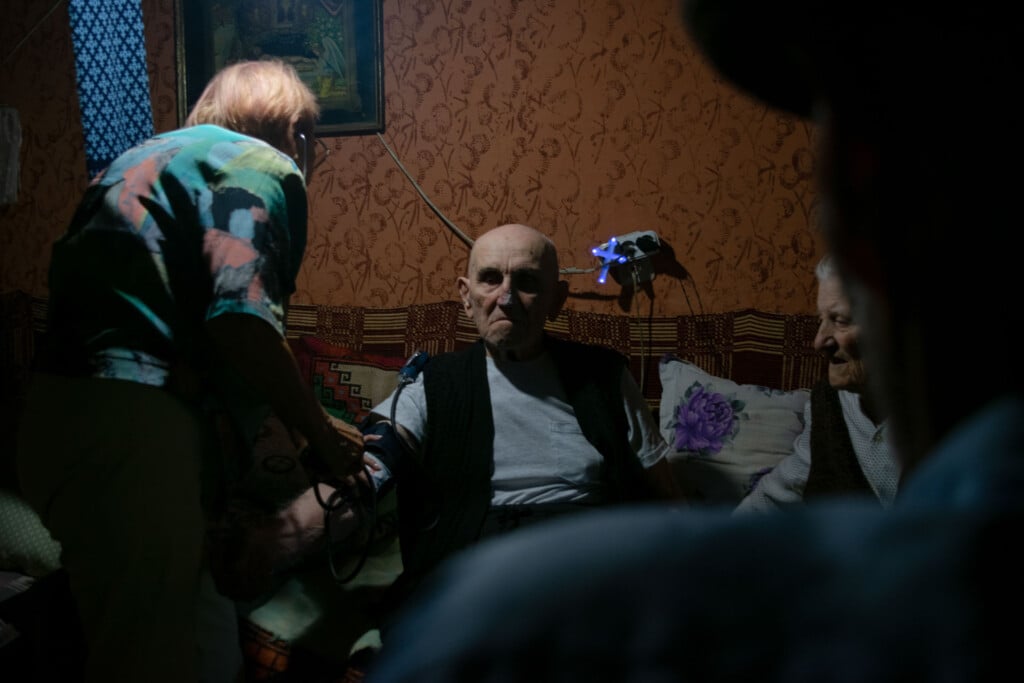
Two months later, Victor is hospitalised with liver cirrhosis and dies on 8 October 2019. From there, the project takes on a different weight: no longer just the chronicle of a couple holding each other up, but the shape absence takes when it stays on you like a second skin. For Susana, the days that remain become apprehension—an edge-filled future, made of memories that offer no respite.
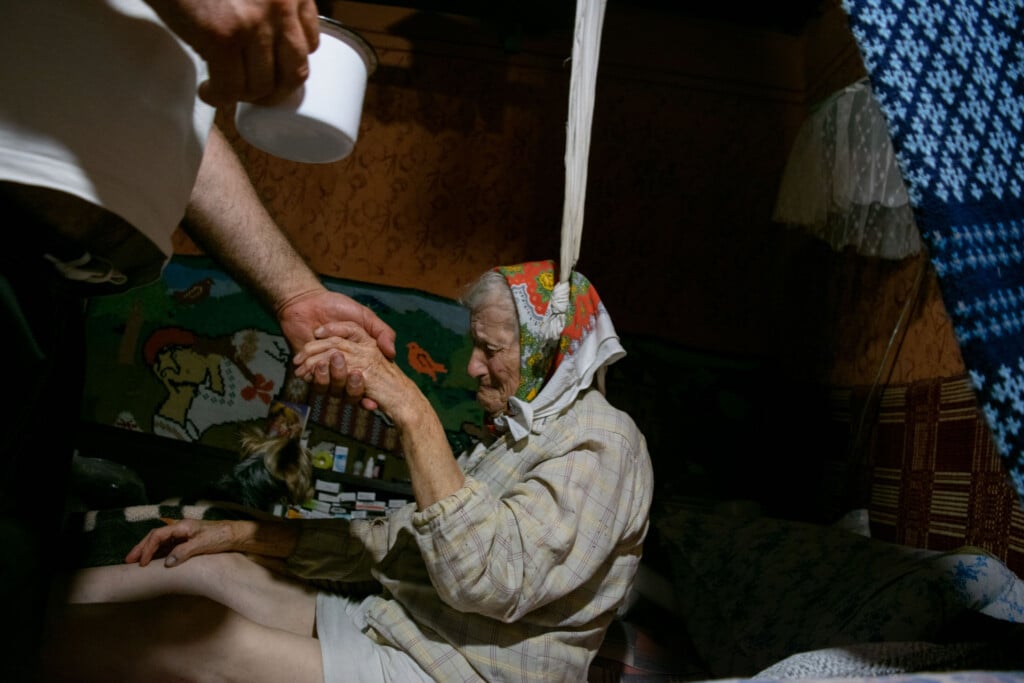
And yet Corcode doesn’t isolate Victor and Susana inside a sentimental bubble. Their story intersects with a collective rupture: after the 1989 revolution, millions of people left Romania, often leaving behind elderly parents and relatives in towns and villages where modernity arrives in intermittent flashes. Limited access to resources, the absence of solid networks, precarity becoming normal—none of this is mere background. It enters the story as a force that shapes bodies and choices, exposing most those who have the fewest tools to defend themselves.
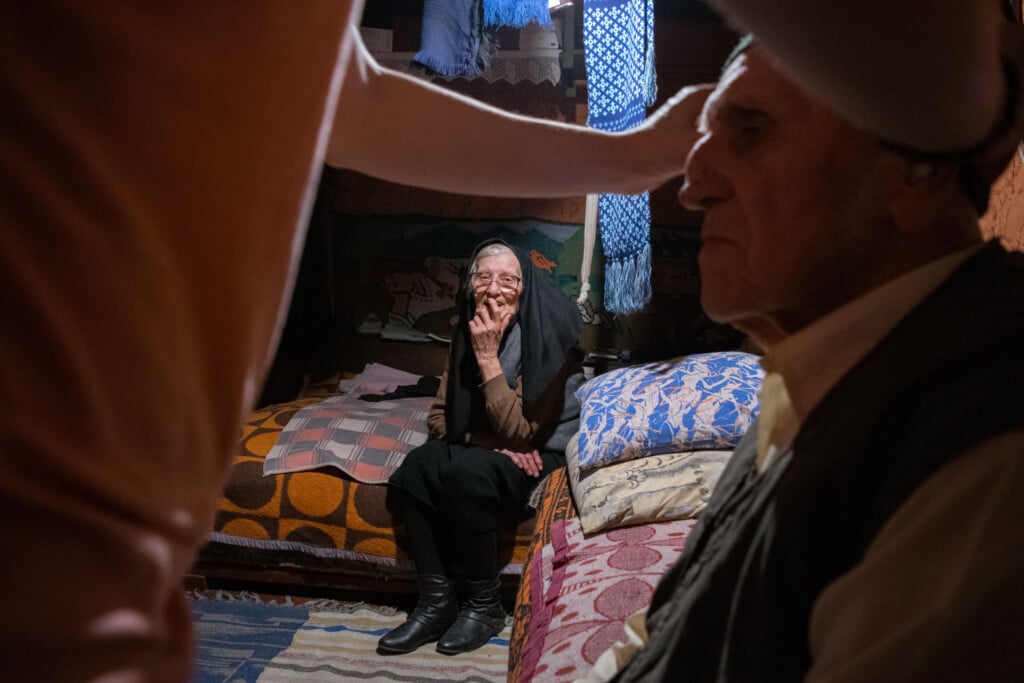
The title, I was made to die but I’m here to stay with you, sounds like something said under the breath: a promise with nothing heroic about it—and precisely for that reason, devastating. It doesn’t deny the ending, it doesn’t soften it. It accepts fragility as a condition and, in the same breath, claims the bond as a decision. In Corcode’s work, love isn’t an aesthetic refuge: it’s a material fact, the way two people move through trauma and loss when the world around them has already been emptied out for a long time.
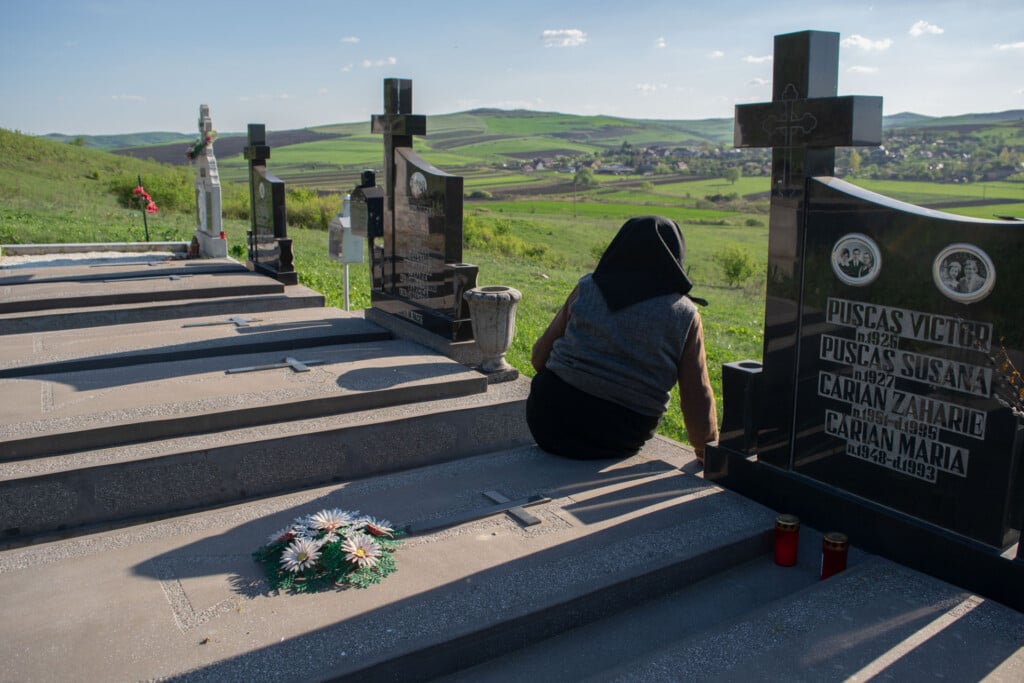
Maybe this is where the project hits hardest: in showing that certain stories don’t have to be “exceptional” to become necessary. Victor and Susana aren’t a rare case, and it’s exactly this normality that makes everything more urgent. It’s a story of mutual support, fragile dignity, lives that resist the idea of being destined to fade out in silence.