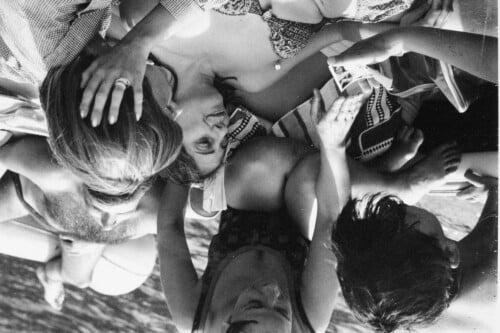
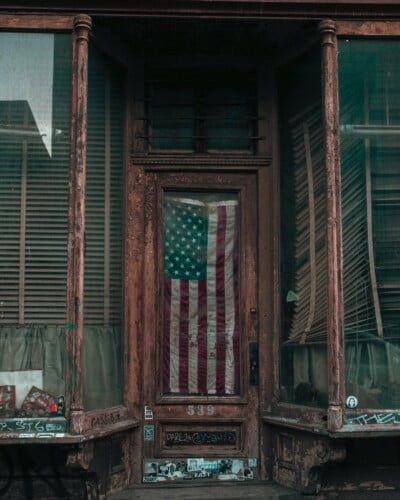
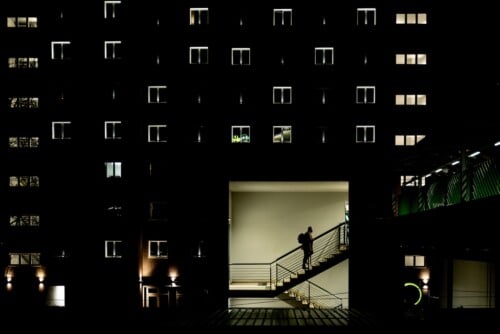
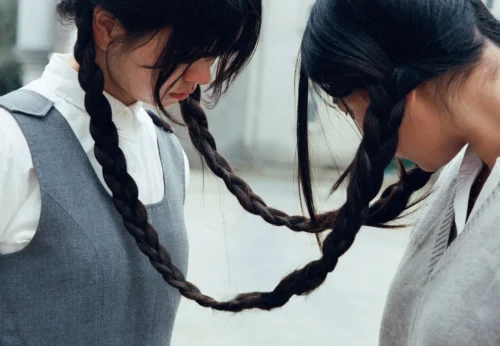
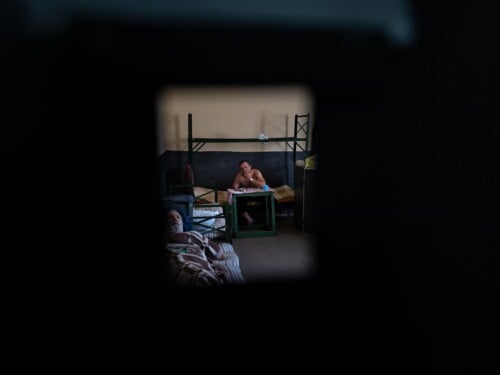
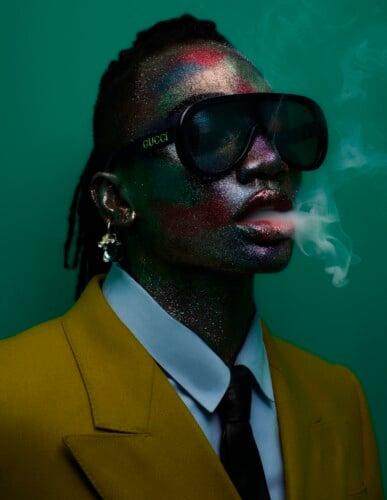
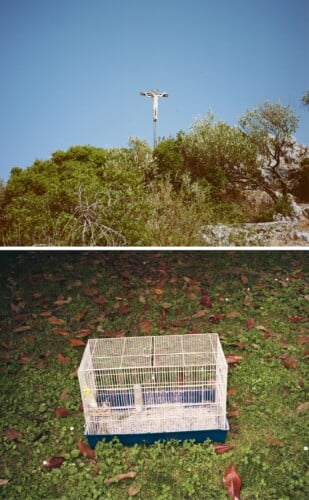
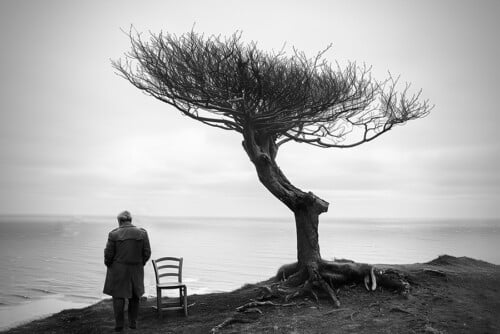
There are no filters, concessions, or comforting aesthetics in Inferno & Paradiso, a photographic project that later became a book. It clashes with reality, challenges it, and exposes it—without mediation. Curated by Alfredo Jaar, Inferno & Paradiso is an open wound, a collective meditation on the abyss and on the always fragile possibility of light.

Presented at Cortona On The Move and later at the Musée de l’Élysée in Lausanne, the project involves twenty photojournalists asked to perform a specific act: select two images from their archives. One to represent hell — the most harrowing scene, the one that haunts their dreams. And one for paradise — a moment when, despite everything, joy managed to break through. The two images are projected in an immersive installation that transforms the space into an existential journey, a kind of contemporary Divine Comedy where photography reveals something deeply meaningful.

But Inferno & Paradiso doesn’t come from an abstract idea. In the book, Jaar recounts his arrival in Rwanda in 1994, a few months after the genocide began. The images of what he saw — bodies, silence, objects scattered among bones — have never left him. It is from that absence of meaning, from that shame of being human, that the need arose for a project capable of confronting pain without turning it into spectacle.

Inferno & Paradiso is also a denunciation of passivity. Jaar spares no one: his words on the ongoing genocide in Gaza are sharp—a statement of accusation against political hypocrisy and the erosion of human rights. But there is no rhetoric, only a visceral urgency: we can no longer afford indifference.

The twenty photographers involved — including Samar Abu Elouf, Lynsey Addario, Véronique De Viguerie, Donna Ferrato, Pablo Ernesto Piovano, and Hannah Reyes Morales — responded with images that carry the weight of testimony. There is no comfort, but neither is there complete despair: because even in the midst of hell, a touch, a glance, a color can reveal a way out.

The book, published by L’Artiere with texts by Jaar and philosopher Emanuele Coccia, and the exhibition curated by Paolo Woods and the collective Kublaiklan, form a manifesto for a kind of photography that does not seek approval, but awareness. A photography that not only documents but questions. Because, as Jaar reminds us quoting Gramsci, “to live is to take a stand.” And indifference must never be an option.
in cover, ph ©Hannah Reyes Morales