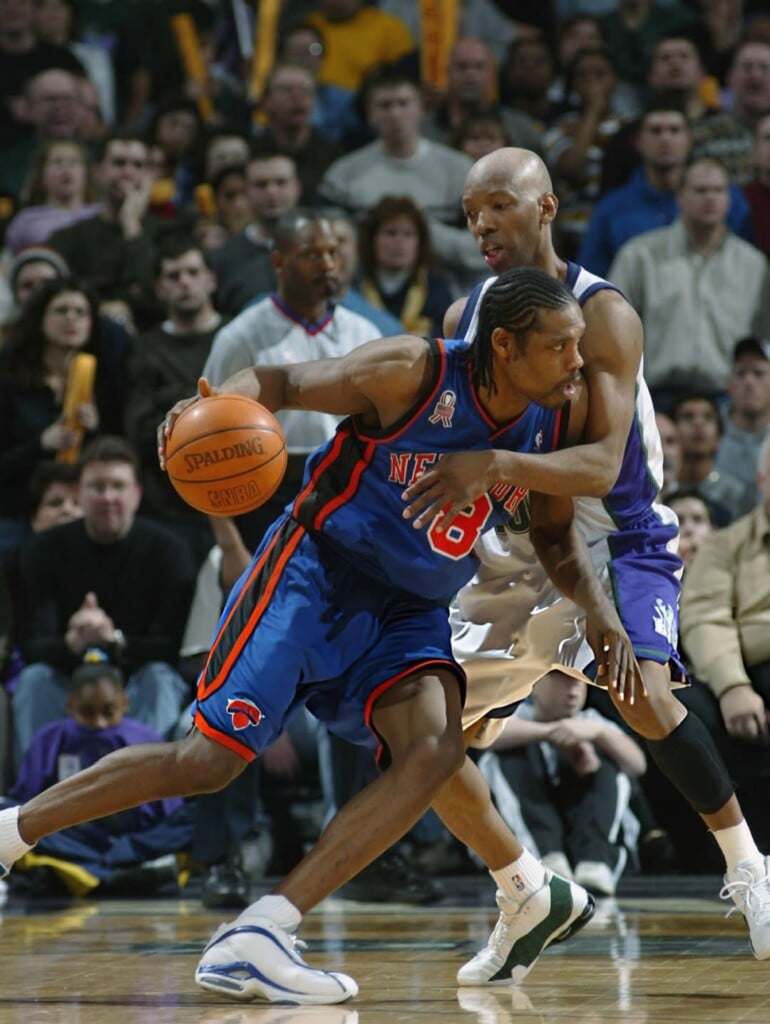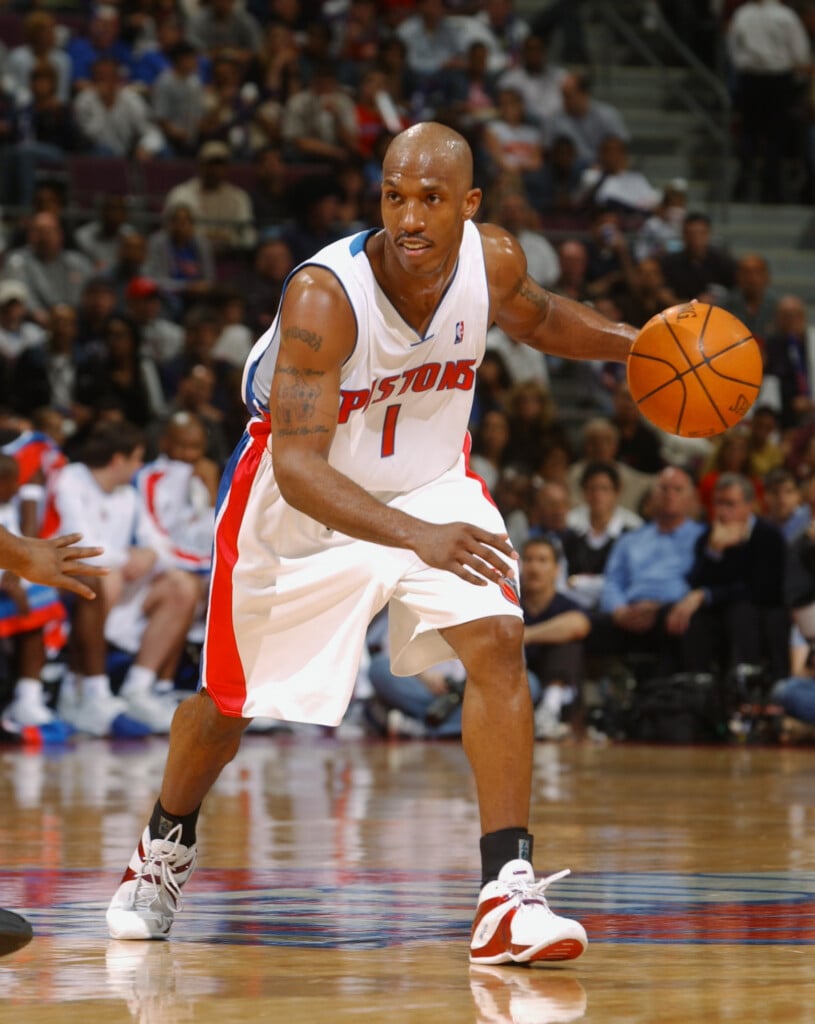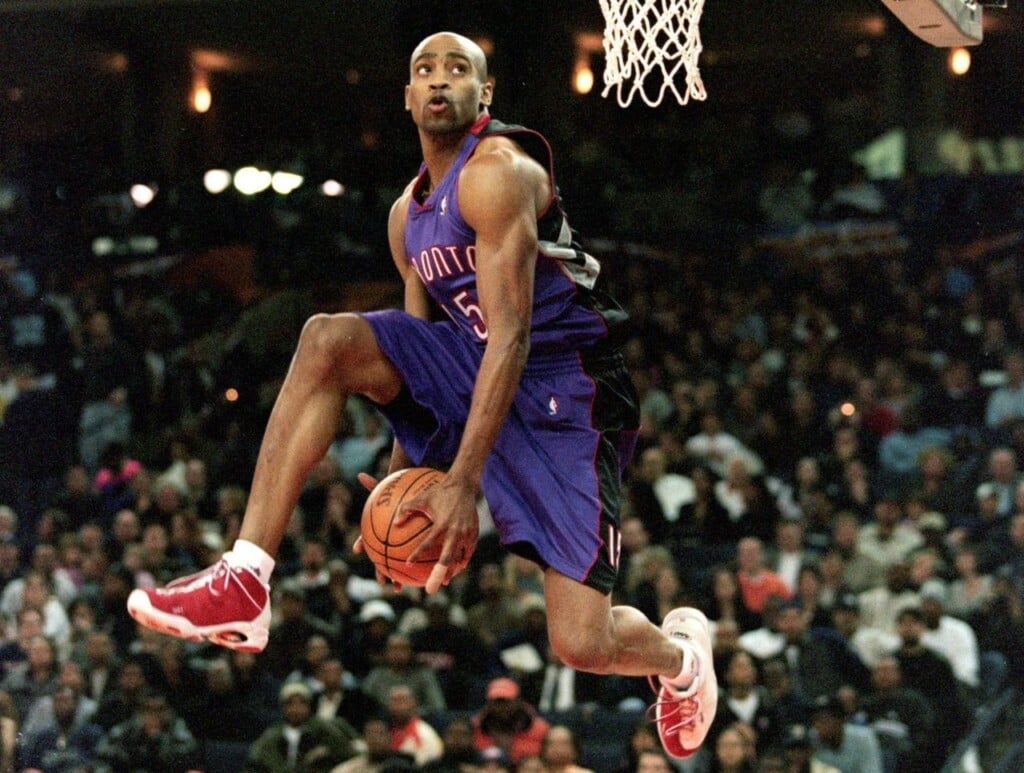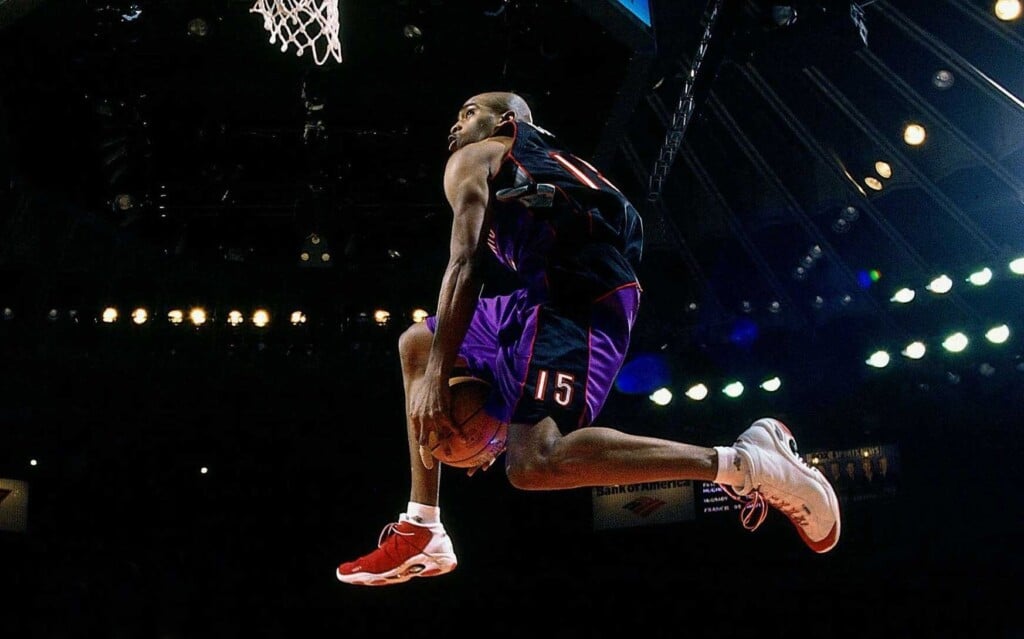
It’s 2000, and the new millennium opens with something unexpected: Vince Carter flies above everyone at the Slam Dunk Contest, wearing a pair of AND1 Tai Chi. The shoe that, more than any other, became a manifesto. But let’s start from the beginning.
The AND1 story begins in 1993 in a way that is as unlikely as it is necessary: three students from the Wharton School in Philadelphia — Jay Coen Gilbert, Seth Berger, and Tom Austin — decide to start a company selling t-shirts out of a car trunk. The name comes from NBA commentator slang: “and one,” the free throw you get when you’re fouled but still make the basket. A bonus, an extra, an unexpected advantage.
Unlike many other brands, AND1 was built with one audience in mind from the start: streetball players — the basketball played on asphalt courts in the middle of neighborhoods. No parquet floors, no sponsors, no cameras. The common thread was the language: street slang, a trash talk that quickly became a defining mark of the brand, starting with those first t-shirts printed with slogans like “My game is butta… You’re toast.”
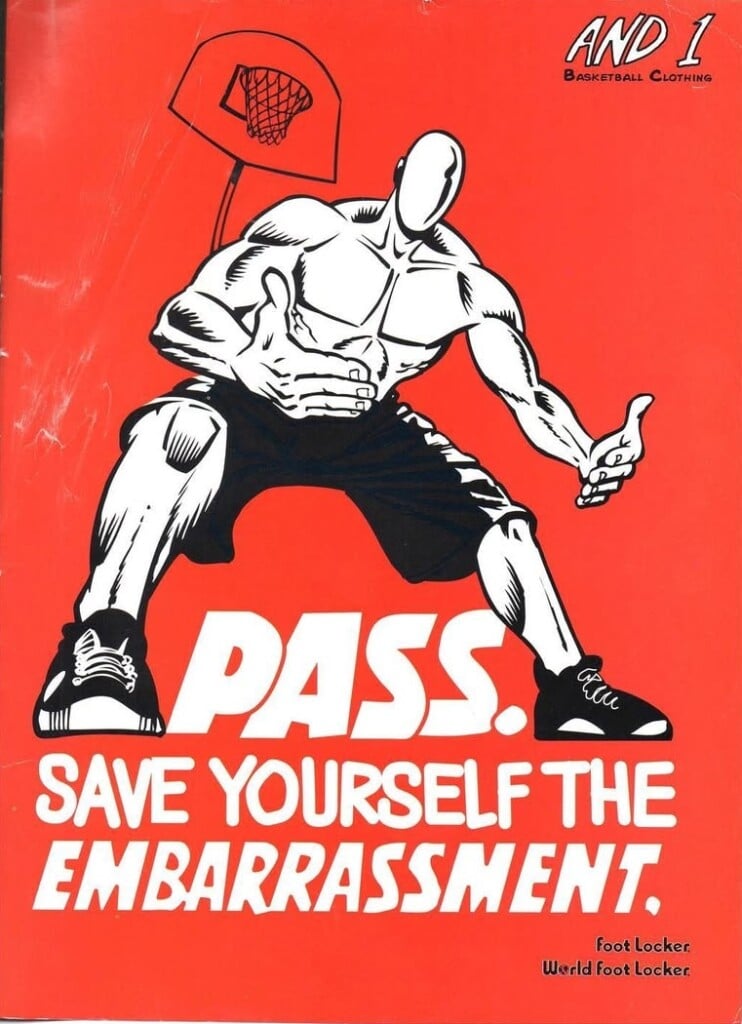
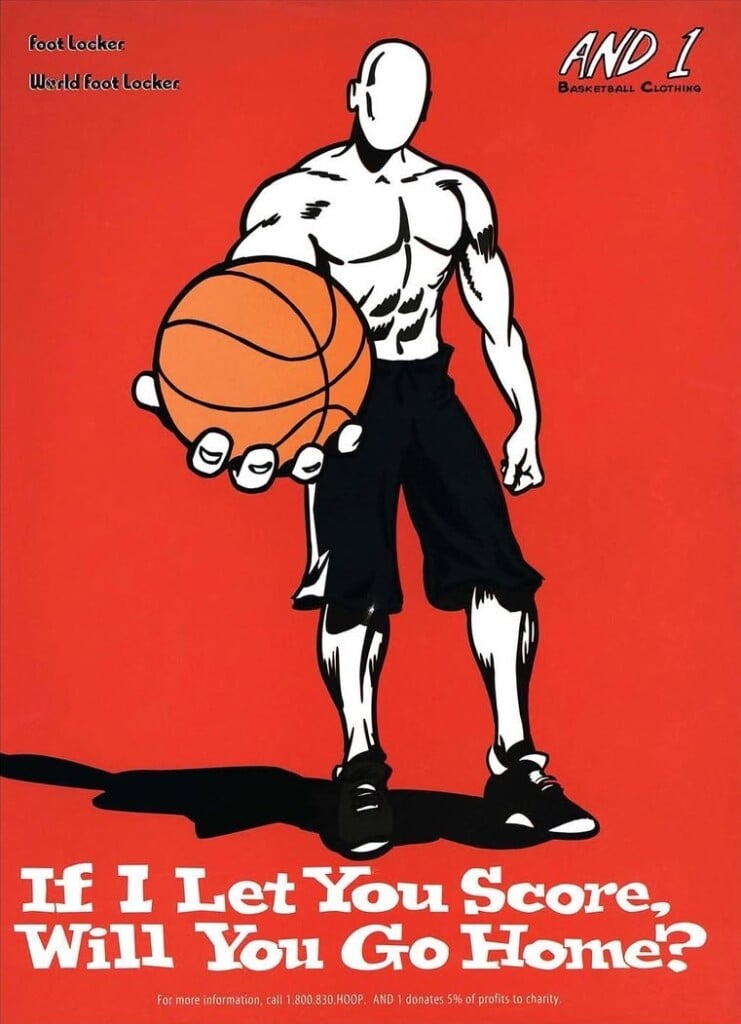
In 1994, a high school coach from Queens hands AND1’s founders a videotape featuring a kid named Rafer Alston, nicknamed Skip to My Lou, who does things with a basketball that seem to come from another planet. That tape sits on a shelf for four years, until 1998, when someone at AND1 realizes they’re holding something worth far more than a television commercial.
The tape gets re-edited, pressed into 50,000 copies, and distributed at summer camps, basketball clinics, and record labels. That was the first Mixtape in the brand’s history — and perhaps the first modern example of physical viral marketing — and it does so well that AND1 decides to press another 200,000 copies and give one away with every purchase at FootAction (now FootLocker). Sold out in three weeks.
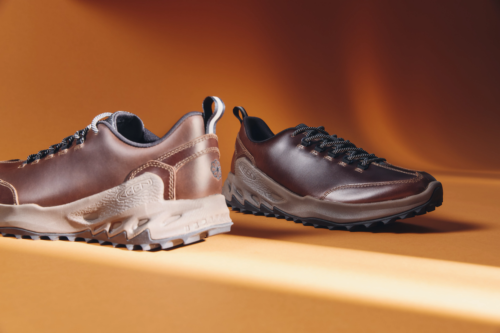
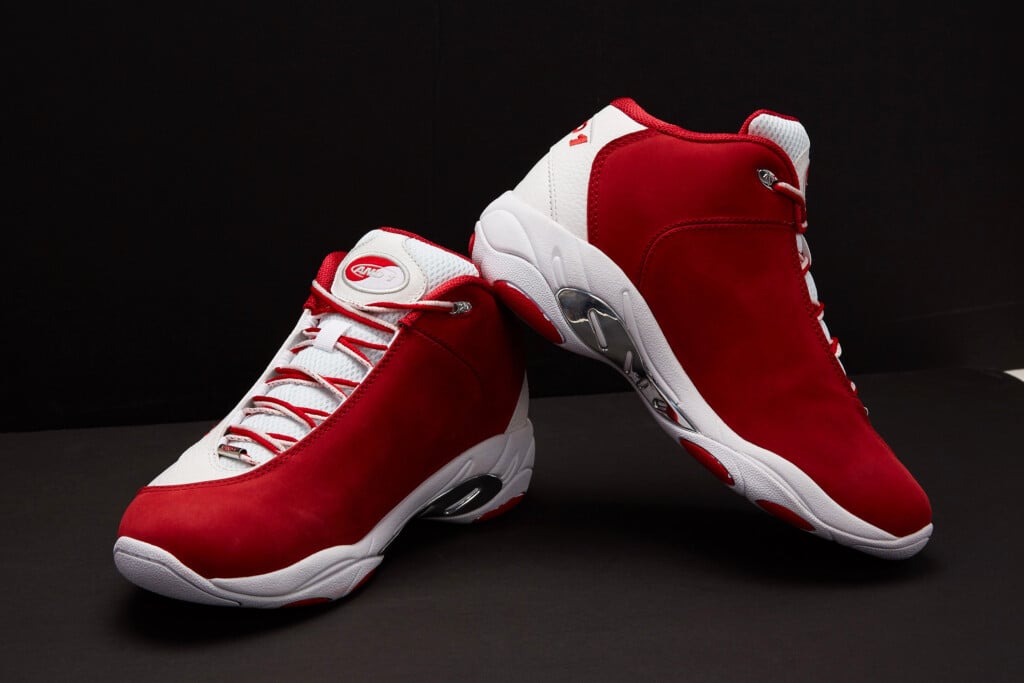
The AND1 design of the ’90s and 2000s is defined by thick soles, a high structure, and an aesthetic that mixes performance with street style. The true emblem of the brand’s soul is the Tai Chi: a leather construction with mesh details, a cushioned midsole, and a low-profile silhouette that today would simply be called “clean” and left at that. At the time, though, they were simply the most interesting shoe on the market — and it’s no coincidence they made it all the way to the NBA, on Vince Carter’s feet.
By 2001, AND1 is second only to Nike in market share for American basketball footwear. It has faces like Kevin Garnett and Jamal Crawford, and a touring streetball show airing on ESPN that competes in ratings with SportsCenter. This is no longer a niche brand: it’s a cultural phenomenon that turned the blacktop into a stage.
Nike watches in silence — but everyone knows that whoever goes quiet is usually just lying in wait.
Then it lands like a lightning bolt: the Freestyle commercial. A 30-second spot in which Vince Carter, Lamar Odom, Rasheed Wallace, and a selection of streetballers pulled straight from the courts of New York and Los Angeles reconstruct, through the bounce of a ball and the squeak of sneakers, the rhythm of Afrika Bambaataa’s “Planet Rock.” No voiceover. No slogans. Not even a shot of the shoes: the stated goal was to celebrate the spirit of the game, not sell a product. Which is exactly what AND1 had been doing for years with its Mixtapes — only now it was Nike doing it, with Nike’s budget, Nike’s athletes, and above all, Vince Carter.
The blow lands twice. Carter had just won the Slam Dunk Contest wearing AND1s — and immediately after, signed with Nike. The face AND1 had made iconic was now the star of the enemy’s campaign.
It’s from this commercial that AND1’s decline begins: acquisitions follow, ownership changes, sell-offs. The brand passes from hand to hand, and each handoff strips away another piece of the original identity.
Nearly thirty years on, the world has certainly changed — but for those taking their first steps on city courts, with their chain-link nets and beaten-up backboards, AND1 will always be a cornerstone. And there will always be those who believe that if Nike is what it is today, it’s because it had to become a little bit AND1 — had to leave the parquet and go where basketball is a way of life.