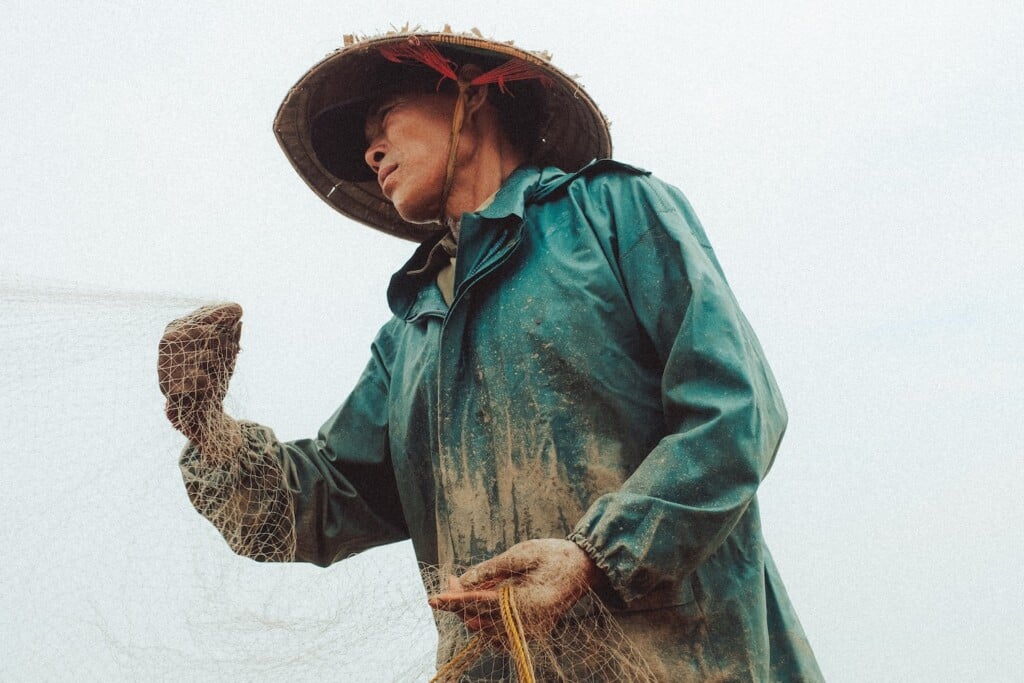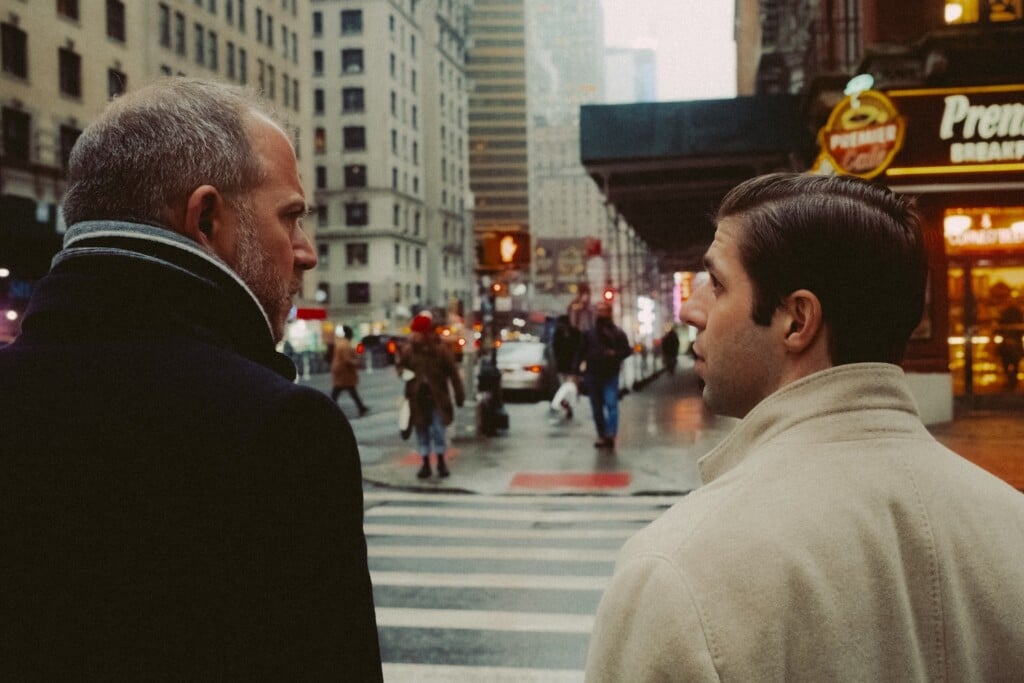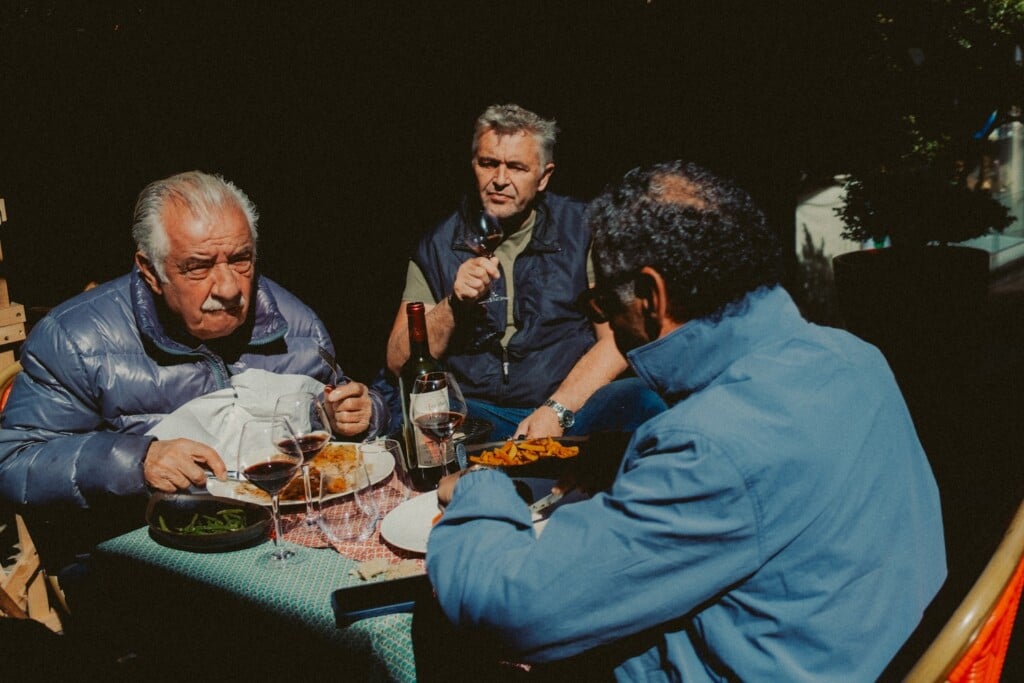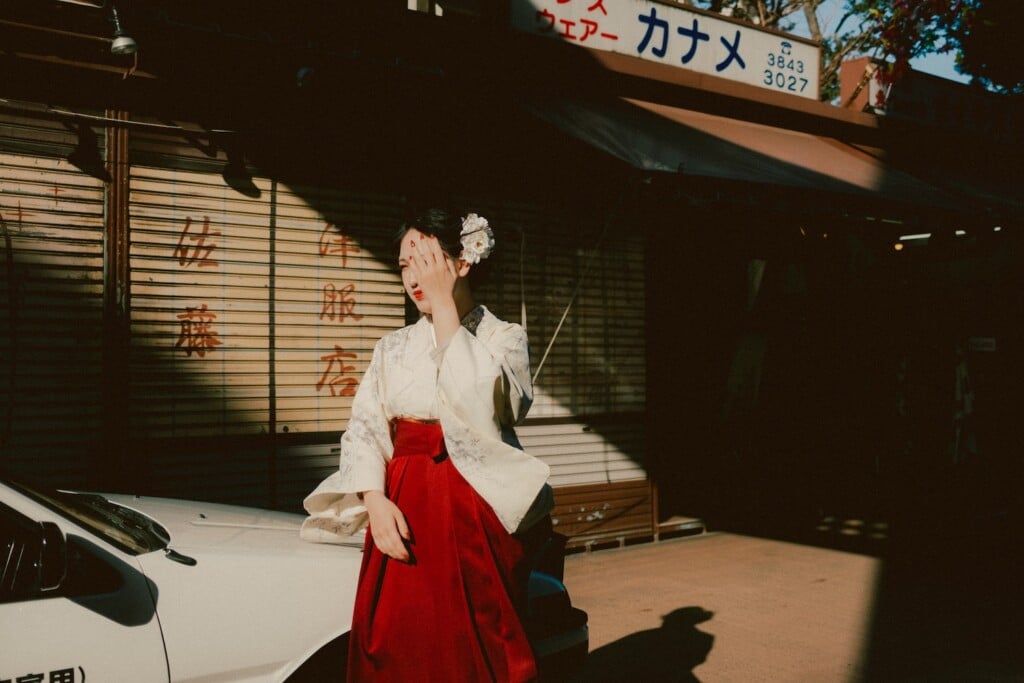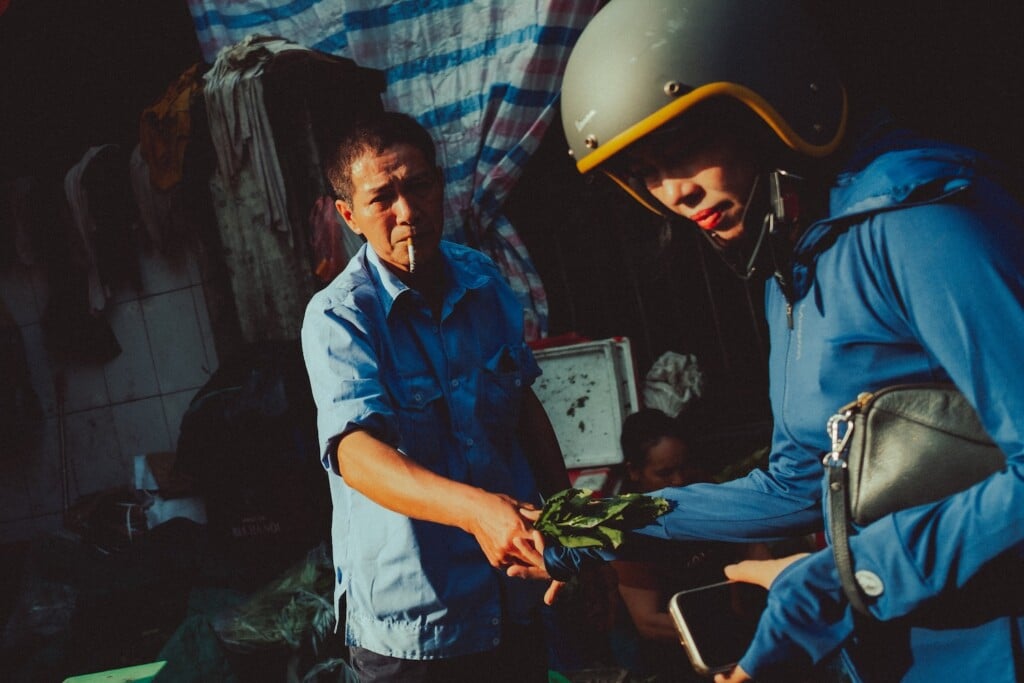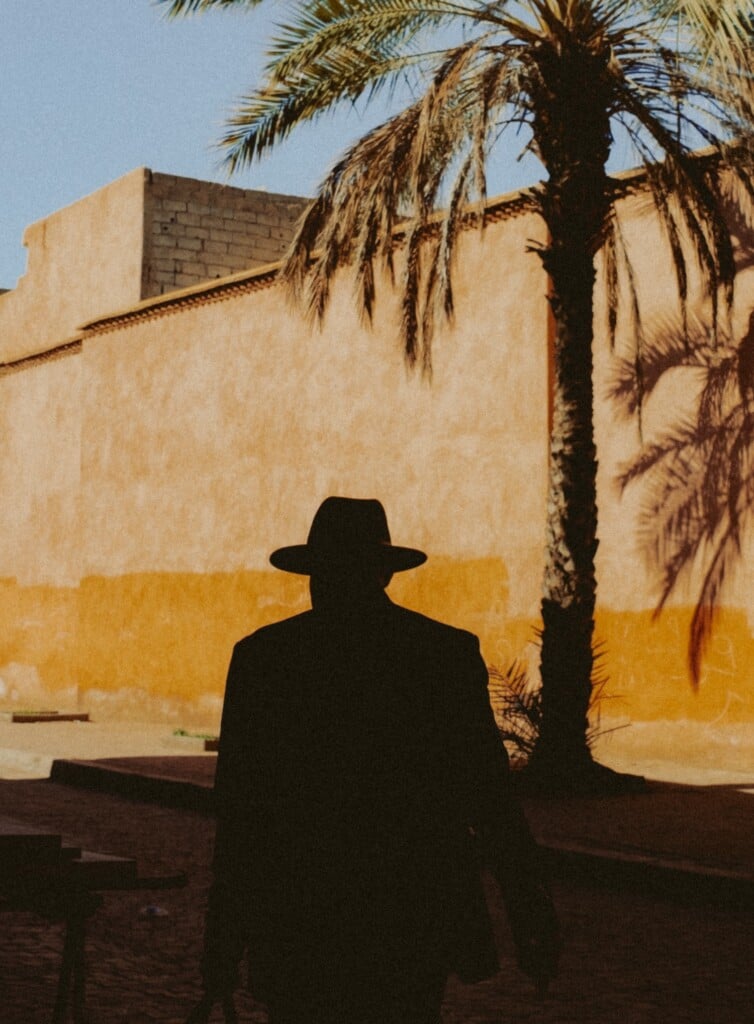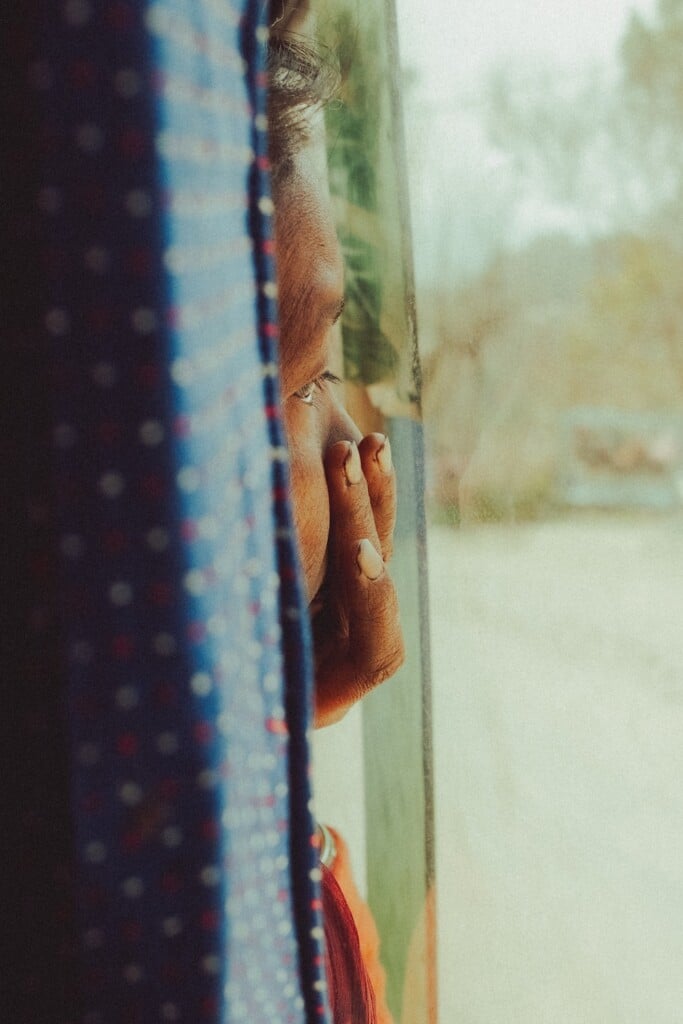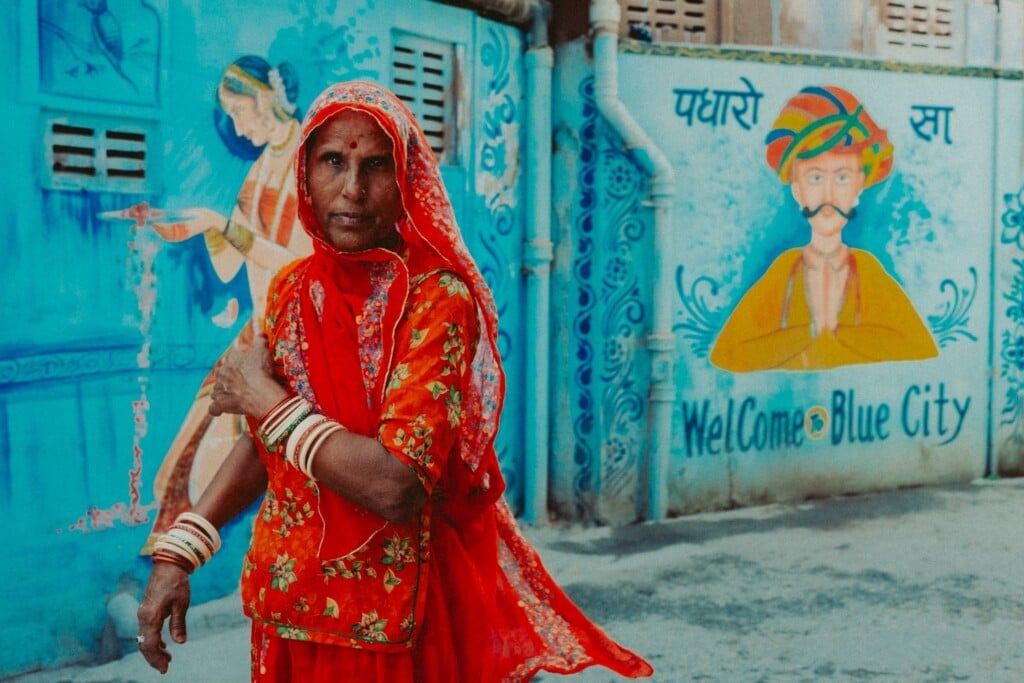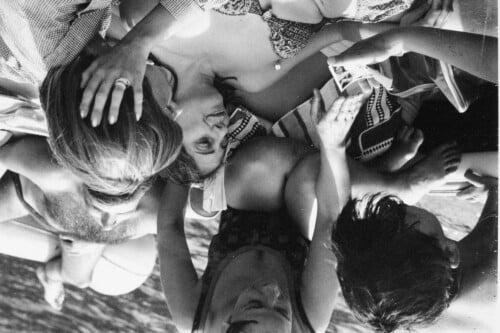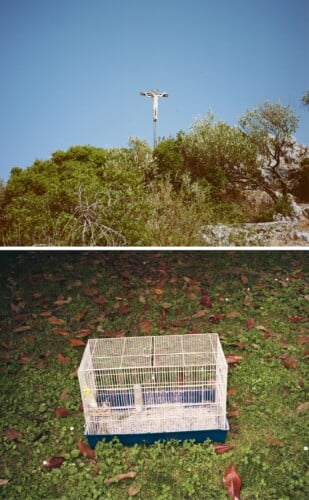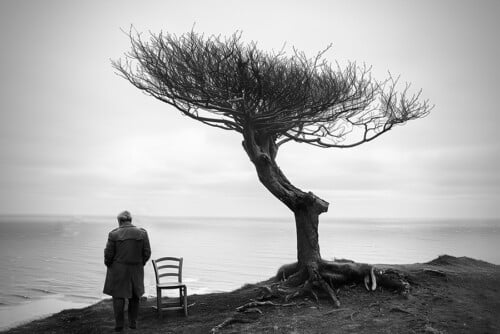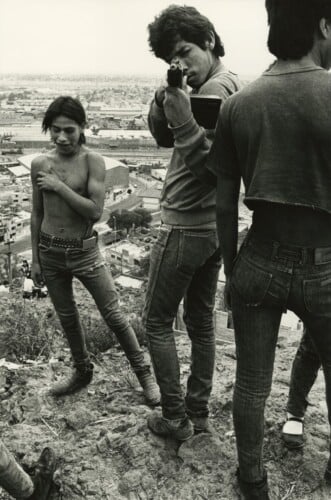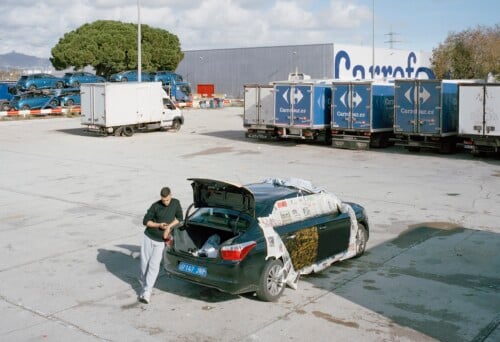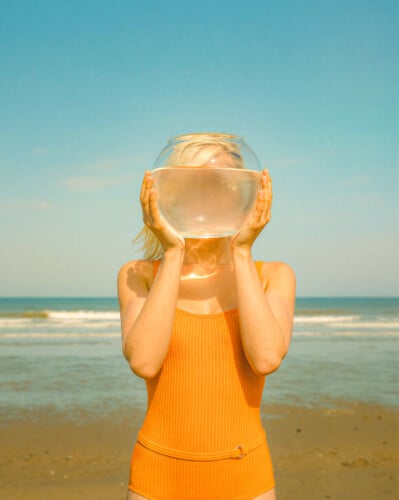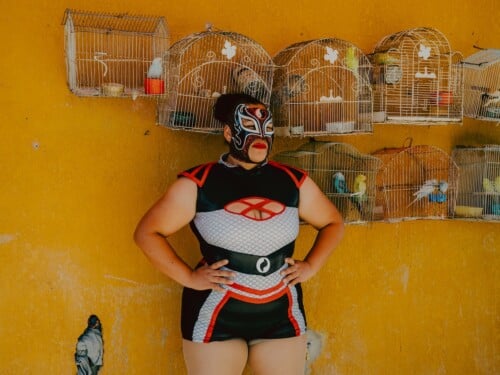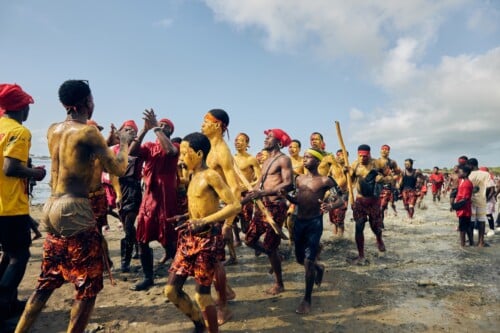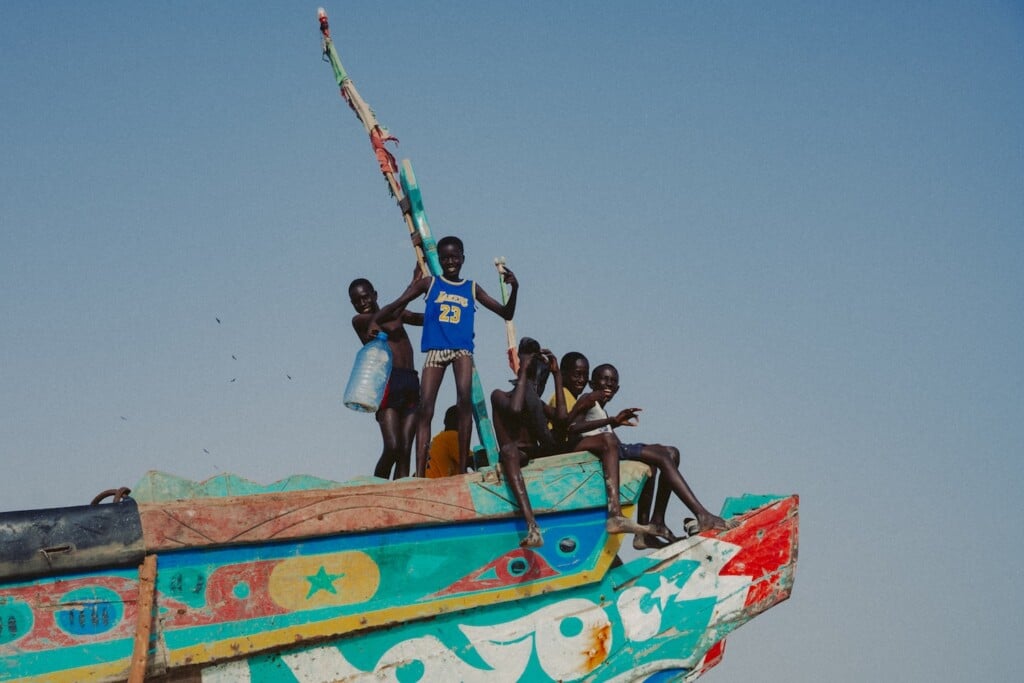
Born in 1995 and raised in the Toulouse region, Théo Jalixon started taking photographs almost by chance, while studying psychology. What began as a side interest soon became the center of his life, first through landscape and wide natural spaces, then through wildlife photography, until he arrived at the street and the faces that inhabit it.
It’s there, between Paris and Toulouse, where he now lives and works, that his photographic language finds its most mature form. Jalixon builds images in which colors, silhouettes and architecture engage in dialogue with the human presence, rendering scenes of everyday life through a poetic rather than documentary gaze.
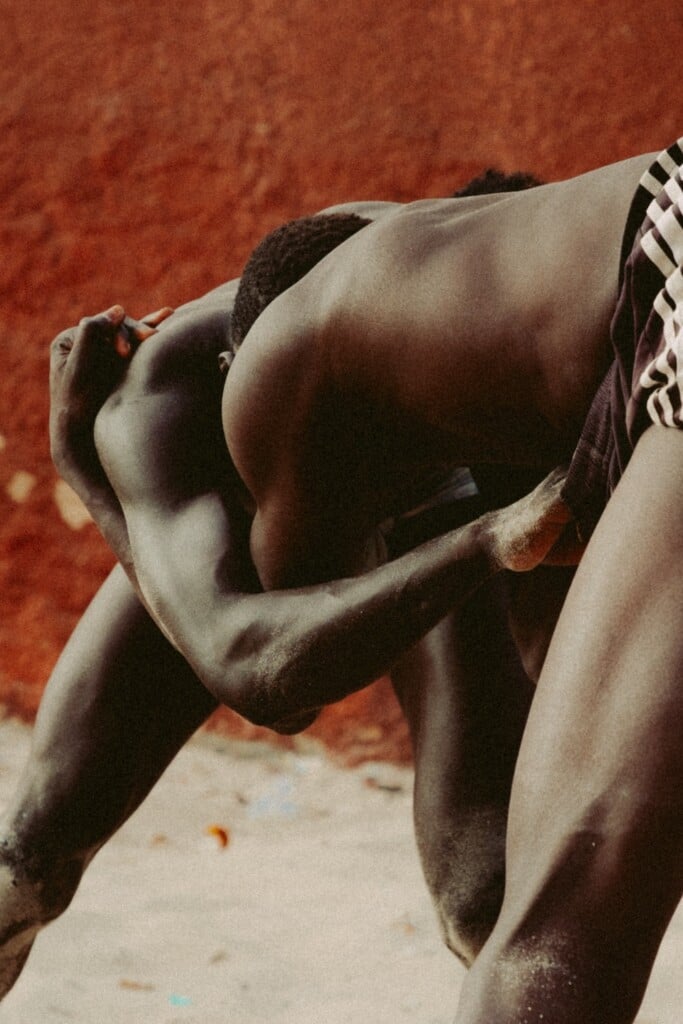
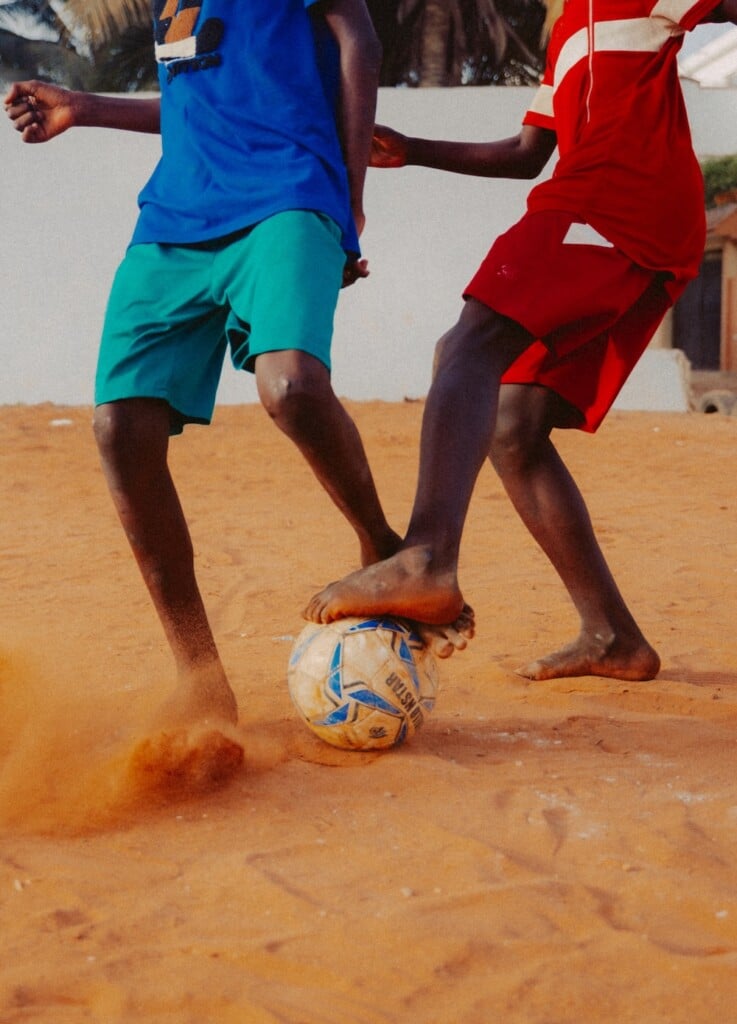
His work ranges from travel reportage (from India to Nepal, from New York to Japan) to commercial and wedding photography, an area in which he collaborates with various agencies, bringing the same artistic sensibility developed in his personal projects.
Discovering analog photography marked a turning point in his research: from that moment on, the human being, with their stories and contradictions, became the main subject of his lens.
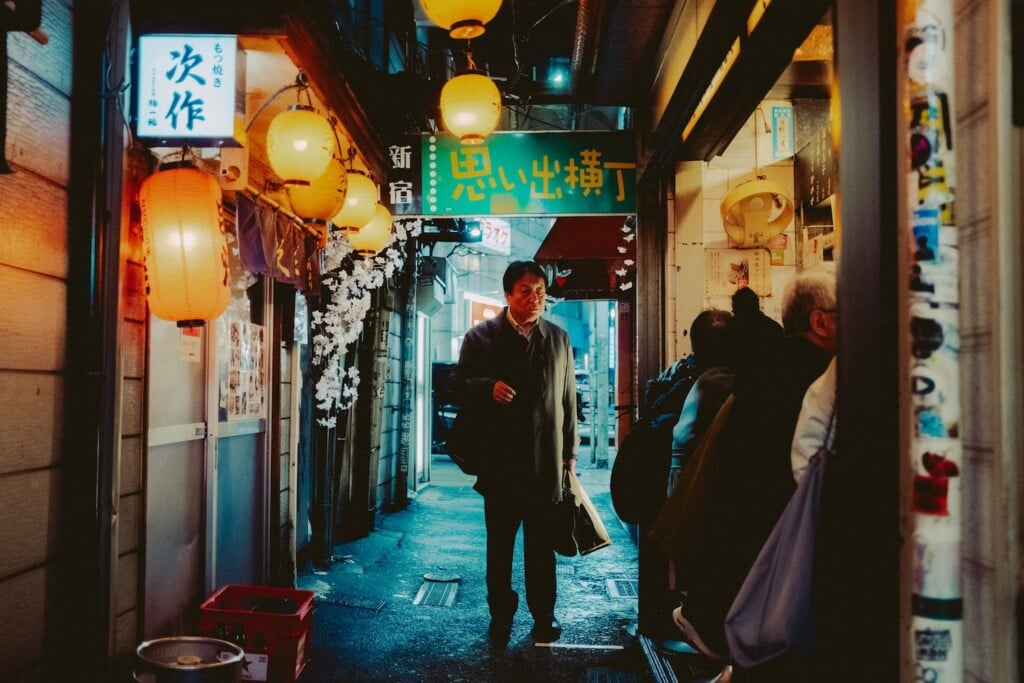
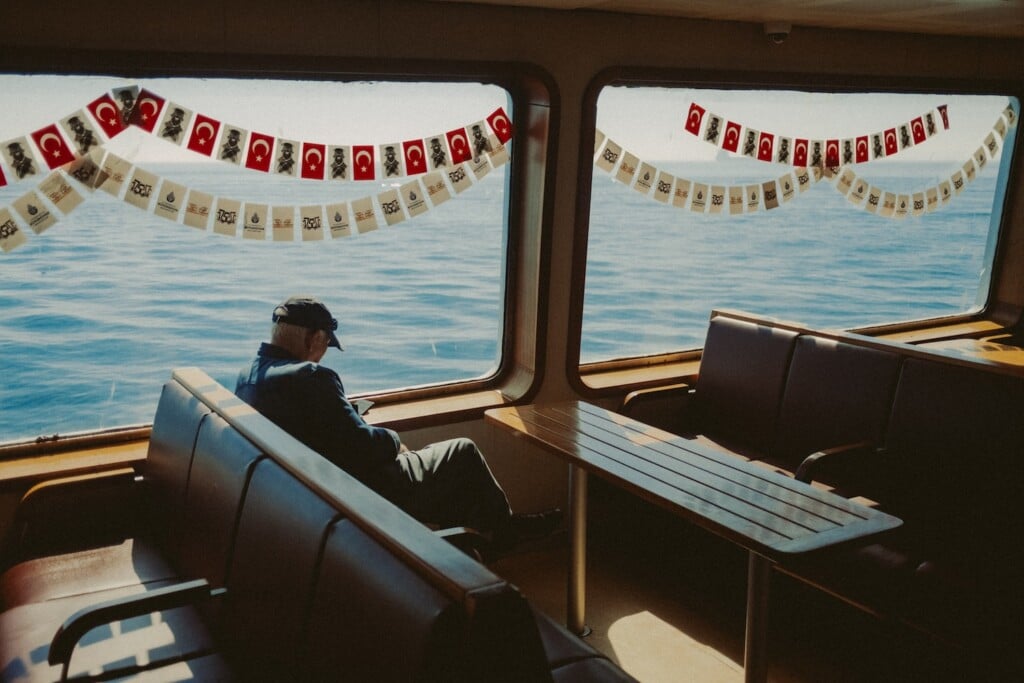
No one can describe his poetics better than Jalixon himself:
«Through my travels, I love to photograph the street and daily life. Colors, codes and faces are a major source of inspiration for me. With my images, I try to tell a story in which poetry plays a central role, where silhouettes and colors interact with space. The street can be familiar or unfamiliar, a refuge or a passage, a source of fear or freedom. Its interpretation is unique to each person, and that’s exactly what fascinates me.
We cross it every day without taking the time to truly see it.
Yet it leaves within us fragments of lives that will go on living through our own stories».
In recent years, Théo Jalixon has added video to his photography practice, collaborating with brands like Chanel and Macif and taking part in exhibitions and events across France, from SNCF to Caterpillar. But it’s in street photography, in that ability to capture the instant and give it a narrative breath, that his work remains most recognizable.