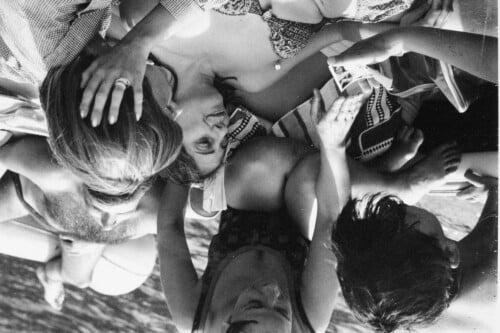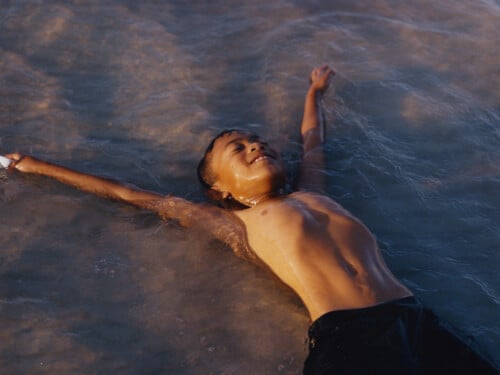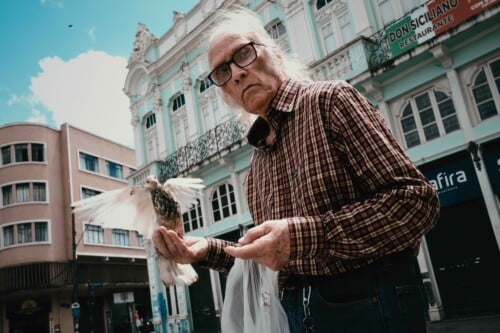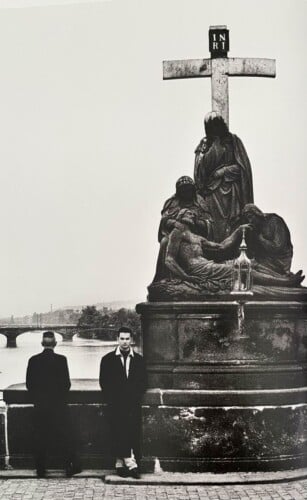
Andrea Kasap is a photographer who uses photography like a living body—crossed, wounded, inhabited by people and places that exist in constant transformation. Born in Mantua in 1996 and now an active part of the Milanese scene, between Officina Opera and the collective Camera Club, Kasap constructs an imaginary nourished by encounters, trust, and that subterranean complicity that binds communities, friends, performers, and musicians. His photographs do not simply portray: they welcome. They do not watch from afar: they get dirty, draw closer, and breathe together with the subjects that inhabit them.

The influences running through his work — from Wolfgang Tillmans to Nan Goldin, from Larry Clark to Wong Kar-wai — do not surface as aesthetic quotations but as a way of understanding the image: never neutral, never fully controllable, always the result of an exchange. There is an emotional continuity that ties his archive to the people he spends time with, to the bodies that move within his photos as if they were active agents in the construction of the shot—not figures meant to pose, but presences that return energy, fragility, ferocity, and tenderness.

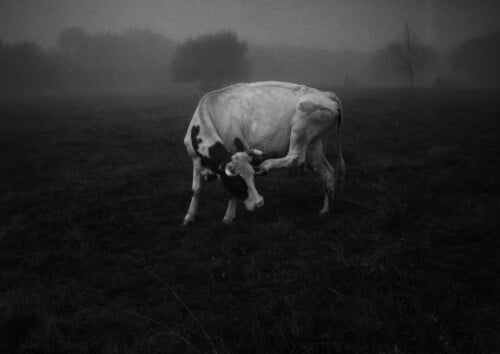
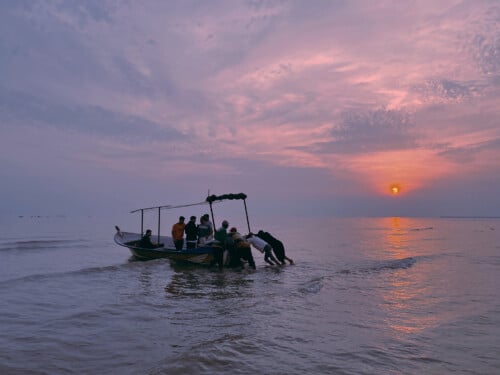
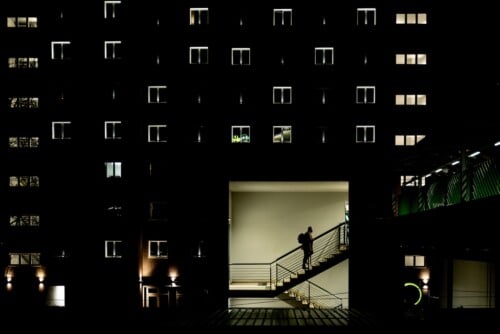
Places also play an almost mystical role: domestic interiors, windows, streets, warehouses, woods, and fields become true characters that reveal themselves only when crossed. The atmosphere of parties, concerts, and raves — with intermittent lights, fractured shadows, smoke, smells, fragments of memory — forms an ecosystem that Andrea seems to know and love deeply, because he captures not so much the scene as its emotional echo. His landscapes live on the boundary between presence and disappearance, as though they emerge only for an instant before falling back into the darkness from which they came.


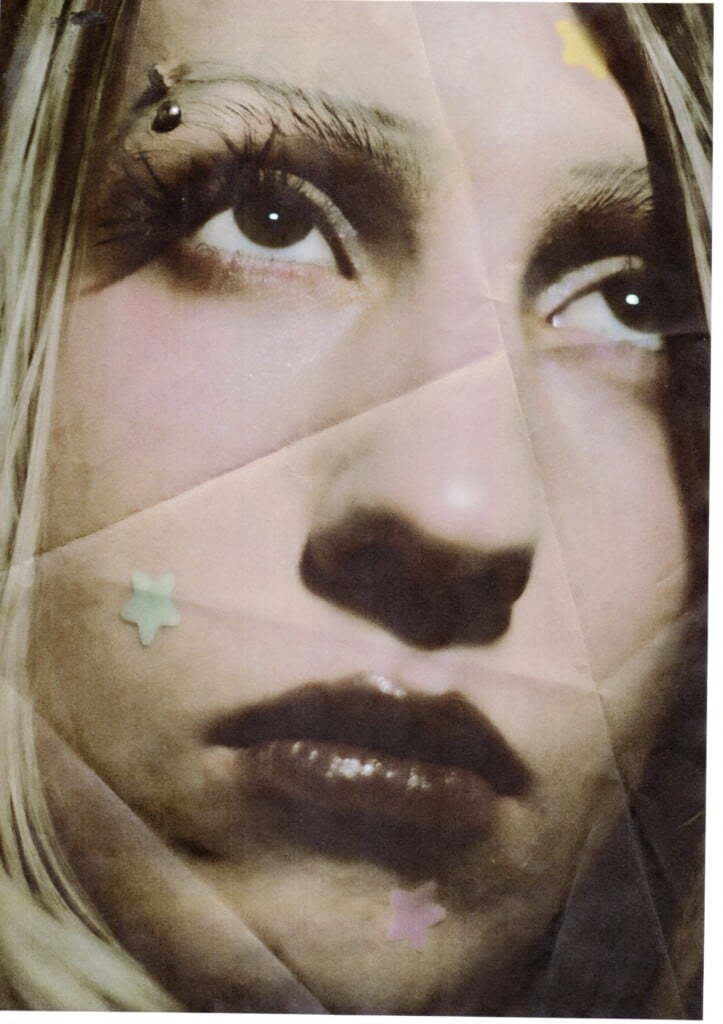
In recent years his language has become more material, more punk, more physical. Photography is no longer just an image but an object to touch, wound, bend, consume. Andrea returns to analog but also uses his phone; he writes on prints, rescans, prints on fabrics, plastics, irregular surfaces; he works by subtraction, pushing the palette toward a drastic reduction, allowing light and shadow to build the emotional weight of the scene. The image bends, scratches, recomposes itself. It becomes body.


In a time dominated by hyper-digitalization, Kasap claims the necessity of imperfection—of an image that knows how to breathe and carries the marks of its own lived experience. Damaged surfaces, textures that do not decorate but narrate. And in his most recent works, spaces appear as living carcasses, places that seem to remember something that belongs to no one, resurfacing only for a moment like a flash or a collective déjà-vu.