It happened to me in a hotel where, for a few seconds, I couldn’t remember which city I was in. Light wood, warm 3000-kelvin lighting, matte black fixtures, a succulent on the nightstand, an abstract print above the bed pulled from the same pool of soft shapes every other room built in the last decade seems to draw from. I opened the window to get my bearings, and the window was the only thing in the entire room that told me where I was. Everything else was a dialect that had stopped existing, replaced by a language that works everywhere precisely because it belongs nowhere.
In 2018, Stefan Sagmeister and Jessica Walsh developed and later published “Beauty” with Phaidon, arguing that beauty doesn’t have a function — beauty is a function. Beauty isn’t a purely surface-level element, but an essential functional component that concretely improves the quality of our lives.


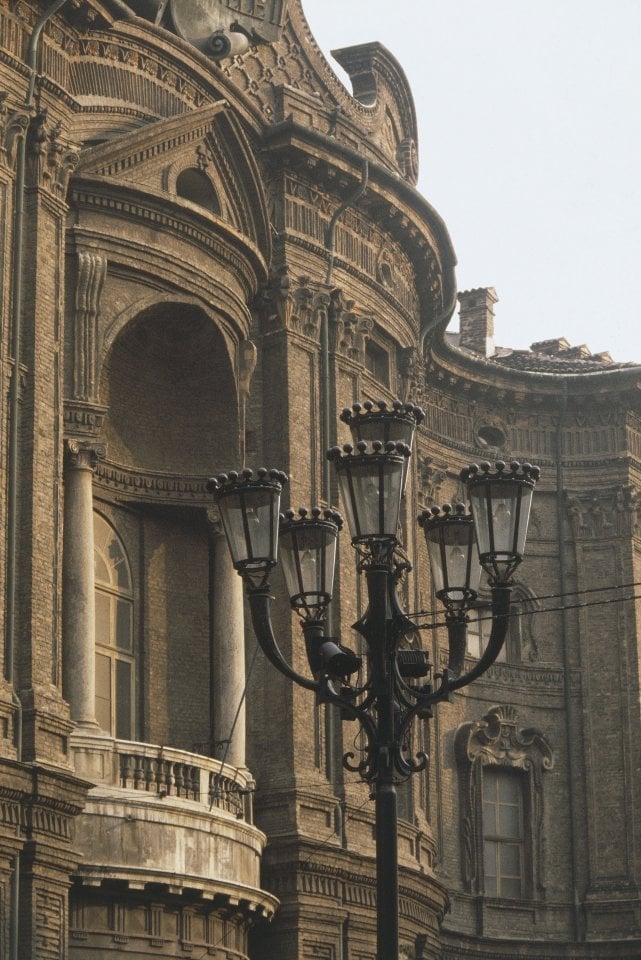
A century ago, even everyday objects were made with intention. Teacups were hand-painted, buildings were covered in stonework no structural calculation had ever demanded, and they were meaningfully different from city to city, continent to continent. Trains, hotels, furniture and public spaces were built to inspire something, not just to perform a task. Today almost everything we deal with is cheaper, faster and more practical, but along the way we traded craft for comfort, detail for speed, character for mass production — and told ourselves it was “functional” progress.
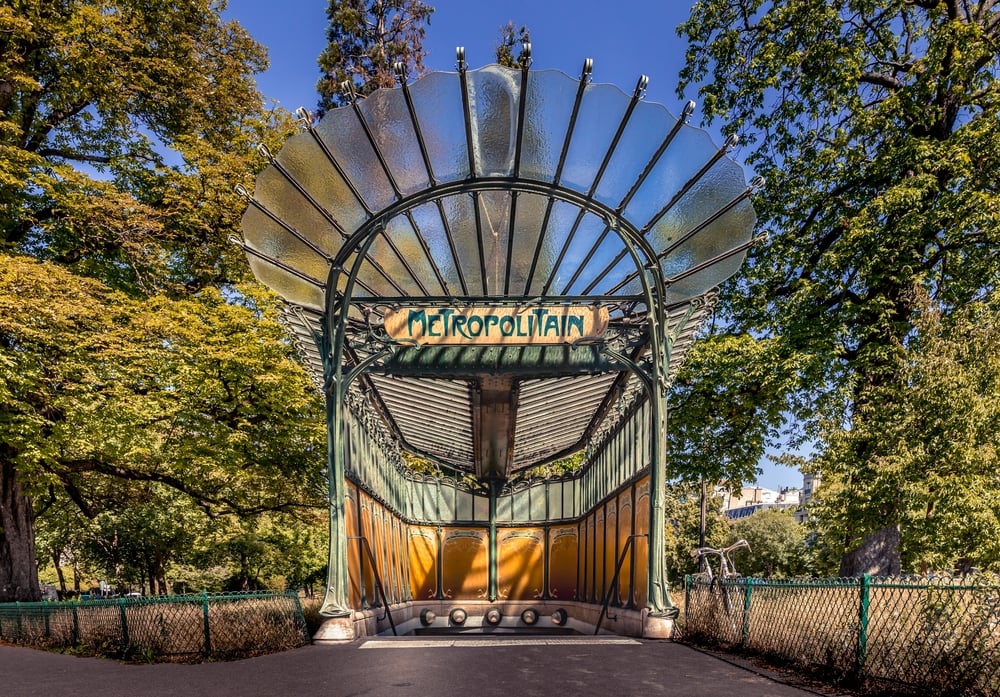
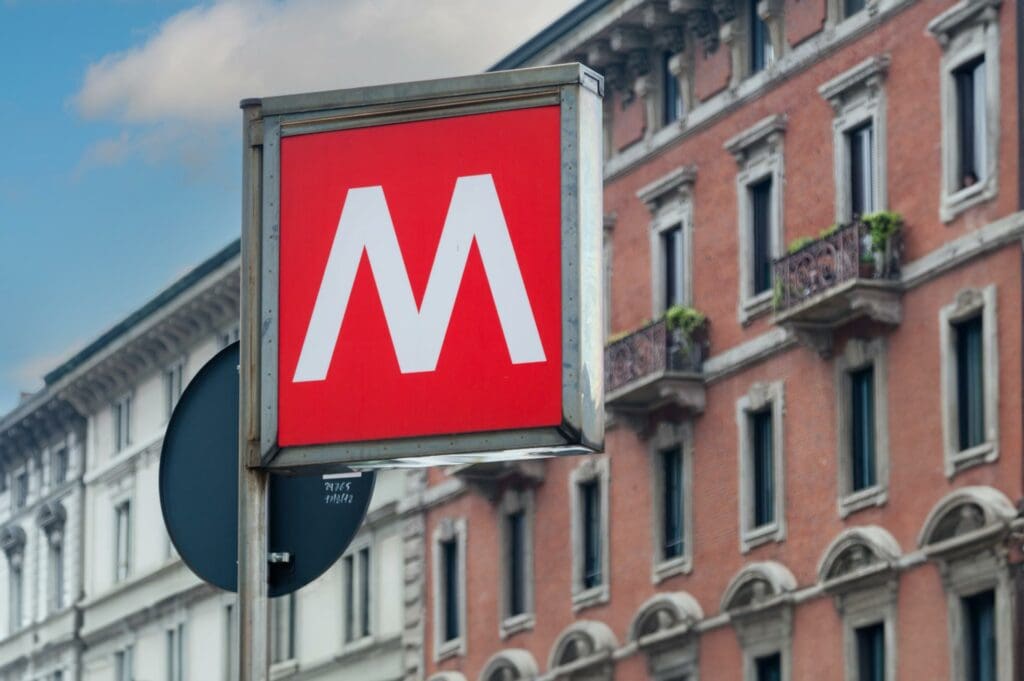
But functionalism didn’t kill beauty — it just became the excuse we use to justify cutting corners.
When Louis Sullivan wrote in 1896 that form always follows function, he was designing façades covered in terracotta foliage, woven vegetal motifs, ornaments no structural calculation had ever required. Architectural modernity’s most quoted line came from the pen of a man who ornamented everything.
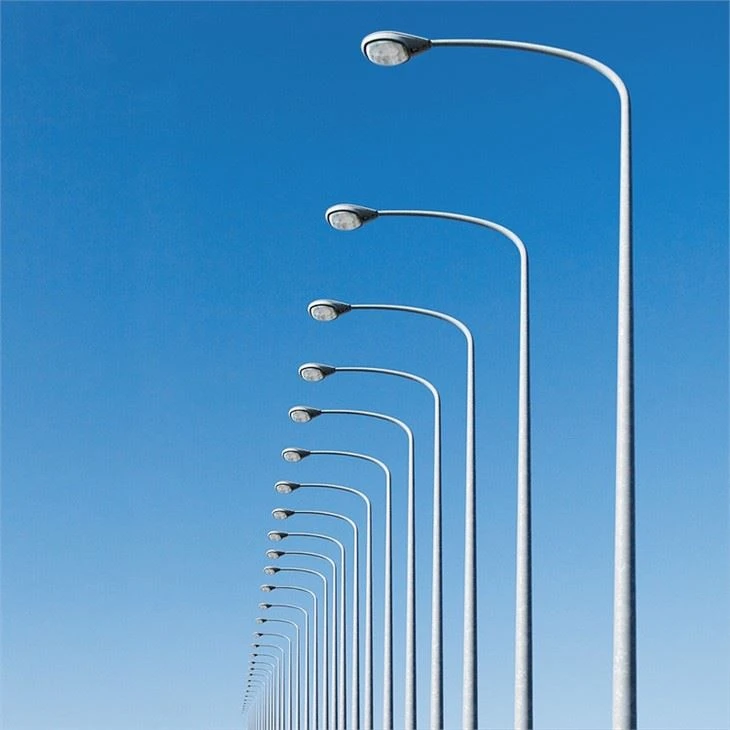
What we’ve arrived at in the name of functionalism and savings, of simplicity and immediacy, is a psychotic uniformity.
Places used to differ from one another because constraints were local. You built with the stone that sat twenty kilometers away, because hauling more would have cost more than the house itself. Walls were thick and windows small where the sun hit hardest, porticoes appeared where it rained six months a year, and Milan got its ballatoi because that was the cheapest way to serve twelve families with a single staircase. A place’s character was the sediment of problems solved with whatever was on hand, repeated for generations until the solution became a language.
Then we solved the constraints. The shipping container made transport nearly free, the curtain wall turned the wall into a detail, software made any geometry drawable anywhere at the same cost — and the result is that a building in Oslo and one in Dubai can be the same building, and often are. The particularity of places was, in large part, a technical limitation, and when we removed the limitation, we removed the particularity along with it.
There’s an Italian episode worth remembering more often. In 1959, Reyner Banham wrote in the Architectural Review, dismissively coining the label “Neoliberty,” and took aim at BBPR’s Torre Velasca, guilty of echoing medieval Lombard towers, of admitting it stood in Milan, of having memory — traits the British saw as an unacceptable concession to the past. Architect Ernesto Nathan Rogers replied that architecture without context and without historical continuity is an appliance: it works, it can be installed anywhere, and it means nothing. He was right, but the world kept moving in the opposite direction anyway.
Over the years, many have tried to name this drift: Marc Augé’s non-places in 1992, Rem Koolhaas’s Generic City in 1995 and later his Junkspace, the AirSpace described by Kyle Chayka in 2016 — that condition in which a bar in Lisbon, one in Seoul and one in Mexico City share the same filament bulbs, the same light wood, the same houseplant. Byung-Chul Han gave it the most precise definition of all, speaking of smoothness: the aesthetic of our time eliminates friction, roughness, the point where the eye snags. And an object that offers no resistance doesn’t demand attention — we don’t defend it, don’t repair it, don’t even remember it.
But let’s try to look at this as more than creative-director nostalgia…
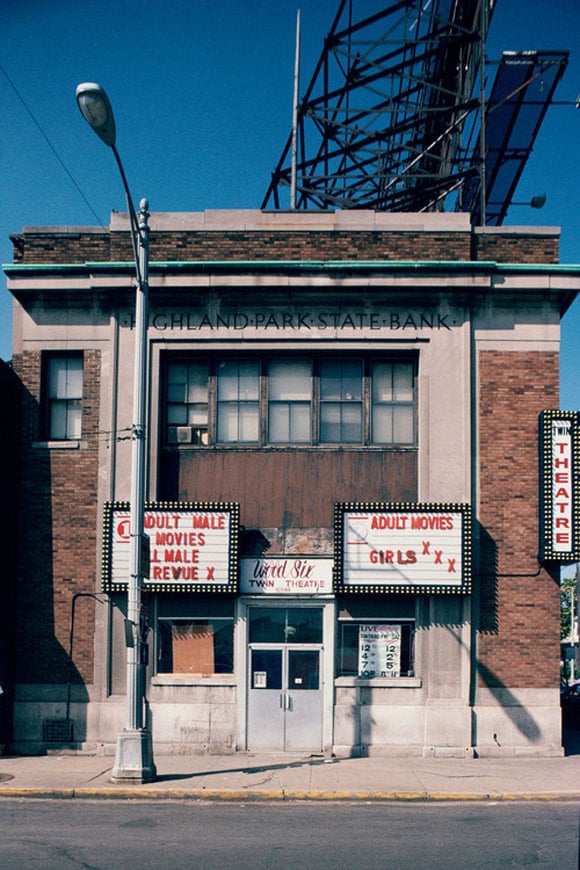
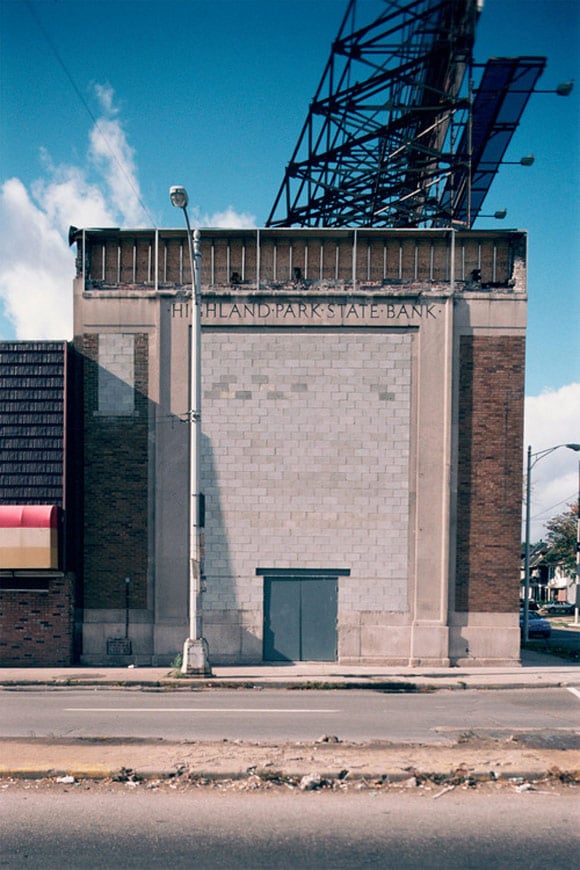

In 1984, Roger Ulrich published a now-famous study in Science: post-surgical patients with a window overlooking trees were discharged sooner and asked for fewer painkillers than those staring at a brick wall. Same hospital, same treatment, same staff. It’s a clinical finding, and it says something precise: visual experience acts on the body, and is therefore a function.
There’s more, and it has to do with sustainability. A beautiful building is less likely to be demolished. It gets defended by committees, photographed. Longevity is architecture’s true unit of environmental measurement, and longevity depends far more on affection than on materials. Designing something that will be loved is the single most effective waste-reduction strategy we know of — and it appears in no certification protocol.
Beauty, then, does more than one thing: it lowers stress, orients us in space, extends the life of objects, holds communities together around a recognizable place.
Its function is so obvious, and so pervasive, that we’ve stopped seeing it at all.