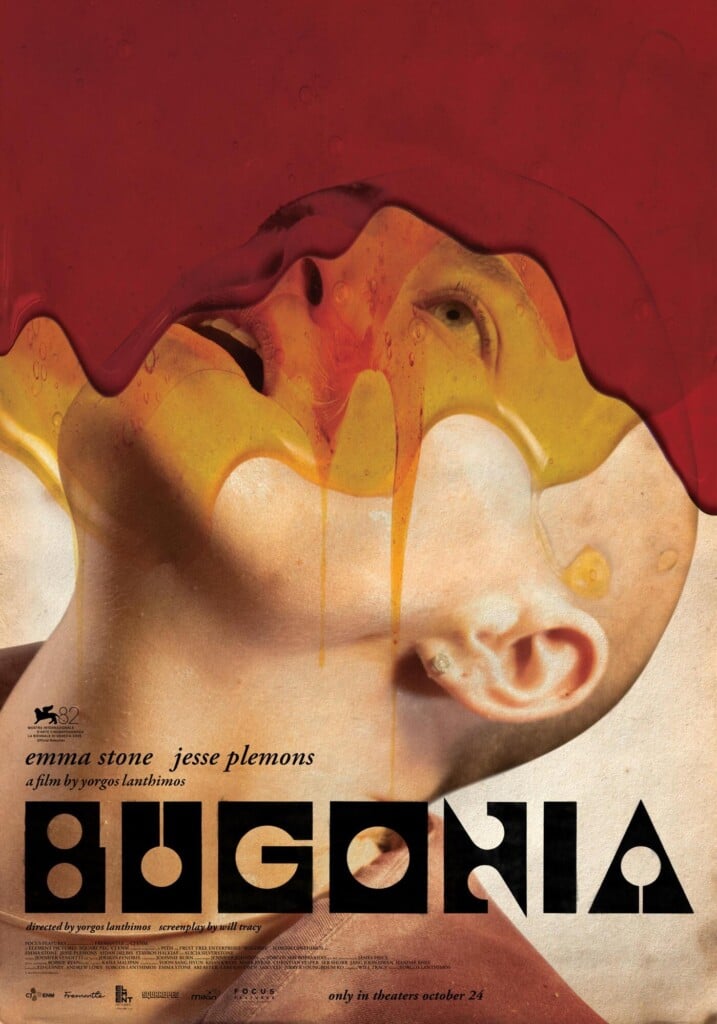
Vasilis Marmatakis doesn’t just design movie posters — he builds entire parallel worlds. For years, he has accompanied the cinema of Yorgos Lanthimos with a visual language made of symbols, distortions, and graphic silences — always managing to capture the tone of a film without ever really telling its story. With Bugonia, their latest collaboration, Marmatakis has pushed this exploration even further, signing a series of posters that embody body, myth, and hallucination all at once.
The title of the film itself recalls a Greek myth in which bees are born from the carcass of an ox. It’s an image of rebirth and decay that Marmatakis translates into organic signs, viscous surfaces, and living matter. In the posters, Emma Stone’s face is submerged in a substance that shifts between honey and blood — a simple yet unsettling gesture that distills the tension between nature and the human body, between purity and contamination. “It’s as if nature and humanity are attacking her,” the designer told It’s Nice That, and that single sentence is enough to understand how his work is always a sensory narrative rather than a purely illustrative one.
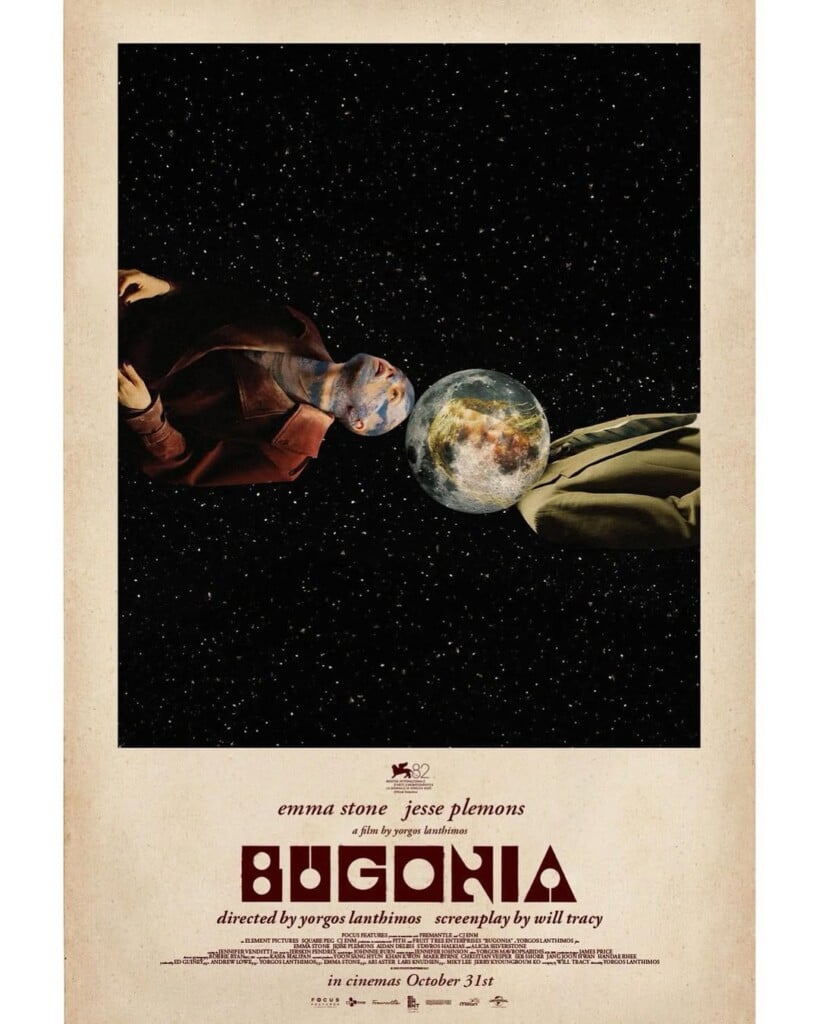
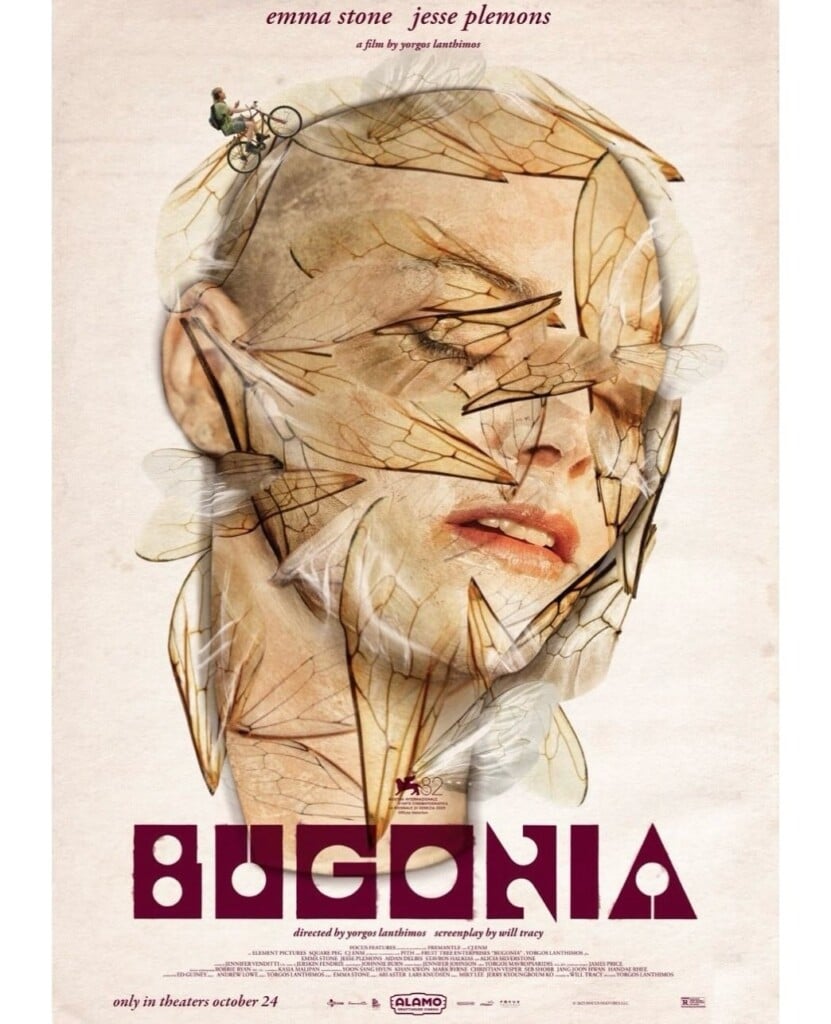
To reach these images, Marmatakis works like a parallel director. He reads the script even before the film is shot, visits the sets, observes the raw materials. Then he begins to build: scanning, cutting, layering, printing, wetting the paper, and bringing it back into the digital realm. The hybridization between analog and digital is the key to his style. Even the typography, seemingly neutral, is the result of a physical process: Marmatakis prints the letters, wets them with water, then scans them again — achieving that smudged effect that makes the typeface feel alive, imperfect, human.
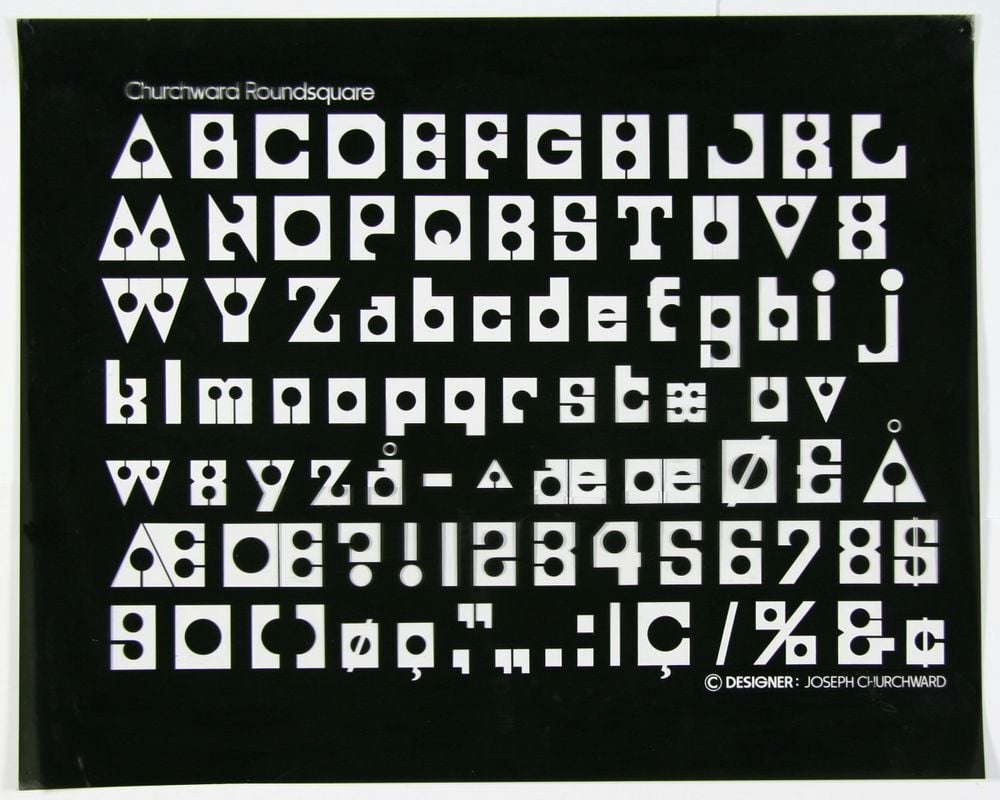
For Bugonia, he chose a typeface rediscovered in the archives of the Museum of New Zealand: Churchward Roundsquare, designed by Samoan typographer Joseph Churchward, as noted here. A detail that perfectly captures his obsession with forgotten visual codes — capable, however, of resonating powerfully in the present.
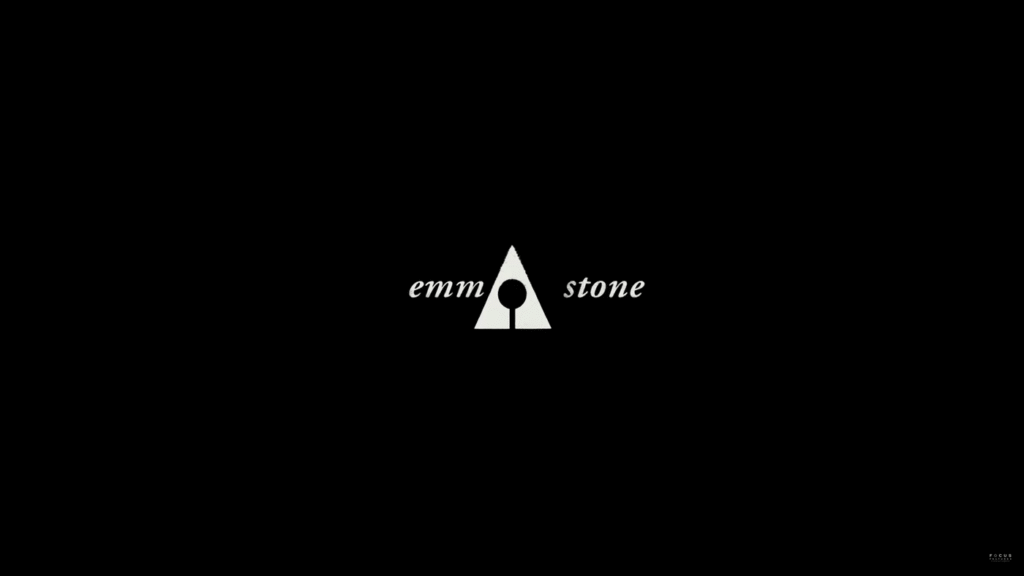
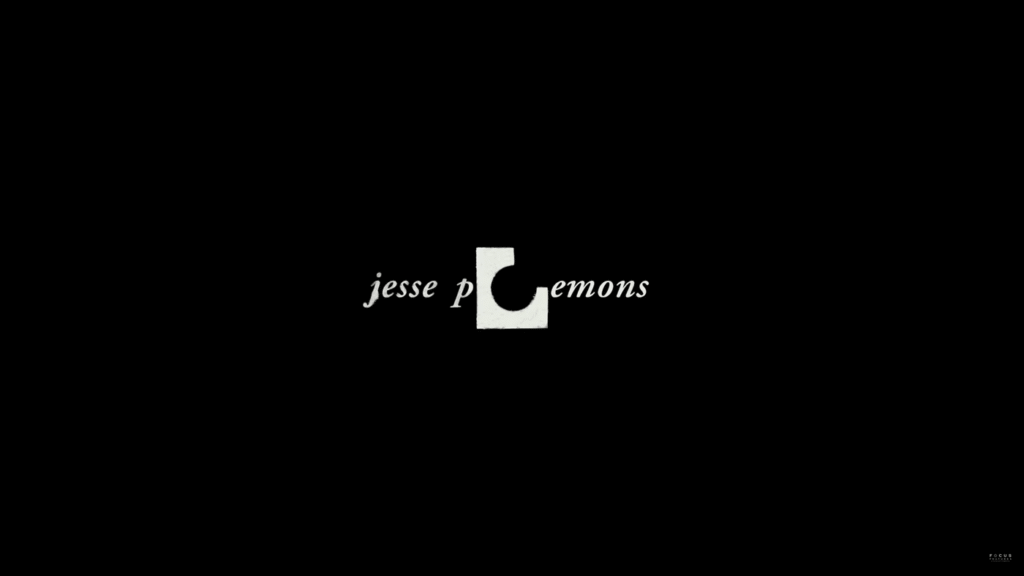
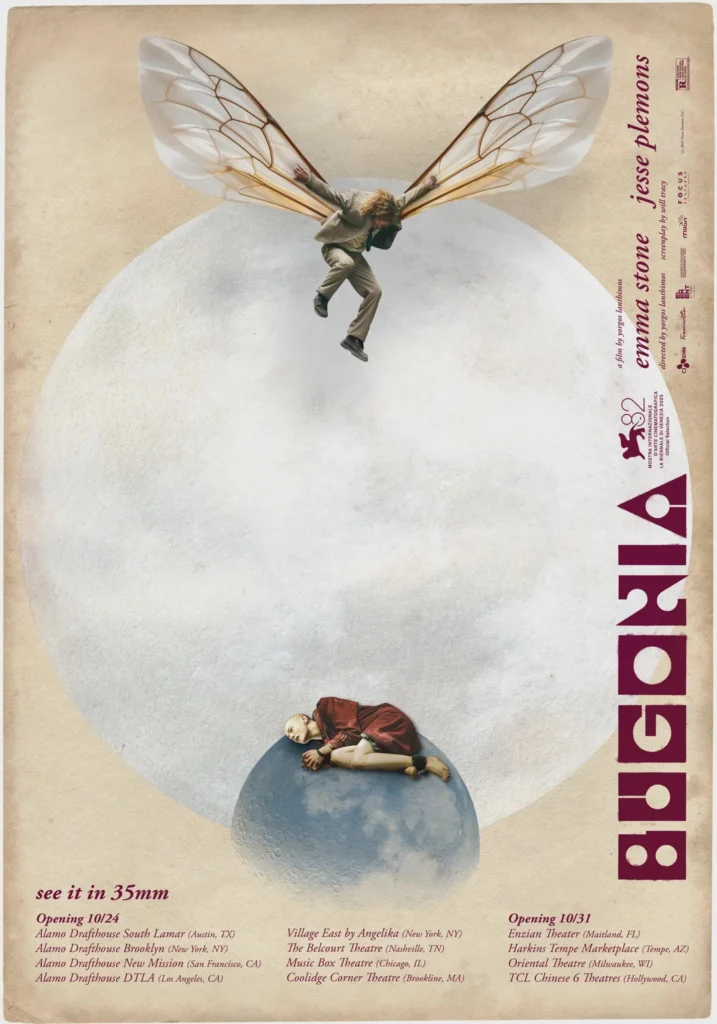
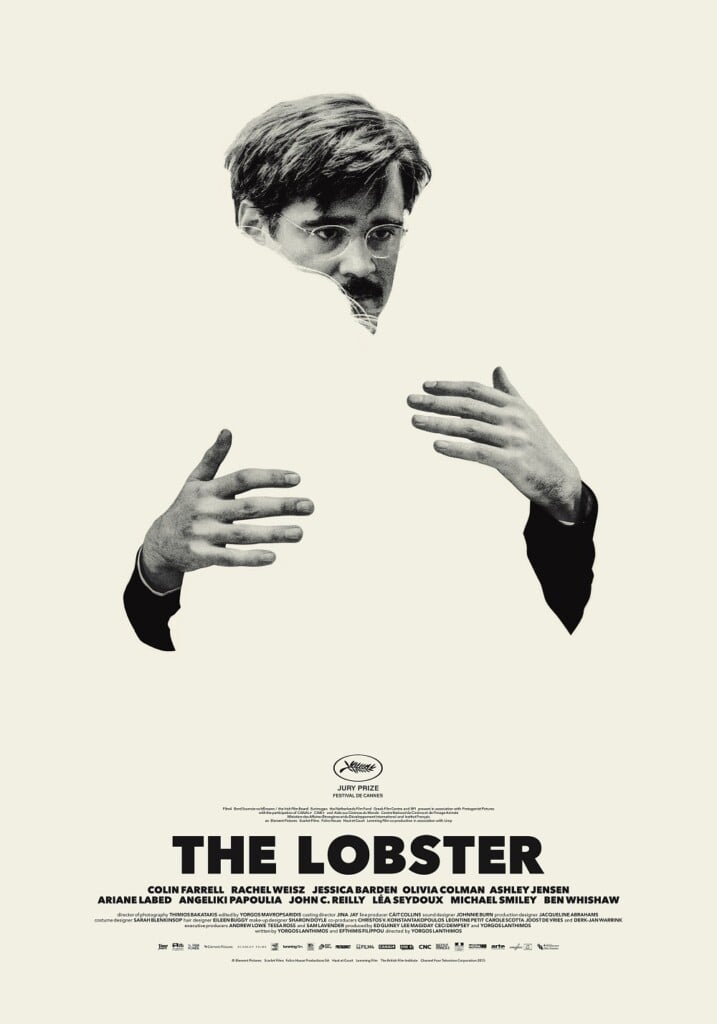
Each poster for the film explores a different facet of the Bugonia universe: eco-anxiety, alienation, American paranoia, the sci-fi element. Marmatakis doesn’t want a poster to summarize — he wants it to suggest, to prepare the viewer to enter a mental space. It’s the same principle that has guided all his collaborations with Lanthimos — from Dogtooth to The Lobster, from The Favourite to Poor Things — but here it finds an even denser, more physical, almost tactile form.
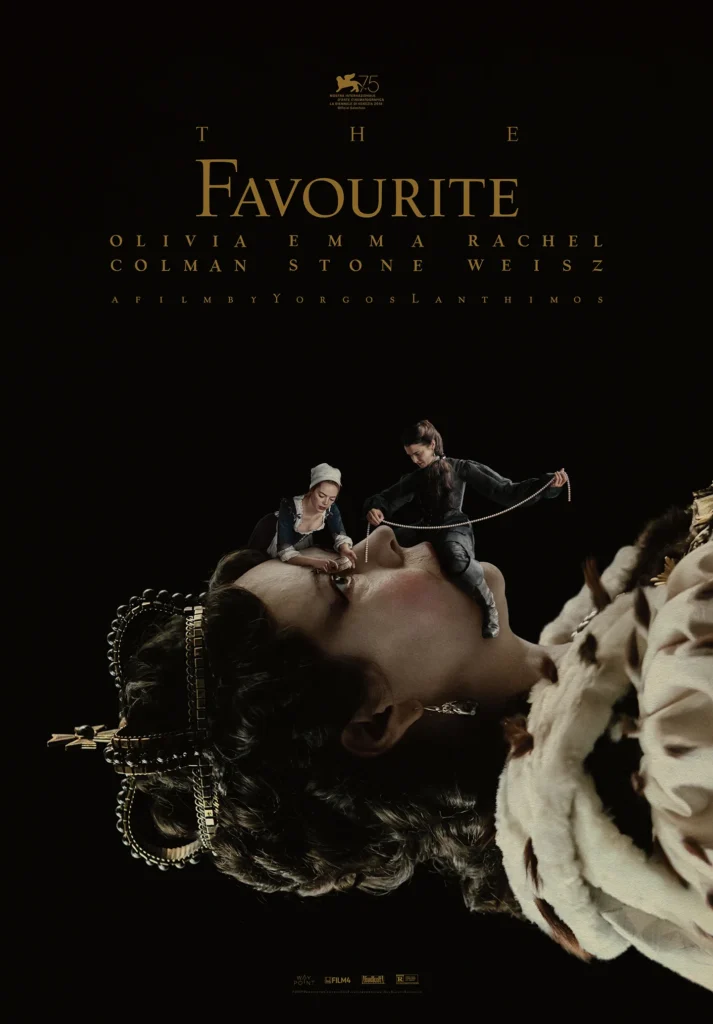
The power of the Bugonia posters lies in how they merge mythology and contemporaneity, balancing rigor and chaos. These are images suspended between attraction and repulsion, between aesthetics and unease — and that’s exactly why they work: because, like Lanthimos’ films, they don’t try to please, but to linger.