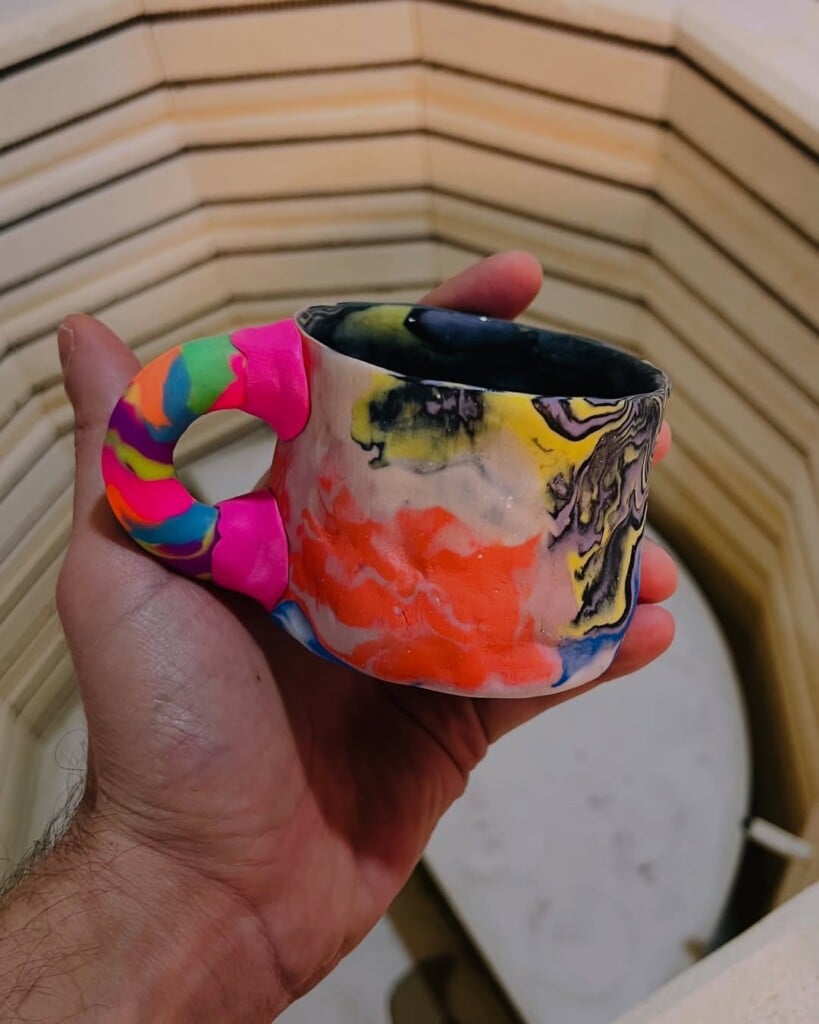
Ceramicism, aka Dustin Barzell, began shaping ceramics by turning them into a personal language made of color, imperfection, and improvisation. Cups, plates, and vases become small chromatic architectures, created using the nerikomi technique, which allows layers of colored clays to be stacked and generates ever-new and unexpected patterns. A body of work that never settles for repetition, but instead makes its uniqueness its strength. Now Bazell seems to be focusing on LightBoxes, yet his creative universe continues to intrigue us.
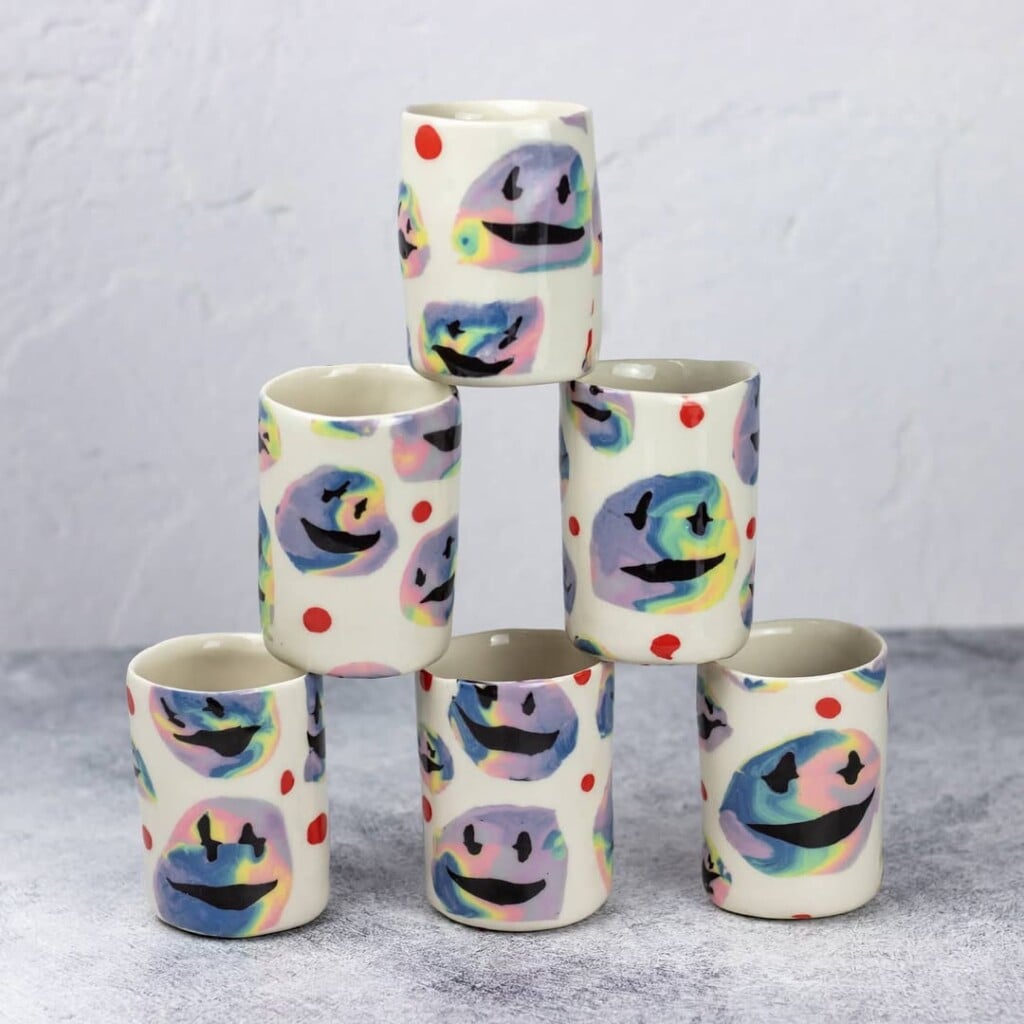
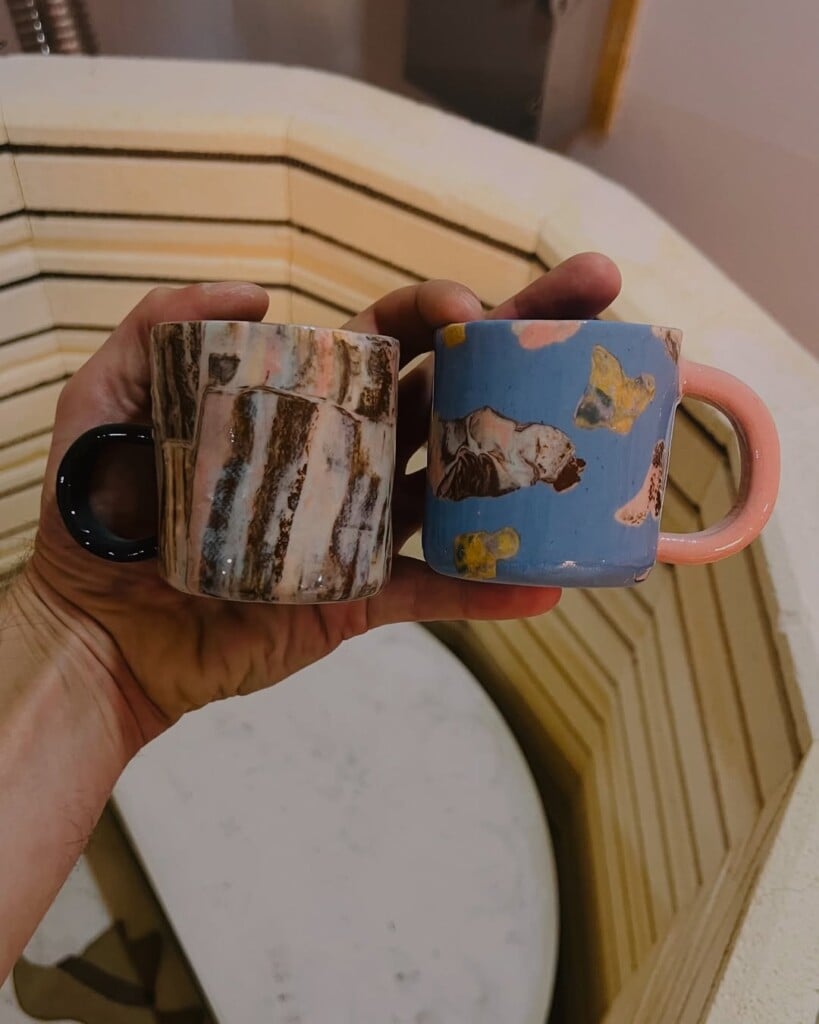
His signature is both recognizable and surprising: cups and vases far removed from the rigidity of industrial design. A pursuit that does not aim for perfection but rather rejects it, choosing to celebrate irregularity as part of beauty. Not by chance, even the New York Times noticed his work, dedicating space to him back in 2021.
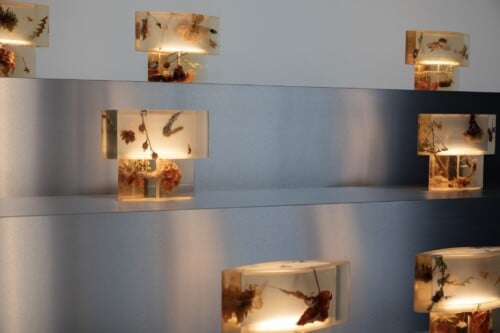
And yet Ceramicism doesn’t stop at ceramics as we know them but also ventures into other areas of design. In fact, with projects like LightBoard and Byte Light, his identity reveals itself in its entirety: light boxes built and programmed by himself in his Brooklyn studio, capable of generating kaleidoscopic light shows to hang on the wall.
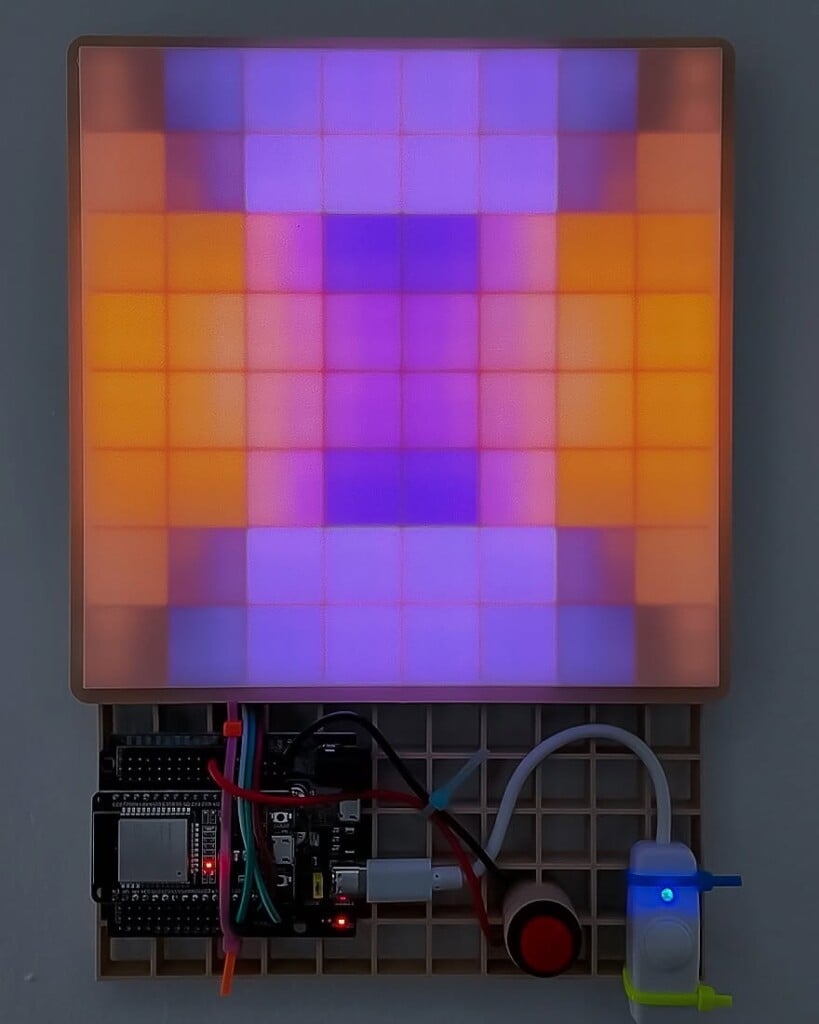
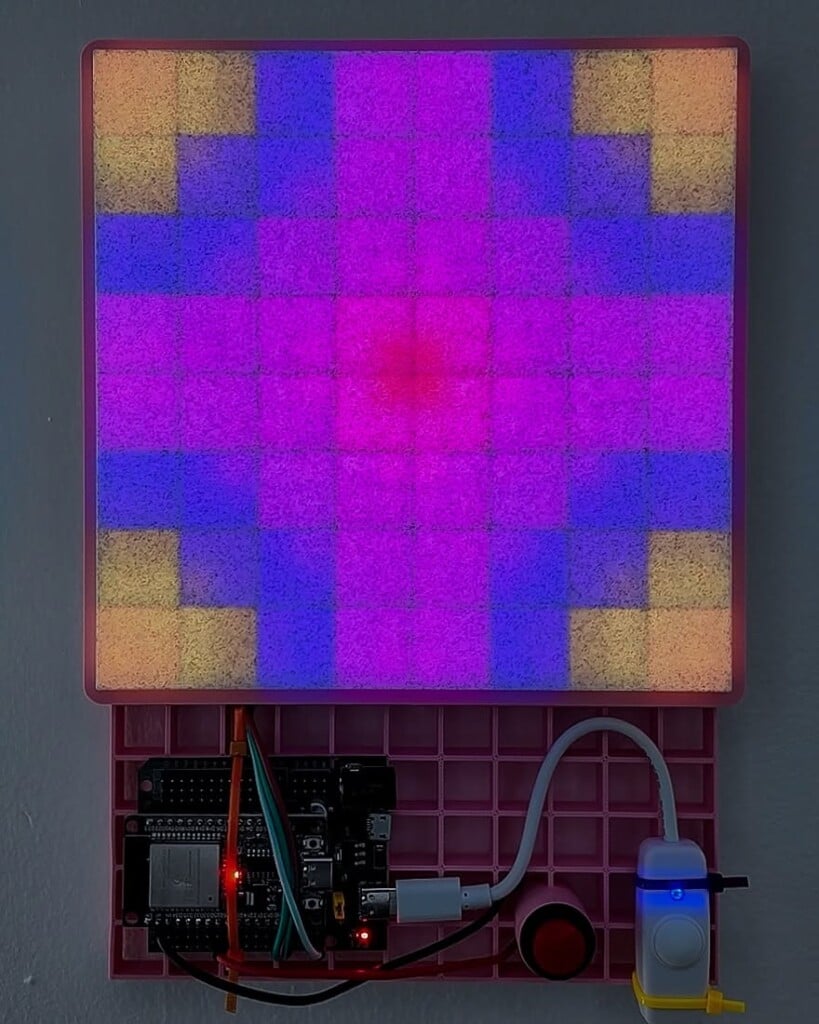
A very different kind of work from ceramics, yet tied to the same need to break everyday monotony through patterns, colors, and—this time—light. At first glance, Ceramicism’s universe may seem chaotic, but in reality, it is a curious, coherent, and open world, where craftsmanship meets technology and every object becomes an experience to discover.