As we know well, C.P. Company has built its identity within a space of sportswear that doesn’t strictly coincide with the playing field. A territory made up of terraces, pre-match pubs, downtime, and ritual routes toward the stadium, where clothing is tied to the experience of sport rather than its practice. It’s from here that a vision, layered over time, takes shape—today summed up in the principle Sportswear, Not For Playing In at the heart of the campaign.

The garments aren’t made to play in, but for everything that surrounds the game. For the hours spent on the sofa at home watching a decisive match, for the compressed intensity of a crowded bar, for the ordered chaos of the stadium. Sport continues in glances, attitudes, in the aesthetics of those who move through it. And it’s precisely in this emotional continuity that clothing takes on a value that goes beyond function.

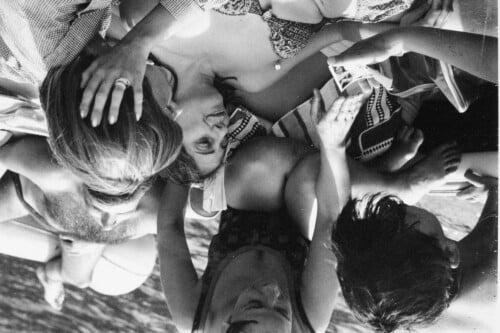
A vision that runs across generations, held together by a shared passion and a ritual that renews itself every week. Results change, seasons change, but people remain—and so do the garments that accompany those moments. Icons like C.P. Company’s Goggle Jacket emerge as symbols of belonging: not simple objects, but vessels of memory. Worn in everyday life, they become silent witnesses to lived emotions, to instants fixed in time.


Some matches are forgotten, others you wish you could erase. But certain moments last forever—not so much for what happened on the pitch, but for who was beside us and what we were wearing in that instant. It’s an idea the brand also translates into the film accompanied by a poem by John Joseph Holt, where every whistle is an emotional tide, every choice a crossroads, every memory a balance of highs and lows.

Read also: Mattia Bellucci returns to the court with C.P. Company