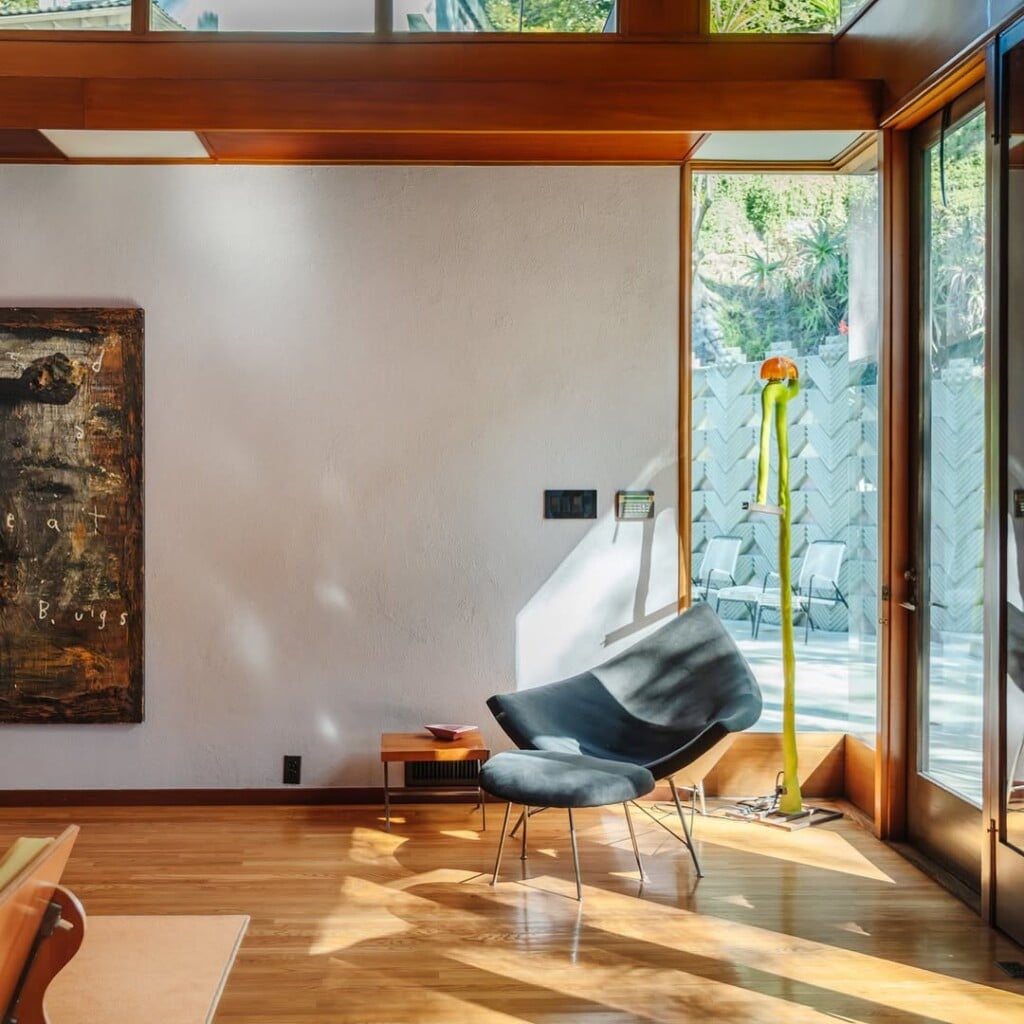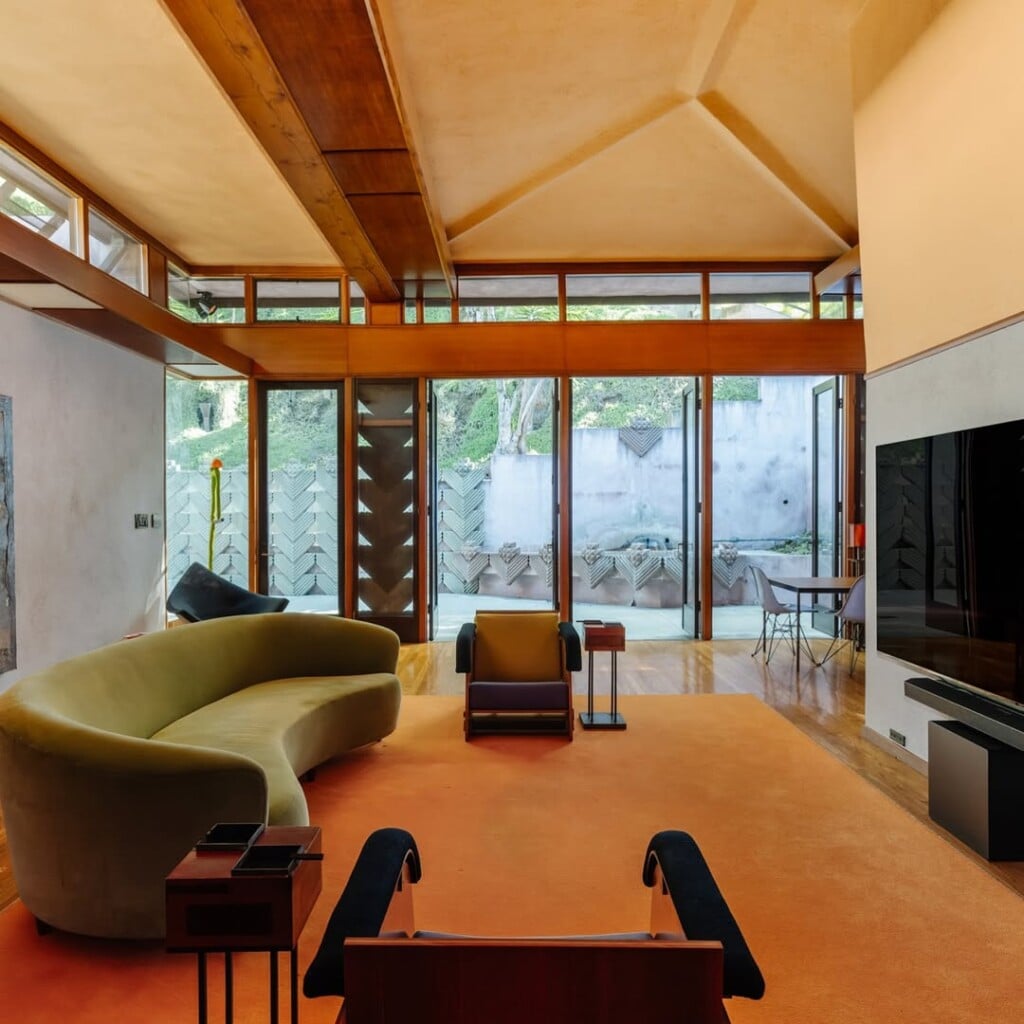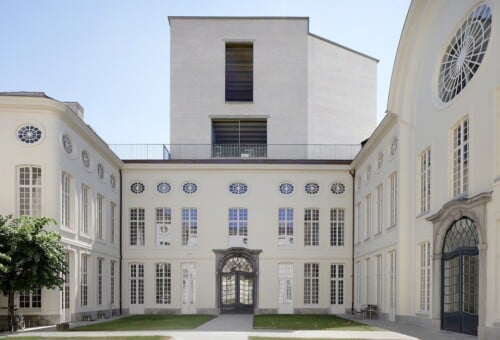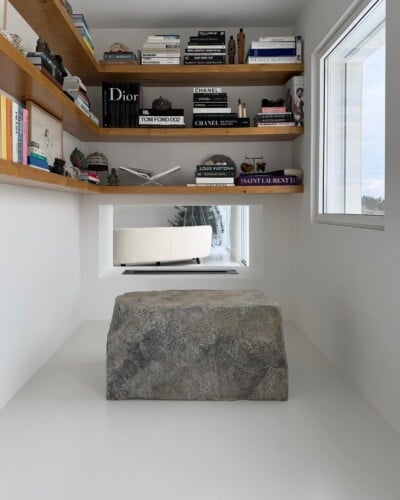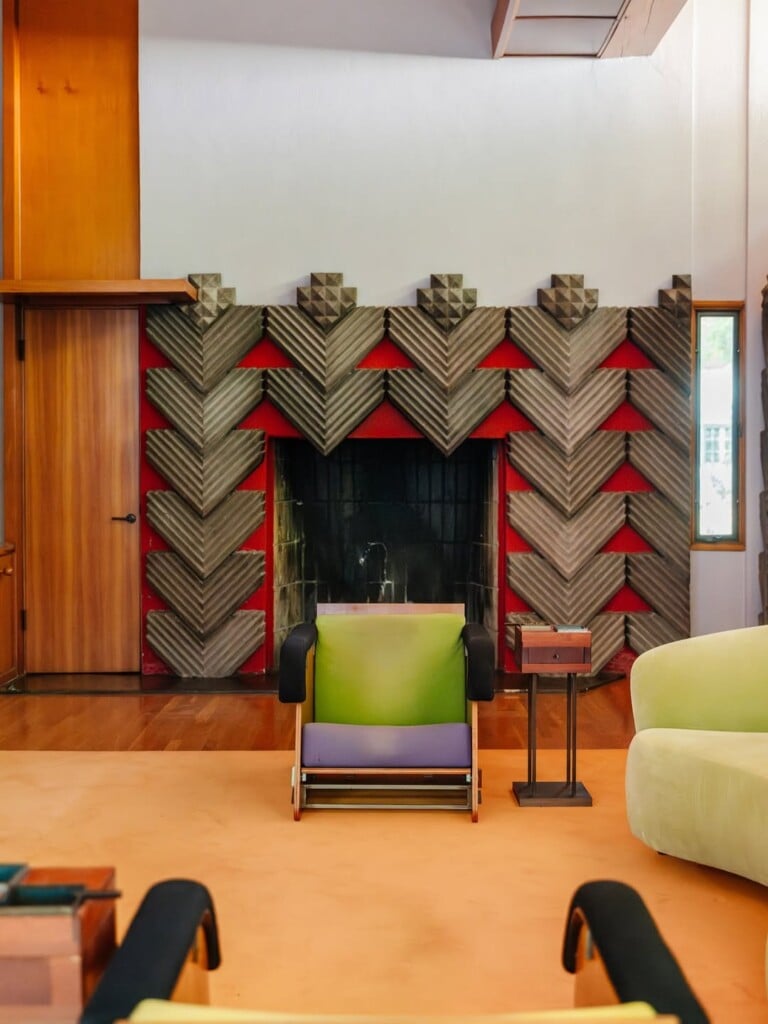
Now that David Lynch’s residence in Los Angeles has hit the market at $15 million, we can finally take a look inside a place shaped by the American director’s way of seeing the world and art. Not just a mansion in the Hollywood Hills, but a parallel universe that helped build the imagination of the director of Twin Peaks and Blue Velvet. The photographs circulating these days reveal spaces suspended between light and shadow, sharp lines and enigmatic details, offering the portrait of a place that has been at once home, set, and creative laboratory.
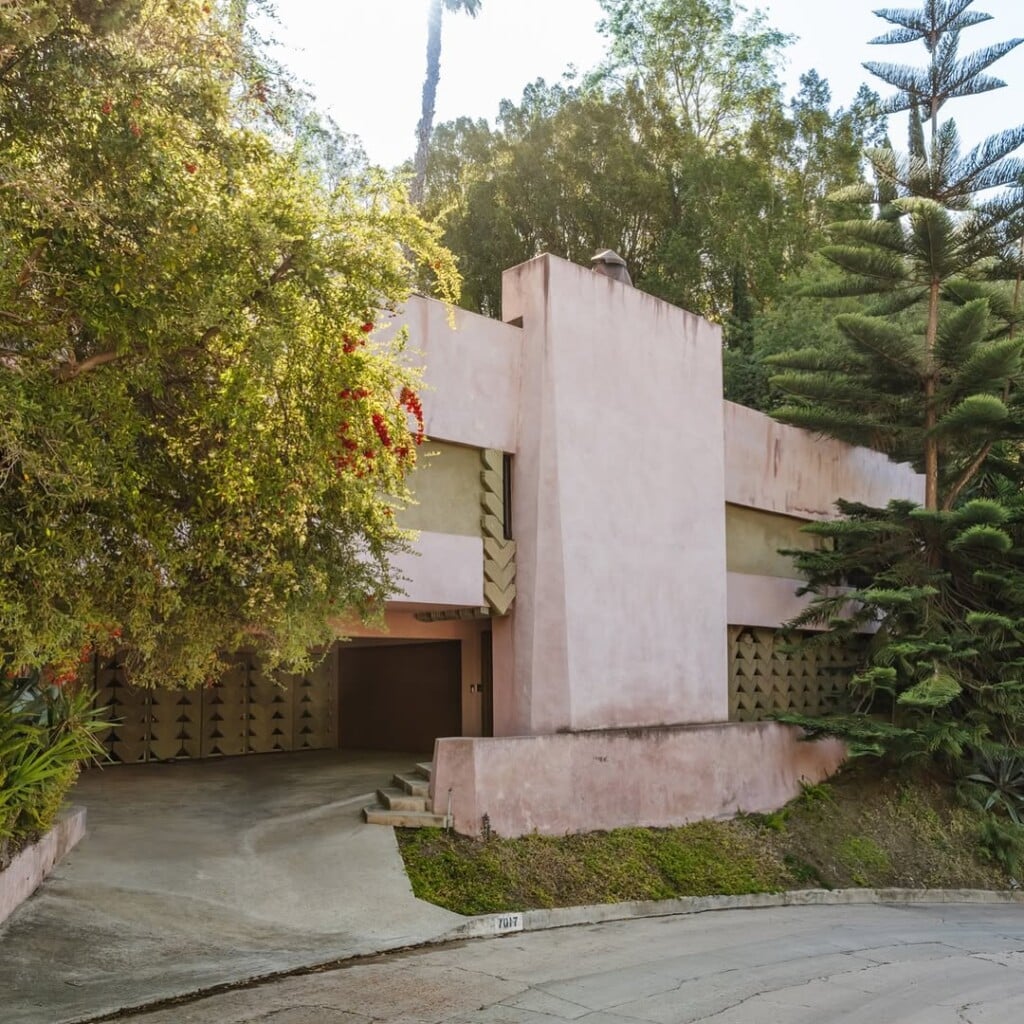
The story of the house where Mulholland Drive was born
Lynch purchased the Beverly Johnson House in 1987. Designed in the early 1960s by Lloyd Wright, son of Frank Lloyd Wright, the residence is recognized by HistoricPlacesLA as an exemplary example of Mid-Century Modern. In 1991 he entrusted his nephew Eric Lloyd Wright with the construction of the pool and pool house, intertwining his story with that of one of the most influential architectural dynasties of the twentieth century.
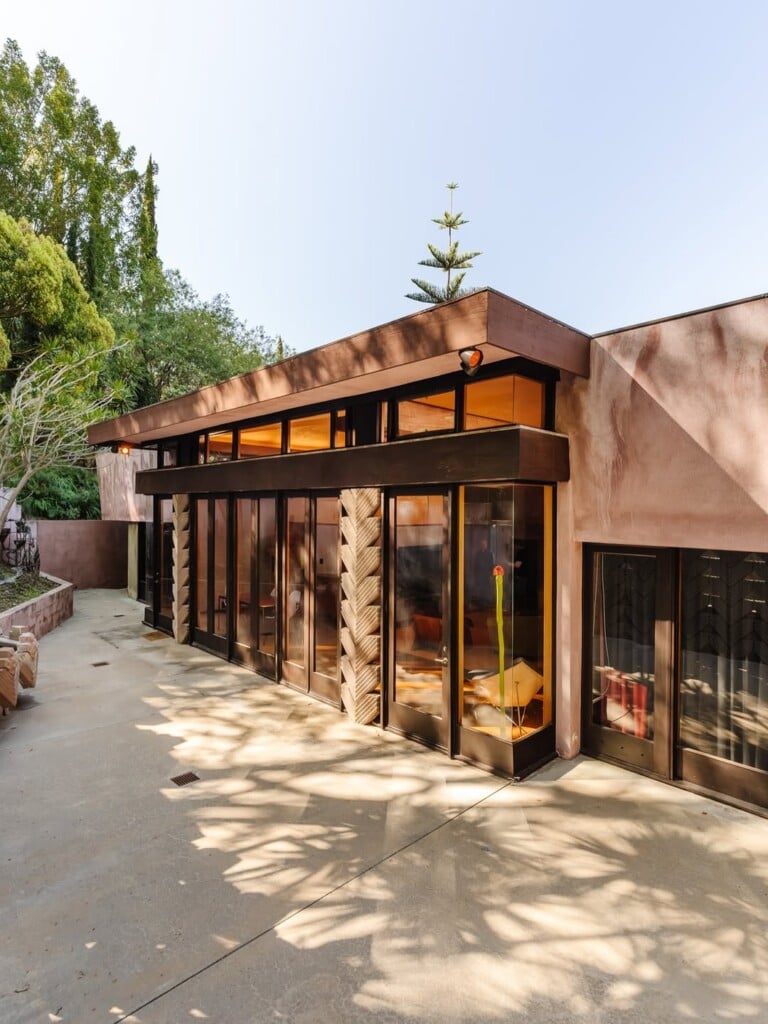
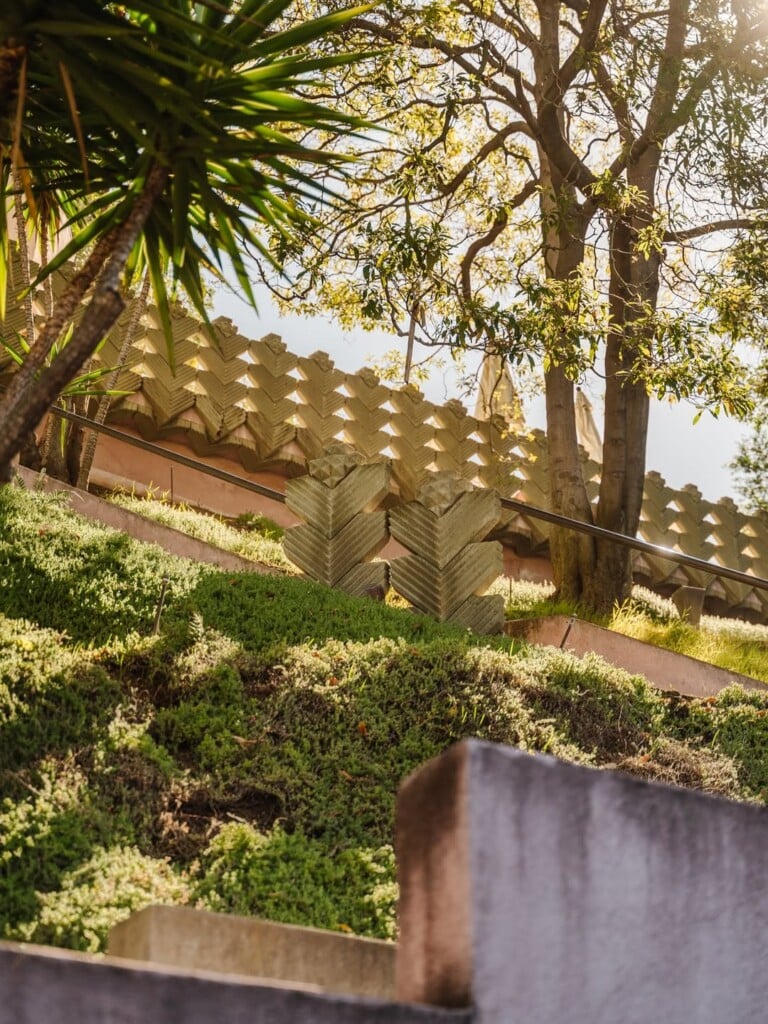
Over the following years Lynch expanded the compound with new acquisitions: in 1989 a brutalist-style adjacent house, in 1995 a studio building and several parcels of land. The result is a microcosm made up of seven structures, ten bedrooms, and eleven bathrooms spread over more than 1,000 square meters: a true factory of ideas, where every space had a precise function—from the editing studio with screening room and library to the guest house, all the way to the film studio where Mulholland Drive took shape.
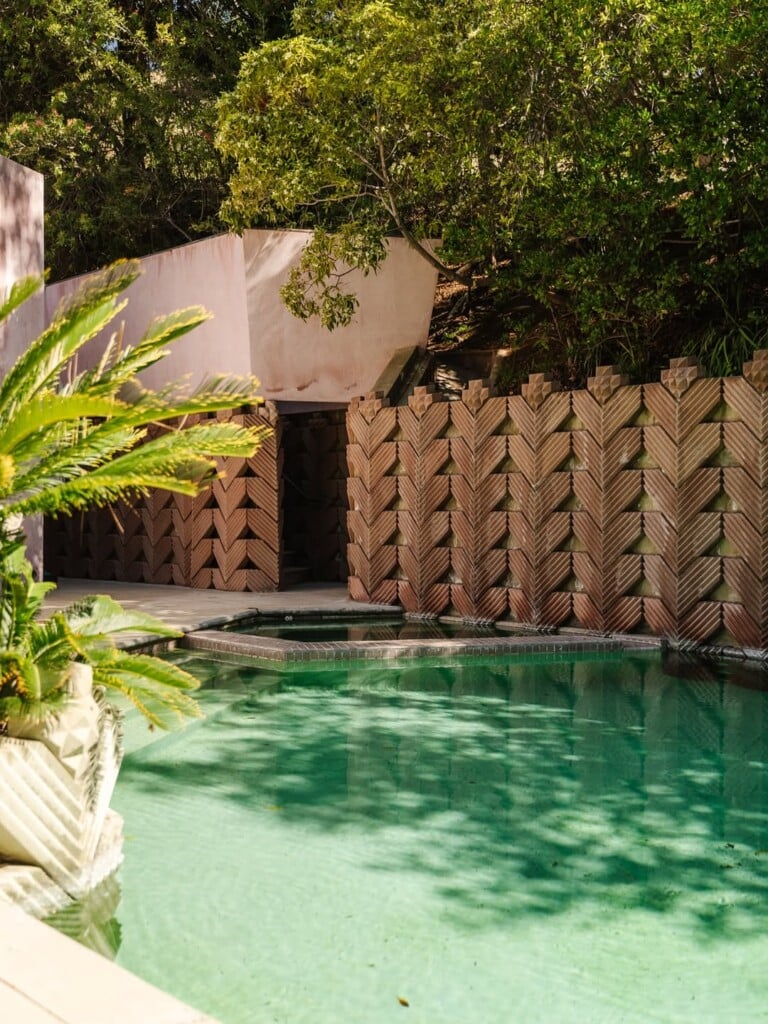
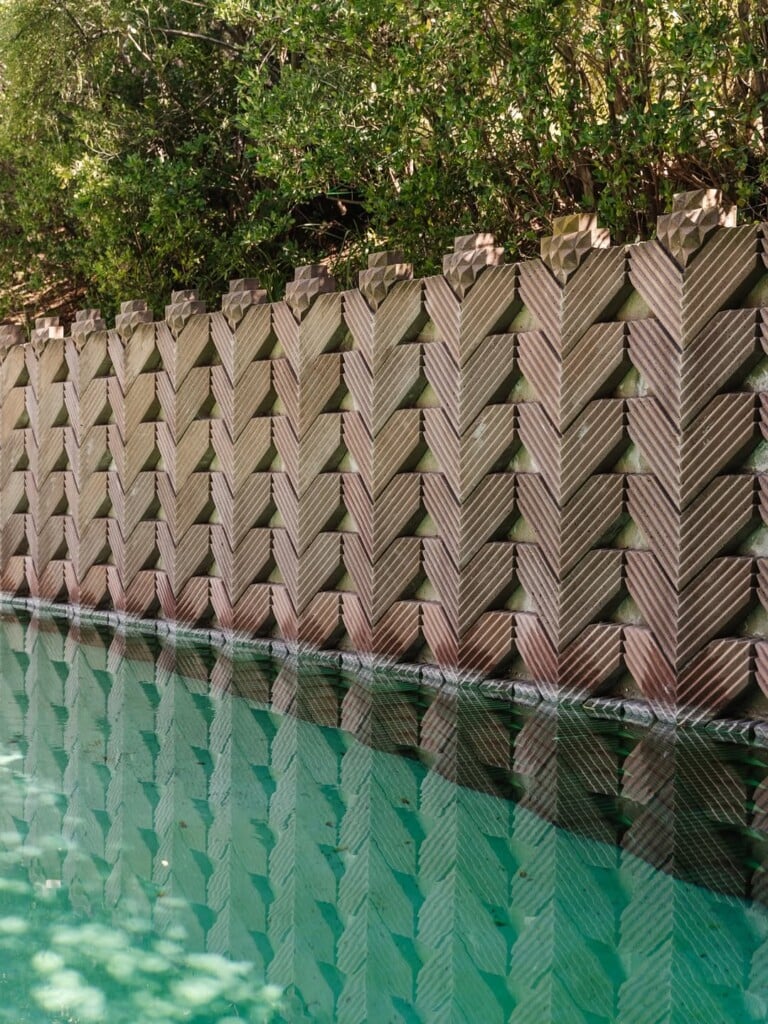
The heart therefore remains the main house, roughly 200 square meters characterized by large glazed surfaces and skylights that showcase natural materials and rigorous geometries. An environment that reflects the same tension running through Lynch’s work: familiar yet unsettling, everyday yet hallucinatory.
View this post on Instagram
Today the property is presented by Los Angeles real estate agent Marc Silver as a “creative sanctuary and architectural landmark.” But beyond its market value, what truly stands out is the chance to closely observe the space that nourished Lynch’s imagination. Entering it—even just with your gaze—means stepping into that universe suspended between dream and nightmare that has made his cinema immortal.