Often, when we talk about design or hear someone else talk about it, the first things that come to mind are inevitably related to aesthetics. A chair can be beautiful, colorful, large, coordinated with the style of what surrounds it, or a contrasting element.
The journey that leads us to see an object not only from an aesthetic perspective is a long one. It is a journey through the stages and obstacles that precede not only production, but design itself, and that ultimately leads to the awareness that design is not only about form.
It took a trip to Älmhult, Sweden, where IKEA was founded, to begin looking differently at what we normally take for granted. Behind a piece of furniture that arrives in our homes lies a world of tests, verifications, and invisible decisions. Before becoming something we use every day, every product undergoes a series of trials that concern not only durability, but also the sustainability of materials, the logic of packaging, and the possibility of optimizing space during transportation. Even a seemingly marginal detail, such as an object’s ability to occupy as little volume as possible, becomes central, because it affects both environmental impact and final accessibility.
This is where design stops being a purely aesthetic matter and becomes a form of everyday engineering. Every formal choice is the result of a compromise between what is desirable, what is possible, and what is responsible. And this completely changes the way we look at the objects around us, because it forces us to recognize that, in reality, nothing is ever neutral.
And yet, when we buy furniture, we rarely think about all of this. We focus on what we can see: the color, the dimensions, and the ability to fit into an existing space. Everything else remains invisible, almost irrelevant in the final decision.
This approach may seem paradoxical, especially if we consider how the approach in the fashion world has changed. In recent years, there has been growing awareness of the production chain, the impact of materials, as well as workers’ conditions and the costs of shipping and returns. In design, however, this attention is still fragmented. And this is particularly interesting because objects for the home (and beyond) are almost never temporary: they remain, accompany us, shape habits, define rhythms, and influence the way we inhabit space.
When we buy a white T-shirt, we research to find the one with the best cotton quality, a Made in Italy label, and the fit that flatters us the most—and, if possible, one we can try on in a store. Yet when it comes to the furniture in our homes, we often do not know who designed it, what materials it is made of, or how much its production and delivery to our doorstep impact the environment.
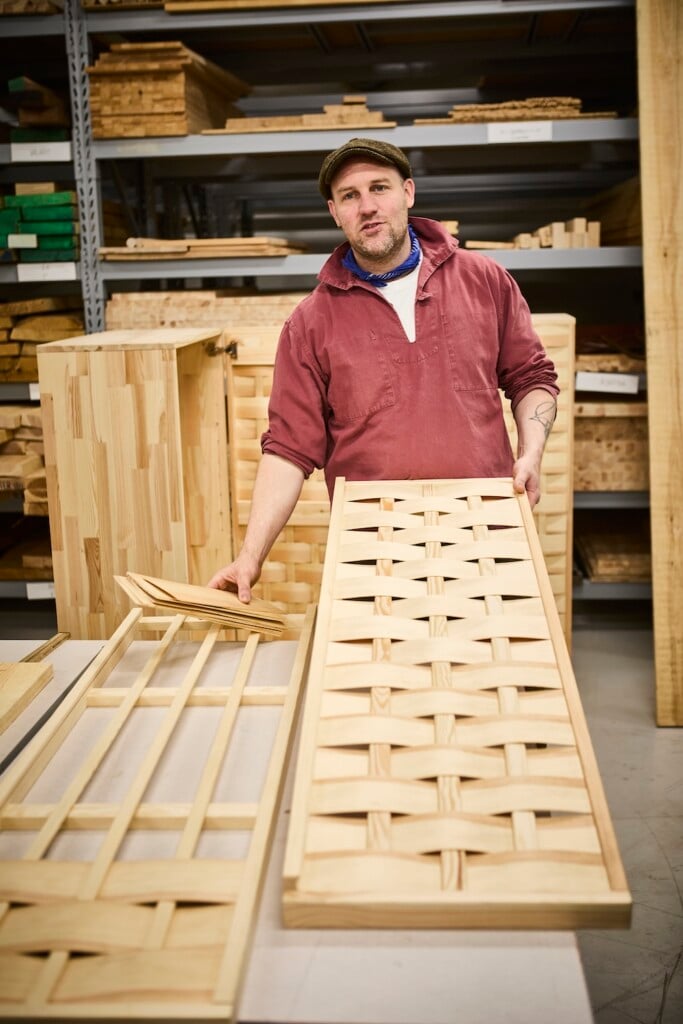
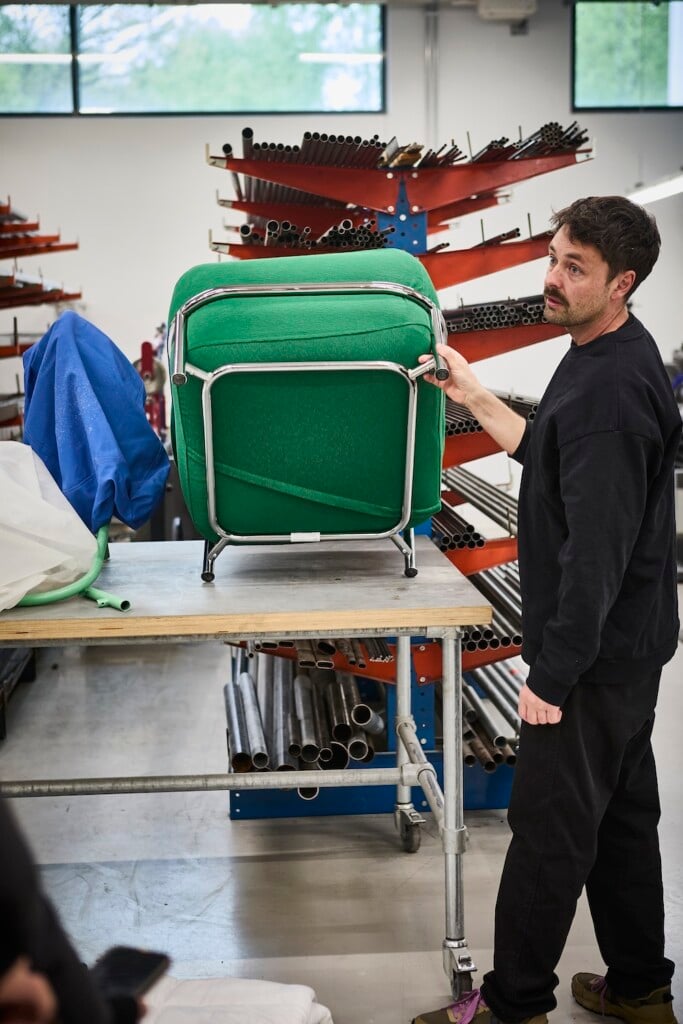
Stepping into the IKEA Test Lab was like a cold shower, seeing firsthand how much attention is paid not only to the product’s aesthetics, but to its use. It is a place where time is compressed and accelerated to understand what will happen later, when that chair, table, or lamp is used every day, when that drawer is opened thousands of times, and when that fabric has to withstand everyday life. But what is truly striking is that durability is not the only parameter. Every element is also examined through the lens of sustainability, logistical efficiency, the amount of material used, and the possibility of being recycled or disassembled. The project never ends with the object itself, but continues in the way that object will exist in the world.
In this sense, packaging also becomes an essential part of design. Reducing just a few centimeters can completely change transportation logic, increase the number of items that can travel together, reduce emissions, and lower costs. It is invisible but fundamental work, demonstrating how the final form is only the tip of the iceberg in a much more complex system.
Perhaps it is only at this point that we can speak of democratic design. Not as a slogan, but as a constant tension between different needs. An object can be beautiful, but if it is not accessible, it loses part of its meaning. It can be affordable, but if it does not last, it quickly becomes unsustainable. It can be sustainable, but if it does not fit into real life, it risks remaining more of an idea than a solution. Democratic design emerges precisely in this unstable space, where all these dimensions must coexist without canceling one another out.
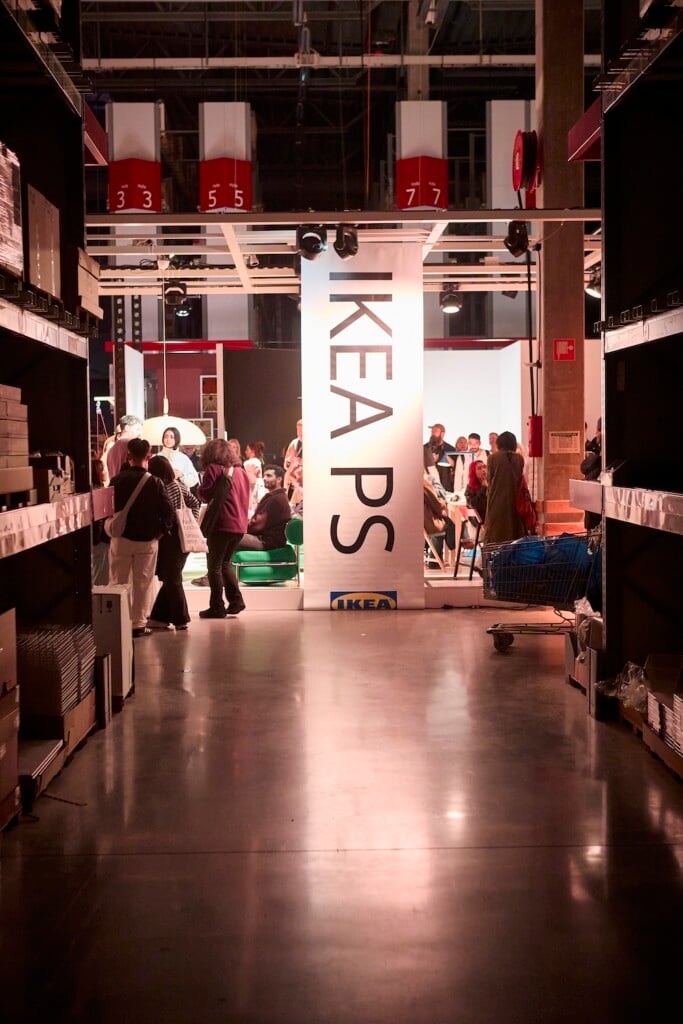
Today, this challenge is even more evident because the way we live has changed profoundly. Homes are smaller, more expensive, and more flexible. Increasingly, the same space must accommodate different functions, transforming throughout the day. We sleep, work, eat, and live in the same environment. In this context, design can no longer simply decorate; it must become adaptive, capable of responding to a daily life that is no longer stable, but fluid.
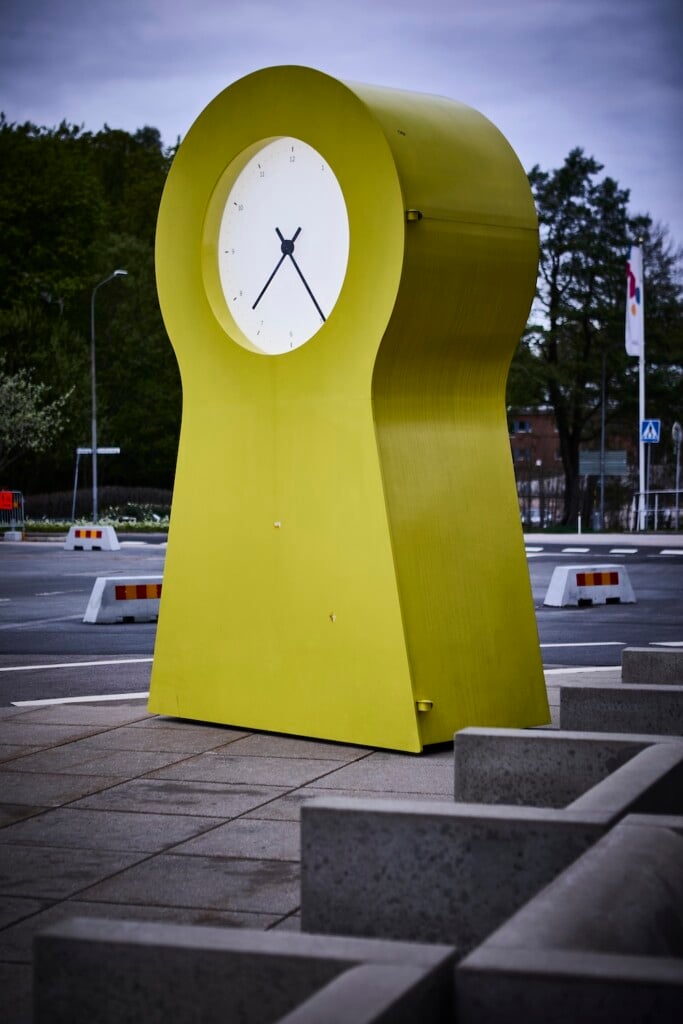
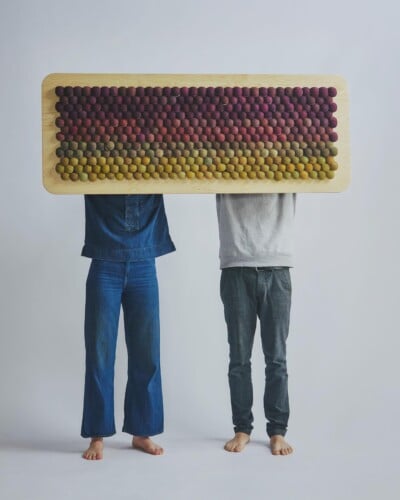
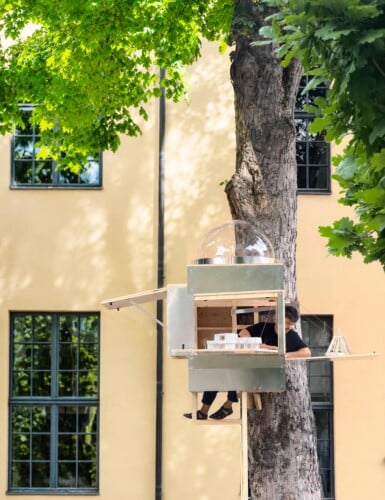
This is the direction taken by IKEA PS, a collection that has functioned over time as an open laboratory, a place where the brand has been able to experiment with languages, forms, and ideas without the rigidity of standard production. From the first PS clock-container in 1995 to later projects such as Thomas Sandell’s sofa, Nicholai Wiig Hansen’s cabinet, the VÅGÖ chair, Monika Mulder’s LÖMSK armchair, and David Wahl’s 2014 lamp, one constant emerges: the idea that domestic objects can be at once simple and surprising, functional and poetic, accessible yet never banal.
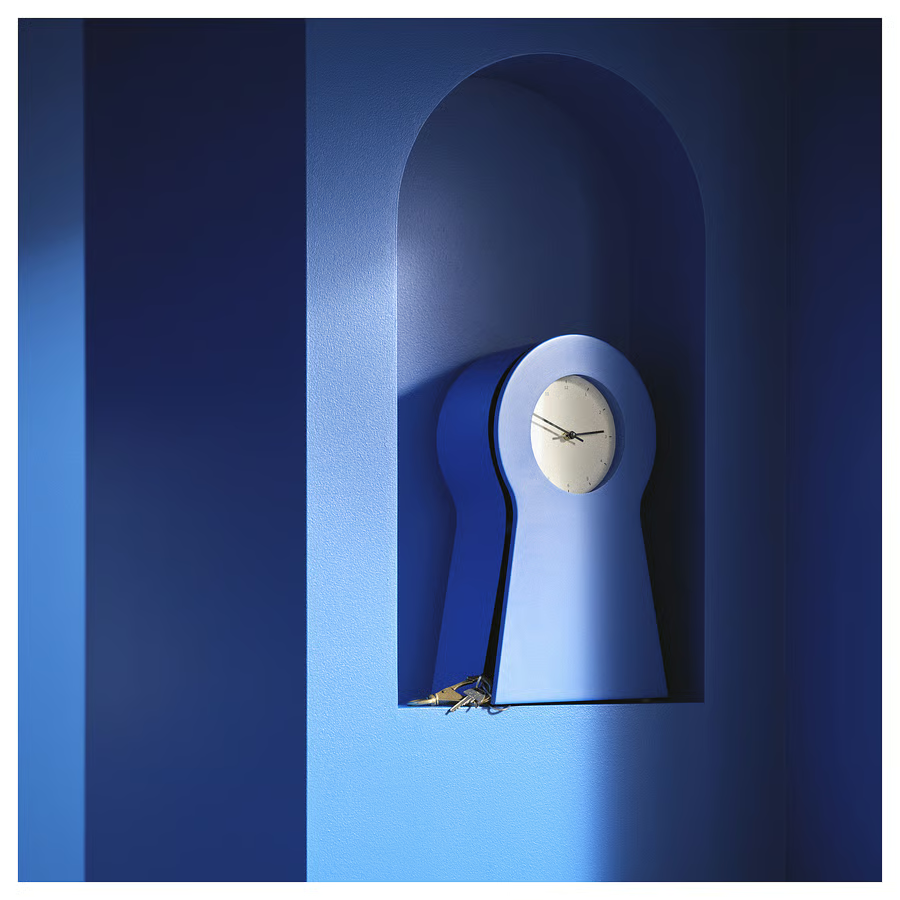

This same tension runs through the most recent editions, up to IKEA PS 2026, which continues to question how we live today, what it means to inhabit increasingly hybrid spaces, and how design can respond to this complexity without simplifying it superficially. Objects that transform, fold, and adapt do not impose a single use, but instead open up possibilities and suggest different ways of inhabiting space.
When speaking with designers, a common point often emerges, almost a shared belief: design begins with observing real life, not with abstraction. Designers look at how people move through space, how they accumulate objects, and how they transform a room throughout the day, and from there they build a response. Aesthetics are not eliminated, but arrive as the consequence of a process that brings together needs, limits, and possibilities.
In this case, we could say that design is truly democratic not because it is the same for everyone, but because it attempts to respond to different needs without excluding anyone. Because it seeks a balance between quality and accessibility. Because it brings together desire and necessity.
Perhaps democratic design is exactly this: a form of quiet attention that slips into everyday life and makes it a little simpler, a little fairer, and a little more livable. It arrives and promises possibilities, and in a contemporary world where the domestic space has become a refuge, an office, and an entire world all at once, that possibility carries a weight that goes far beyond the object itself.