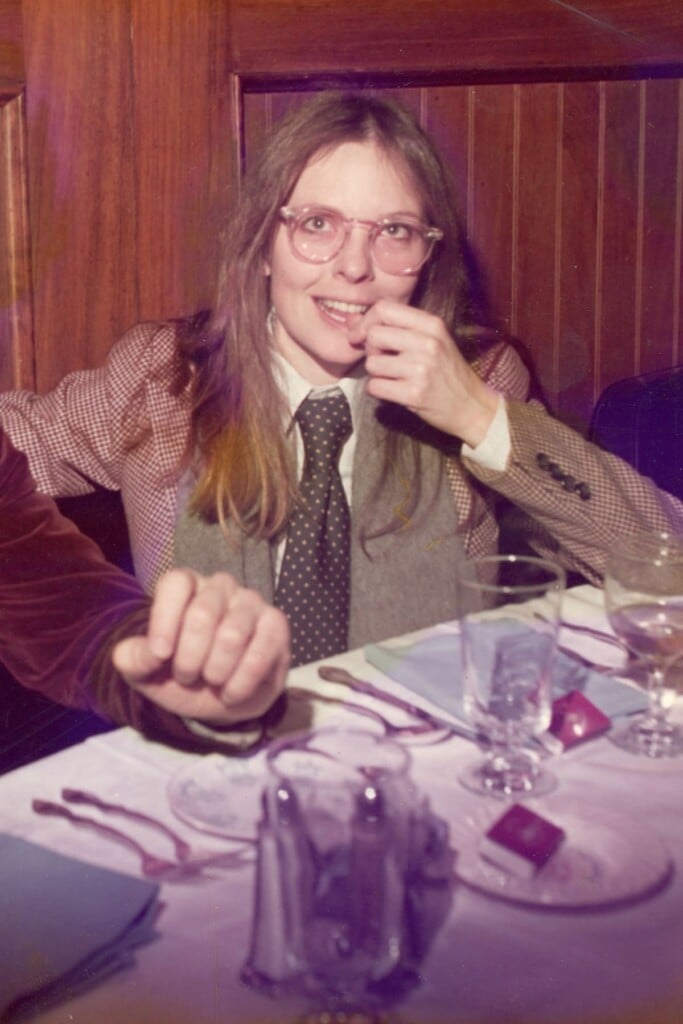
If the way we dress is how we communicate to the world who we want to be and which version of ourselves we want to show others, Diane Keaton was a master at it. Two days ago, at 79, she passed away, leaving behind iconic performances and the legacy of a woman who proved that it’s possible to dress for oneself and not just for others or, simply, for a role.
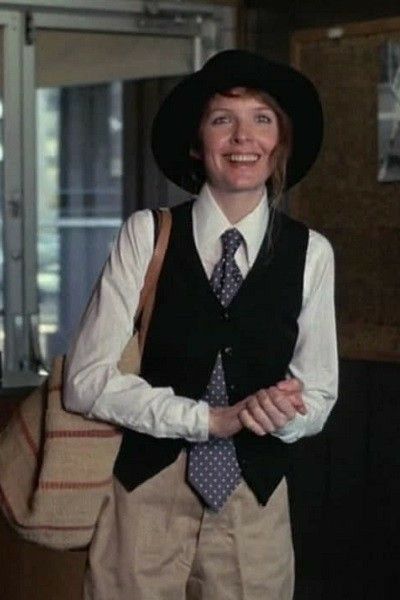
Keaton didn’t dress to please others, and precisely because of that – as we’ve read in the countless tributes published in recent hours – she was magnetic. She didn’t follow the rules of the male gaze, nor was she guided by the idea of having to be desirable or conform at all costs. Her way of dressing was both political and poetic: wide pants, structured blazers, slim ties, bowler hats, men’s shirts, chunky boots. A perfect balance between strength and lightness, between the rigor of tailoring and the freedom of self-expression.
It all begins with Annie Hall, the 1977 film that consecrated her as an icon of a new kind of femininity. It wasn’t a costume imposed by the production, but her own wardrobe that defined the character: men’s vests, loose trousers, white shirts, vintage hats, ties knotted imperfectly. Diane brought herself to the set, and from there one of the most influential aesthetic revolutions in cinema was born. That look, copied and reinterpreted for decades, changed the way women could dress — no longer to please, but to assert themselves.
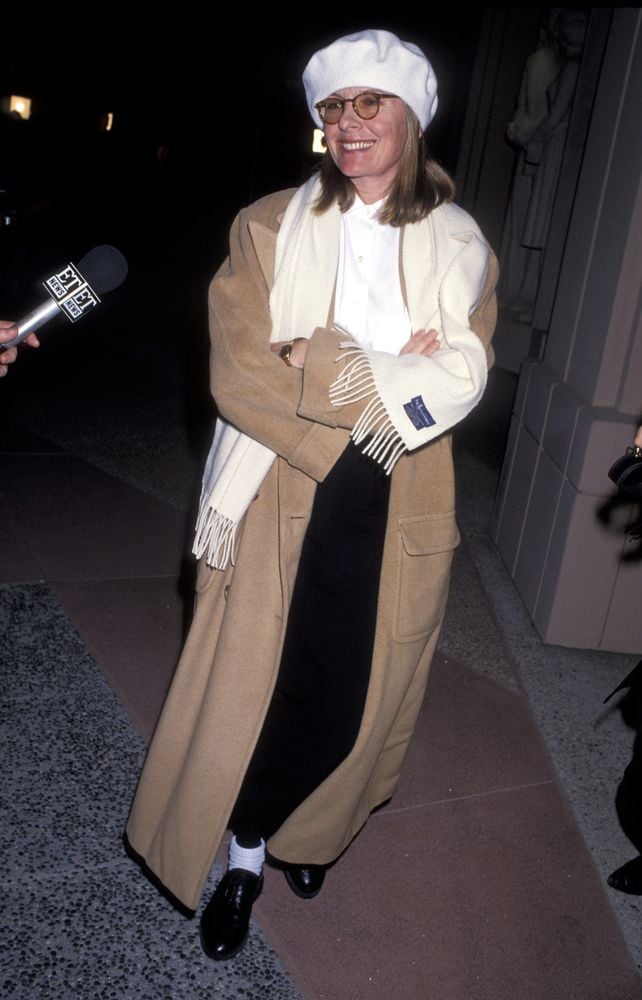
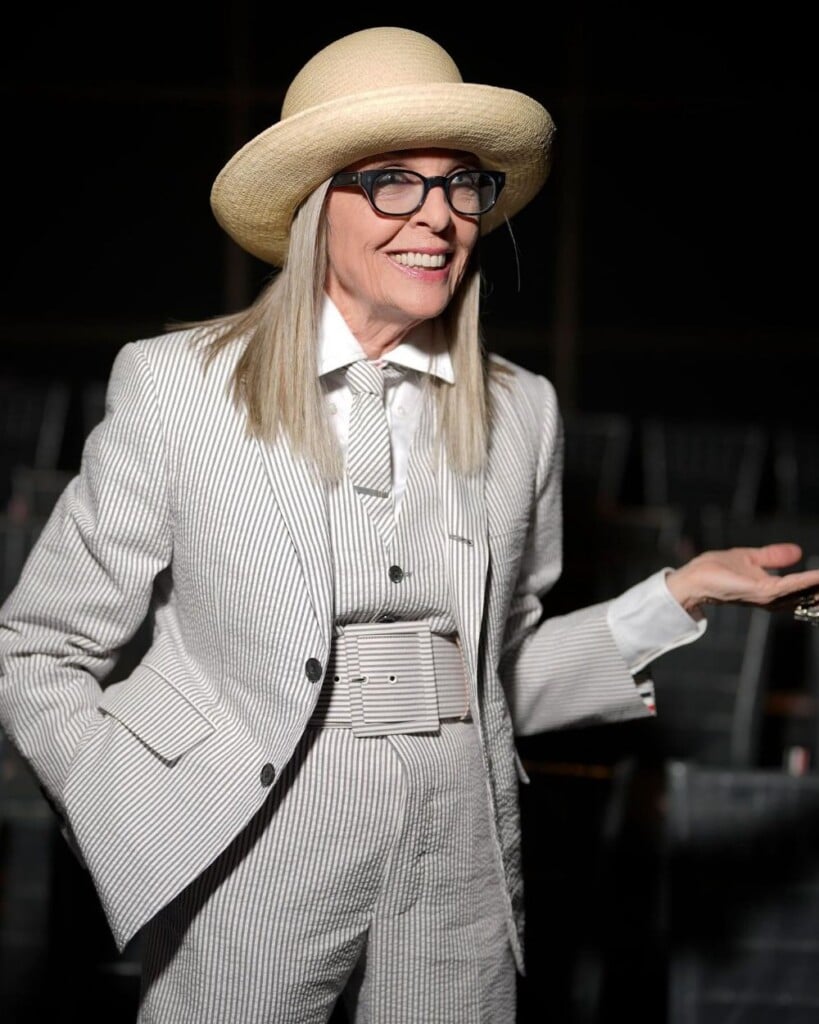
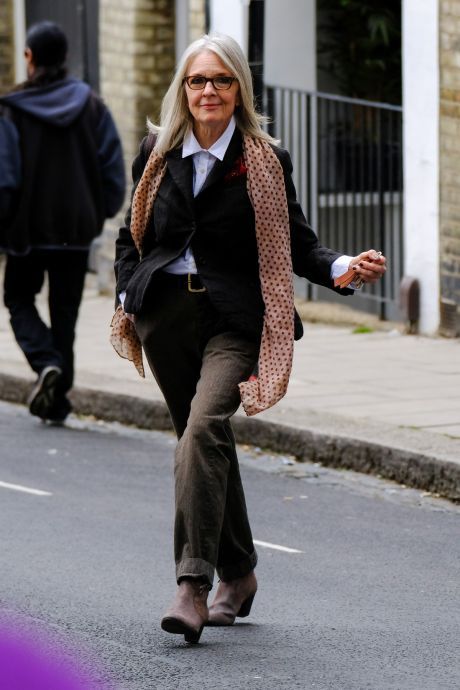
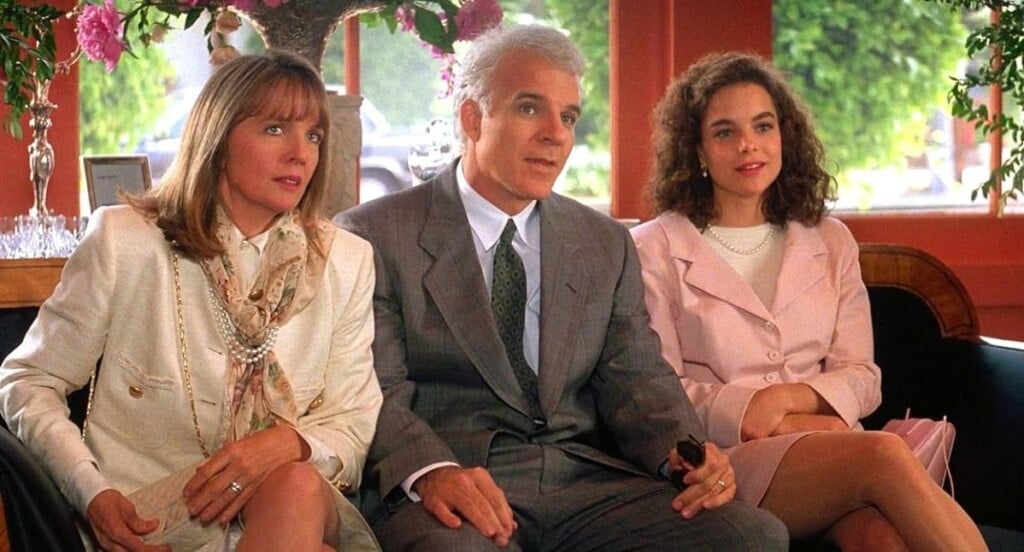
In the eighties, with Baby Boom, her style evolved without losing coherence. The suits became more structured, the shoulders broader, the colors bolder. It was the era of working women, women who led, who claimed their own space — even in their wardrobes. Diane embodied that figure naturally, blending rigor and irony, as if every suit told a different story of emancipation.
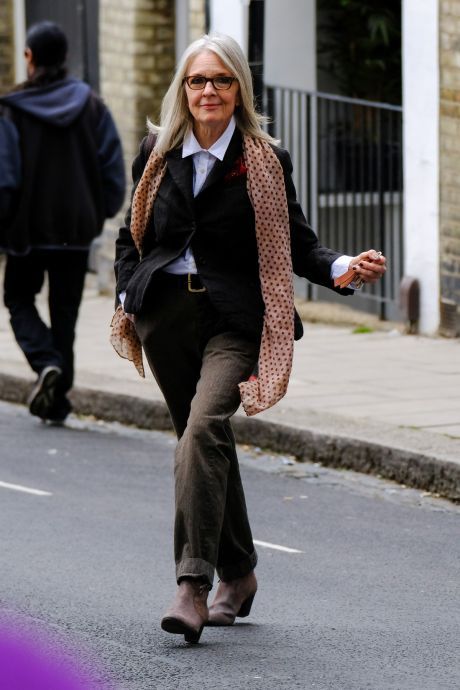
On the red carpet, she never abandoned her personal aesthetic, choosing pieces by Ralph Lauren, Giorgio Armani, Thom Browne, Comme des Garçons, Richard Tyler. But rather than dressing in these designers, Diane reinterpreted them, bending them to her vision. She wasn’t the muse of any fashion house — most of the time, she decided what to wear herself. Even in recent years, on Instagram, with her hats, shoes, oversized glasses (and not only those), she continued t