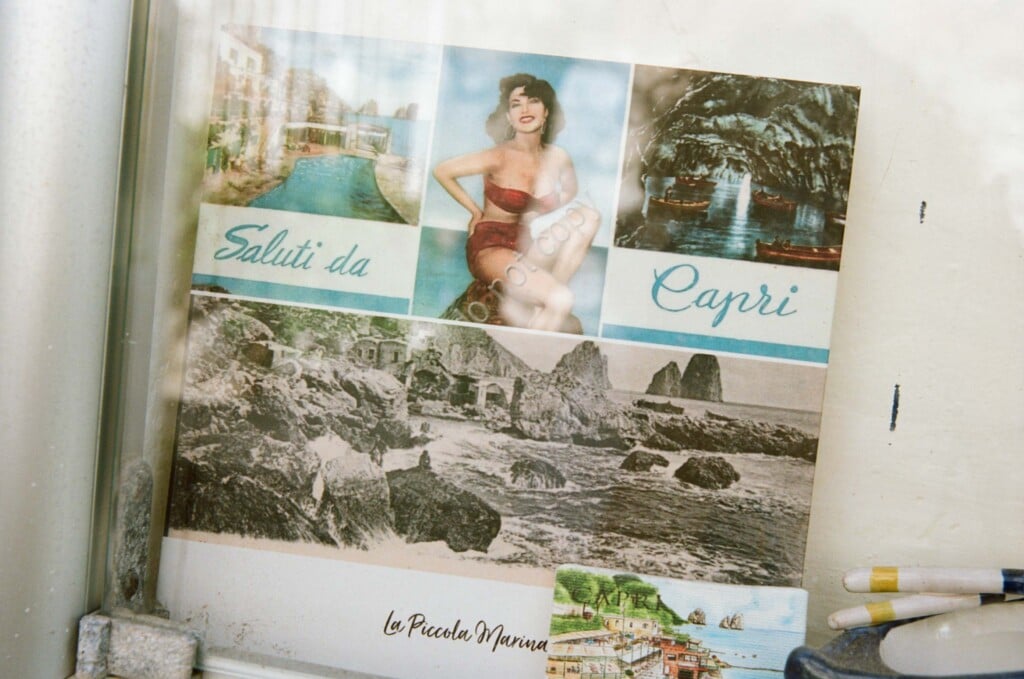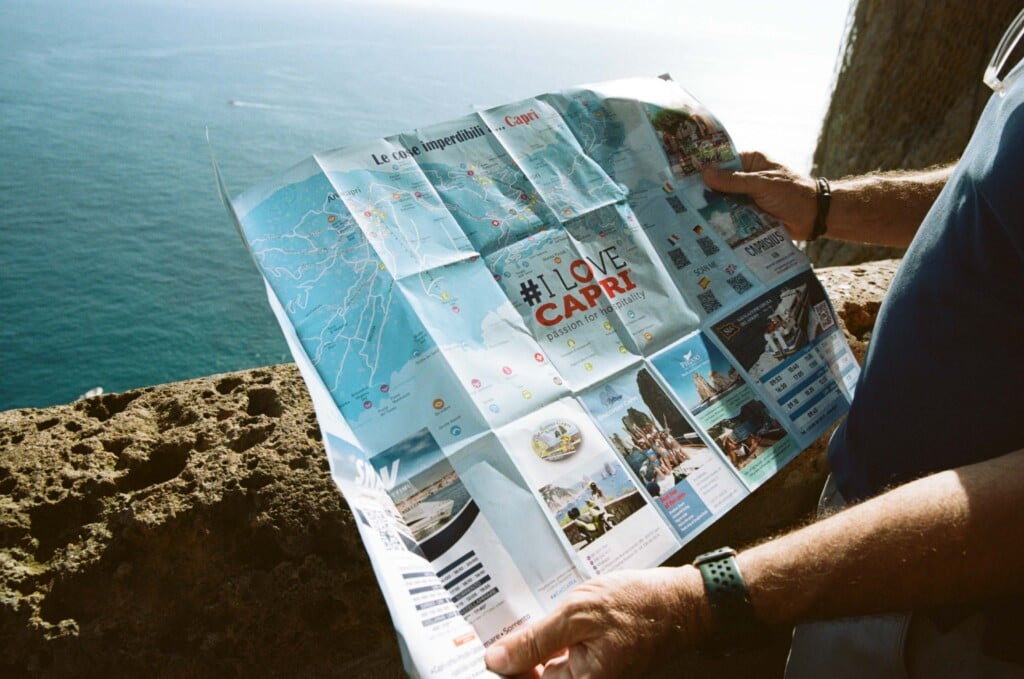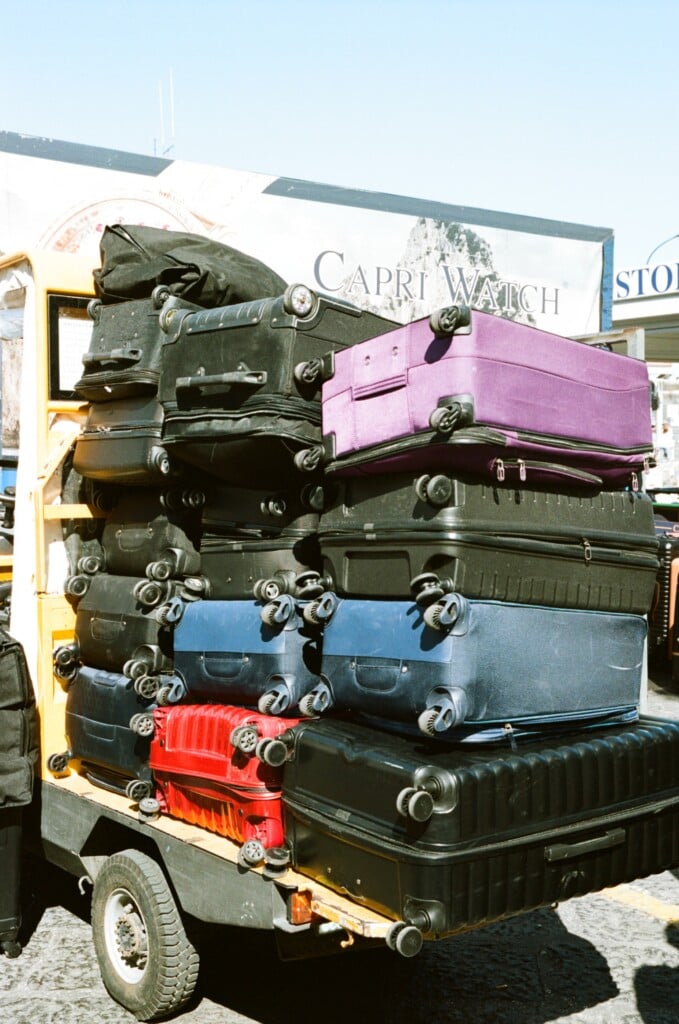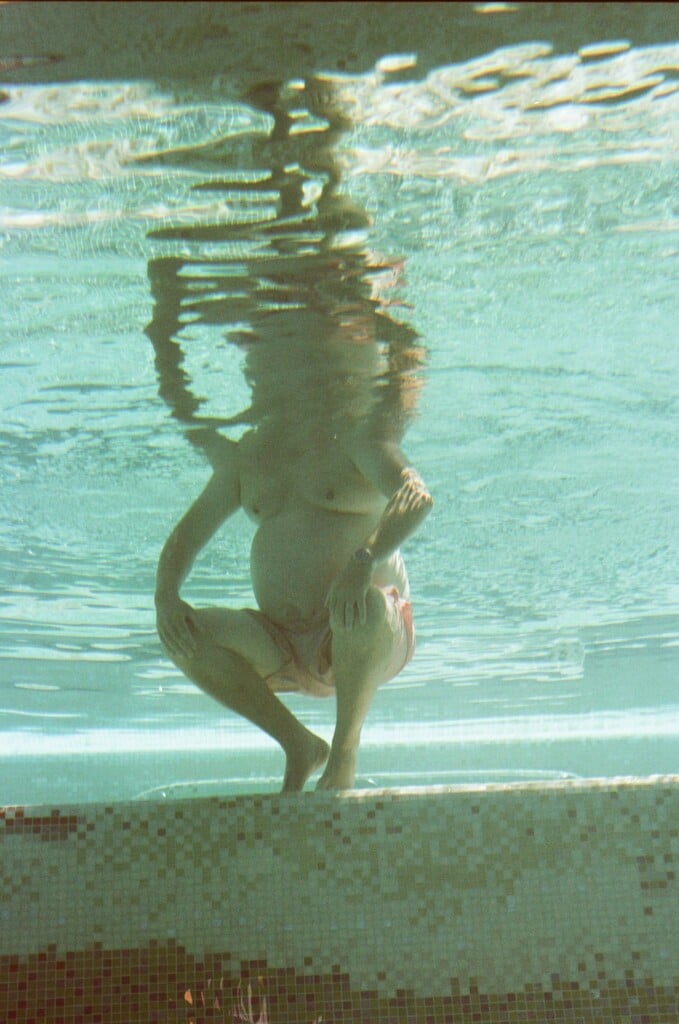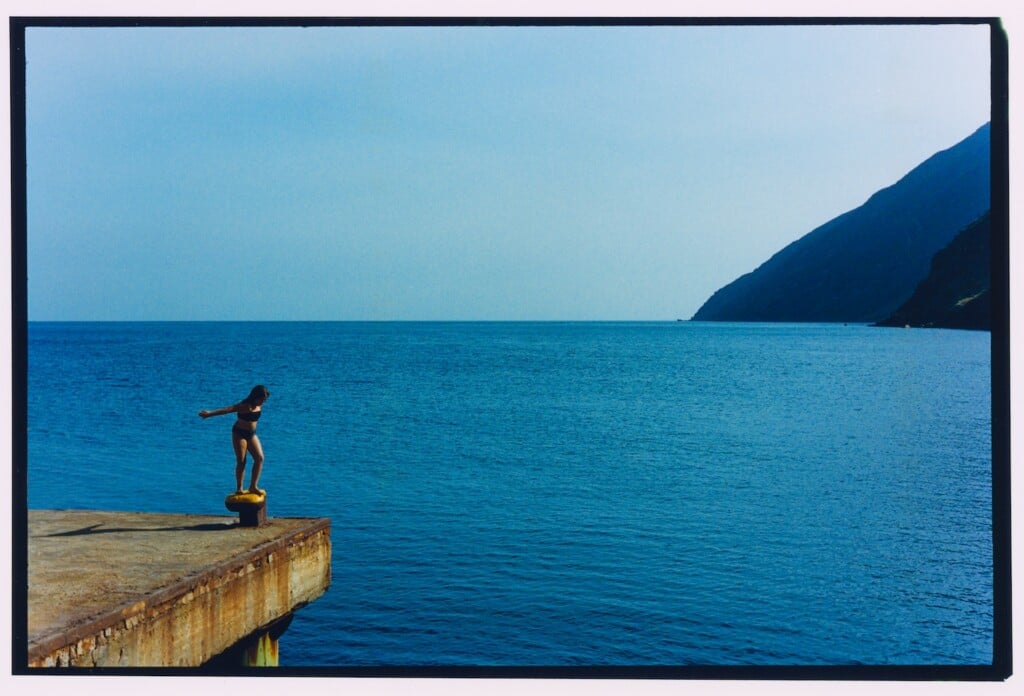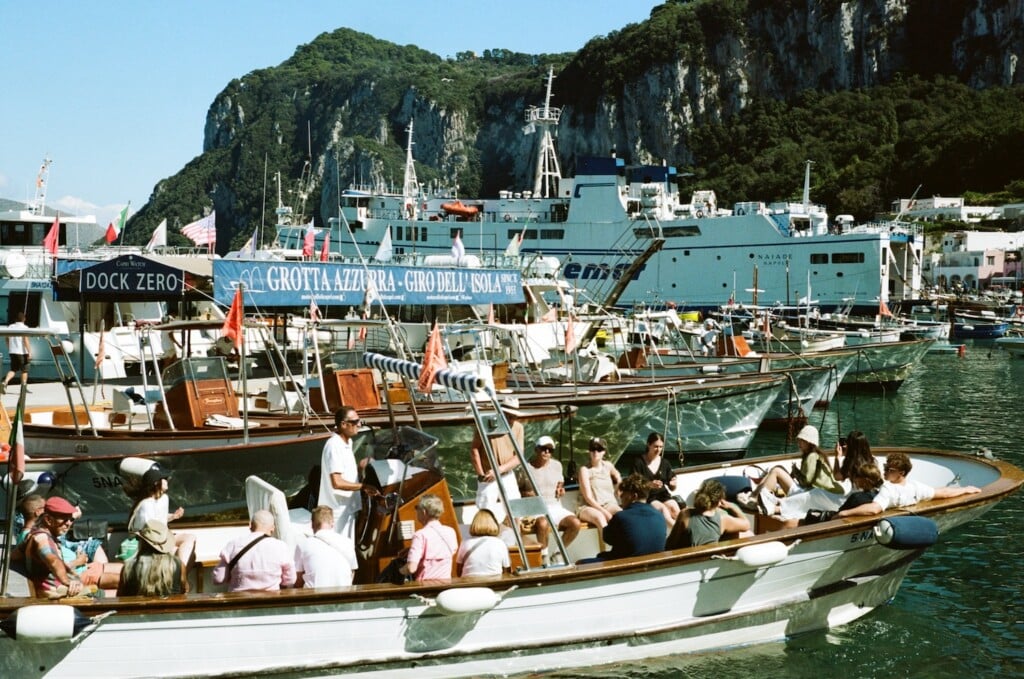
Changing a single letter is enough to overturn an entire worldview. From Mare Nostrum to Mare Vostrum the shift looks minimal on paper, but it marks a profound one, that of a Mediterranean that stops belonging to those who inhabit it and becomes territory to be consumed by those who pass through it. It is from this linguistic twist that Mare Vostrum takes its name. Mare, turismo e paesaggio, the new photography exhibition by Eleonora D’Angelo, occupies the Magazzini di Levante at Forte Santa Tecla in Sanremo from September 4 to October 11, 2026.
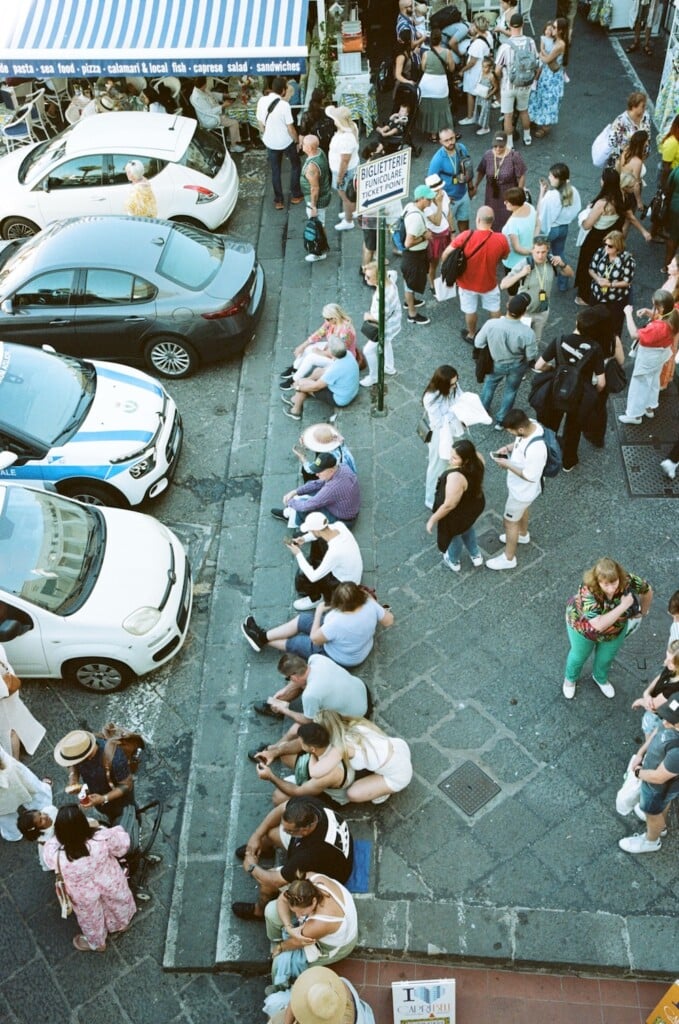
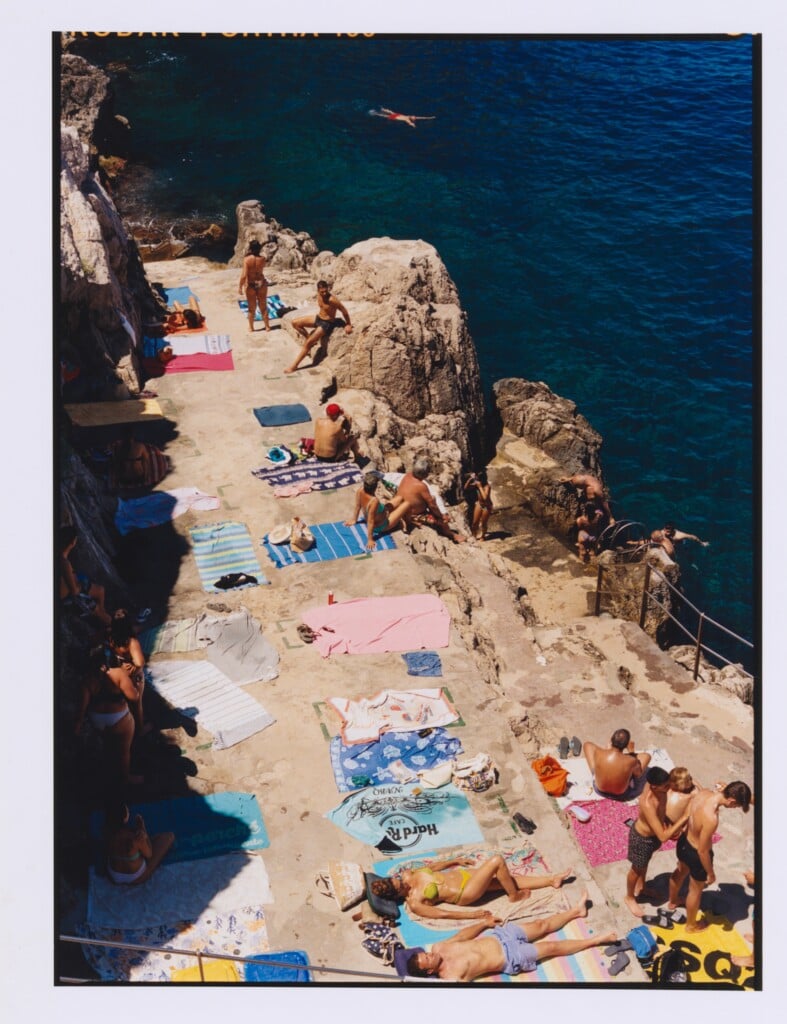
Eleonora D’Angelo came to photography by a side road. Born in Naples, she trained first in Medicine and then in Radiology, and for years the camera remained a private tool, almost an escape from clinical discipline. It was only after specializing and her first years as a doctor that she decided to reverse her priorities and devote herself entirely to art. That clinical eye, trained to read what lies beneath the visible surface, seems never to have fully left her, and it resurfaces today in an imagery that holds onto the myth of decadent beauty and youth suspended in a single instant, rendered through delicate tones and decisive colors indebted to neorealist cinematic aesthetics.
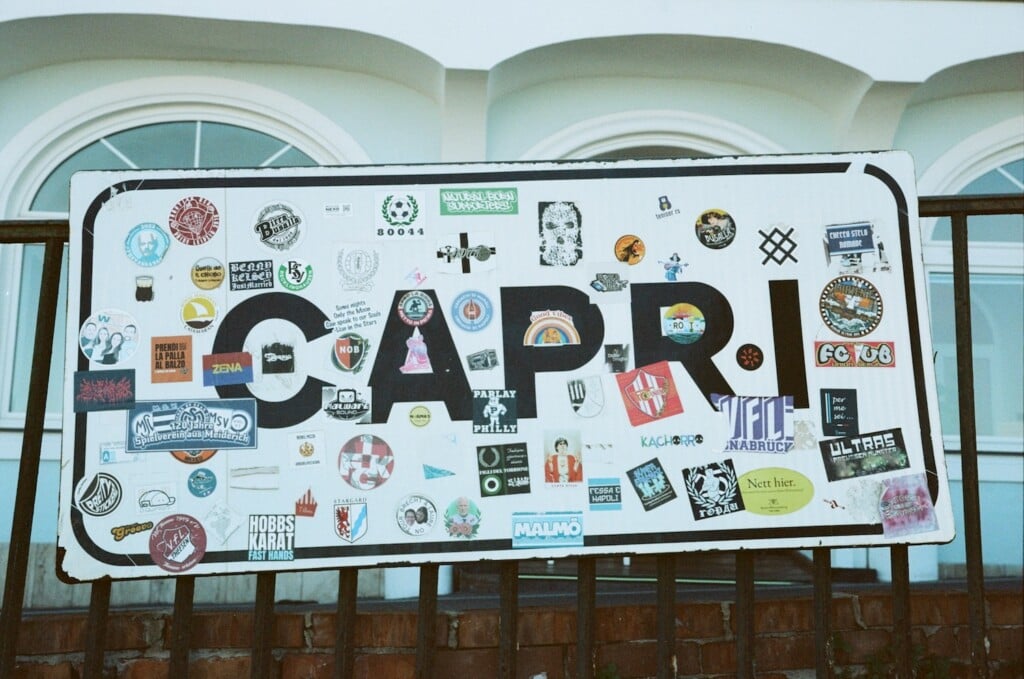
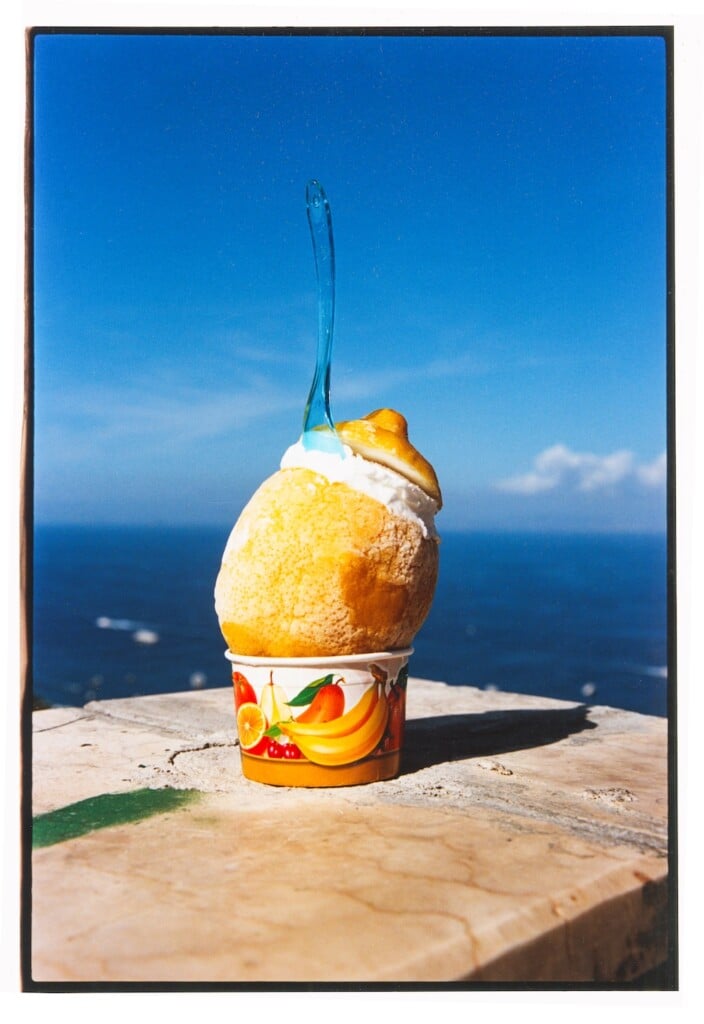
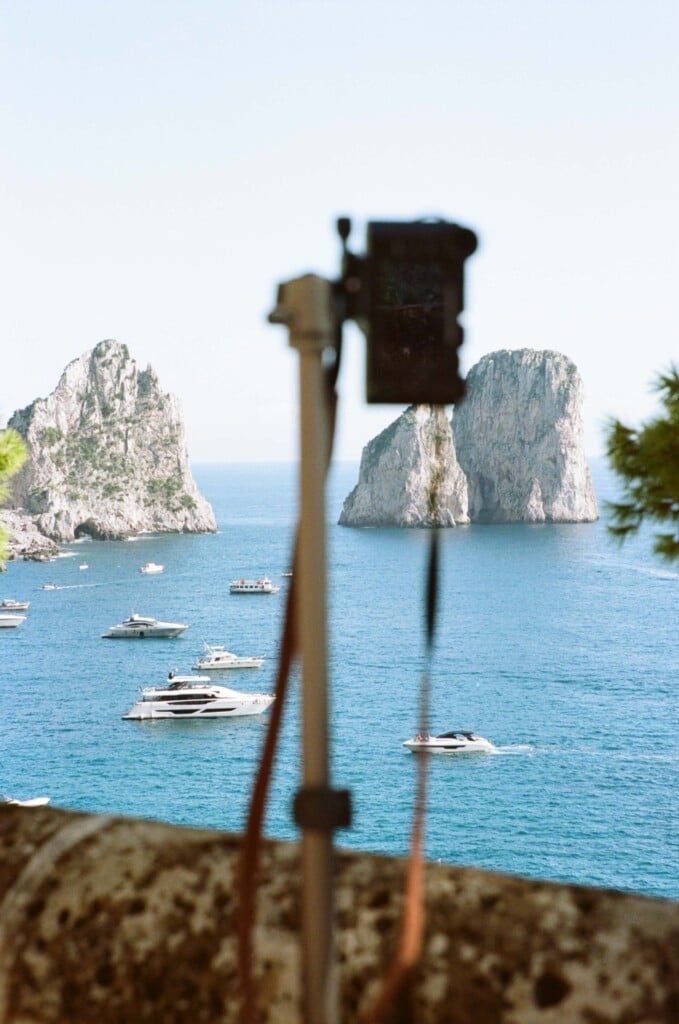
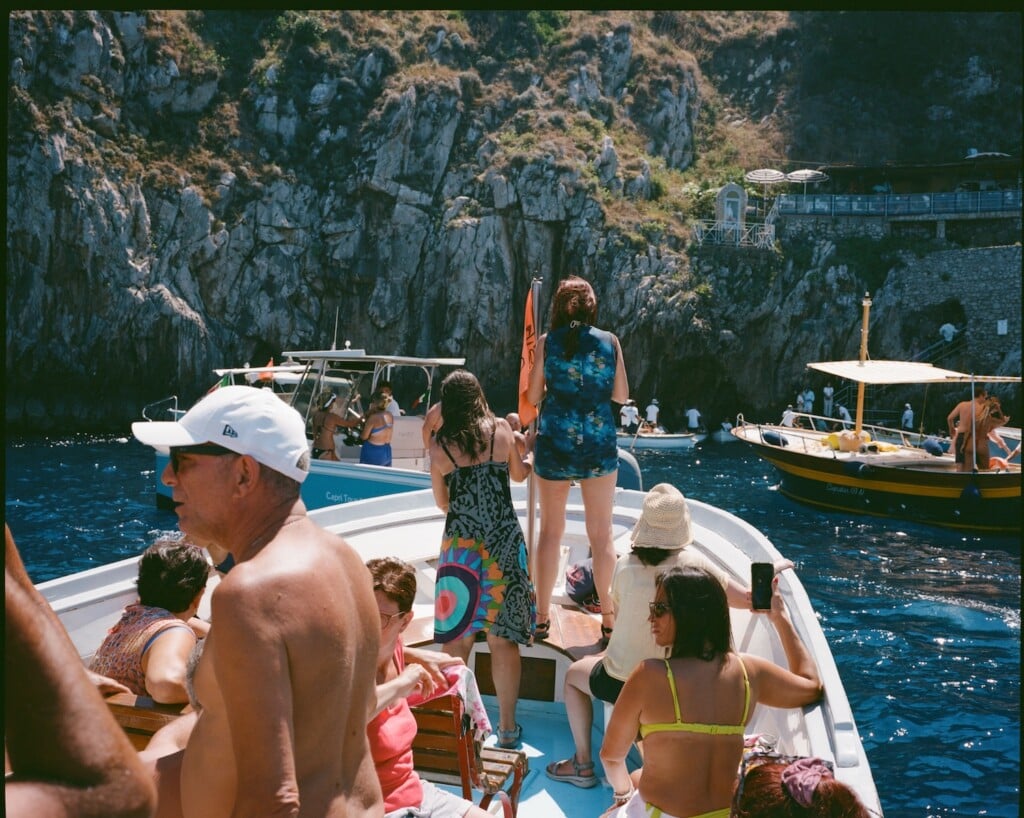
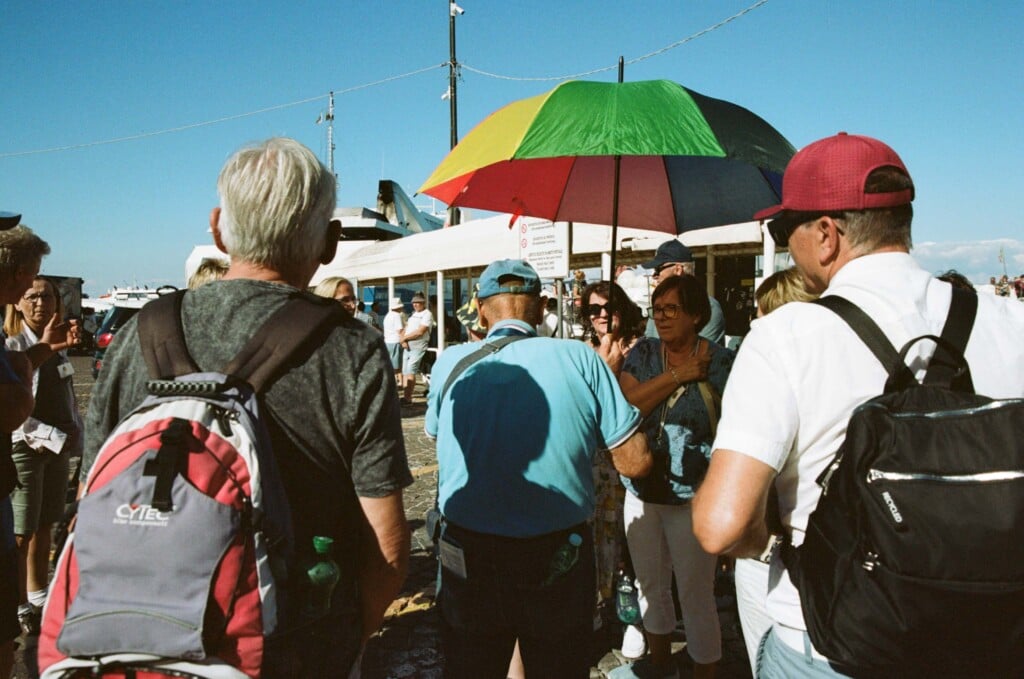
The exhibition, curated by Laura Tota and Alessandra Villa and promoted by the Direzione regionale Musei nazionali Liguria of the Ministero della Cultura, grew out of research the photographer carried out on Capri. The island becomes a privileged vantage point on a question that now touches much of the Mediterranean’s coasts and islands, how much a territory can hold before tourist pressure reshapes its landscape, its perception, the very experience of the place.
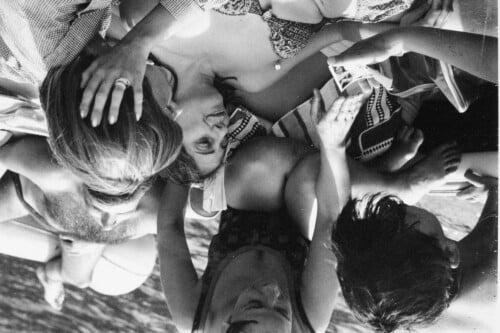
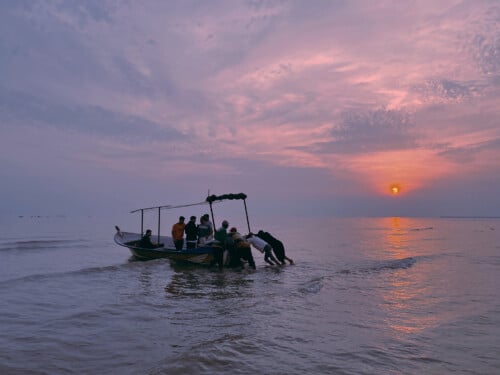
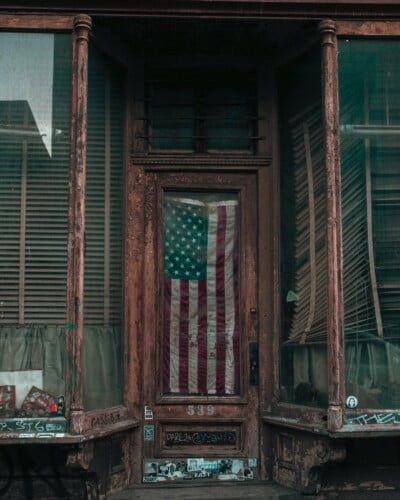
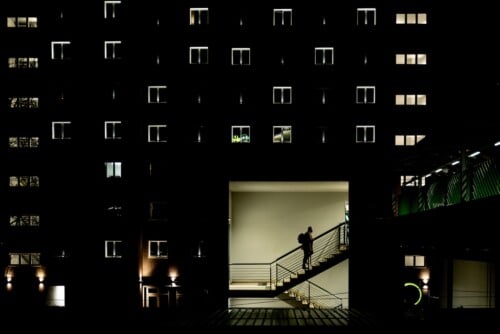
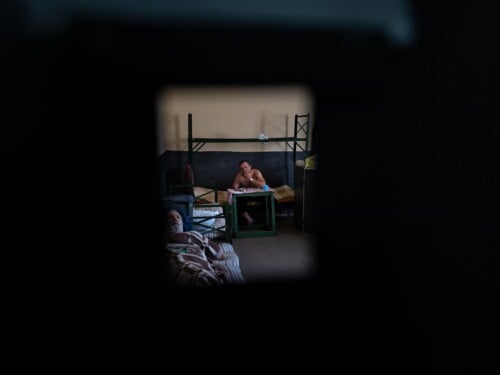
In D’Angelo’s photographs the sea loses its identity as an infinite, welcoming space and reveals itself instead as a fragile environment, crossed by tensions that the polished surface of tourist imagery tends to conceal. Layered over the promise of beauty and freedom that fuels the postcard version of the Mediterranean are the congestion of space, the steady encroachment on the coastline, the growing difficulty of maintaining any balance with the ecosystem. The work doesn’t chase the news cycle of overtourism, nor does it look for the shocking image, but moves instead through observation and suspension, drawing the eye toward what tends to sit at the margins of the conventional tourist picture, the almost invisible traces of human presence, the slow rhythms of nature, the more intimate dimension of one’s relationship with water. What emerges is a Mediterranean asking to be looked at again, freed from the idea of an inexhaustible resource to consume.
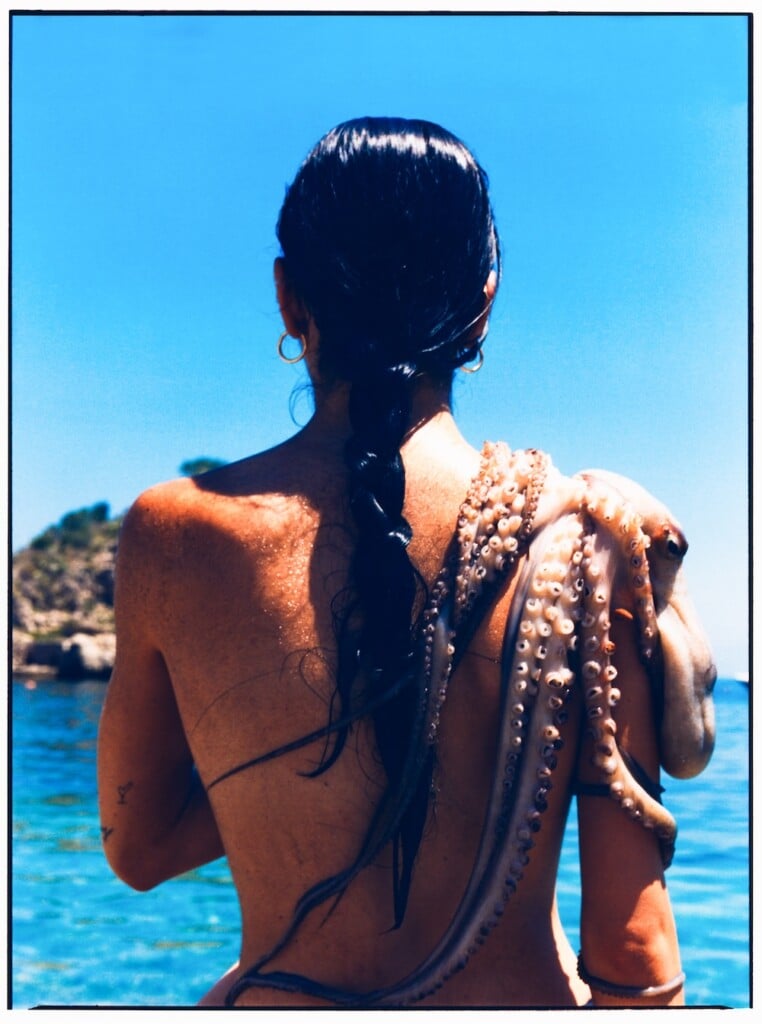
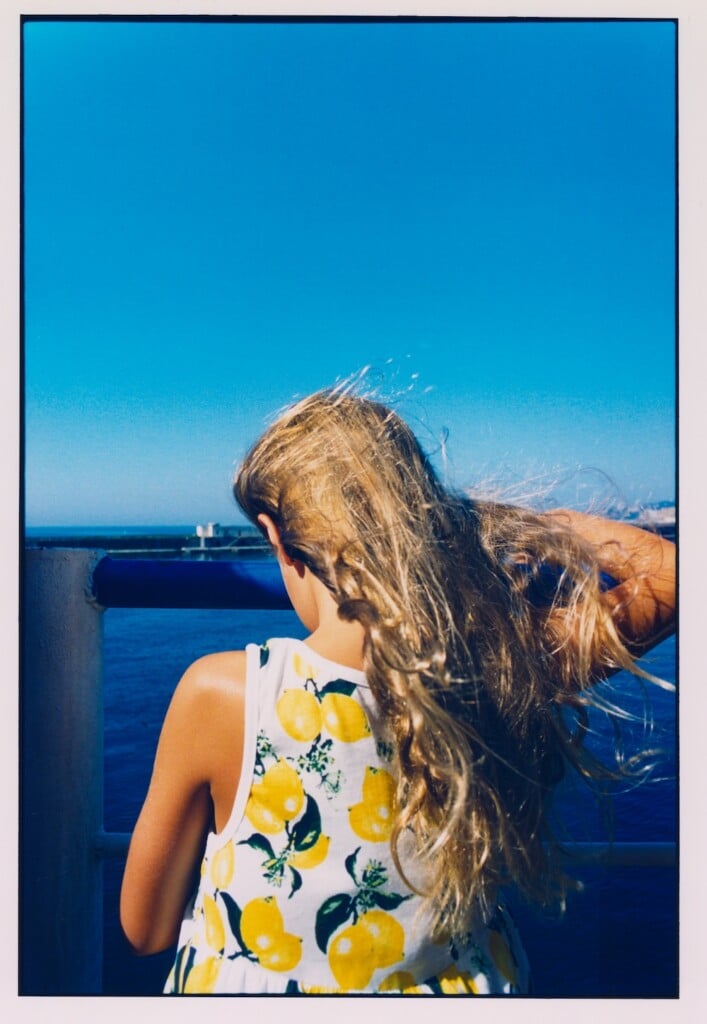
The venue chosen for the exhibition adds a further layer to the story. Facing the Mediterranean and woven into the urban fabric of Sanremo, Forte Santa Tecla is itself a historic vantage point on the relationship between city and sea, and in its own layered history it tells the story of the coastal landscape’s transformations over time.