When the earthquake struck Al Haouz, solidarity was immediate. Neighbors became rescuers, strangers became family. Among the rubble, children kept playing football and skateboarding. Life carried on, stubborn in its ability to resist, create, and come together.

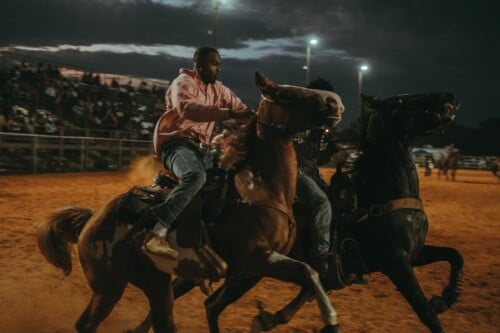
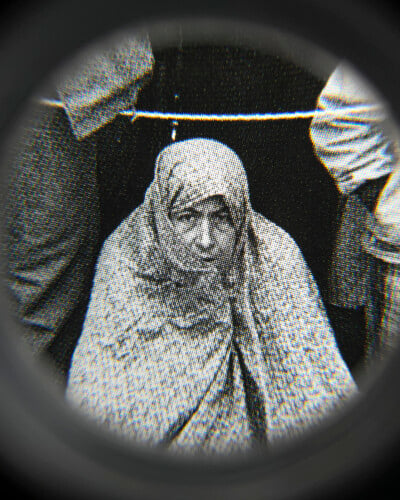
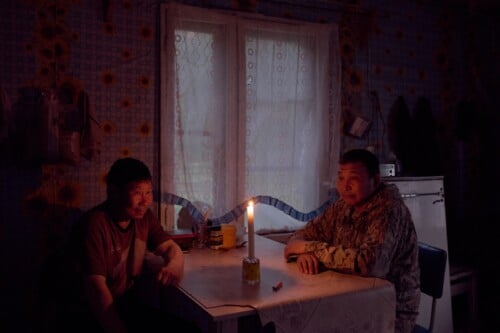
The photographs by Filipe Tomas capture exactly this: the quiet strength of people, the light filtering through dust, everyday gestures that become symbols of rebirth. Together with the text by Younes El Ouafiq and the contribution of Al Badiya Studio and Al Badiya Marrakech, Morocco at the Crossroads becomes a collective narrative—both visual and human—about a country learning to rebuild not only in concrete, but in its collective conscience.
The tragedy revealed that Morocco’s vulnerabilities are not only geological, but also social and political. The protests sweeping the country today speak to a shared urgency—billions invested in stadiums and major events while hospitals and schools remain under-resourced. “The stadiums are here, but where are the doctors?” has become the cry of a nation asking to reset its priorities.
The earthquake taught that help cannot stop at relief. It must be the beginning of a new vision—one in which resilience is measured by the strength of public services, dignity comes before prestige, and health, education, and community become the foundations of a truly safe and vibrant country.

Morocco stands at a crossroads. To honor the lessons of Al Haouz, the lives lost, and the voices calling for justice, our gaze must shift: from image to substance, from spectacle to survival. True strength will not shine under stadium lights, but in the lives protected, the futures nurtured, and the culture that makes Morocco—at its core—unshakable.