With Eight Seconds: Legacy in Motion, Ivan McClellan, American photographer returns to tell the story of a culture that for too long has remained on the margins of the Western imaginary. Between rodeo, family ties and identity, his images offer a living portrait of a community that is rewriting the history of the cowboy.
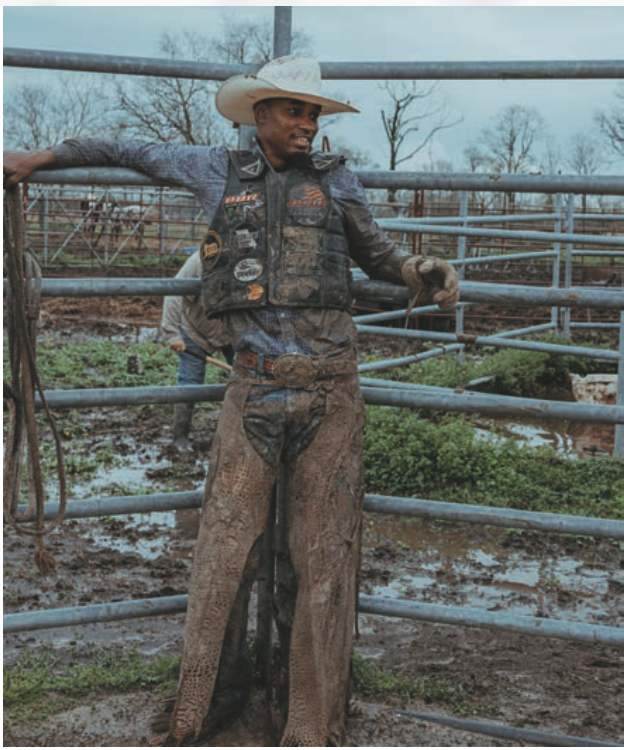
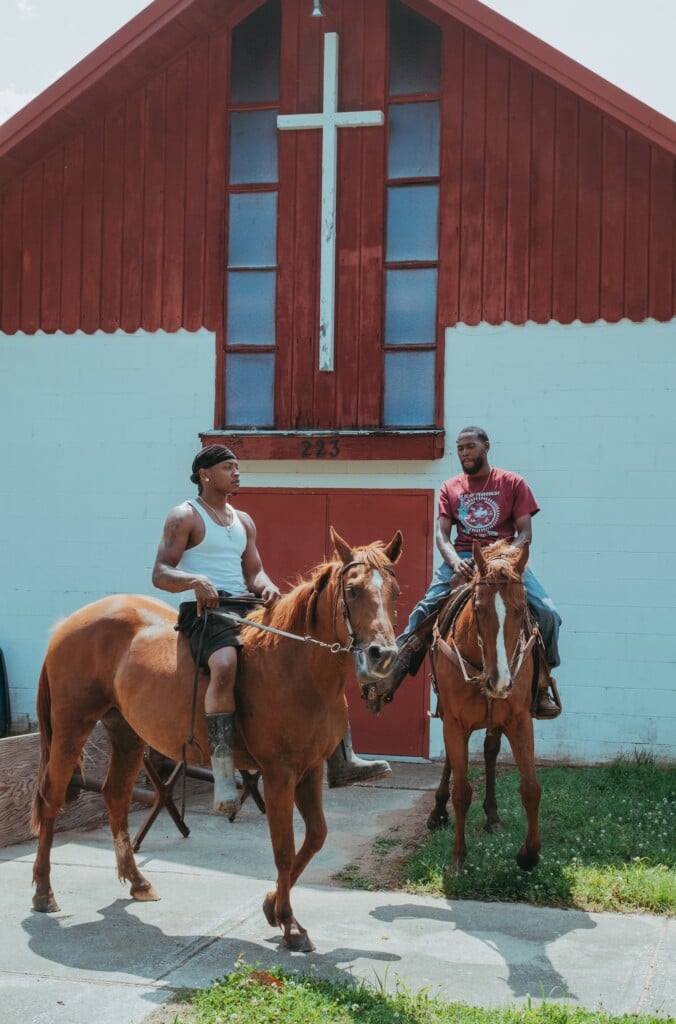
For years, the American West has reached us through images and characters that have become familiar: wide-brimmed hats, dusty boots, horses at full gallop and solitary men set against boundless landscapes. But who decided who gets to belong to this imaginary? It is from this question, and from the discovery of a reality he had never encountered in the Western stories of his childhood, that Ivan McClellan’s work takes shape.
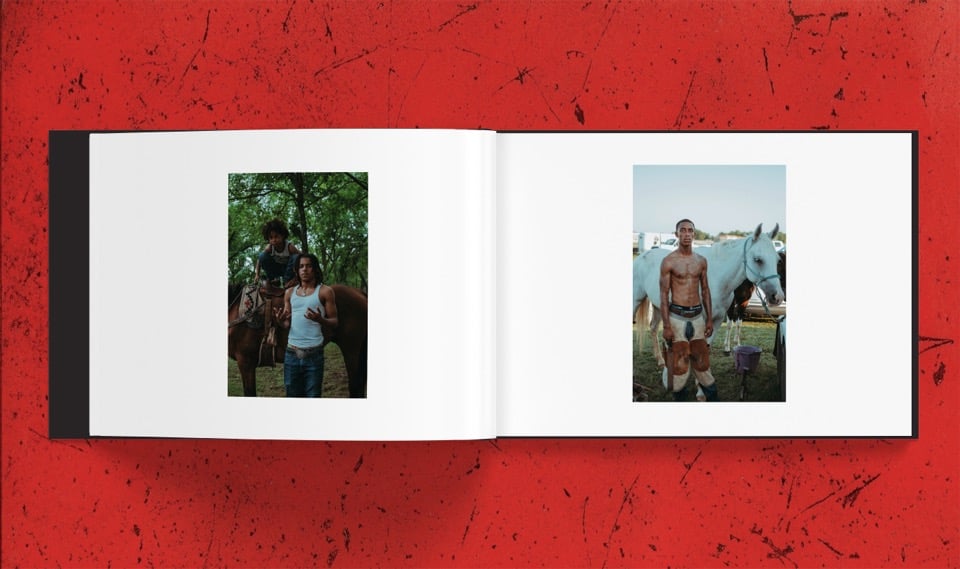
His book Eight Seconds: Legacy in Motion, published by Damiani Books, collects photographs dedicated to the culture of the Black Cowboys, the African American cowboys who take part in the rodeo tradition and carry its legacy forward. It is not just a sports story, nor an exercise in recovering memory: it is a project that observes how a community builds its identity through the body, the land, style and sharing.
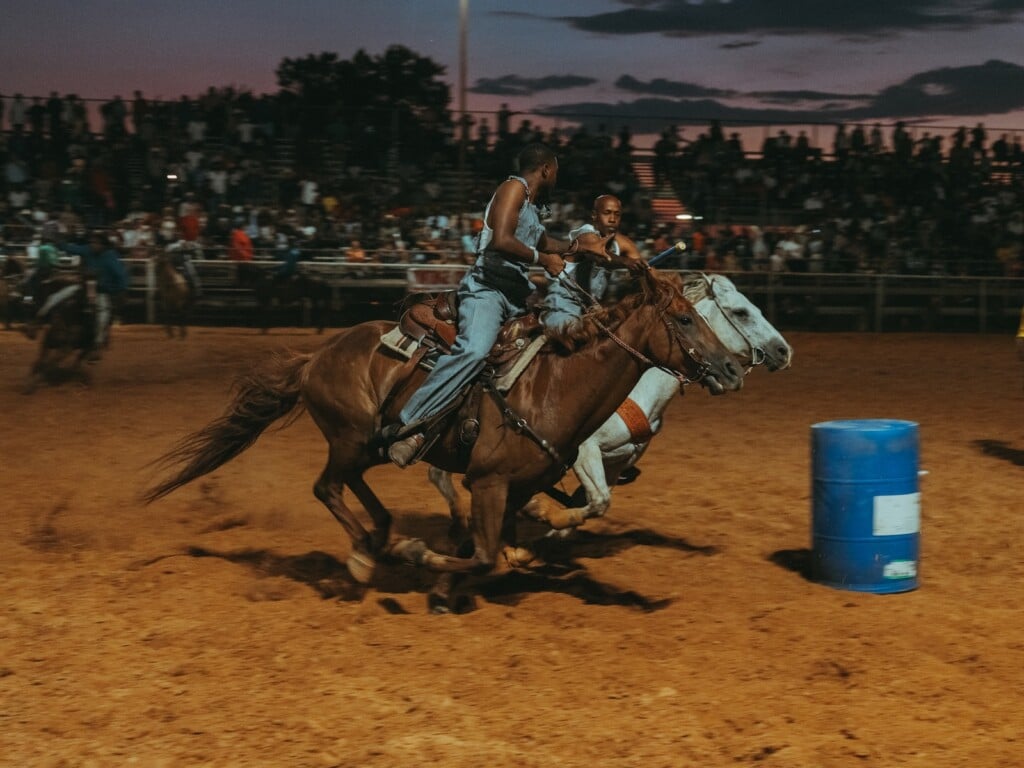
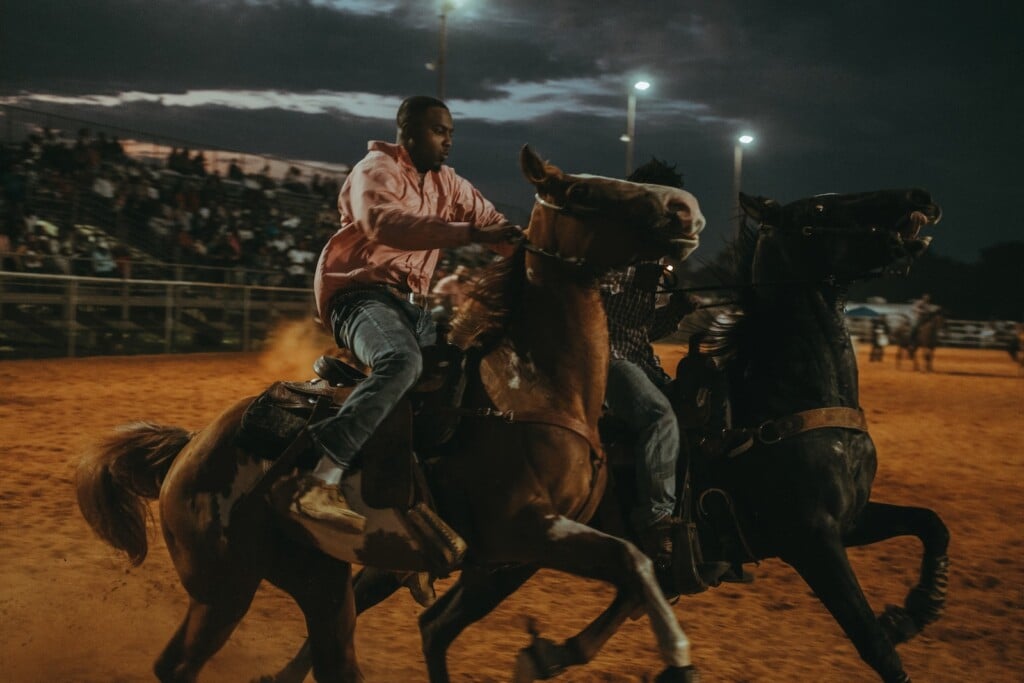
The title refers to the time a cowboy must manage to stay on a bull or a rodeo horse for the ride to count. Eight seconds in which balance, endurance and instinct are put to the test, but which represent only a small part of what happens before and after the competition. Around that instant there is a world made of miles driven, training, expenses, daily work and personal sacrifices.
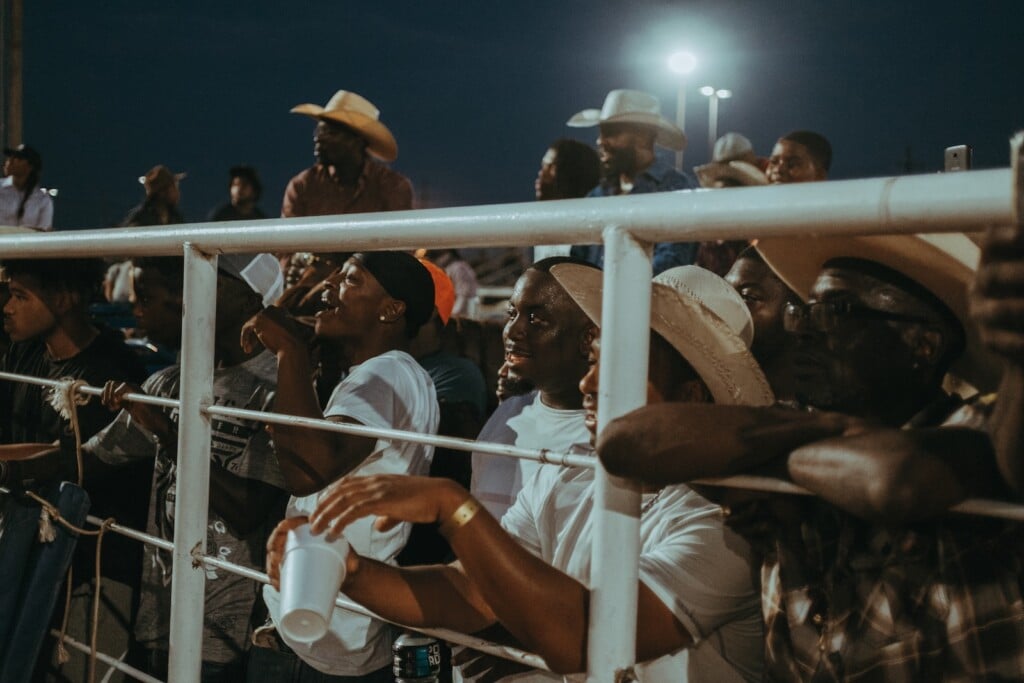
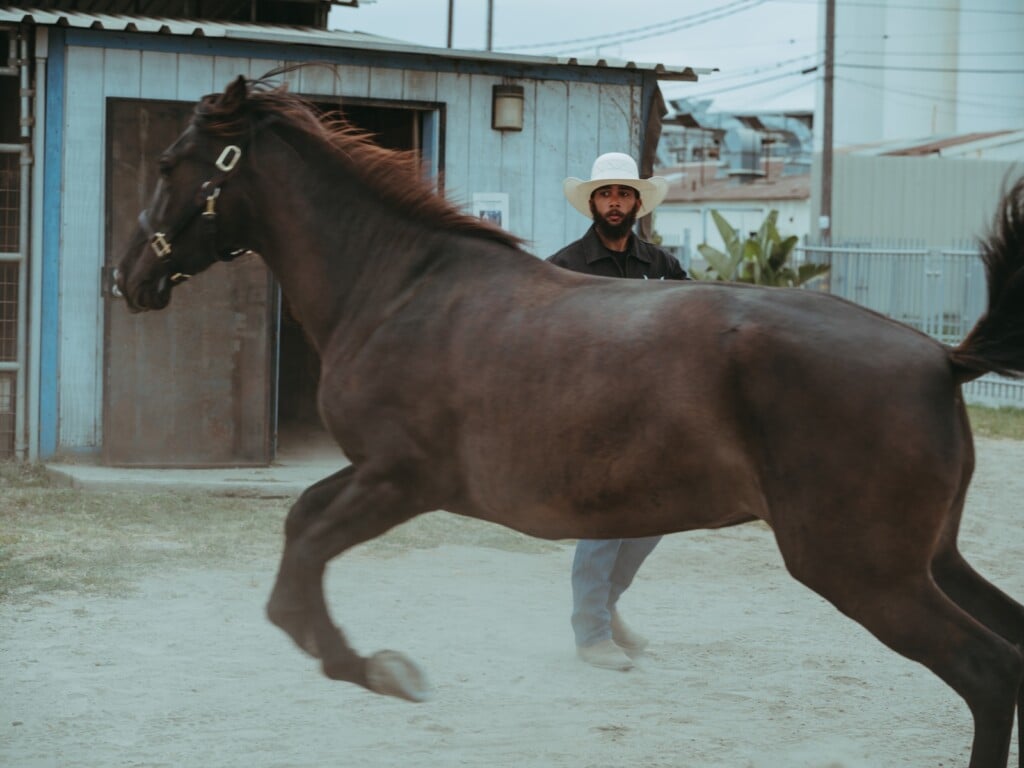
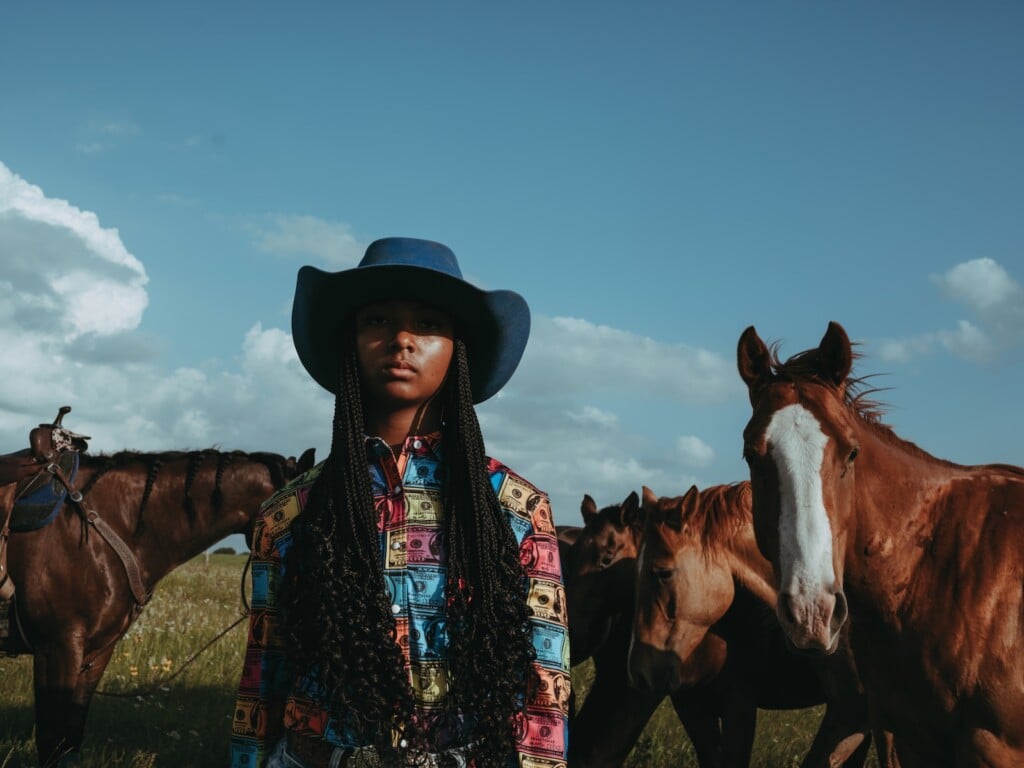
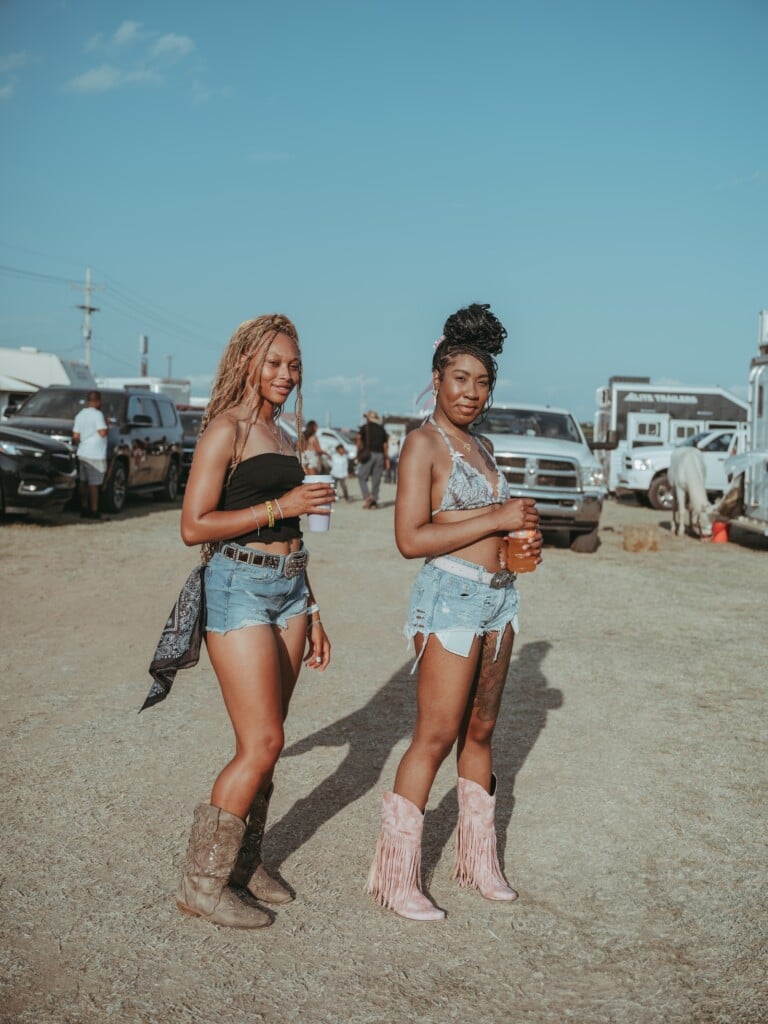
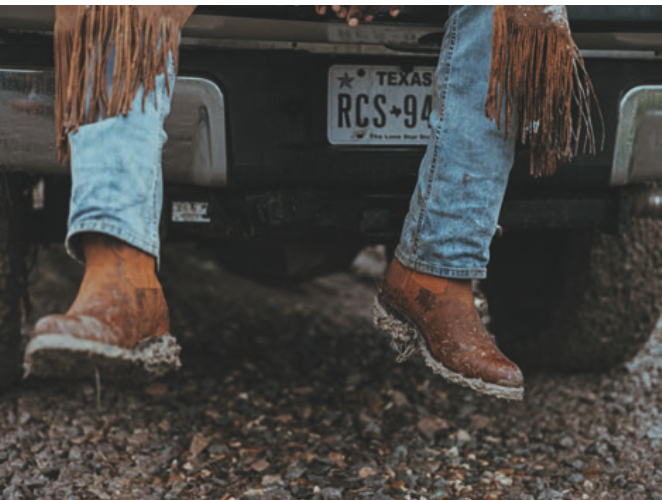
Ivan McClellan’s photographs don’t stop at the adrenaline of competition, but move between the arena and the life that revolves around it. Alongside riders and athletic feats appear families, children, groups of friends and moments of celebration. Cowboy hats and boots coexist with sneakers, contemporary clothing and references to hip-hop culture. The result moves the rodeo away from the stereotyped image of a West frozen in time, restoring to it a present, plural and constantly evolving dimension.
The story of the project begins in 2015, when Ivan McClellan learns about Black Cowboy culture through a chance encounter with an artist and filmmaker, Charles Perry. Having grown up watching Westerns on television, the photographer realizes that he had never encountered, in those narratives, characters who looked like him. The African American cowboys he knew belonged mostly to caricature, not to a reality he could recognize as authentic.
Perry’s invitation to attend a rodeo in Okmulgee, Oklahoma, changes the direction of his research. McClellan finds himself immersed in a community that he describes as both familiar and completely new. That first experience becomes the beginning of a decade-long journey, built through travels, encounters and relationships that have progressively transformed the way he photographs.
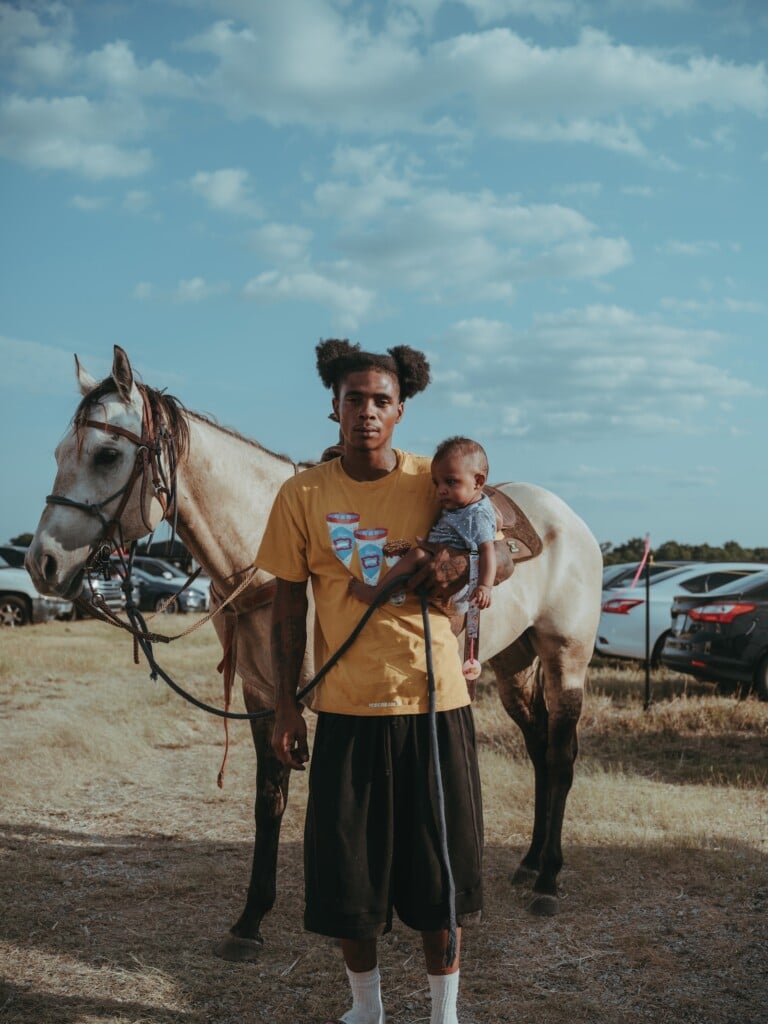
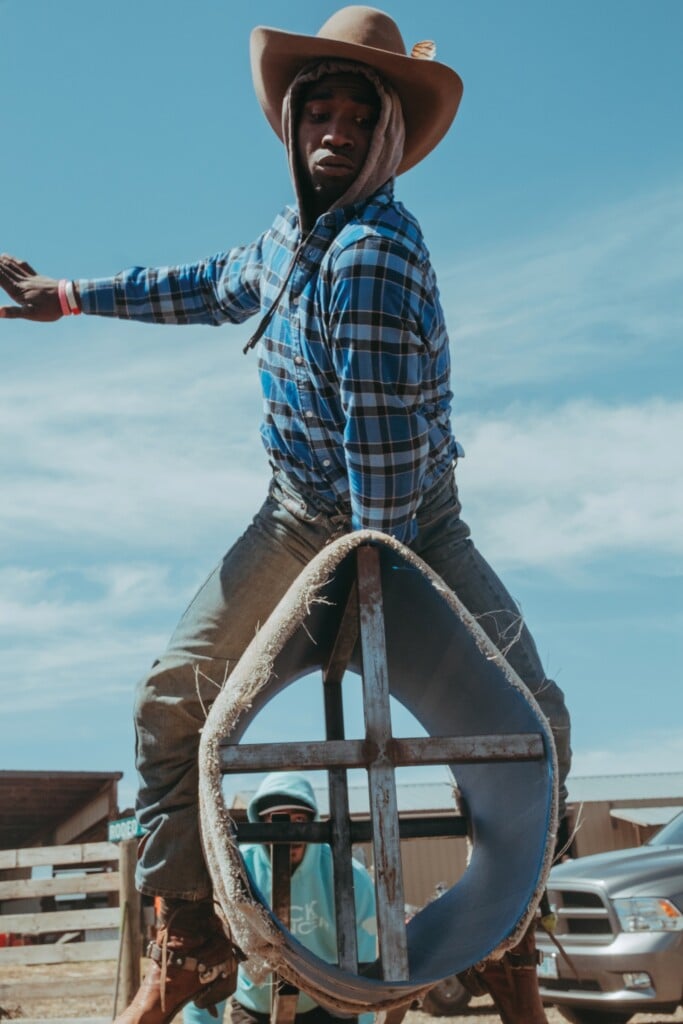
His connection to this reality goes beyond documentary work: after meeting the young bull rider Ouncie Mitchell and following his journey, McClellan also confronts the structural difficulties that accompany the lives of these athletes: limited resources, physical risks and few opportunities for visibility. Mitchell’s death, at just twenty-seven, becomes a decisive moment. The photographer understands that telling the story of that community is not enough: it is necessary to help create concrete opportunities for its protagonists to be seen and supported.
From this conviction the 8 Seconds Rodeo was born, an event conceived by McClellan himself to give space to the athletes and to celebrate the culture they represent. Photography thus intertwines with a collective project, in which visibility also becomes a tool for opening up new possibilities.
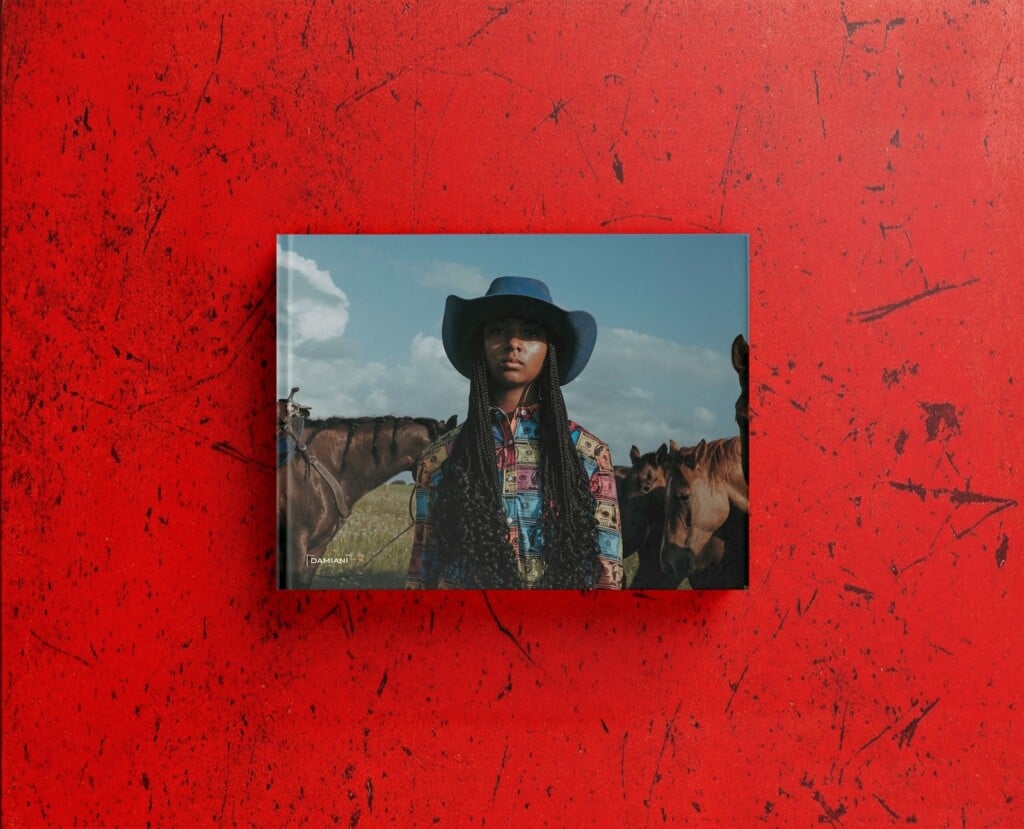
In Eight Seconds: Legacy in Motion, the strength of the images lies in their ability to hold together dimensions that are often told separately: athleticism and everyday life, cultural heritage and contemporary languages, individual ambition and a sense of community. The protagonists are not abstract symbols of a history to be recovered, but people with different characters, styles and aspirations. The volume opens with a foreword by actor James Pickens Jr. and retraces McClellan’s work through a new photographic sequence, which includes 91 images that were not in the previous 2024 edition, Eight Seconds: Black Rodeo Culture. Rather than merely expanding an archive, this new publication continues a story that over time has taken on an increasingly personal and collective meaning.
The West that emerges from these pages is not the motionless one of cinematic nostalgia. It is a place where traditions and identities transform, where African American culture finds expression through sport, music, fashion and bonds between generations. McClellan doesn’t try to replace one myth with another, but to widen the gaze on a history that has always been more complex than dominant representations have suggested. The eight seconds of the title are only the beginning. What remains, once the ride is over, is a culture that keeps moving, keeps being handed down and keeps redefining the very meaning of being a cowboy.