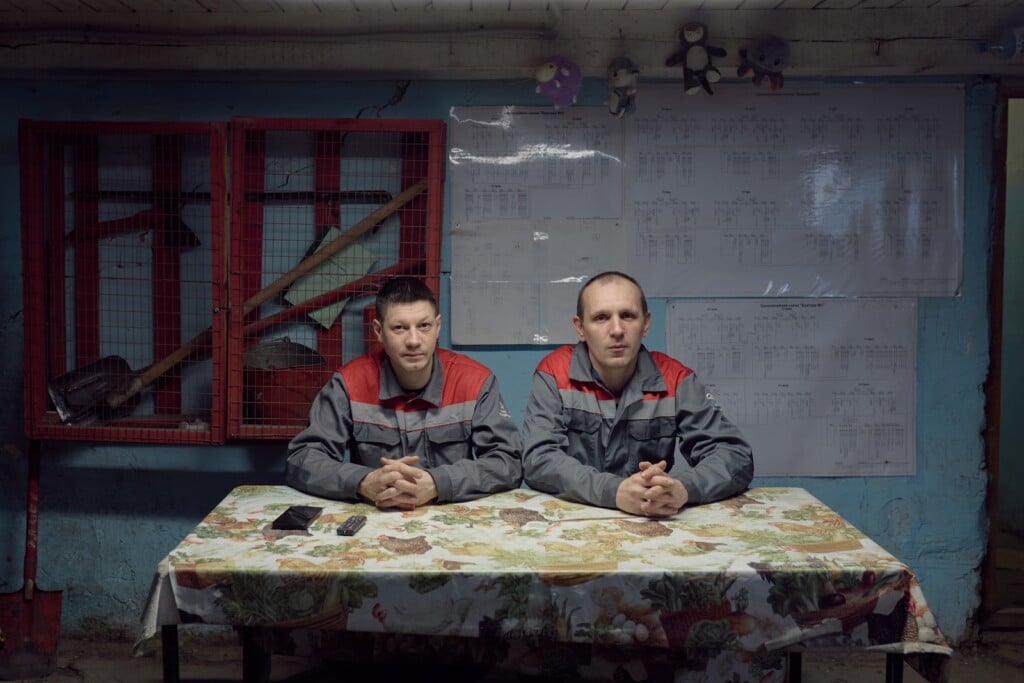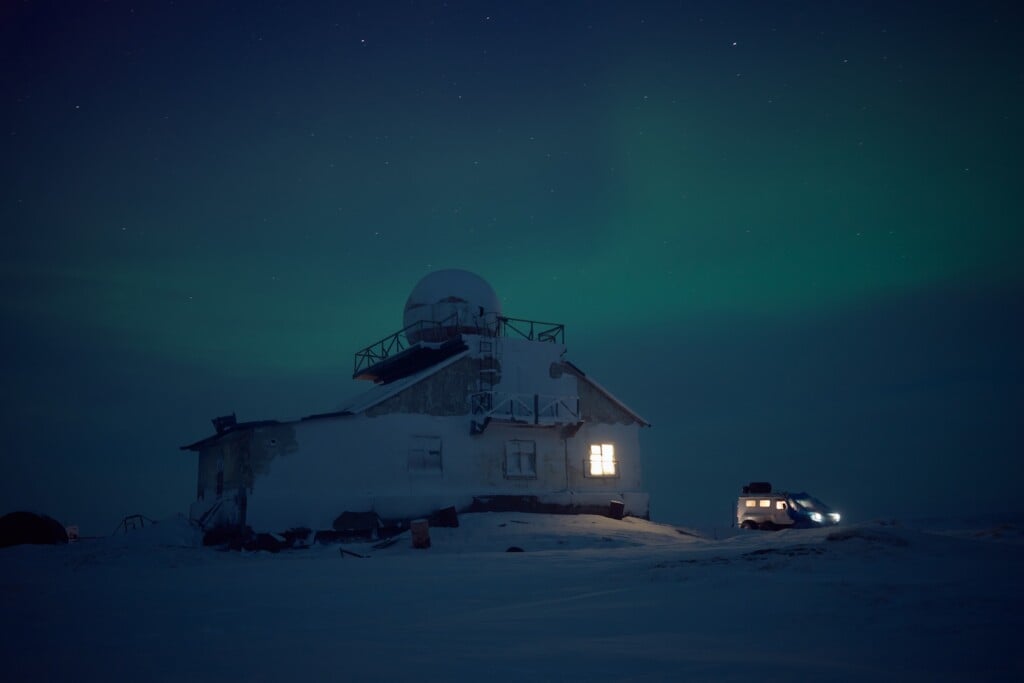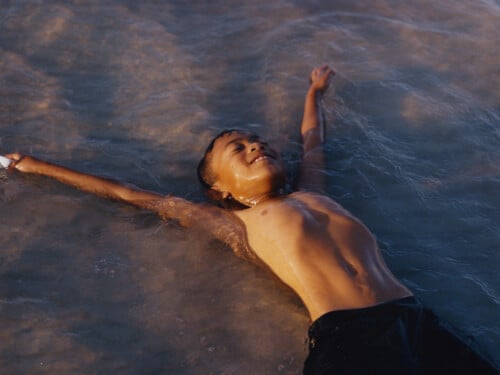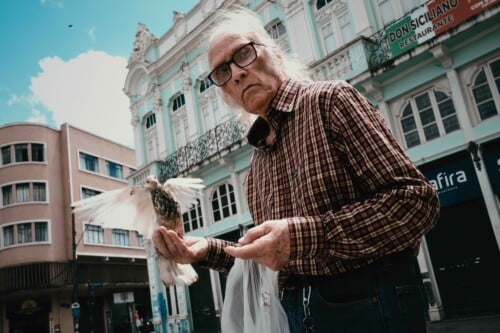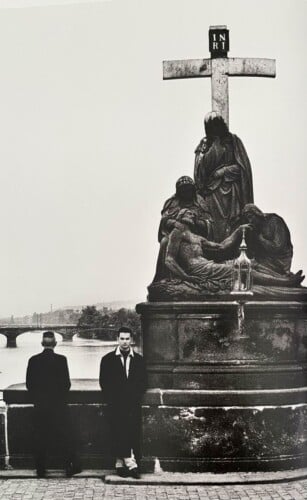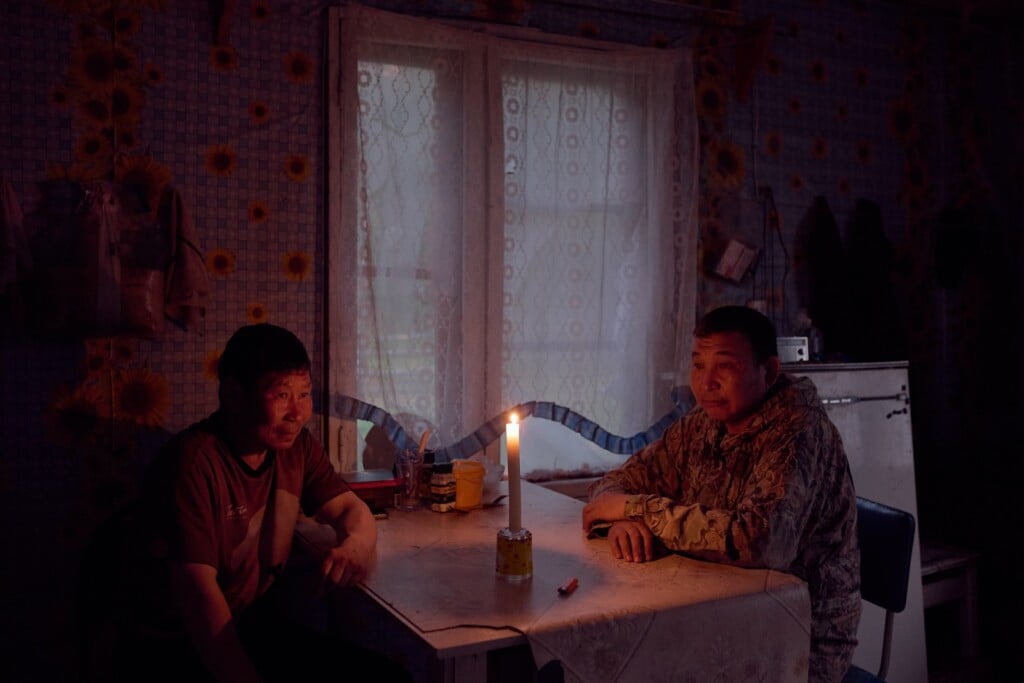
Some places seem extremely distant even to those who live in them, not because they are missing from maps, but because their stories struggle to reach the rest of the world. This is the idea behind the photographic series “Inner Distance“, the long-term project by documentary photographer Slava Lyu-fa, which crosses the Republic of Sakha, also known as Yakutia, to tell the story of two realities within the same territory: life in Yakutsk, the capital, and that of the communities living in the remote Arctic regions along the Kolyma River.
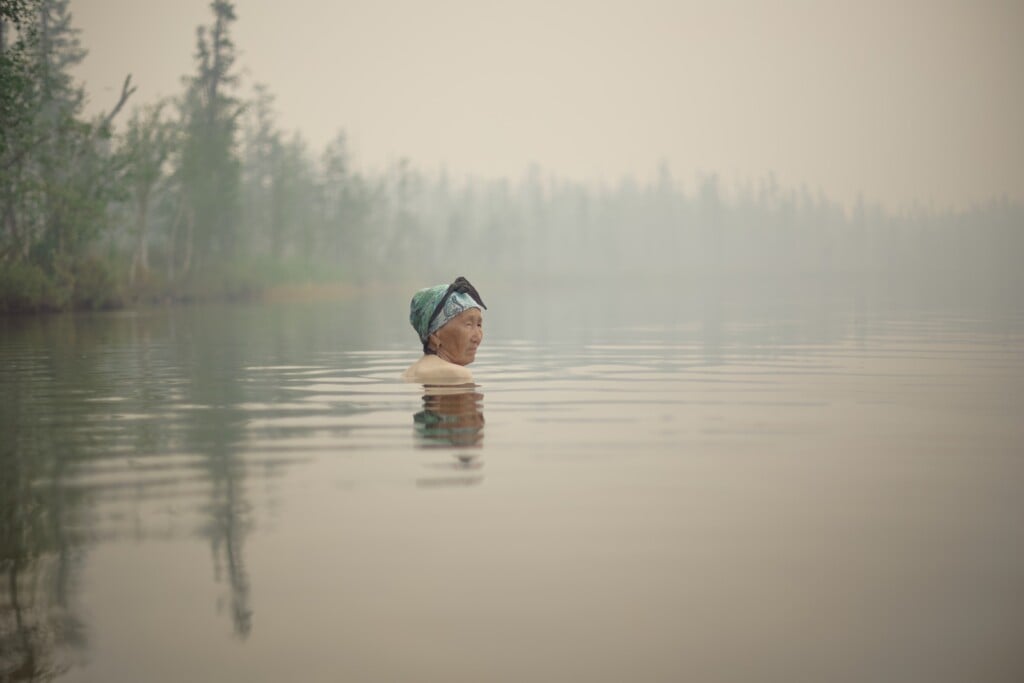
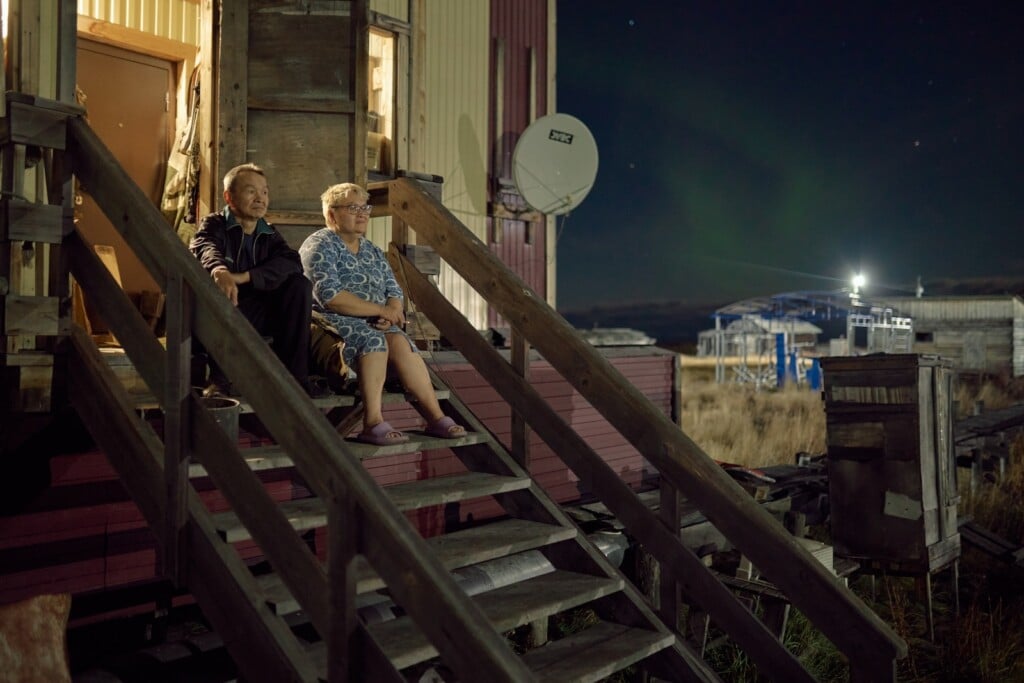
His photographs show no desire to turn the Far North into a spectacular setting made only of ice, extreme temperatures and boundless landscapes. Lyu-fa focuses instead on what happens inside these places: people who work, fish, meet and preserve habits handed down over time. Everyday gestures that, observed up close, reveal a complex relationship between community, environment and memory. What makes the project particular is that this research stems from a personal bond: the photographer was born in Yakutia, yet returning to the places of his childhood requires journeys that are difficult, expensive and logistically complex. For him too, then, distance is not an abstract concept, but a concrete obstacle that shapes the way one belongs to a land.
Two realities, one land
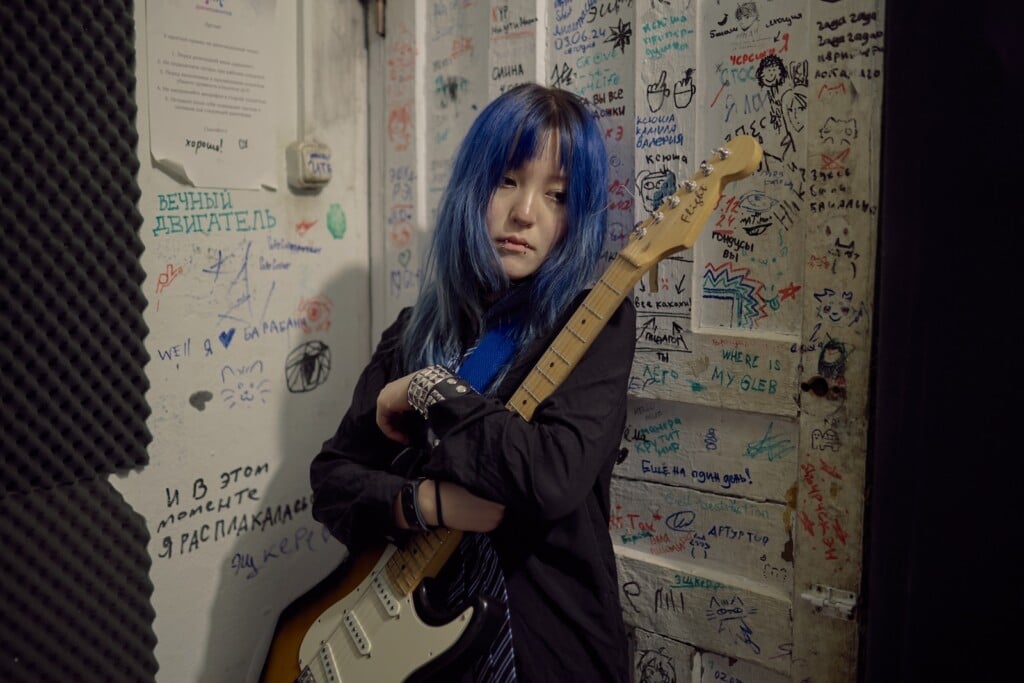
The distance that gives the project its title manifests itself first of all in geography. The Republic of Sakha is the largest federal subject of Russia and includes territories where travelling means facing enormous distances and limited infrastructure. Between Yakutsk and the northernmost settlements along the Kolyma, it is not only the landscape that changes: the material conditions of existence, access to essential goods and the relationship with the environment change as well. But there is also a less visible separation, the one between people who belong to the same territory and who, despite this, know little about each other’s lives, and it is precisely on this fracture that Lyu-fa builds his narrative.
The photographer does not try to resolve these differences through reassuring images or an idealised depiction of his land. On the contrary, he lets everyday situations show how different the experiences coexisting within the same region are. The choice to work on two parallel realities makes it possible to relate the capital and the Arctic communities without reducing them to a simple comparison between modernity and isolation. At the centre remain the people, with their habits, their bonds and their ability to adapt to constantly changing conditions.
The river that sustains life and carries the land away
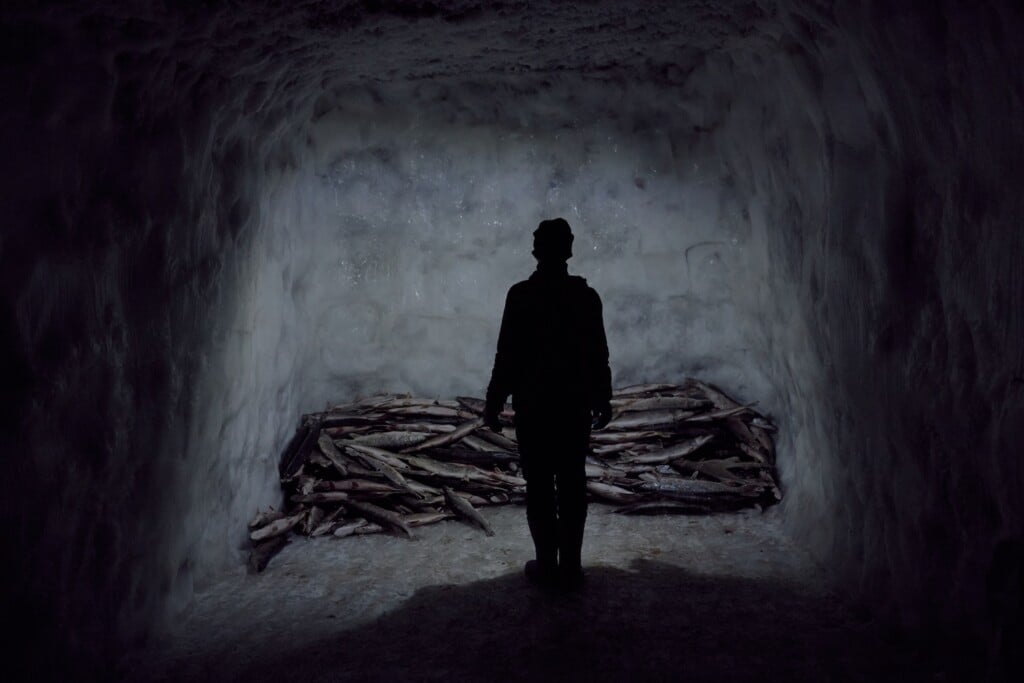
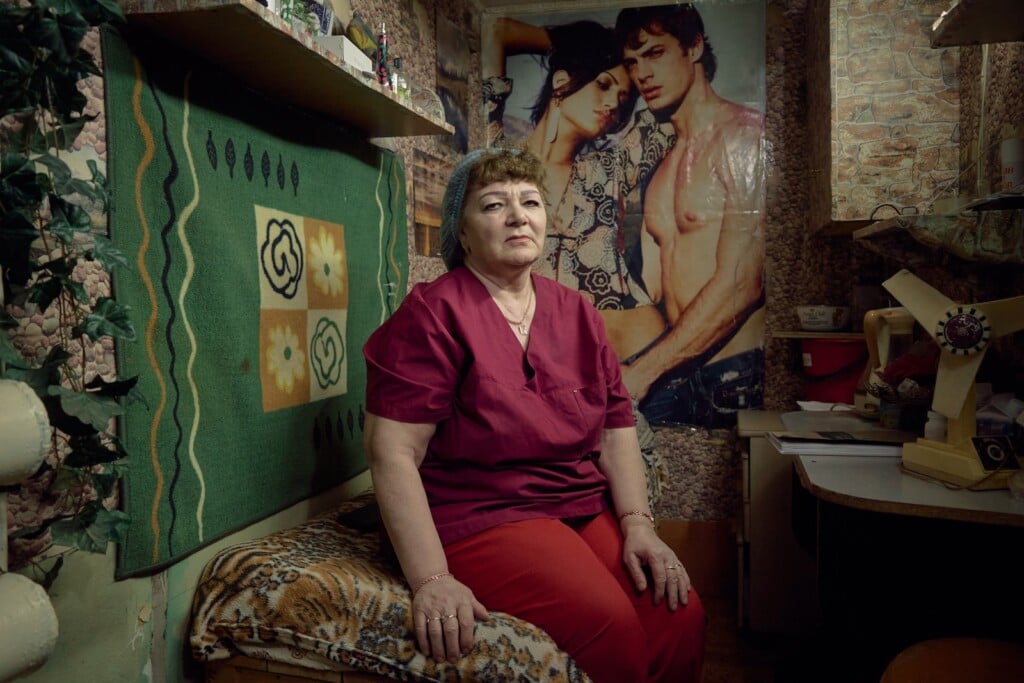
One of the most significant images in the series portrays Lena, a woman from Nizhnekolymsk, inside an underground storage space for fish and food. Behind her, fish preserved in ice pile up; the light is scarce, the setting appears essential, almost suspended outside of time. The scene might seem foreign to someone viewing it from afar, but that space tells of a concrete practice of food preservation and, more broadly, a way of organising life in a remote place. This is where Lyu-fa’s photography finds one of its most interesting qualities: making a reality visible without turning it into an exotic curiosity.
That same storage space, however, is at risk of flooding due to the erosion of the riverbank. Nizhnekolymsk is one of the settlements where the effects of climate change are directly intertwined with the survival of communities. According to the project presentation on the Leica Oskar Barnack Award website, electricity is produced by a generator and, to obtain supplies and food, residents have to travel about 29 kilometres along the river.
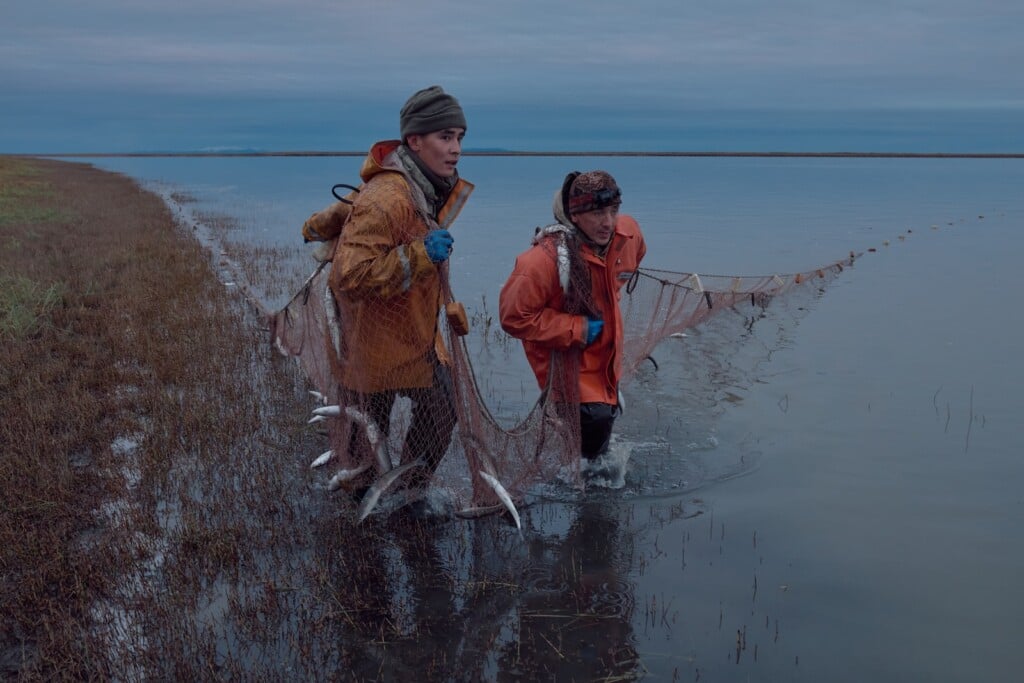
The Kolyma thus takes on an ambivalent meaning, because it is a transport route, a source of sustenance and a fundamental element of local life, but it is also a force capable of altering the territory and endangering inhabited spaces. “The river gives life, but at the same time it carries the land away,” observes Slava Lyu-fa in the project presentation. A contradiction that sums up the relationship between communities and an environment on which they depend, but which is becoming less and less predictable.
Photographing what is at risk of disappearing
In Inner Distance, climate change emerges from the traces it leaves in daily life: homes threatened by erosion, places that are hard to reach, landscapes that no longer guarantee the same conditions as before. To this fragility are added the economic and social transformations affecting the most isolated communities.
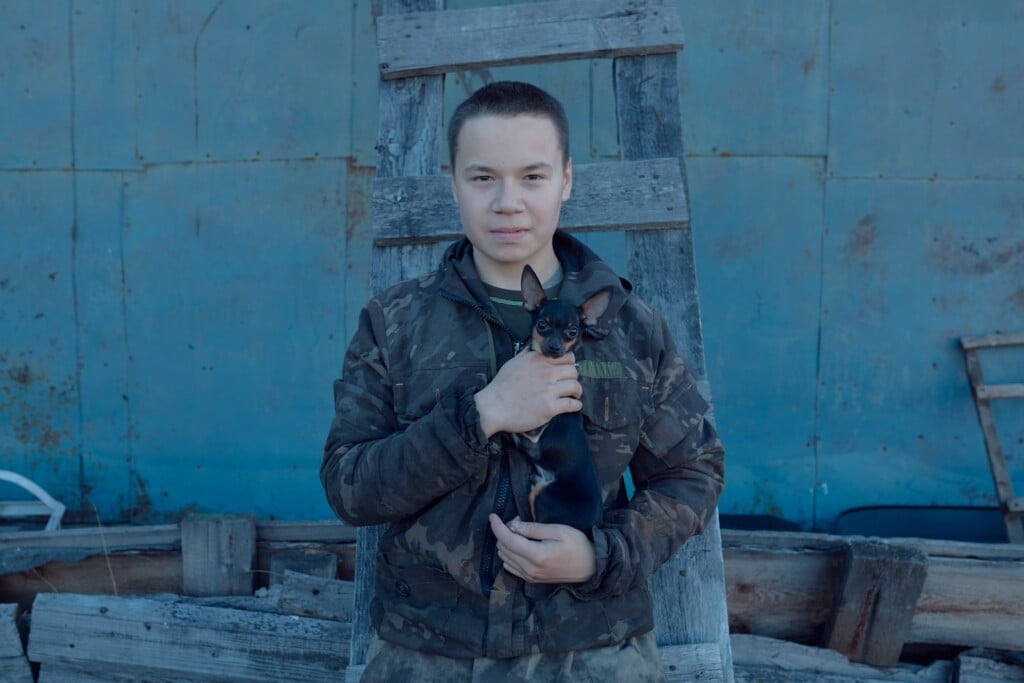
His work moves precisely in this space between testimony and loss. To photograph means to document what exists today, but also to leave a trace of what might no longer be there tomorrow. The risk concerns not only buildings or villages, but also the forms of life that have developed around them: work activities, family customs, knowledge tied to the environment and the memories of those who have lived in those places.
The hardest distance to cross
The photographs of Slava Lyu-fa are characterised by muted colours, cold light and silent atmospheres. They do not seek an immediate dramatic effect, but let details emerge slowly. In some images people seem almost absorbed by the landscape; in others, human presence makes tangible the domestic dimension of places that, seen from the outside, might appear inhospitable. This visual choice helps keep the vastness of the environment and the specificity of individual stories in balance.
The physical distance between Yakutsk and the Arctic North is only one part of the problem: there is also an emotional and cultural distance between those who live in the same territory without being able to fully share each other’s experiences. Slava Lyu-fa tries to reduce it through images, connecting people who rarely meet and showing what they have in common, in addition to the conditions that separate them. The fact that the photographer himself has to overcome great difficulties to return to the region where he was born makes this research even more personal. He does not observe a distant place from an external position, but tries to move closer to a part of his own history. His return is not a given: it requires time, resources and the concrete possibility of reaching isolated communities. Photography thus becomes a tool for understanding a land to which one belongs, but which one cannot freely visit.
Born in the north of the Republic of Sakha in 1989 and now living in Yakutsk, Lyu-fa has developed a documentary practice focused on the Arctic, memory and the life of remote communities. In 2026, Inner Distance was shortlisted for the Leica Oskar Barnack Award, a prize dedicated to photography that investigates the relationship between human beings and the environment.
Rather than offering an answer about what the future of Yakutia will be, the project leaves a question open: what remains of a place when the conditions that have sustained its life begin to change? The photographs do not claim to stop time, nor to preserve on their own what is at risk of disappearing, but they can keep faces, gestures and fragments of existence, rescuing them, at least in part, from invisibility.