A word can change direction, an object can stop being what we know it to be. An almost invisible image can resurface through the gesture of whoever is looking at it, it is on these small shifts that Shilpa Gupta has spent years building an artistic practice capable of calling into question what we consider familiar.
Starting today, September 15, 2026 through January 6, 2027, the GAM – Galleria d’Arte Moderna in Milan hosts “One Palm Closer to the Sky”, a solo exhibition by the Indian artist curated by Bruna Roccasalva and promoted by Fondazione Furla and GAM for the eighth edition of Furla Series.
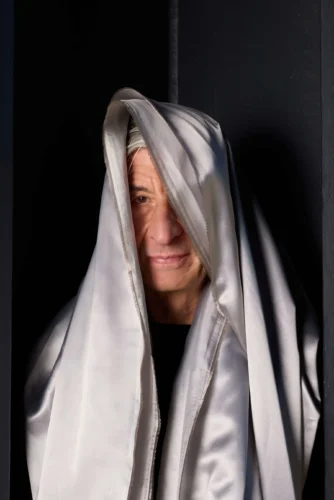
Born in 1976 and active in Mumbai, Gupta works across sculpture, installation, sound, light, video and performance. At the center of her research are language, censorship, mobility, borders and the systems of power that shape the way we define identity and freedom. But her work does not address these themes through necessarily spectacular images: it often starts from something extremely simple in order to introduce a crack in our perception.
The strength of Shilpa Gupta’s work also lies in her ability to start from extremely simple elements, a word, an everyday object, a gesture, and slightly alter their function to bring out what normally stays in the background. Her visual language is essential, yet it does not simplify the complexity of the themes she addresses: censorship, identity, belonging, freedom and systems of control become experiences to move through rather than concepts to observe.
Gupta often works on perception, creating situations in which the viewer must change position, slow down, listen or intervene in order to understand what is in front of them. It is precisely this involvement that destabilizes the boundary between artwork and audience, between institutional space and everyday life. In her practice, in fact, meaning is never entirely fixed: it can change depending on who is looking, on the context, and on the way an image, a word or a sound enters into relation with us.
Nothing in Gupta’s work is ever left to chance. Beneath the subtle, minimal appearance of her interventions lies a sharp, deliberate critique of political and social structures. Far from being a mere aesthetic exercise, her essential approach is a strategic choice: by stripping away superfluous visual noise, the artist brings us face-to-face with the weight of control, systemic violence, and state censorship.
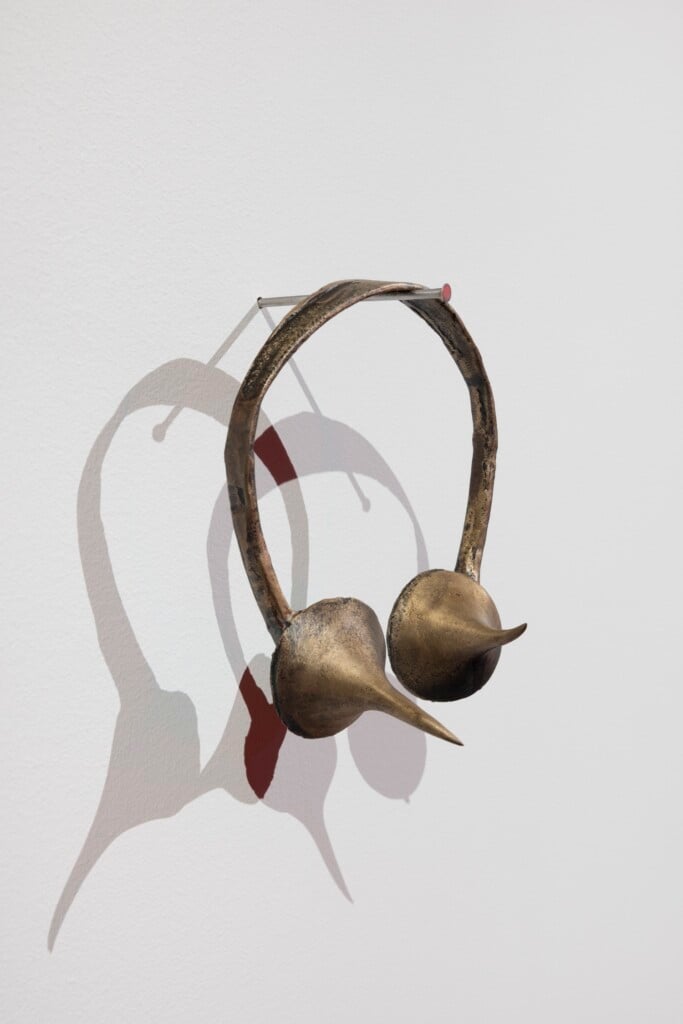
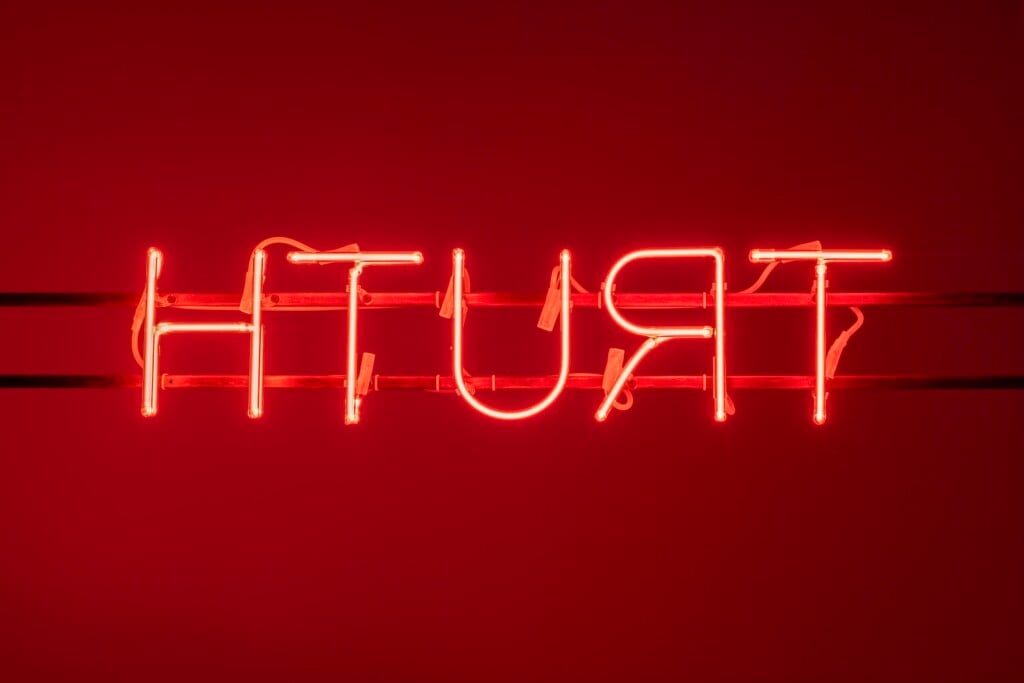
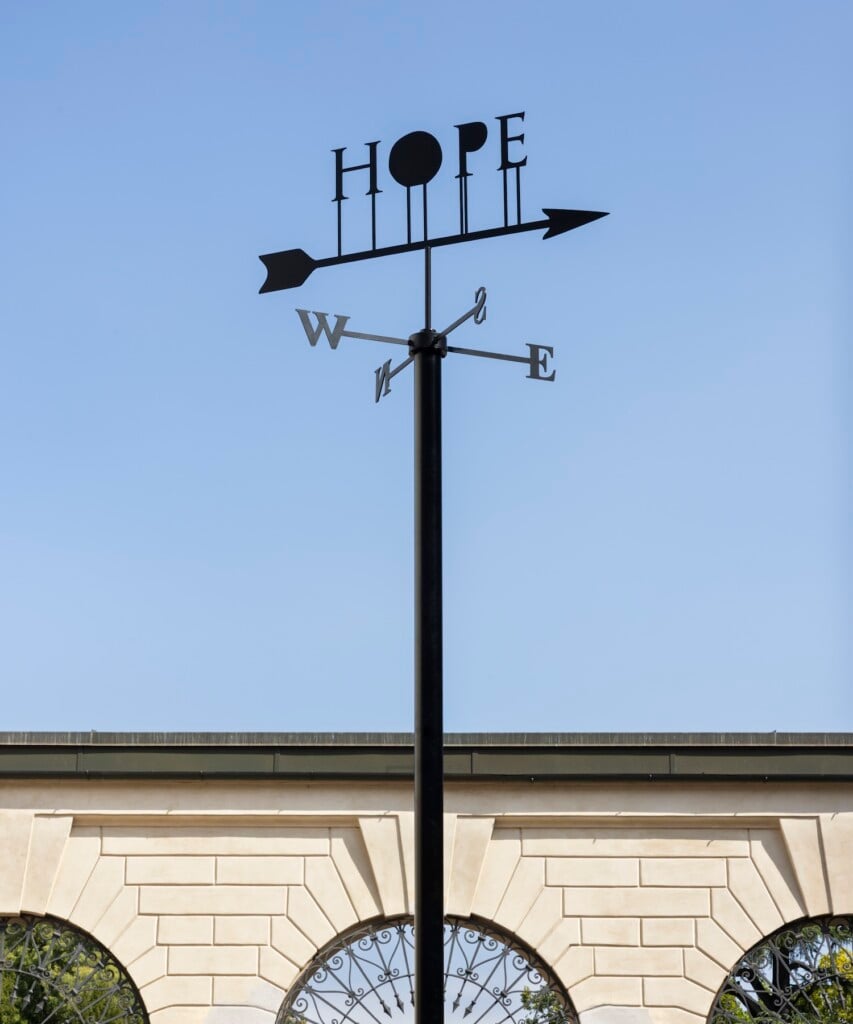
This poetics runs through all the works on view at the GAM. In HOPE, a monumental weathervane placed in the courtyard of Villa Reale replaces the traditional rooster with the word “hope”, turning a simple device that indicates wind direction into a symbol of orientation and possibility. In Truth, on the other hand, the word “truth” is reversed and can only be read correctly through its reflection, calling into question the idea of an immediately accessible truth.
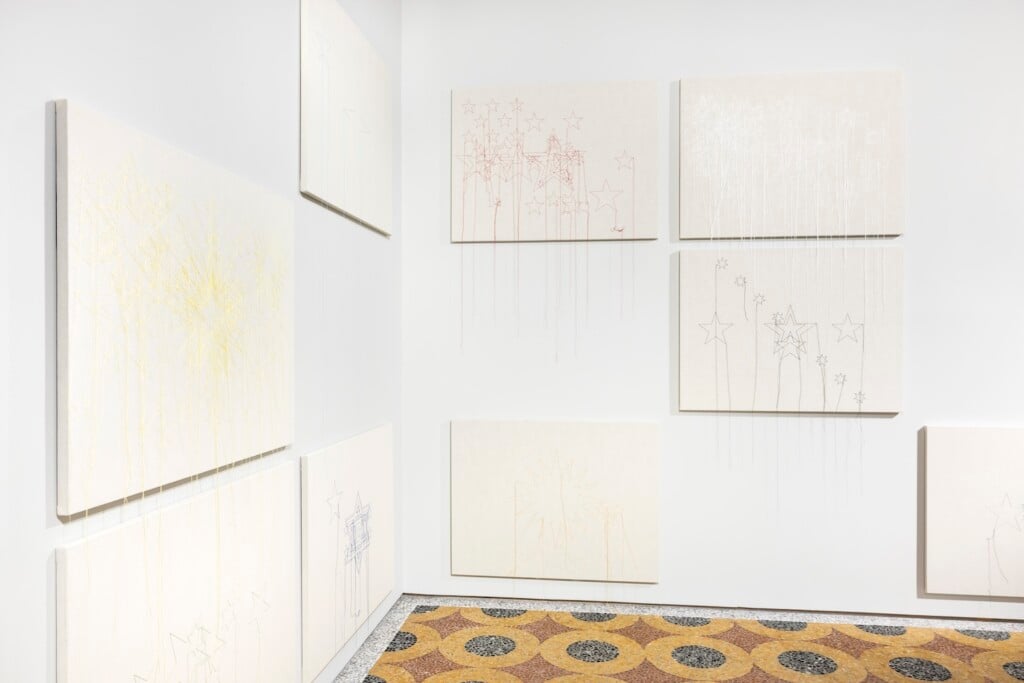
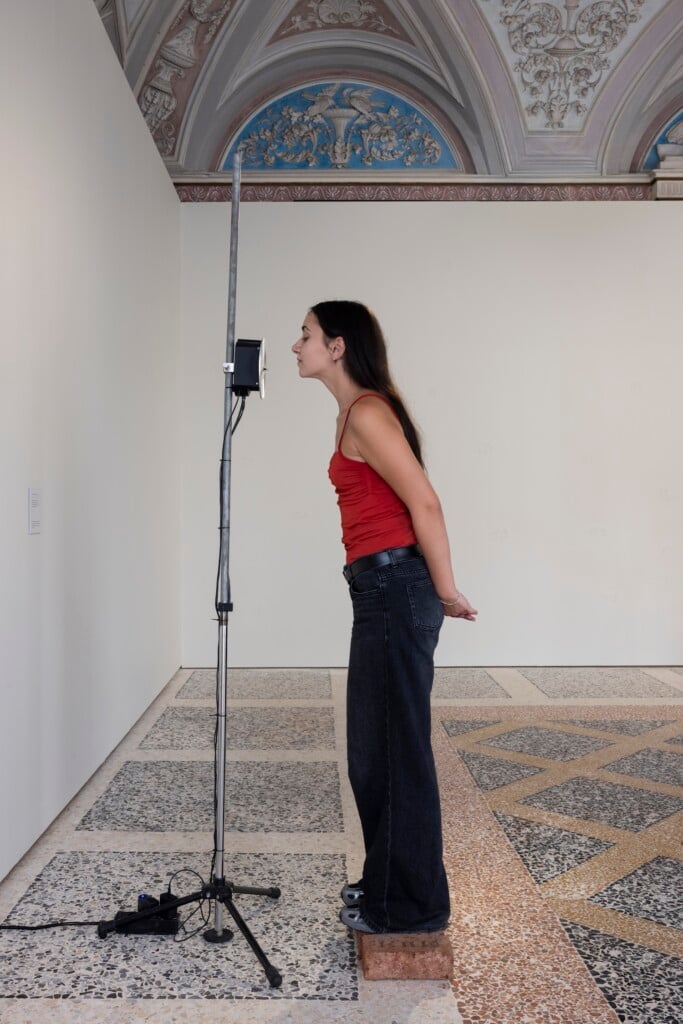
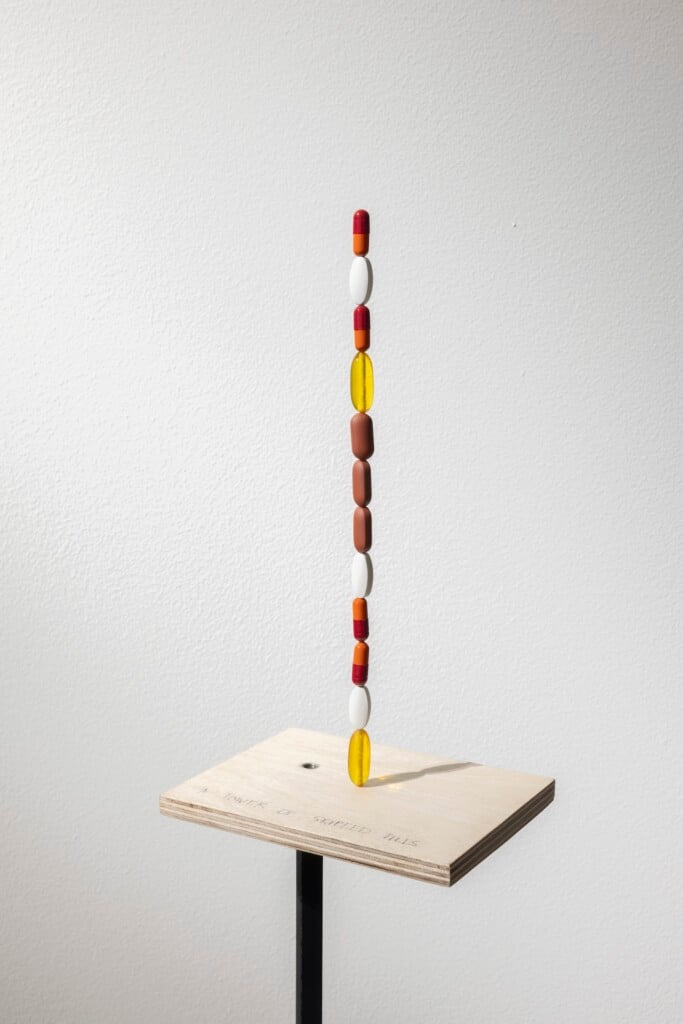
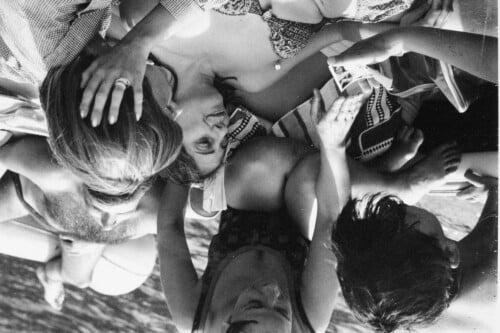
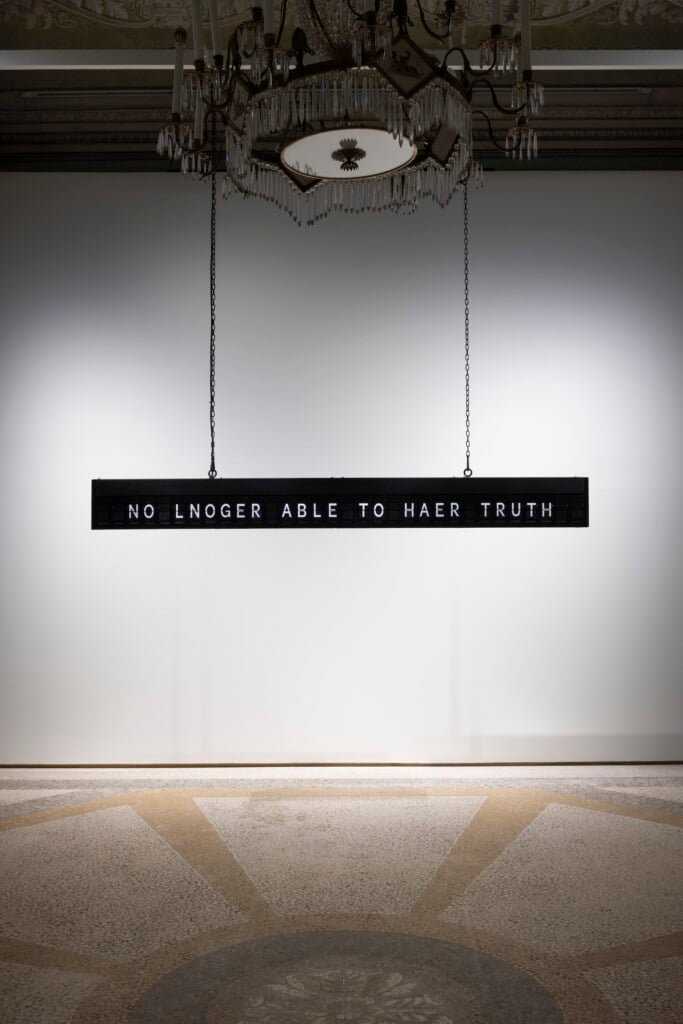
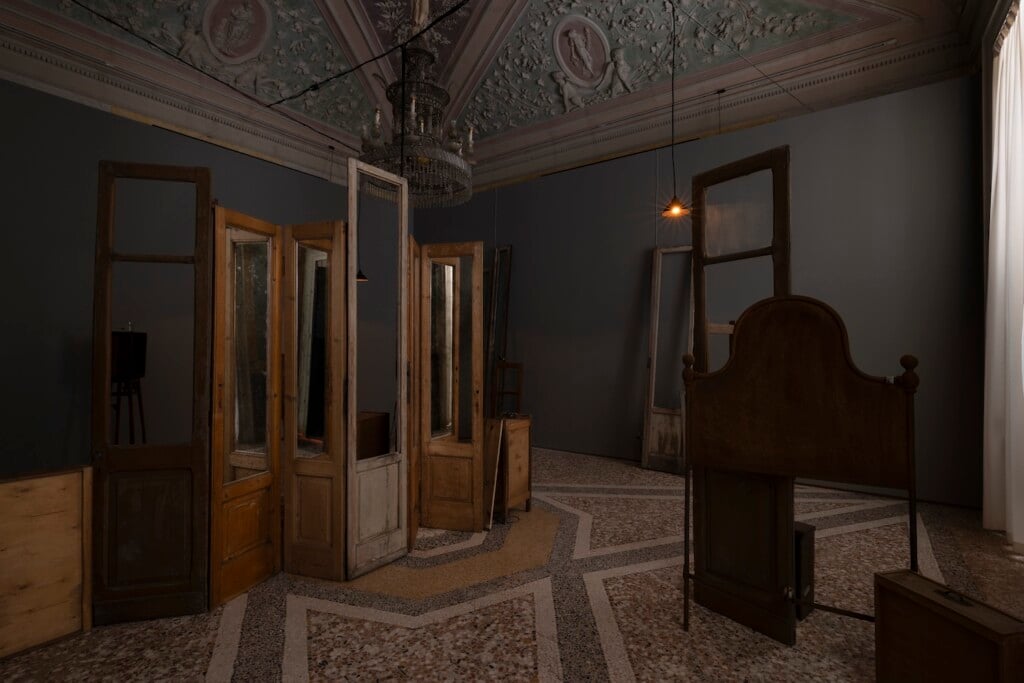
More physical is the experience of Breathe, where almost invisible traces of protests that actually took place emerge only through the gesture of the visitor, while When the Stone Sang to the Glass (Bella Ciao) brings the memory of protest into a domestic space through furniture, glasses and objects turned into sound instruments. SoundOnMySkin too, with its display of letters composing and decomposing phrases, works on the instability of language. Works that differ in form and materials, yet united by the same strategy: introducing a small error, a shift or an interruption to force us to look again.
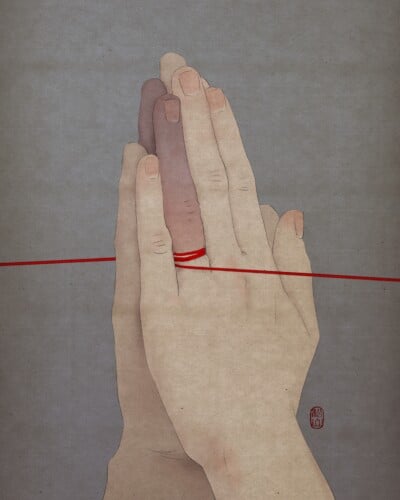
As the exhibition’s title suggests, getting closer to the sky doesn’t necessarily require a grand movement. Sometimes it’s enough to shift a hand, a word, or one’s own gaze just slightly.