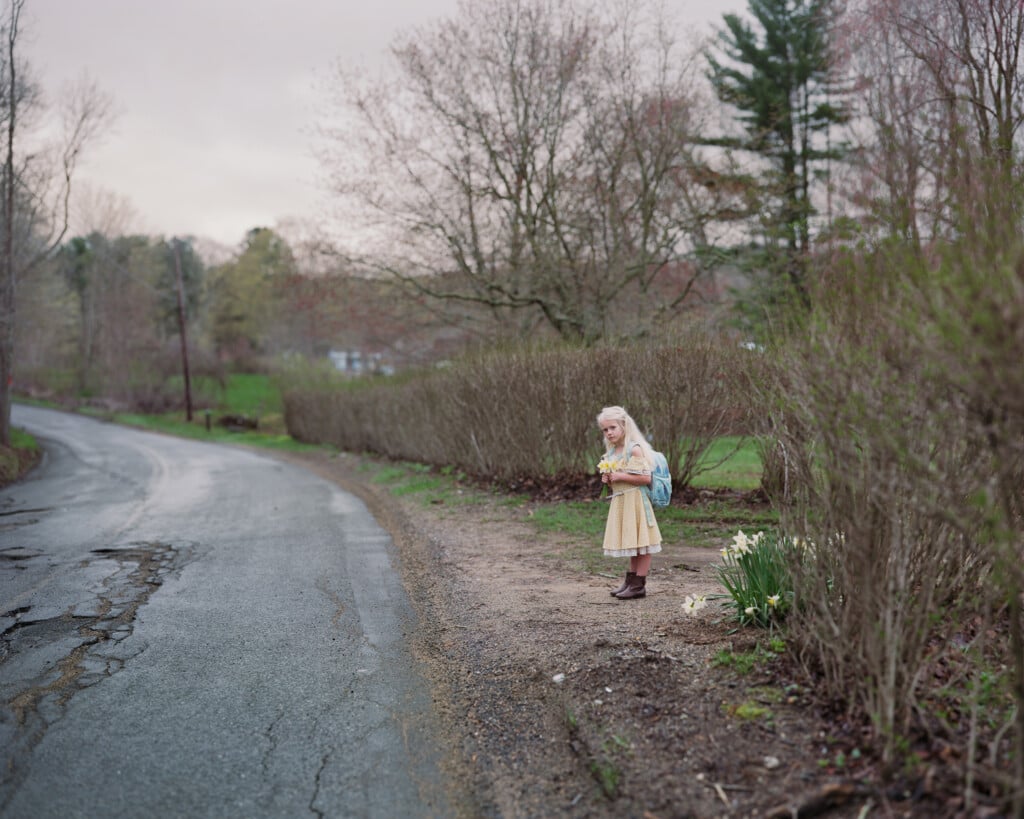
In the silence of an ordinary morning, along a residential street in Connecticut, a little girl waits for the school bus. She is wearing a light blue backpack and holding a bouquet of freshly picked flowers. It is a scene that could belong to any American suburb: a simple, everyday, almost invisible moment. And yet, in the photographs from Morning Bus, a series by American photographer Greg Miller, this image carries a much deeper meaning. The project also became a book published by L’Artiere, in which Miller himself reflects on his perspective as a parent and explains how the idea for the series came about.
The project began in the aftermath of the Sandy Hook Elementary School shooting, one of the most traumatic events in recent United States history. On December 14, 2012, twenty children between the ages of six and seven and six adults were killed inside an elementary school in Newtown. For Miller, who was living nearby with his family, the news arrived while his six-year-old daughter was sitting in class, not far from where the tragedy was unfolding.
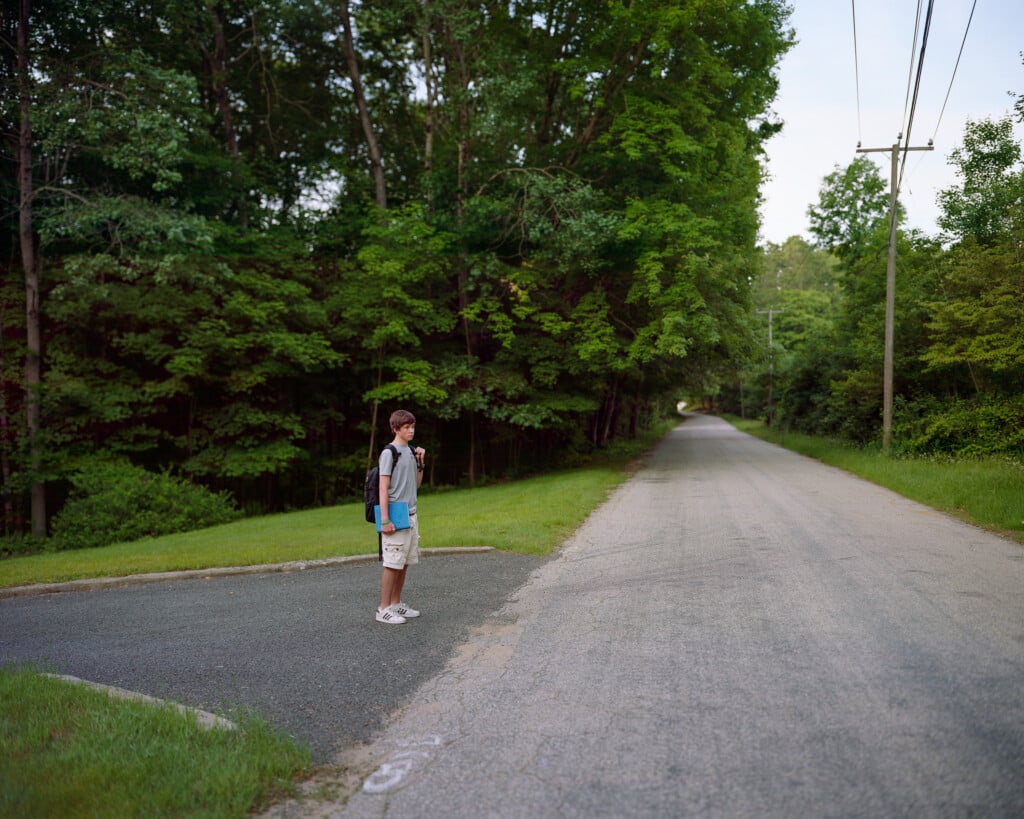
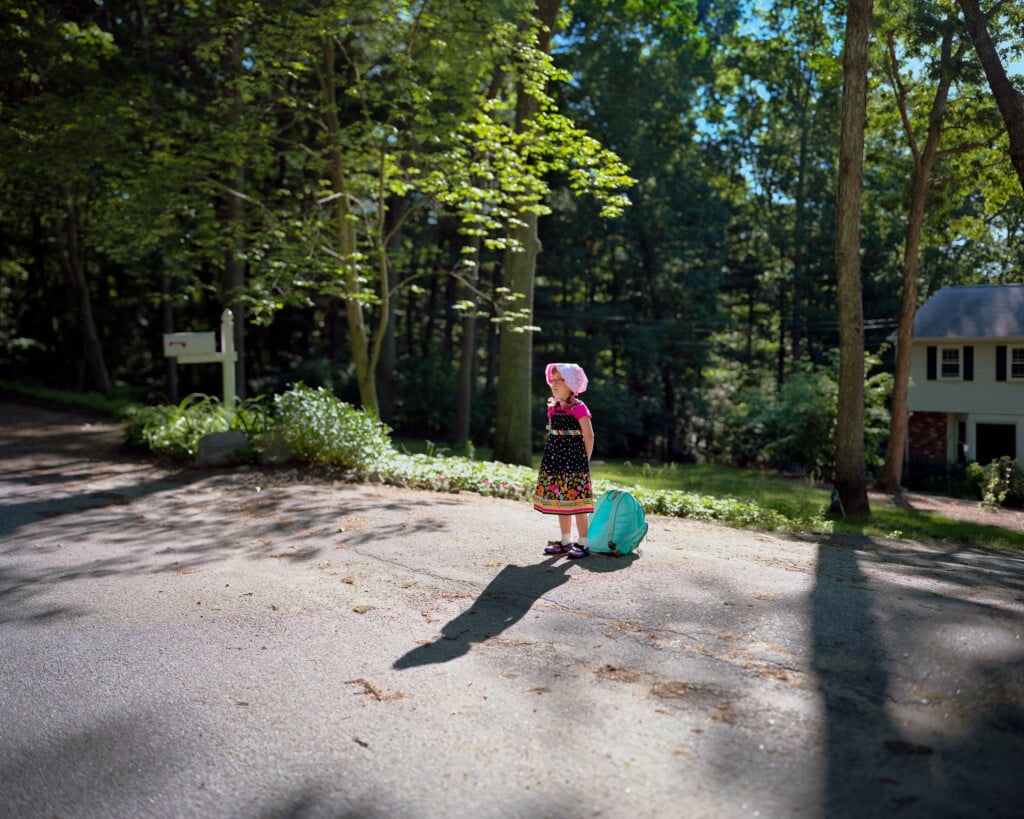
From that moment on, an apparently ordinary gesture such as walking your child to the end of the driveway and saying goodbye before they get on the bus began to take on a new meaning. It is precisely in that liminal space, between the safety of home and the outside world, that Miller found the heart of his photographic project.
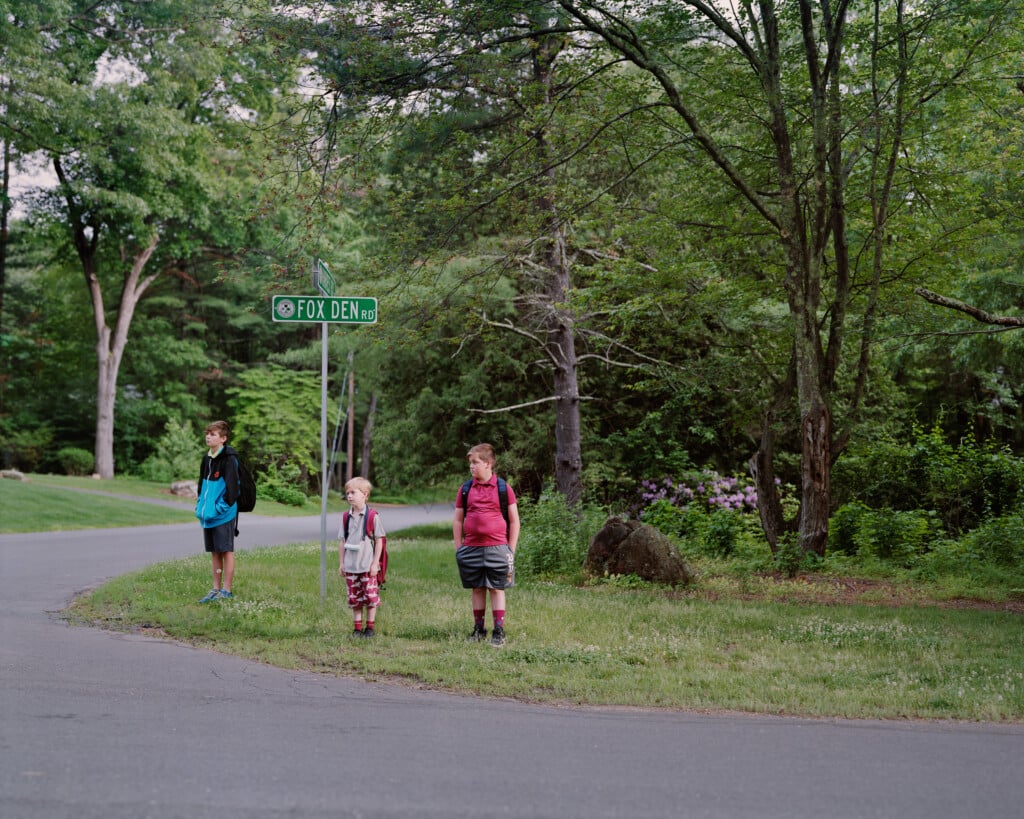
Created over the course of twelve years with an 8×10 camera, the images in Morning Bus portray children at the moment they cross that invisible threshold. They are not spectacular or staged photographs: they are fragments of life suspended in time. And each image tells a unique detail, a small personal universe.
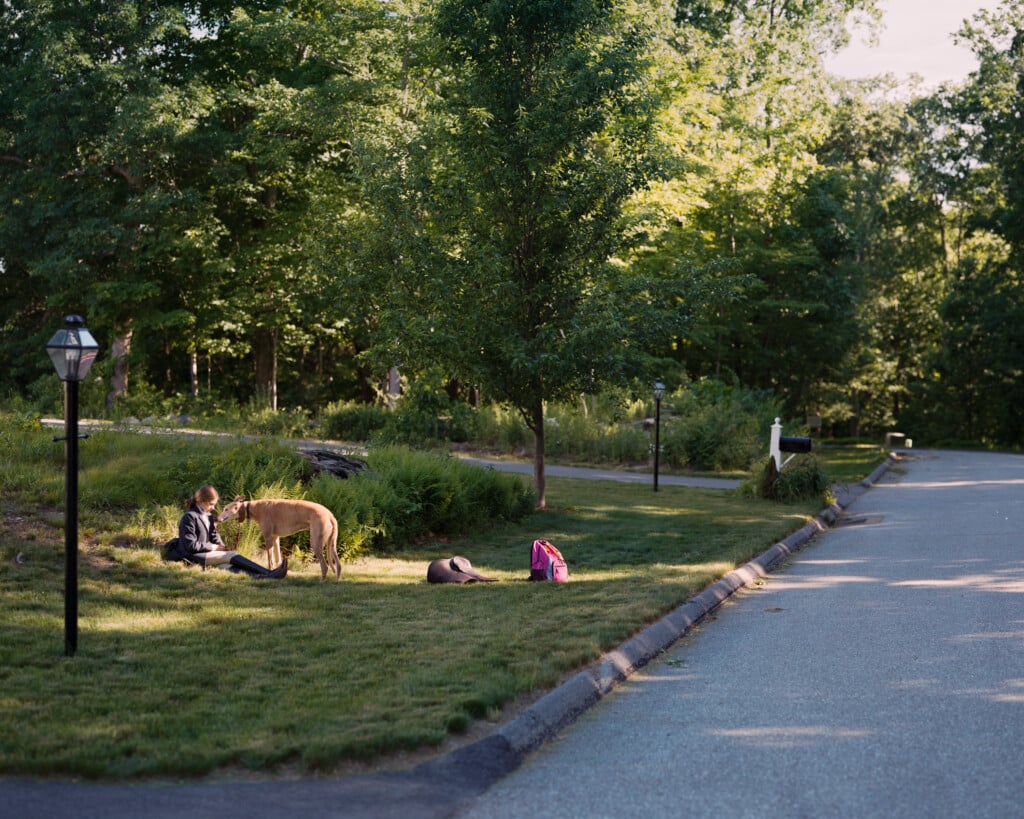
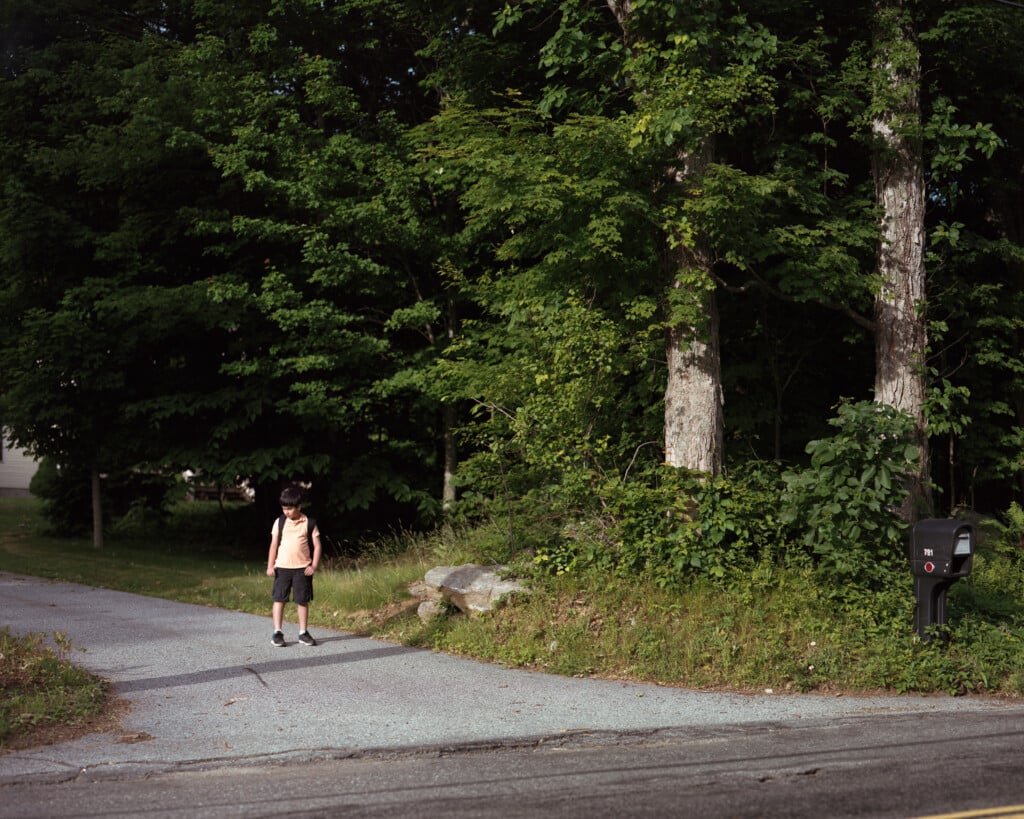
But beneath this apparent lightness runs a deeper tension. In the United States, childhood has in recent years become a terrain marked by a collective fear that is increasingly hard to ignore. Since 2012, the year of the Sandy Hook tragedy, there have been hundreds of school shootings in America, turning places that symbolize growth into spaces haunted by a constant sense of unease.
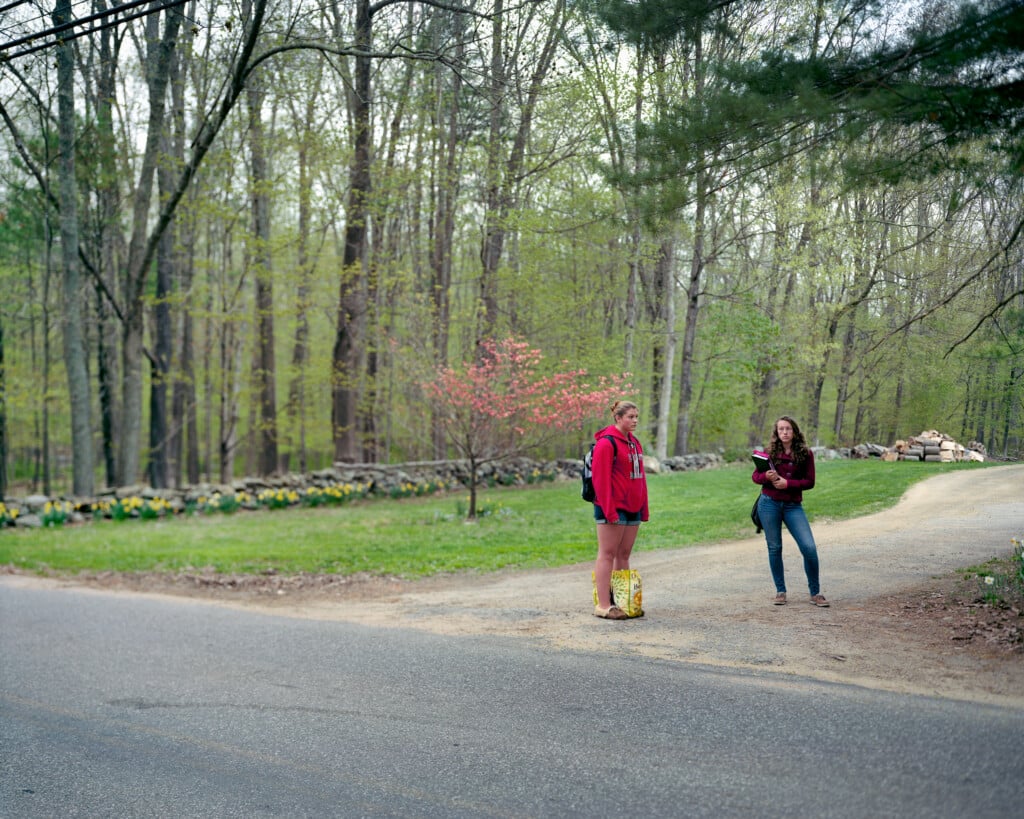
Miller’s photographs do not show this violence directly. On the contrary, they evoke it through the fragility of those ordinary moments that now seem suddenly precarious. The children portrayed in his images are not symbols or statistics: they are individuals with different personalities, gestures, and habits, captured in the brief interval between the protection of home and the beginning of the school day.
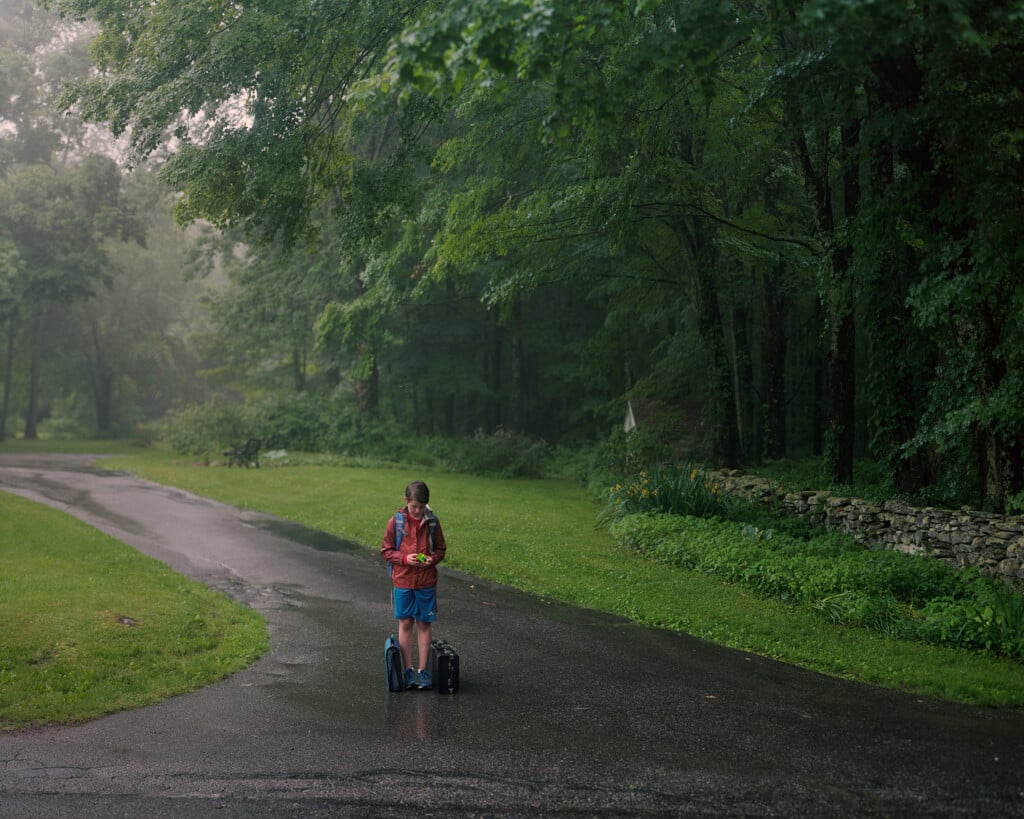
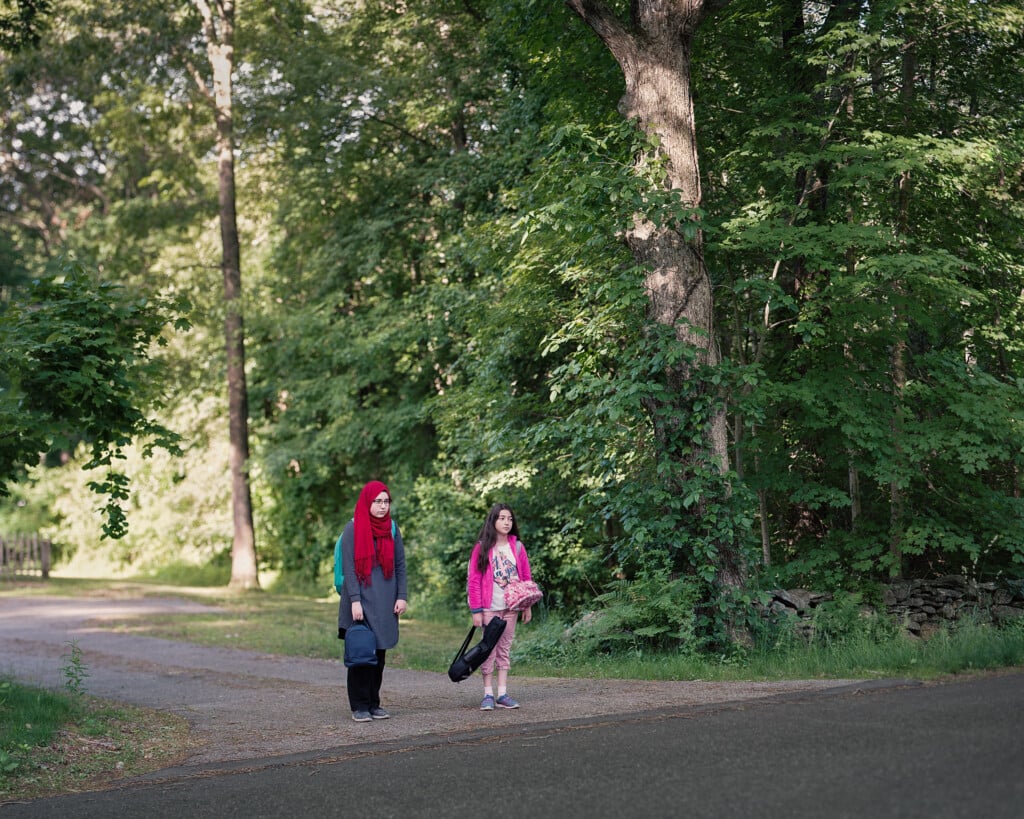
In this sense, Morning Bus enters into dialogue with the tradition of American documentary photography. Miller himself has cited the work of Lewis Hine, who at the beginning of the twentieth century documented child labor in the United States, helping to change public perception of it. If Hine showed children in factories to denounce a systemic form of exploitation, Miller photographs them in a moment of normalcy to remind us how fragile that innocence is.
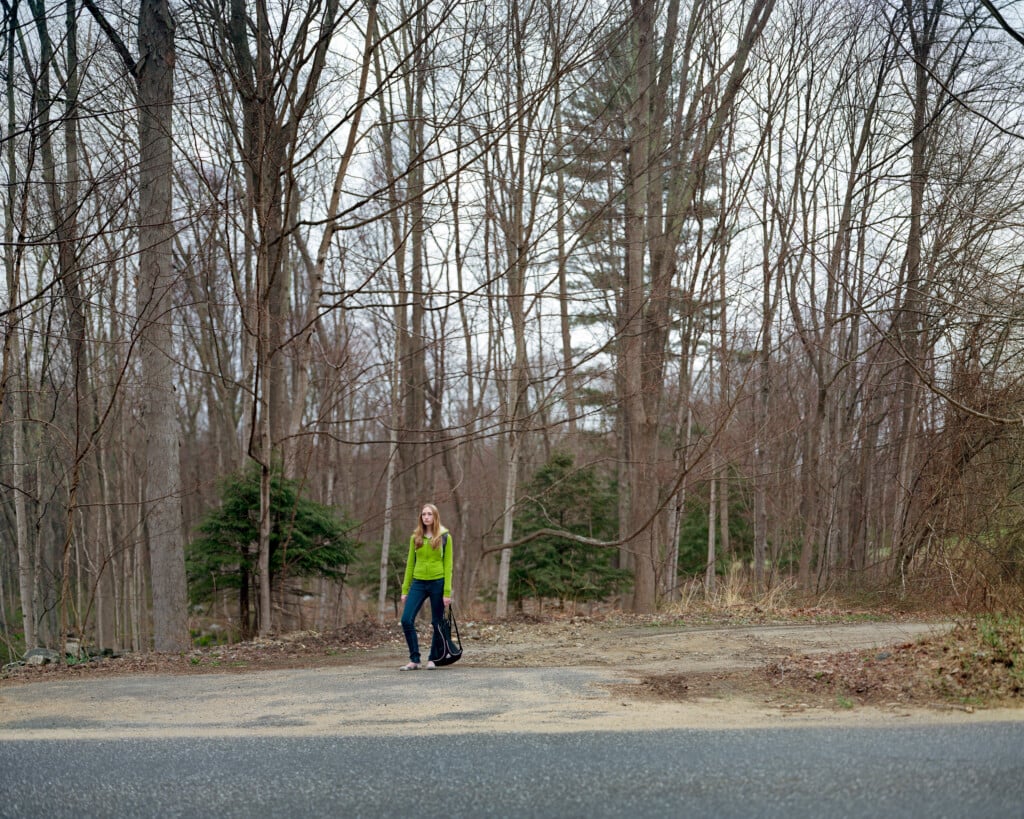
At the end of the driveway, as the yellow school bus emerges from the fog, those children wait. Not only for the beginning of class, but for something greater as well: that the adult world will finally be capable of protecting them.
Read also: Sage Sohier’s pre-digital America