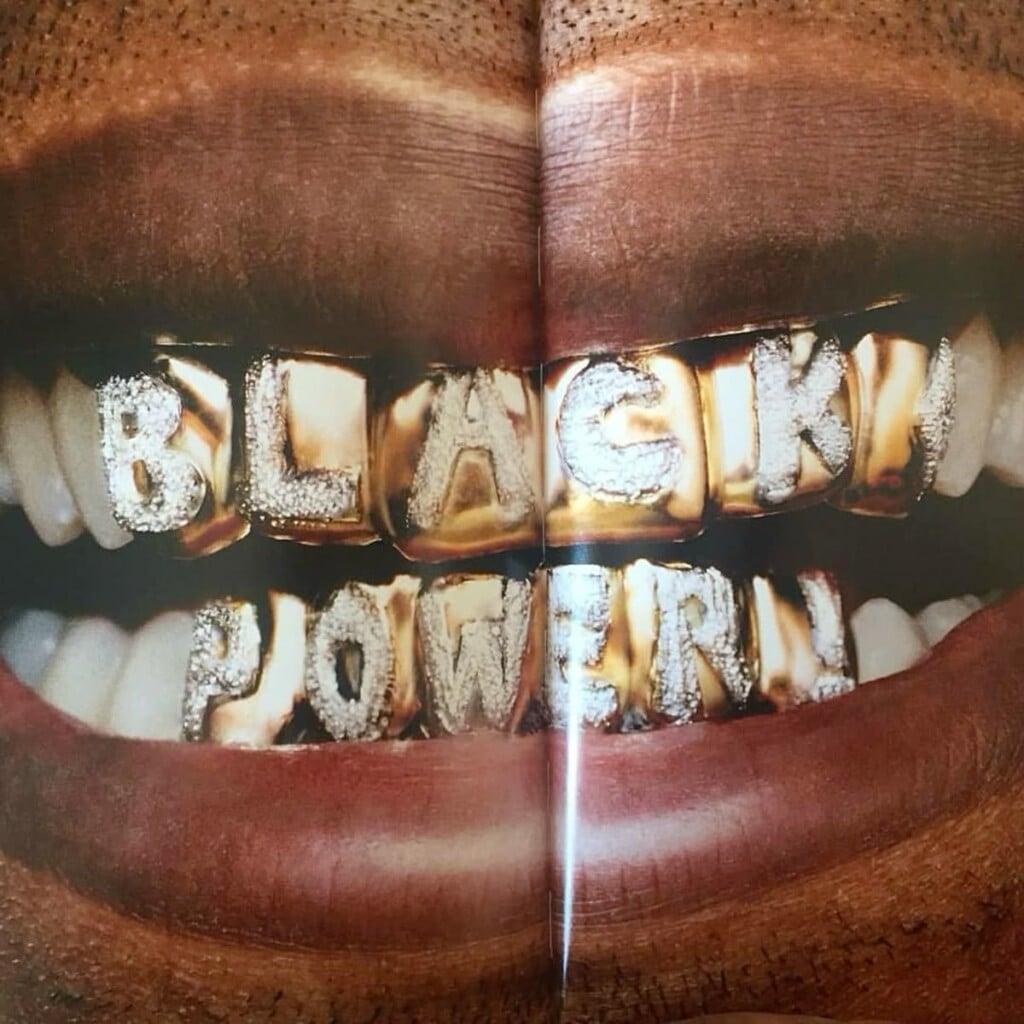
Every cult object has a zero moment. For grillz, that moment is a broken tooth over a bowl of fried cassava (a typical side dish), in Suriname, in 1983. The protagonist is a kid from Brooklyn back visiting family, who finds himself sitting in a dentist’s chair staring at a gold crown he doesn’t want to wear forever. From there, from a refusal, one of hip hop culture’s most recognizable objects is born.
Born in Suriname and having emigrated to Brooklyn with his family in the early Seventies, Eddie Plein grows up dreaming of becoming a soccer player. It’s during that 1983 trip that everything changes, when the dentist offers him a permanent gold crown, a common practice in the country, but he rejects the idea of an irreversible procedure. When he returns to New York he has one thought fixed in his head, and instead of enrolling in the university he had planned to attend, he enrolls in dental school to learn how to work crowns and molds.
His first experiments happen in his parents’ basement in Brooklyn, using acrylic and metal, often trying the pieces directly on family members.
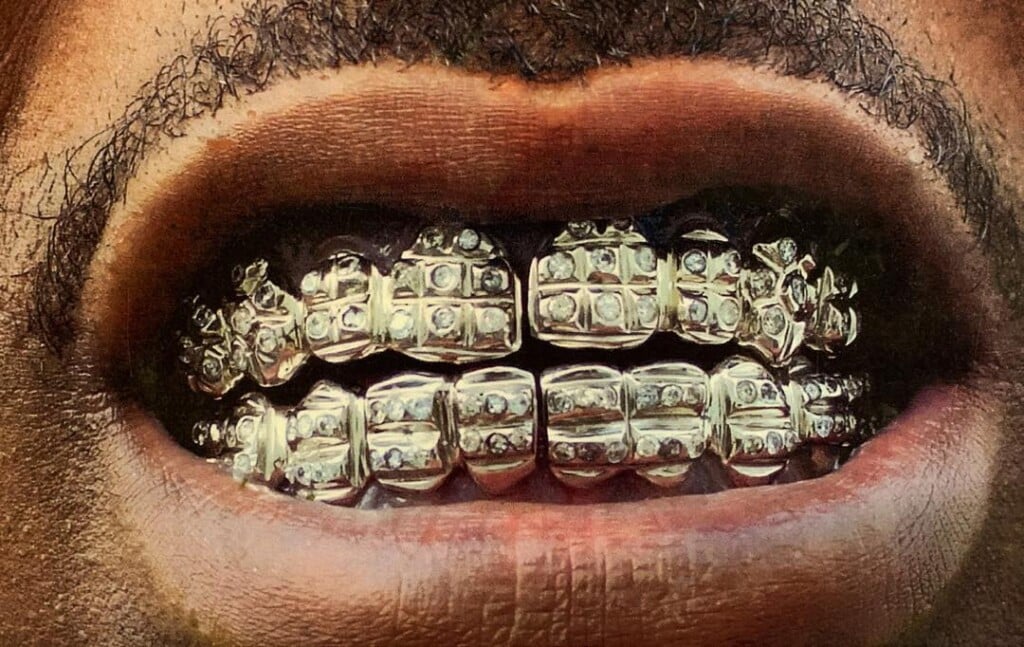
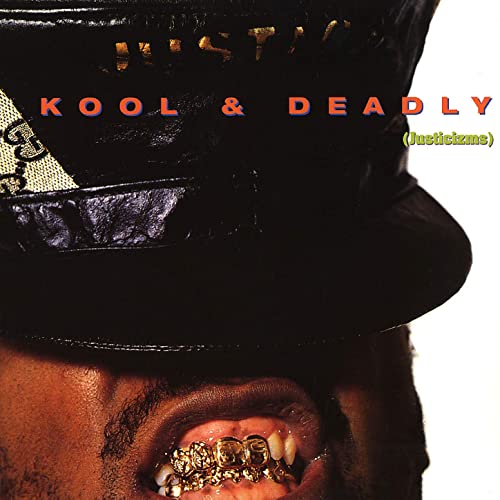
His first major client arrives in 1987. It’s Just-Ice, a rapper from the Bronx, who shows off the grillz made by Plein on the cover and promotional posters for the album Kool & Deadly. The image ends up plastered across New York, and from that moment Plein’s basement turns into a constant flow of people.
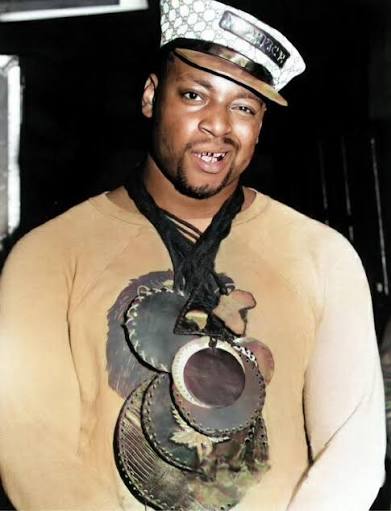
Shortly after, he opens “Famous Eddie’s” at the Colosseum, a historic market in Queens, quickly becoming the go-to jeweler for an entire generation. From Flavor Flav to Big Daddy Kane, all the way to a very young Jay-Z, everyone passes through his hands. Success, however, attracts imitators who copy his work while undercutting his prices, and Plein is forced to close up shop and leave New York after his house is foreclosed.
In 1992 he moves to Atlanta, where he experiences a second, even bigger rise, becoming the jeweler for OutKast, Goodie Mob, Ludacris and Lil Jon. In 2006, with the industry now saturated with competition and his reputation increasingly sidelined from the public story of grillz, Plein retires, all but disappearing from the radar for almost twenty years.
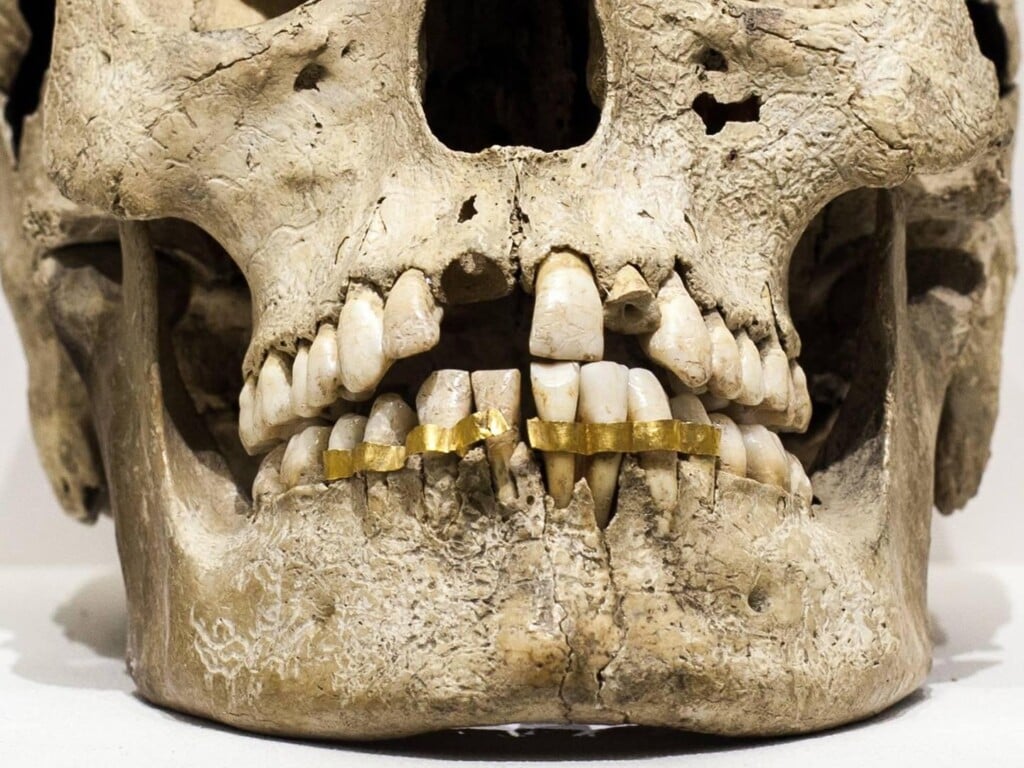
The idea of decorating teeth with precious metals, though, doesn’t start with Plein. He invents its modern, removable version, meant to be worn and taken off like any other piece of jewelry. The real origins go much further back. In Egypt, around 2500 BC, metals were embedded between teeth as a sign of prestige. In Southeast Asia there are dental ornaments four thousand years old, while the Maya used jade as a symbol of rank. In Italy, the Etruscans were already making real gold dental prosthetics for wealthy women as early as 800 BC, as documented by anthropologist Marshall J. Becker’s research on around twenty artifacts.
What Plein does in the Eighties is different from all of this because he takes a practice widespread across diasporas (in Caribbean neighborhoods, in the American South, among blues musicians) and turns it into a made-to-measure product, customizable down to every detail, from the shape to the arrangement of which teeth are covered. He’s the one who introduces the idea of the removable set, freeing the gold cap from the dentist’s chair and turning it into a fashion accessory in every sense.
Within just a few years the grillz stops being a neighborhood curiosity and becomes an integral part of hip hop imagery, right up to its mainstream explosion in 2005, when Nelly’s “Grillz” brings dental jewelry into the homes of people who had never even heard of it before.
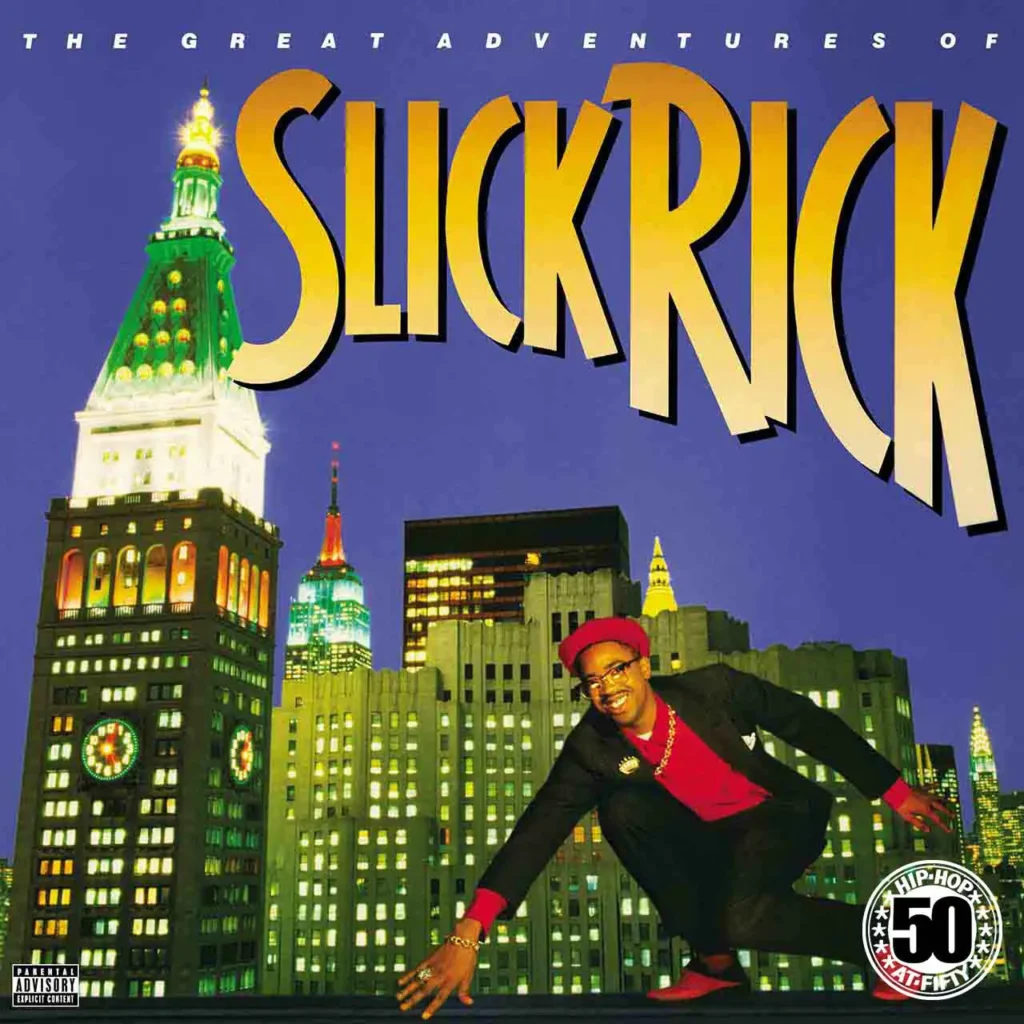
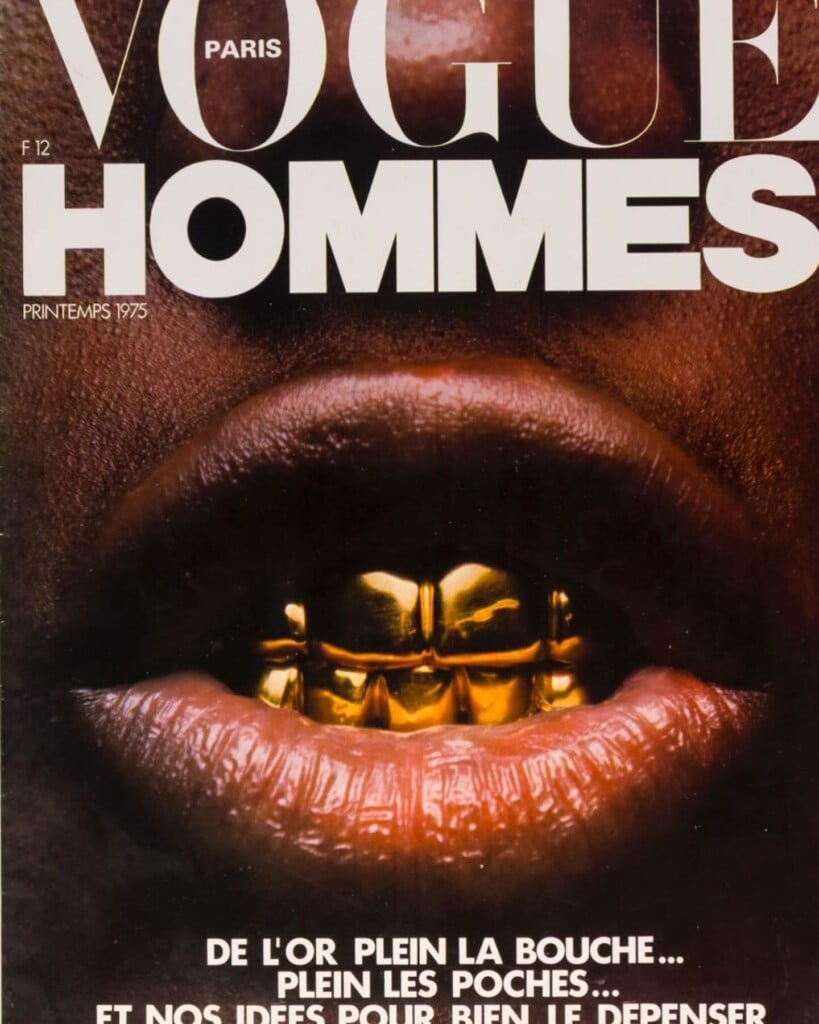
Even before its hip hop turning point, the grillz had already brushed up against high fashion. In 1975, thanks to Grace Jones, it landed on the cover of Vogue Hommes. In the Eighties and Nineties it instead becomes an identity language of New York’s streets: Slick Rick makes it part of his iconography starting with his first album, the Wu-Tang Clan — with RZA and Method Man leading the charge — pushes it into ever more experimental territory, while Erykah Badu shows it off in a music video paying tribute to hip hop history.
The definitive leap comes with the red carpet and global mainstream. At the 2014 Grammys, Madonna surprises everyone with a sparkling grillz, proving the accessory has neither age nor gender. Rihanna alternates gun-shaped pieces with grills fully covered in pink sapphires, Cardi B wears sets custom-designed by the top artisans of the moment, while designers like Dolly Cohen bring the grillz into luxury jewelry, conquering the mouths of Beyoncé, Kim Kardashian and Nicki Minaj. Rounding out the contemporary picture is A$AP Rocky, who, according to those who have studied this history closely, is the figure who ferried the grillz from a purely masculine, aggressive aesthetic to a more refined, almost haute couture language.
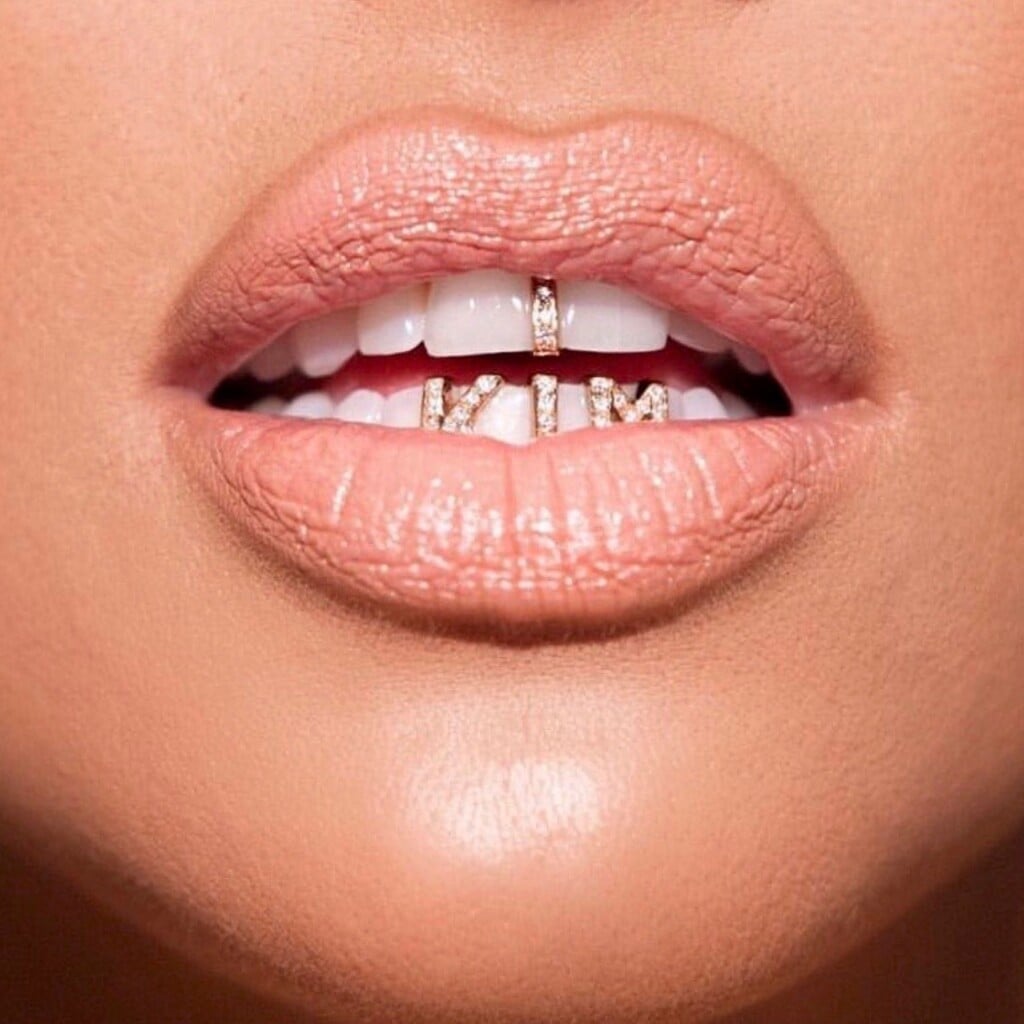
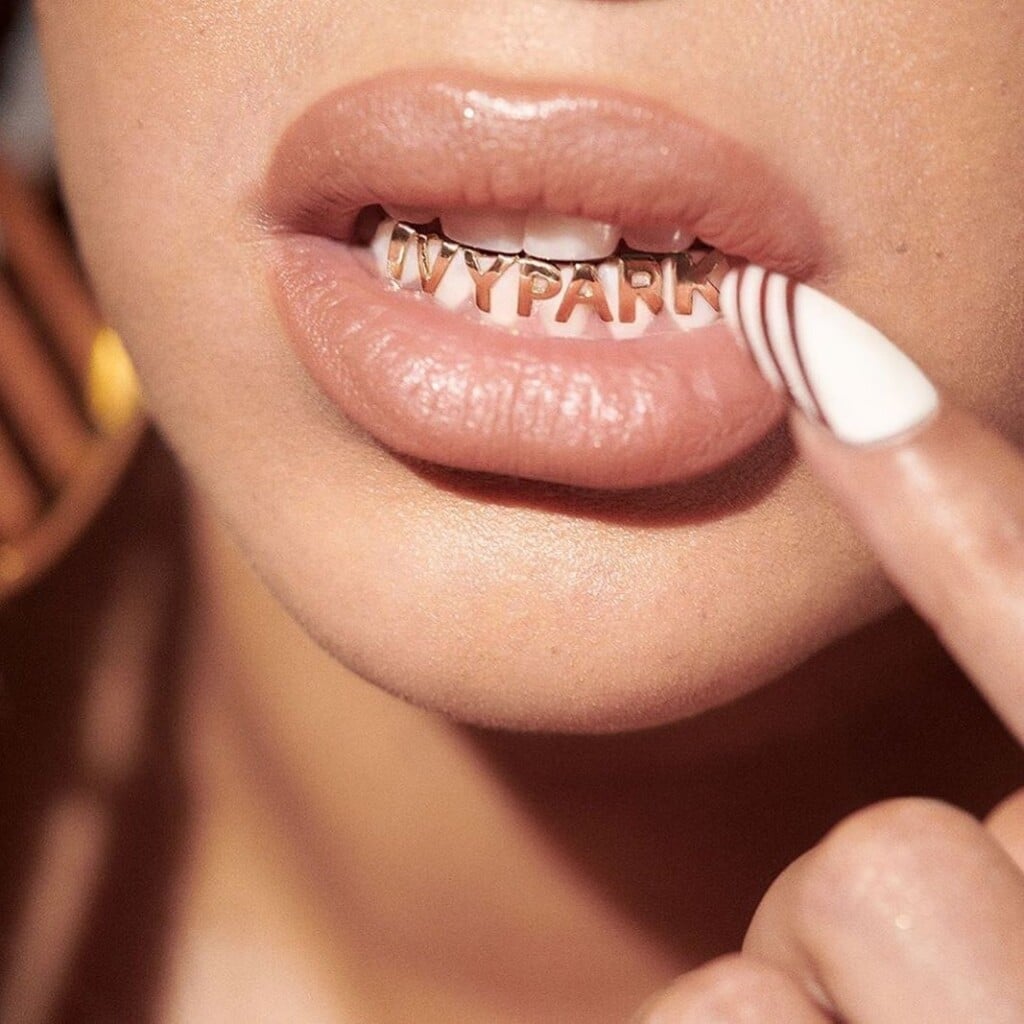
Still, there’s a bittersweet note in all of this. While the grillz became a global language, Eddie Plein’s name all but vanished from collective memory. The one who brought him a bit back into the light is director Lyle Lindgren, who, after meeting him in that Brooklyn basement where it all began, collected his story in the book Mouth Full of Golds, first published in 2021 and then reissued by IDEA in 2023, to which a documentary premiering at the 2026 Tribeca Festival has now been added.
Knowing his story matters, because before every red carpet, every music video, every one-of-a-kind piece designed today by some new jewelry studio, there was a basement in Brooklyn, and a kid who turned a broken tooth into the symbol of a generation.