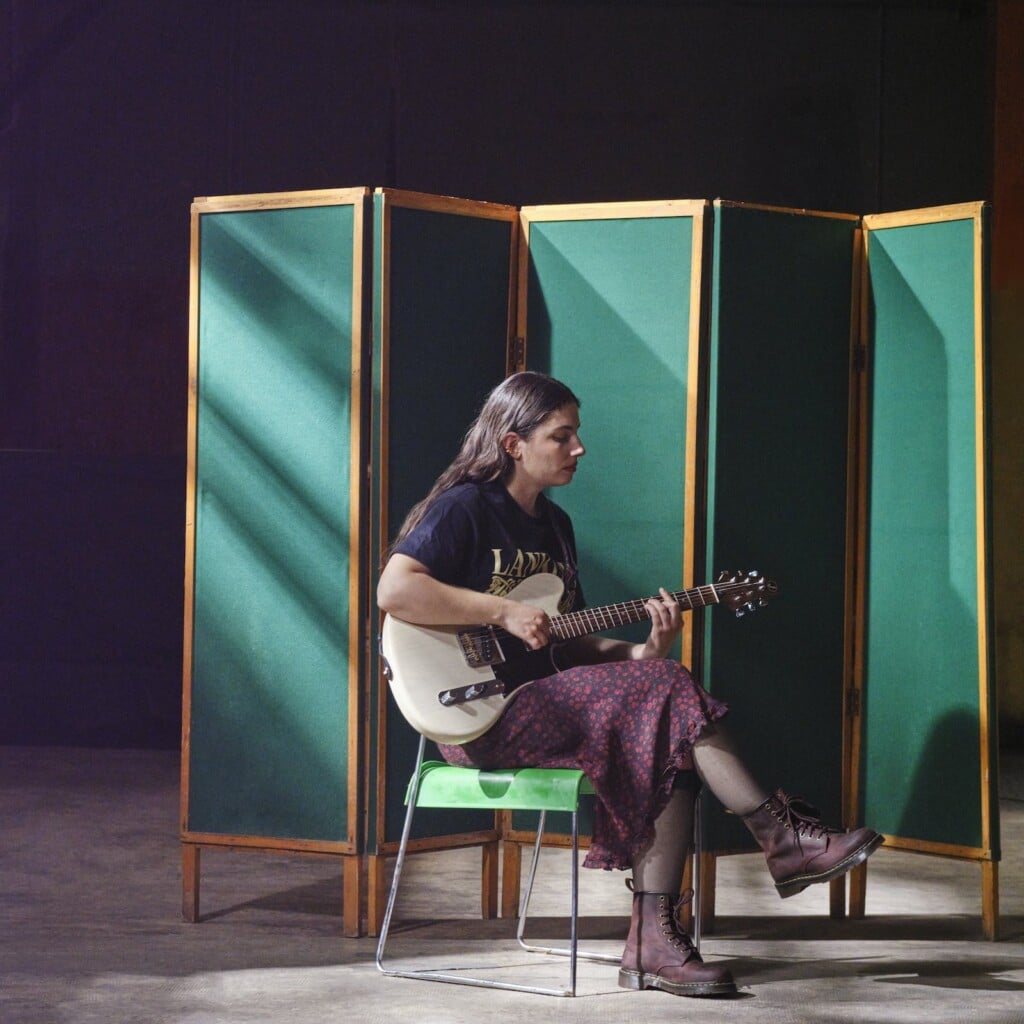
A collection that ages well by design, three words stitched onto the heel loop since 1960 that today become a question, and the voice of Marta Del Grandi. Dr. Martens tries to understand what makes us unique.

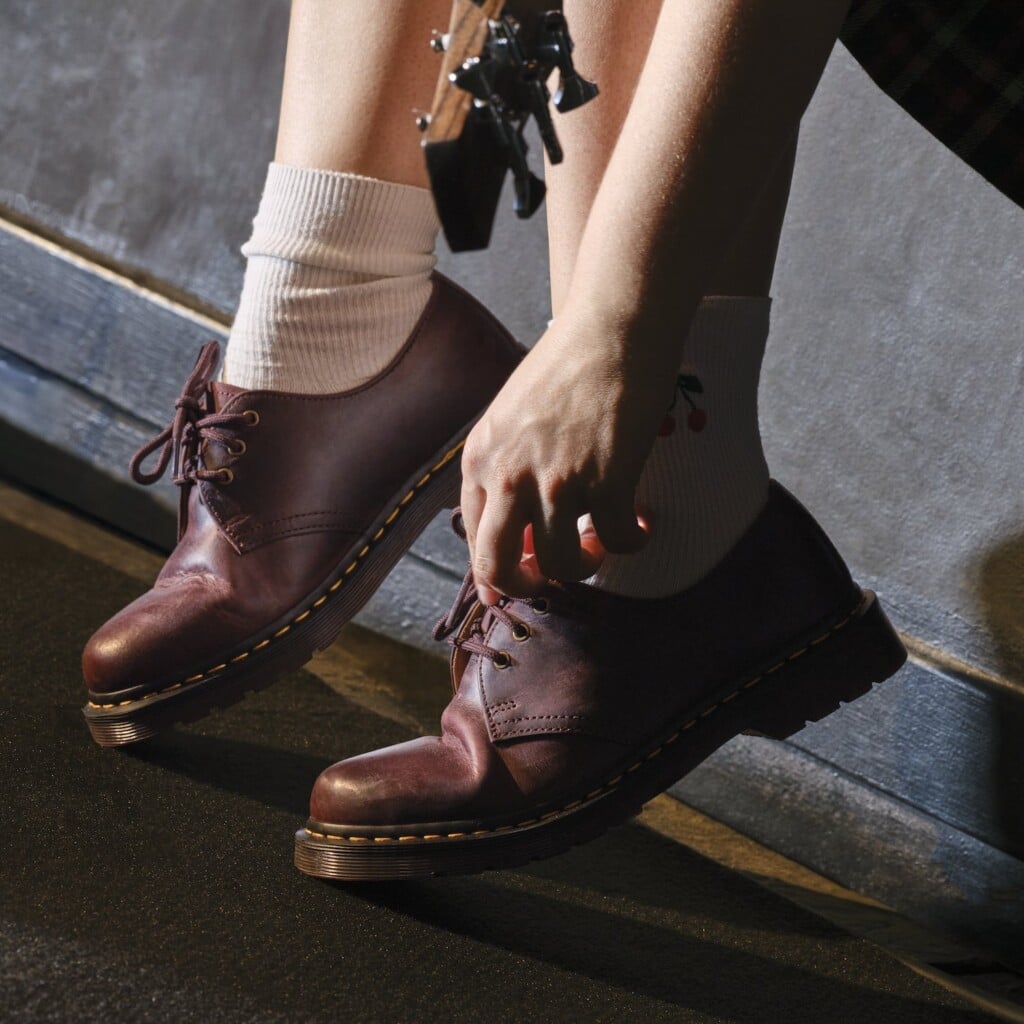
A new shoe has one flaw: it’s new, and almost everything we wear is designed to stay the same as itself for as long as possible, without creases, marks or memory. With the new Crazy Horse Cherry Red leather collection, Dr. Martens does the opposite: it chooses a material designed to record what happens to it.
A leather that keeps count
Crazy Horse leather is impregnated with waxes and oils, which is why it looks alive from day one. With wear it softens, marks, and develops a patina that depends on who wears it, where they walk, and for how many miles. Scratches and creases here are chronicle. No two pairs stay the same as each other, which is an almost paradoxical idea for a brand born out of mass production. The model was in fact conceived as an industrial product, designed to be replicated: the first boot came off the production line on 1 April 1960, the date from which its name derives. Crazy Horse leather, however, introduces a variable that mass production cannot control: time and wear. The identity of the shoe is no longer just that of the model, but also that of the person who has worn it.
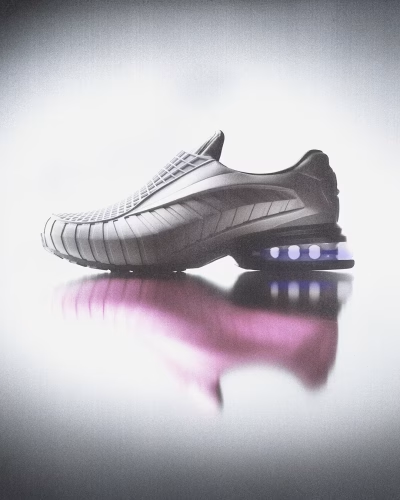
The Cherry Red leather appears on five silhouettes: the 1460 boot, the 1461 shoe, the 2976 Chelsea boot, the Adrian loafer and the Mary Jane 8065. For autumn-winter 2026 the 1460, the 1461 and the Mary Jane 8065 also arrive in new DM’s Green editions. These are the models that built the brand’s myth, reread through a material that doesn’t fear time but turns it into aesthetics.
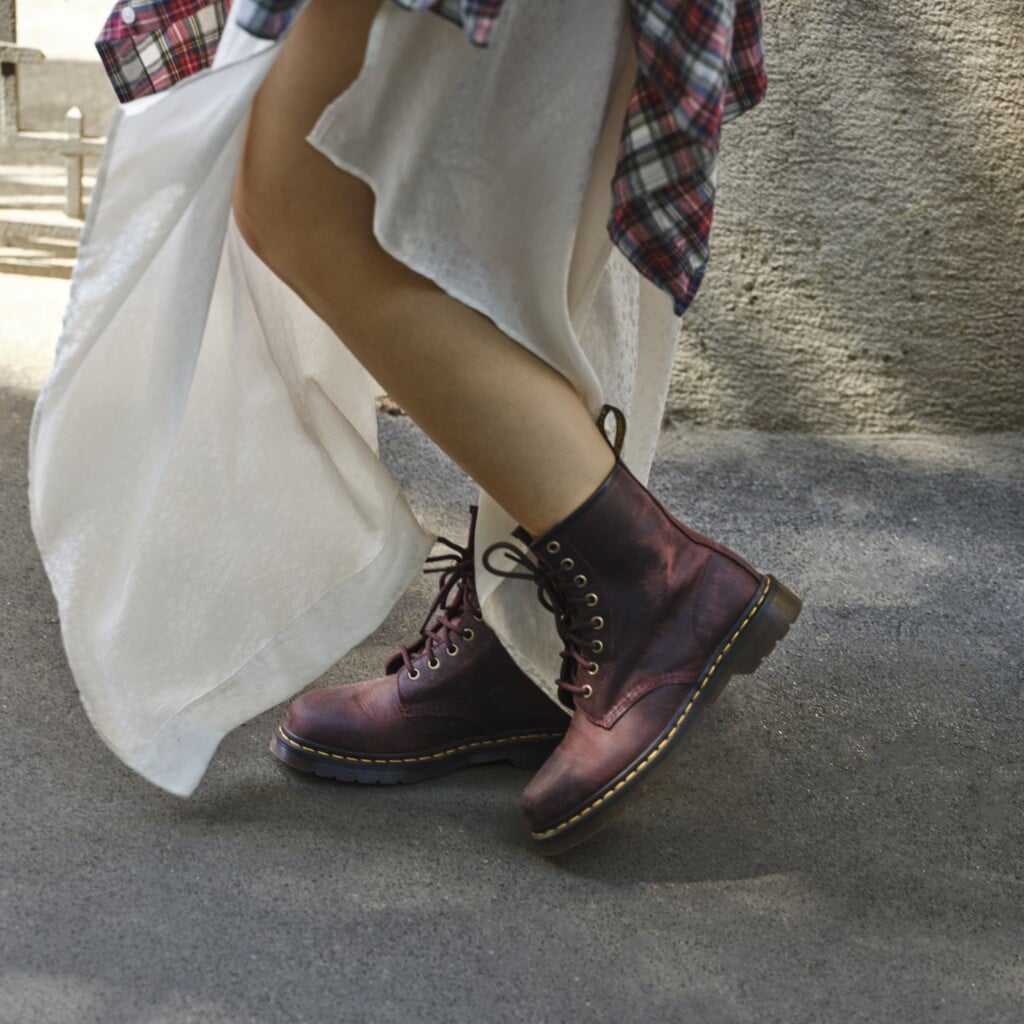
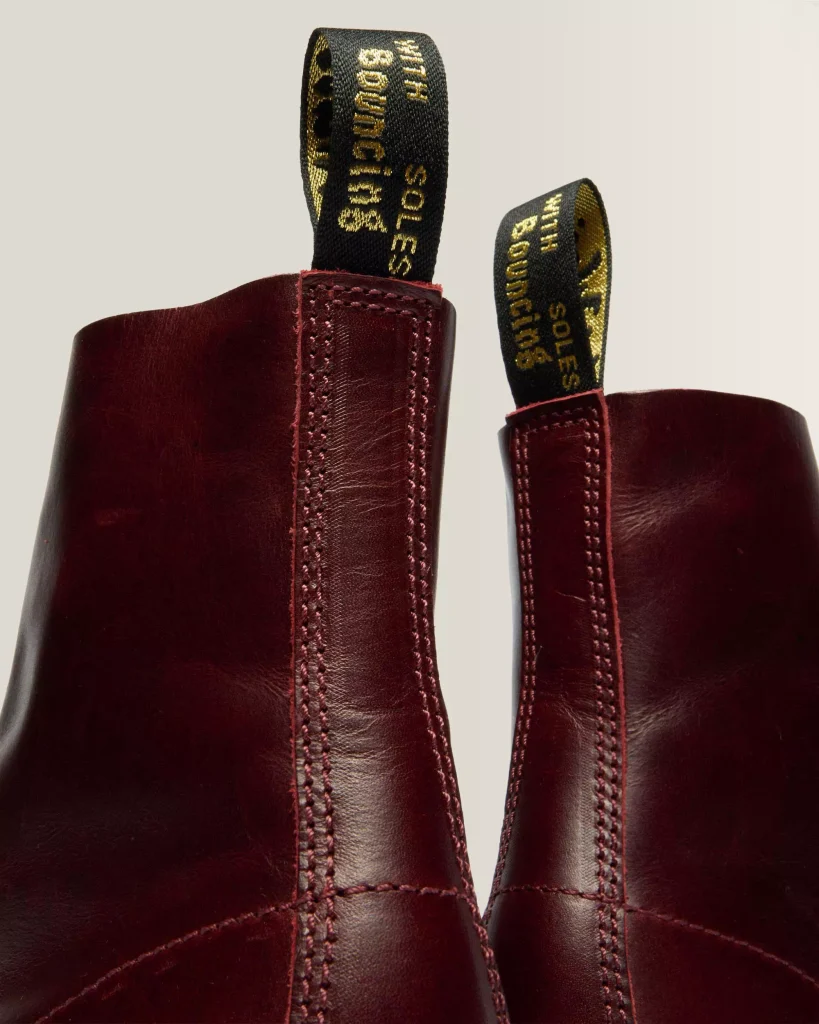
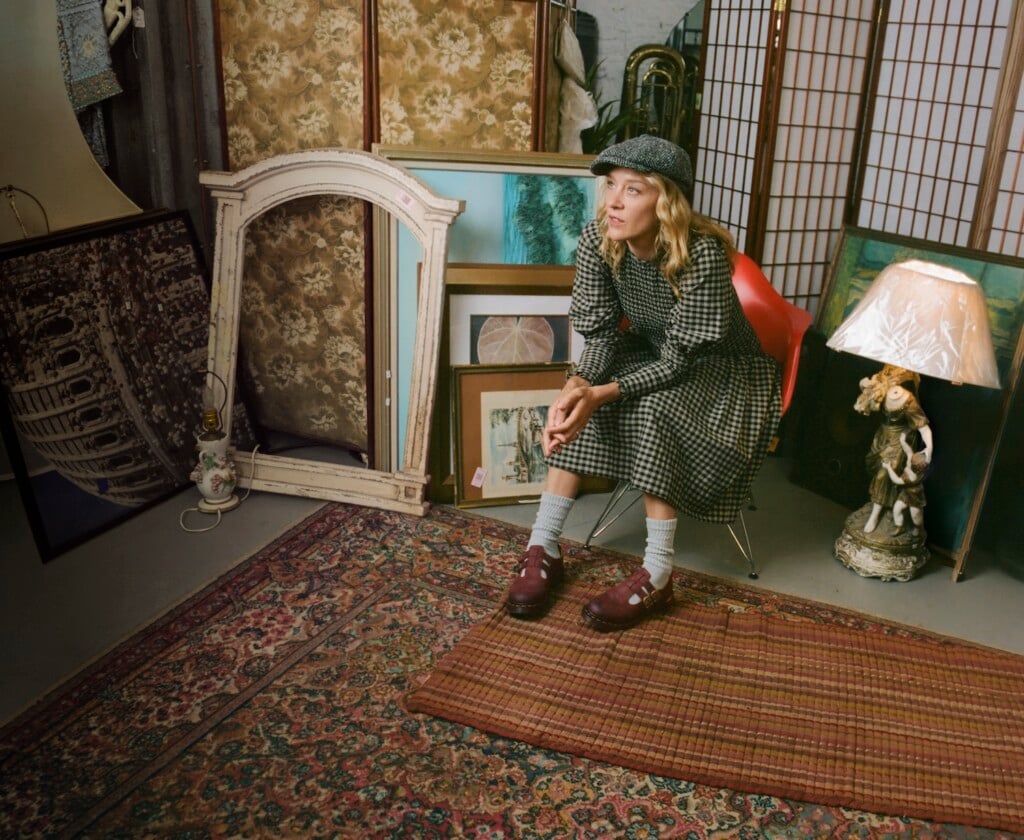
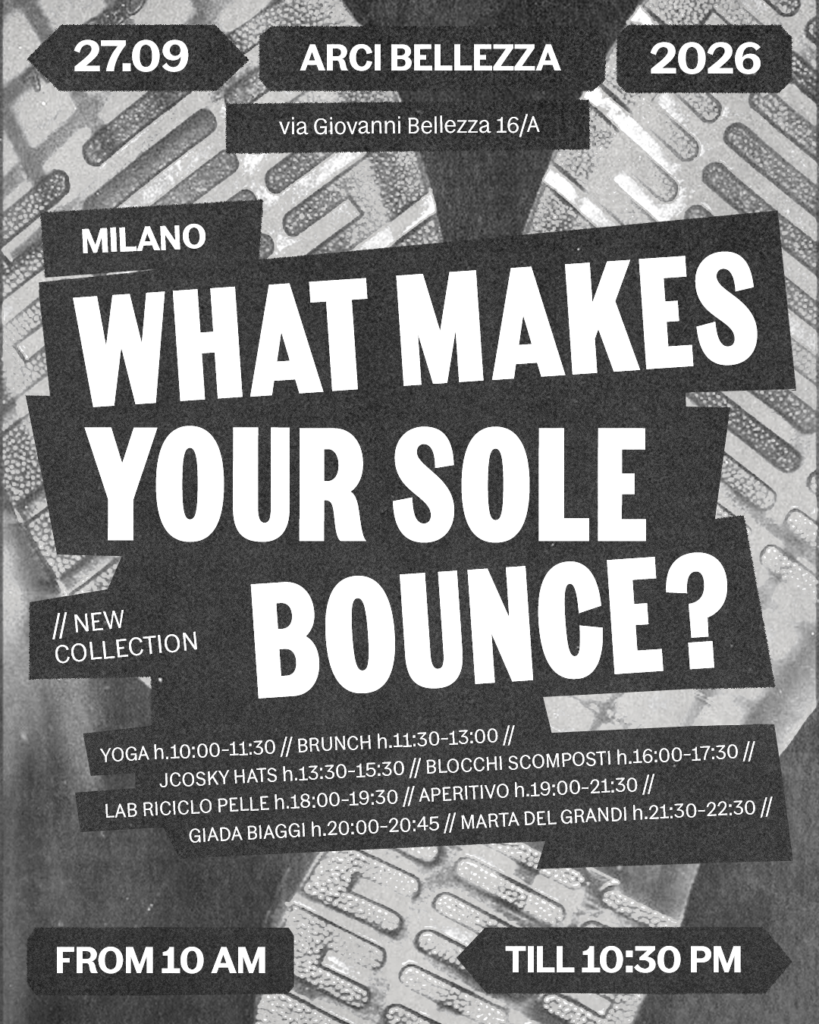
Since 1960, the heel loop of every Dr. Martens has read With Bouncing Soles. Originally it referred to the famous air-cushioned sole. Today it has become the name of a global platform that the brand is launching with the AW26 campaign, built around a single question: What Makes Your Sole Bounce?
To answer it, the campaign brings together very different voices: actress and style icon Chloë Sevigny, musician and writer Jordan Stephens, comedian and entrepreneur Naomi Watanabe, together with many other members of the Doc’s community around the world, including Italian artist and brand ambassador Marta Del Grandi.
The project doesn’t end with the campaign and includes creative collaborations, cultural programming, experiences and initiatives with creative communities. The formula has stayed the same for more than six decades: the iconic silhouettes start the story, the community gives it meaning.
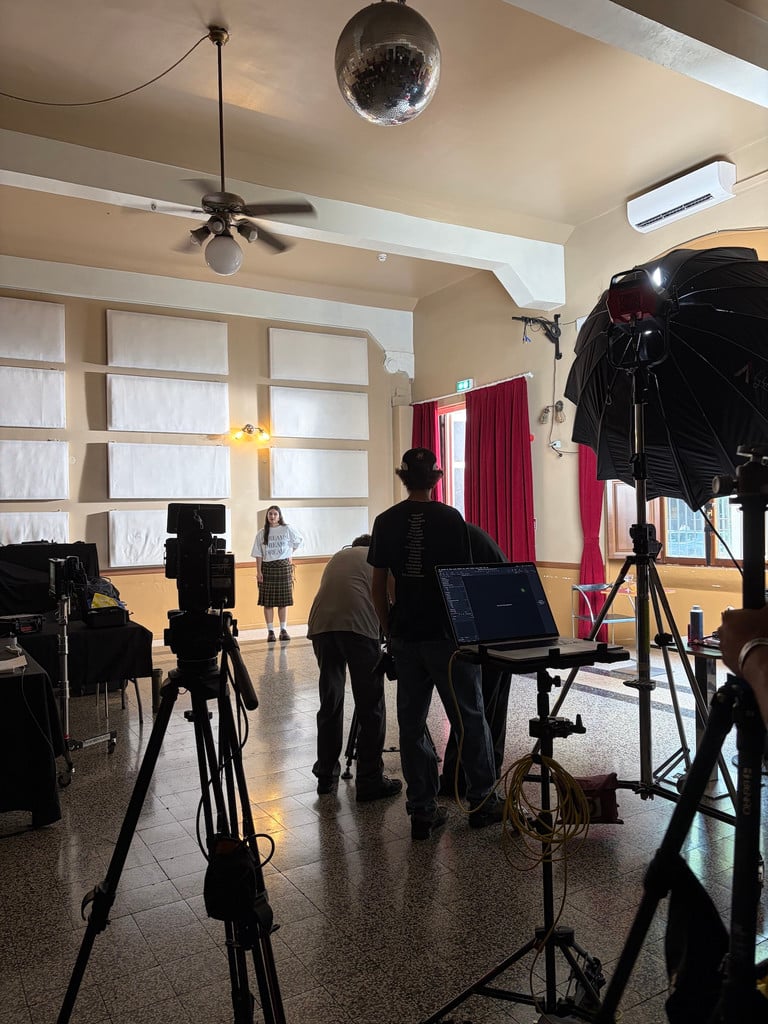
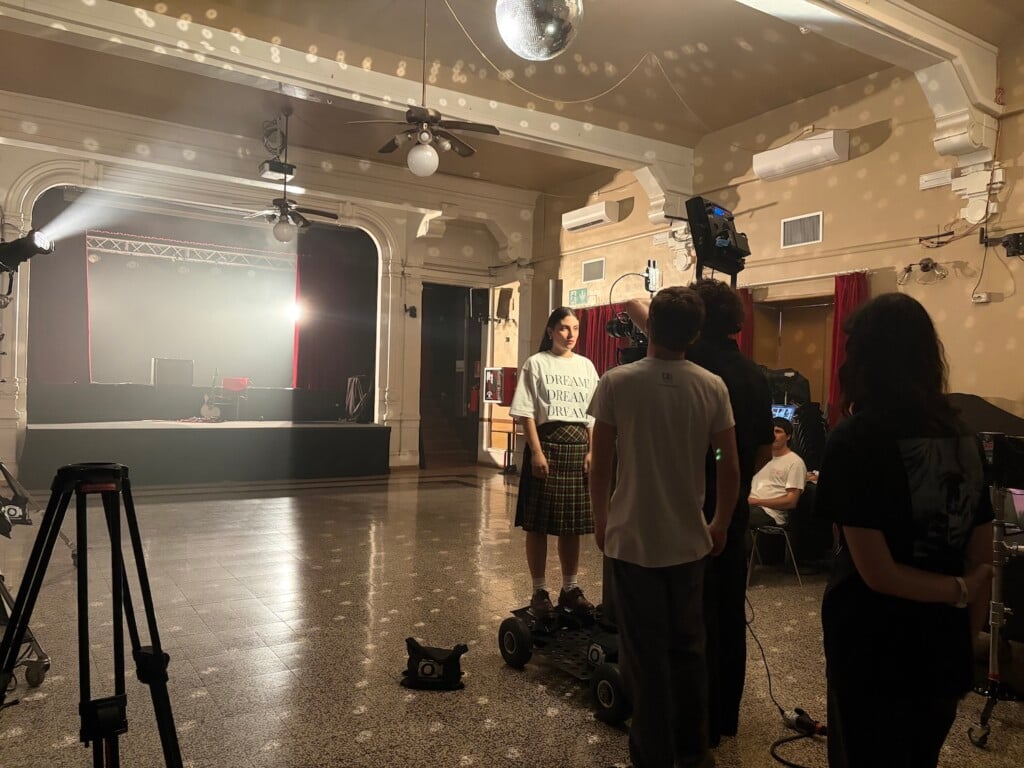
Behind the scenes of the Italian campaign
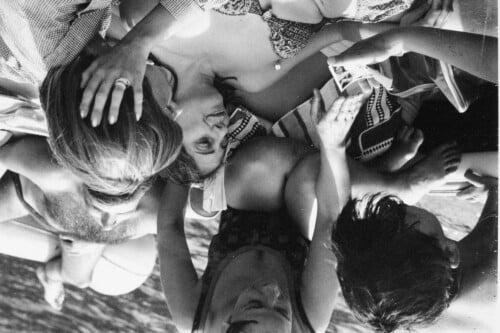
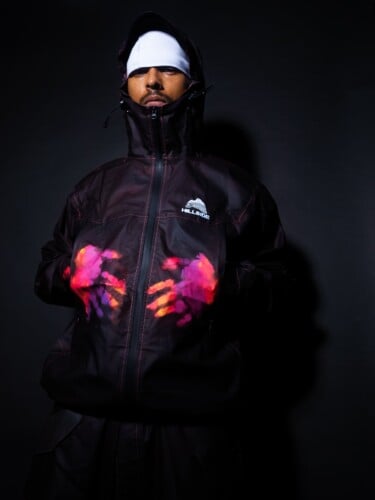
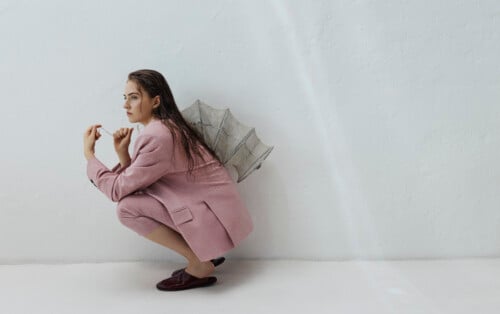
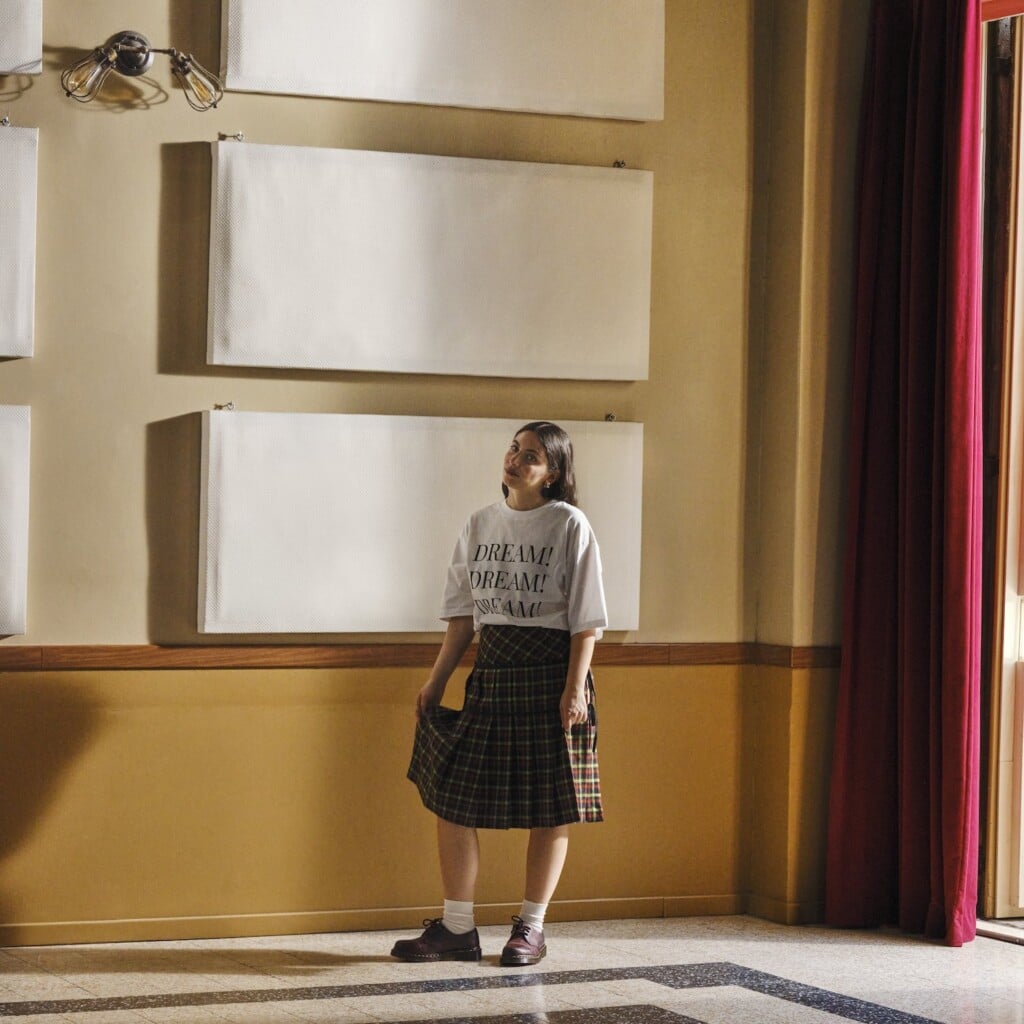
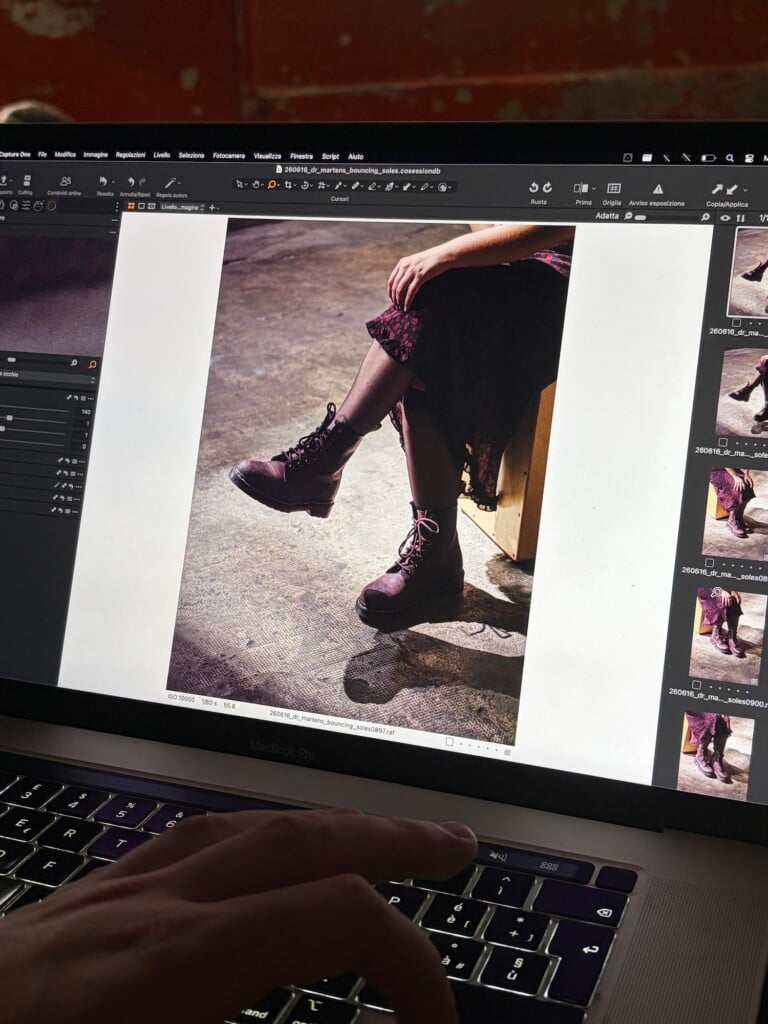
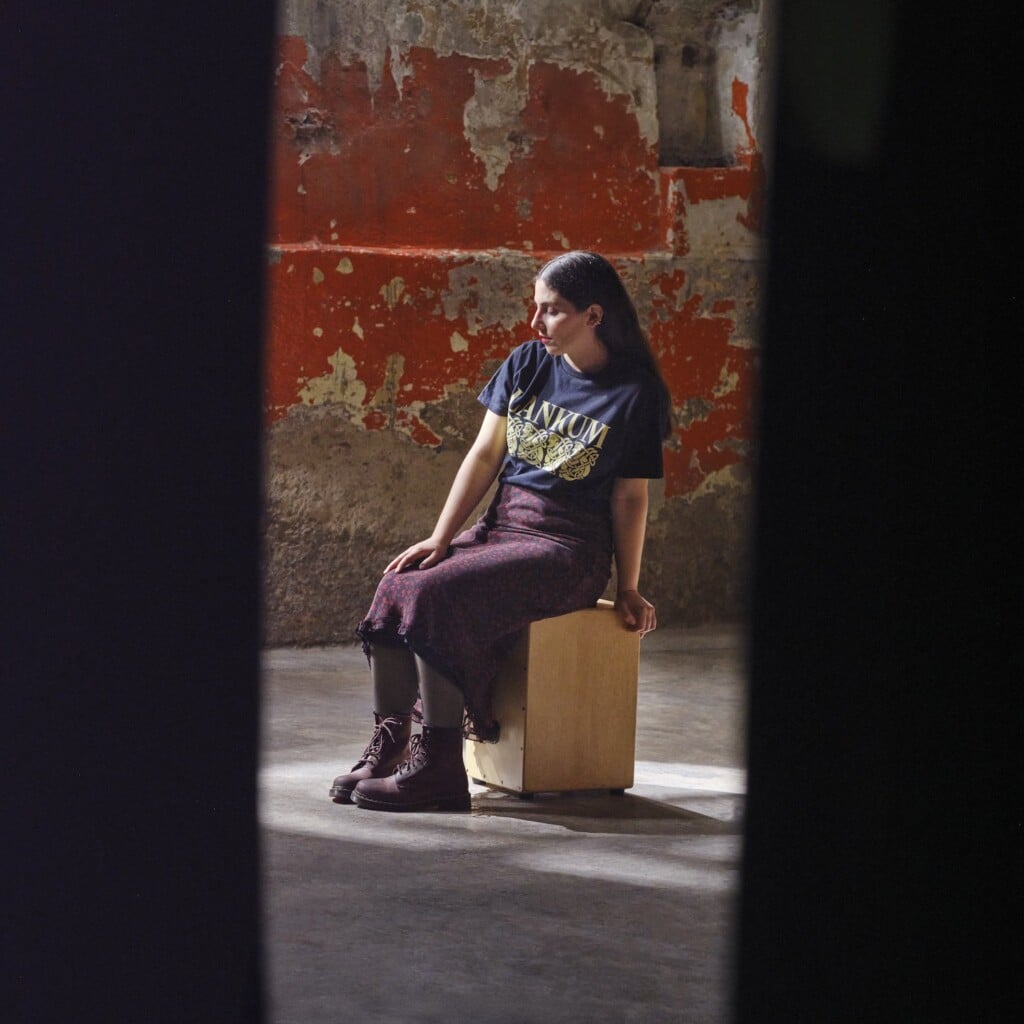
It’s when the campaign takes shape that the global concept meets a more personal sensibility. For its Italian interpretation, C41 worked together with Marta Del Grandi, bringing in front of the lens not only an artist’s face, but also her way of experiencing music, movement and creativity. The behind-the-scenes images capture exactly this passage: between preparation, the set and moments far from the final image, you can glimpse the work behind the campaign and the relationship between Marta and the language of Dr. Martens.
Rather than simply showing how a shoot comes together, the behind-the-scenes footage allows the campaign to be seen from a different perspective. This is where the project’s global dimension gives way to an interpretation closer to the Italian context, built around Marta’s presence and identity.
Marta Del Grandi: the drive needs a pause
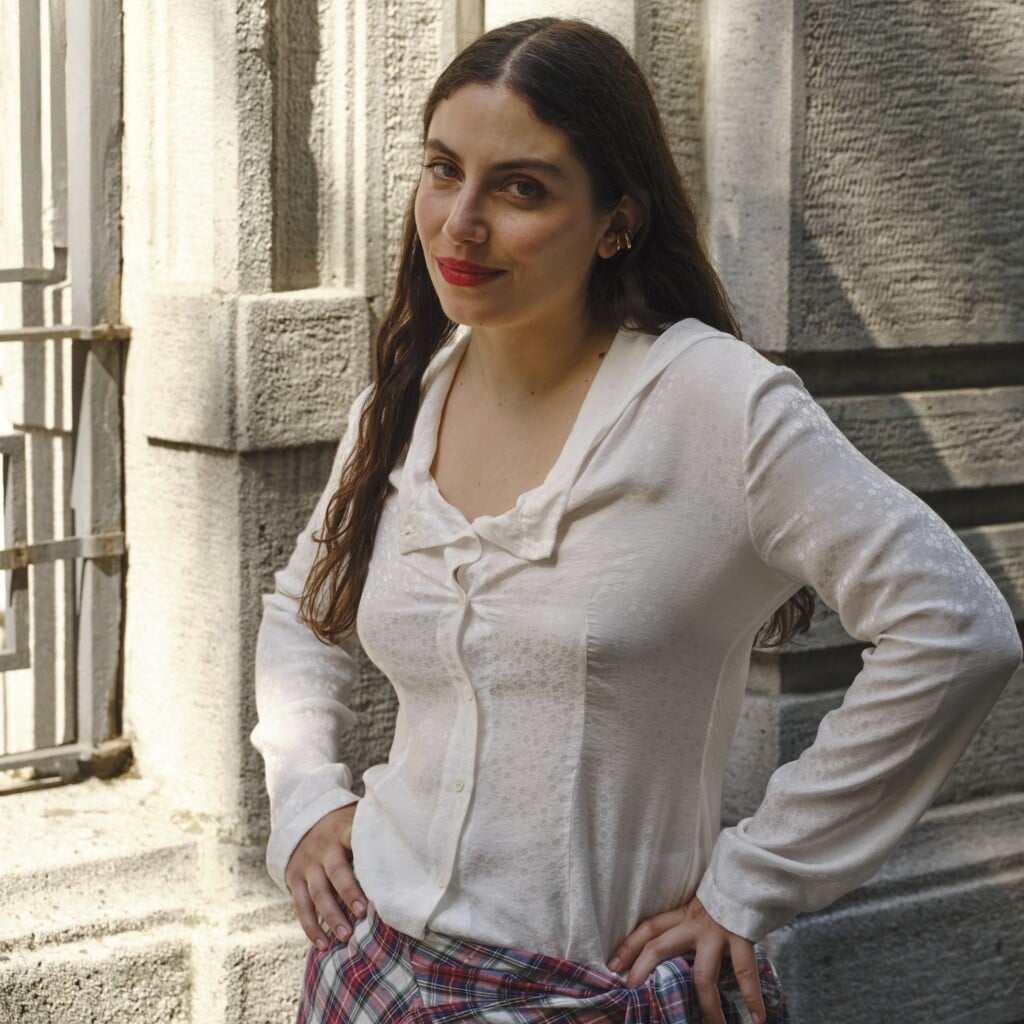
Marta Del Grandi headlines the live show that closes the Milan event on 27 September. We put a few questions to her, to test the very question the whole With Bouncing Soles platform rests on.
What makes you you, you?
I identify a lot with my star sign, Pisces! There’s a strong duality and contradiction in me, which pushes me to keep questioning myself and try to evolve.
A contradiction that turns into a drive to evolve is already good fuel. And it’s exactly at this point that the question Dr. Martens asks everyone it meets along the way comes in.
“What makes your sole bounce?”: what moves you, today?
The thought that a sense of community and the sharing of visions can lead to real actions and real change.
How important is it, in your path, to follow what makes you curious even when you don’t yet know where it will take you?
I never know where I want to end up; for me any stimulus that sparks my curiosity is extremely precious, and I follow it without holding back.
Music is made of movement, but also of pauses. How much do pauses matter in your way of creating?
A great deal. I believe the time devoted to idleness is just as important as the time spent creating, because it leaves room for thoughts to develop on their own, slowly and without purpose.
Your work involves a lot of research, but also an instinctive component. When do you know it’s time to stop thinking and start following instinct?
In writing I always start from a random idea and develop it by following my instinct. Only once it has taken a finished shape do I give it more rational thought, and understand whether it works.
The 27 September event brings together music, performance, workshops and hands-on making. What’s your relationship with “making” and with things that take time to build?
For me they’re therapeutic activities. Whenever I feel I can’t find my compass, I turn to a hands-on creative activity to re-centre myself. It’s time very well spent.
What does it mean for you to feel truly free in the creative process?
Not having the goal of pleasing the audience.
Do you think today we still need to recover a slower relationship with the things we do?
I definitely think it’s talked about more and more, and that it’s a shared need.
“Shared” is the word that leads us to the next question: what changes when creativity stops being an individual matter and becomes an experience lived together.
On 27 September people, languages and different forms of creativity meet in the same place: how much can the way we experience creativity change when it stops being something individual and becomes a shared experience?
Sharing spaces and real encounters is, I believe, the key to surviving this historical moment of great alienation and the crumbling of all the certainties we might once have had. On a creative level too, I don’t think you can do without exchange with other artists and with the audience.
How much of your musical identity comes from the people you meet and the places you pass through?
My path of study and personal growth has been closely tied to travel, to discovering distant places and cultures, to meeting people and staying open to them. I owe everything to the human lessons that the musicians, teachers and brilliant people I’ve met, and keep meeting, along my way have given me.
Let’s close where we started, with the question that gives all of this its name. On 27 September, Marta’s audience will largely be new: what would she want to make people who listen to her “bounce”?
And to close, coming back to the opening question: what would you like to make “bounce” in the people who encounter your music on 27 September?
I hope to manage to create an emotional connection with the audience, who will largely be new to my music. I hope I can leave something of myself with them, touching chords that make them resonate!
Her way of creating is anything but linear, and here the image of the bounce feels familiar again. A sole bounces because it first compresses and then gives back energy, and the movement passes through the pause. Marta arrives at this on her own: the time devoted to idleness matters to her as much as the time spent creating, because it leaves thoughts room to develop “on their own, slowly and without purpose.” Even her relationship with hands-on making, the heart of the event, has an almost therapeutic value for her. On 27 September the audience will largely be new to her music. And perhaps it’s exactly from here that her way of understanding movement is born: not knowing exactly where you’re going, but leaving enough room for something to happen along the way.
Icons don’t age, they get written
In the end, it all comes back to the leather. A Dr. Martens fresh out of the box is a blank page, and it only becomes a story through wear. The Milan event works the same way: the programme is a frame, but it’s the people who show up, try it out and stay who give it meaning. It’s the same logic running through the new collection: nothing really stays identical to how it was at the start. The leather records time, people leave traces, experiences change shape. And this is exactly the push Dr. Martens is talking about: something arrives, passes through us, and comes back different.