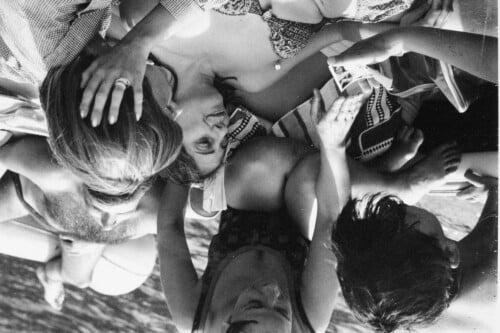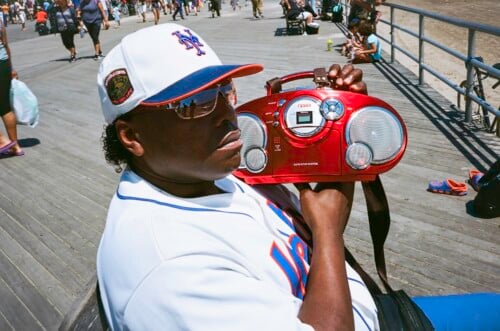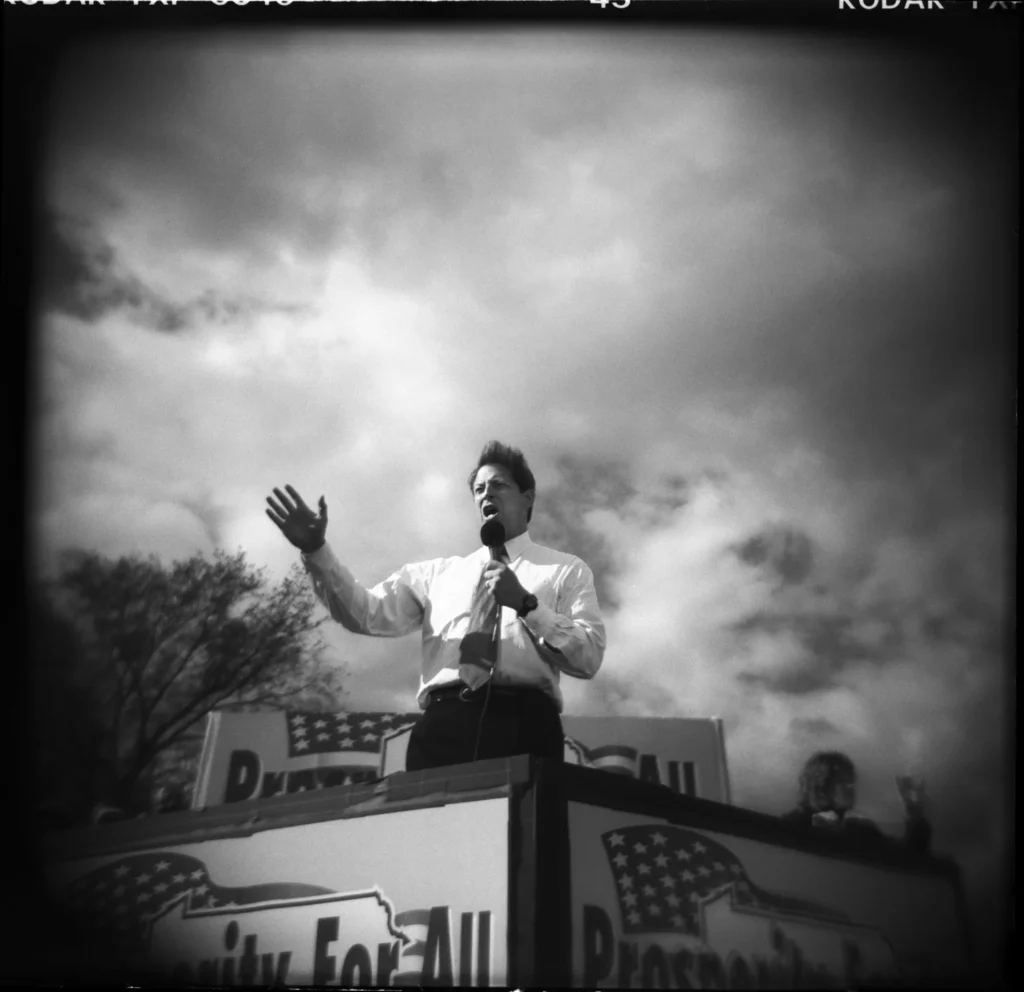
A grainy, soft black-and-white photograph, taken during an American presidential campaign. It was shot by one of the world’s most important photojournalists, using a plastic camera bought for just a few dollars. And it earned him first prize at the Eyes of History, the most prestigious award of the White House News Photographers Association. This is the story of David Burnett and his Holga.
Who is David Burnett
Burnett was born in 1946 in Holladay, Utah. After graduating from Colorado College in 1968, he began as an intern at Time, then left for Vietnam as a freelance photographer. In 1976, he co-founded Contact Press Images in New York, one of the most influential independent photography agencies in the world. American Photo included him among the 100 most important people in the history of photography.
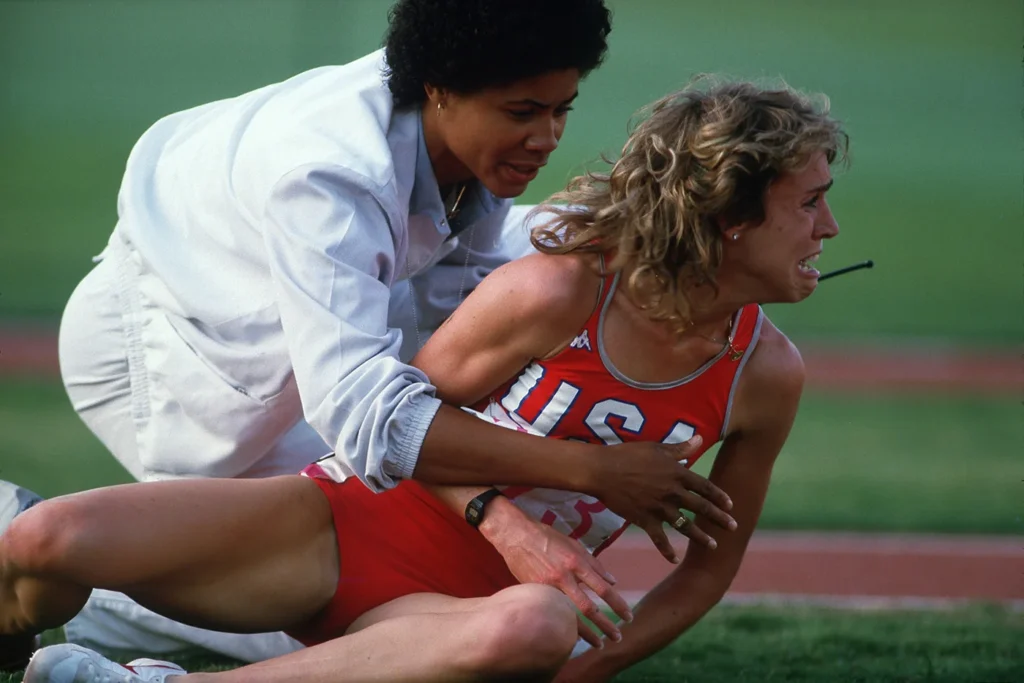
His major awards include the Robert Capa Gold Medal from the Overseas Press Club for his coverage of the 1973 Chilean coup, the 1980 World Press Photo of the Year for his documentation of Cambodian refugees, and the famous photograph of Mary Decker at the 1984 Los Angeles Olympics, which became one of the most iconic sports images of the 20th century. He has photographed every Summer Olympics since 1984 and every American president from John F. Kennedy onward.
Holga: plastic, imperfection, and cult status
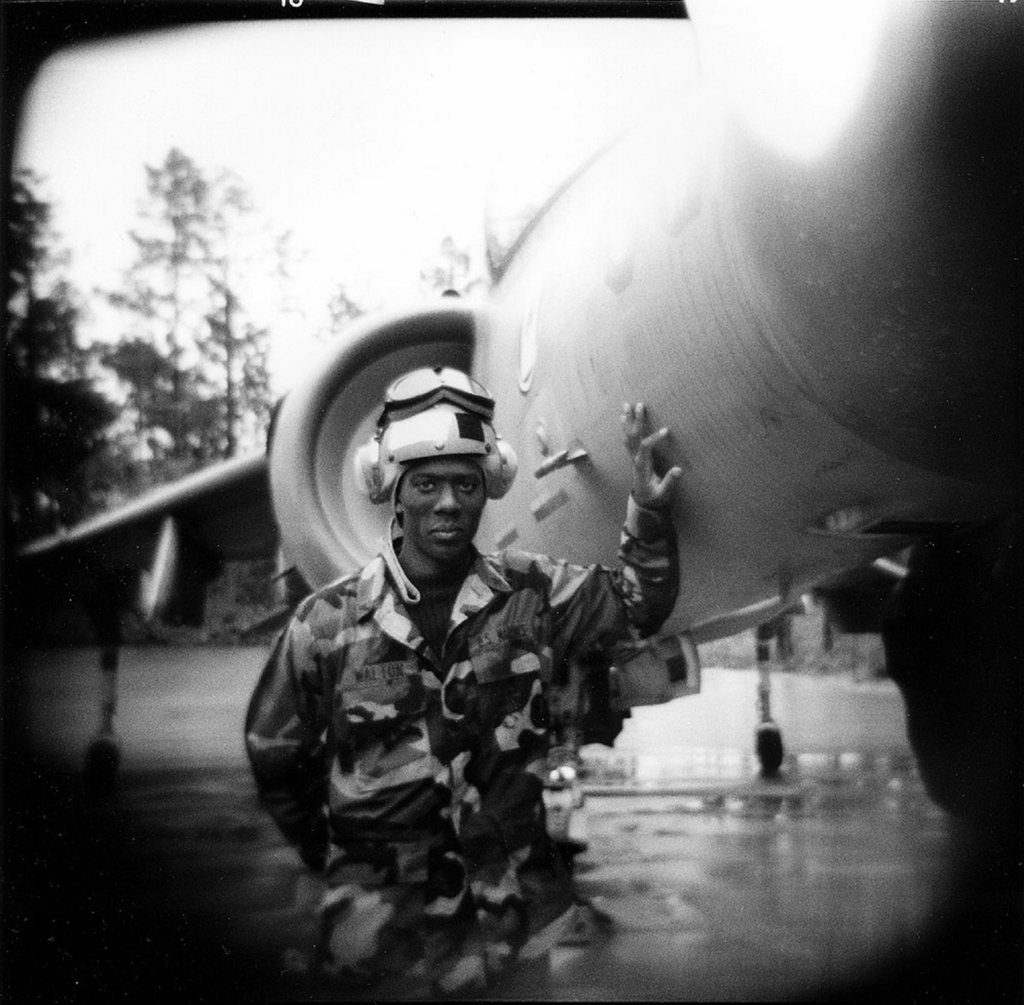
The Holga was created in Hong Kong in 1982 by Lee Ting-mo, a former employee of the local Yashica factory who later founded his own company specializing in photographic flashes. When the flash market collapsed — with the arrival of the first compact cameras with built-in flashes — Lee designed an affordable camera for the Chinese masses. The result was a plastic object with a plastic lens, a single aperture, random vignetting, and unpredictable light leaks. Manufacturing flaws that eventually became its defining stylistic signature. The Chinese market rejected it almost immediately. In the West, however, the Holga slowly became a cult object among experimental photographers: loved not for what it did well, but for what it did wrong.
Burnett, Al Gore, and the award
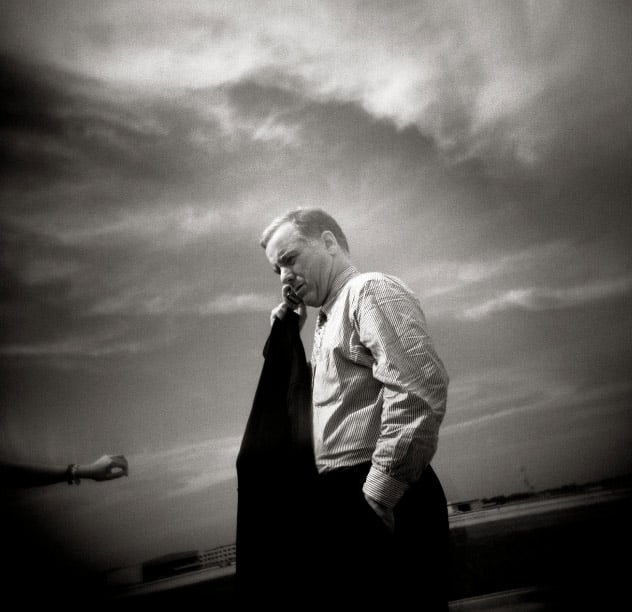
During Al Gore’s 2000 presidential campaign, Burnett carried his professional Canon cameras around his neck, but added a Holga — what he called “the fifth pig around my neck.” The series he created during Gore’s campaign earned him first prize at the Eyes of History 2001 awards from the White House News Photographers Association. Lee Ting-mo recalls: “After that, people said: this camera is very special.” Sales exploded worldwide. Instagram filters — vignettes, grain, faded colors — are essentially a digital simulation of the flaws of that little camera.
In November 2015, the factory producing Holga cameras ceased operations. Moulds were destroyed. The American distributor Freestyle Photographic described it as ‘yet another victim of the digital age’. The cult following endured: in 2016, Sunrise resumed production of the Holga 120N using the original moulds preserved by Lee Ting-mo.
Owning a camera does not make you a photographer
Today, everyone carries a smartphone in their pocket that is technically superior to any professional SLR camera from the 1990s. Yet the tool has never meant knowing how to see. Burnett proved the opposite: he took the worst possible camera and created the photograph that earned him the most coveted award of his career. Photography has never been about the medium; it has always been about the eye of the person looking.
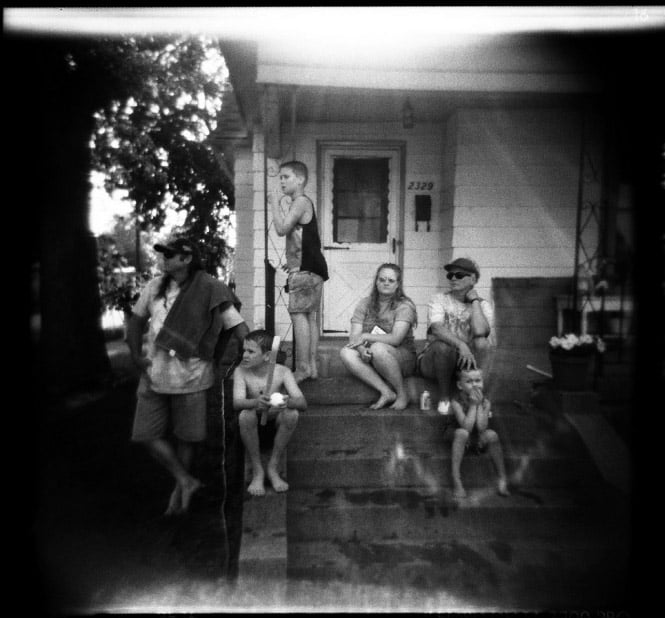
A family in Indiana © David Burnett
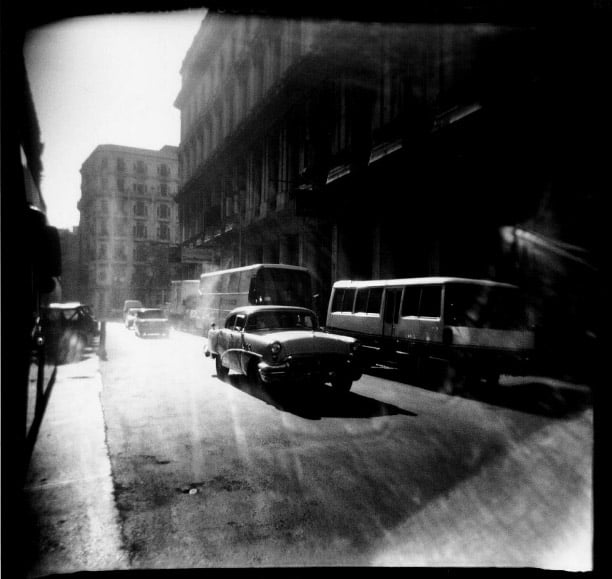
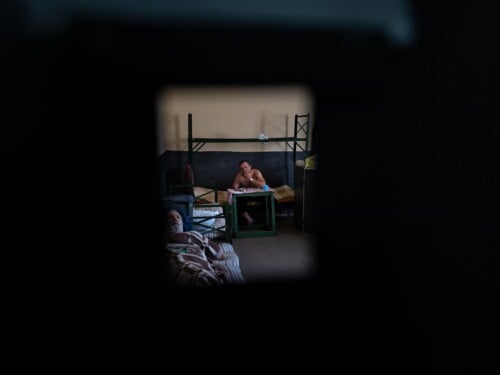
Havana © David Burnett
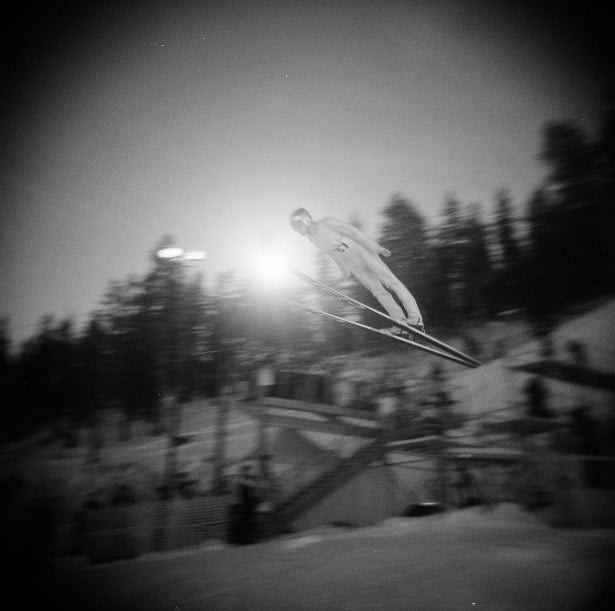
Salt Lake Winter Games © David Burnett
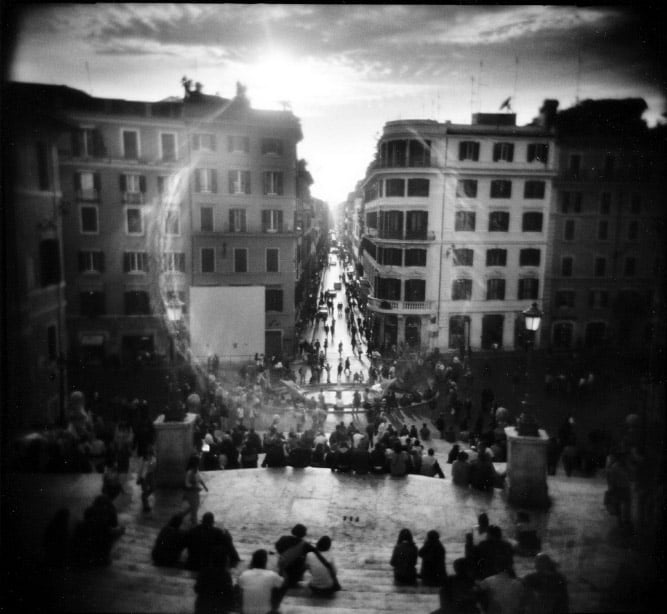
Spanish Steps, Rome © David Burnett
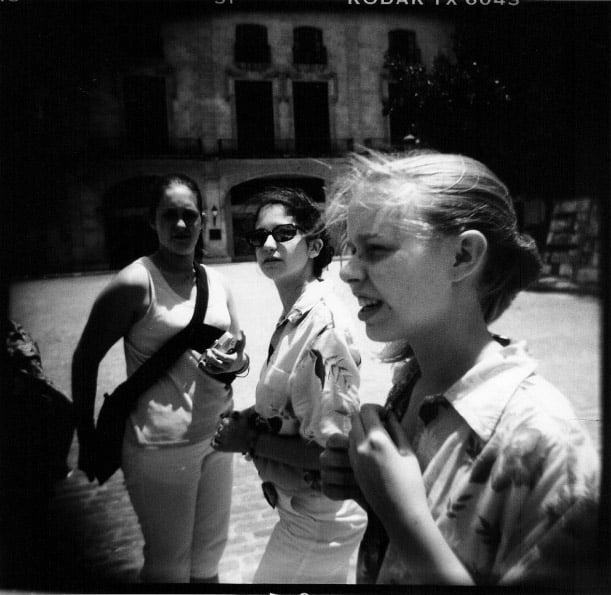
Holga Eye project © David Burnett
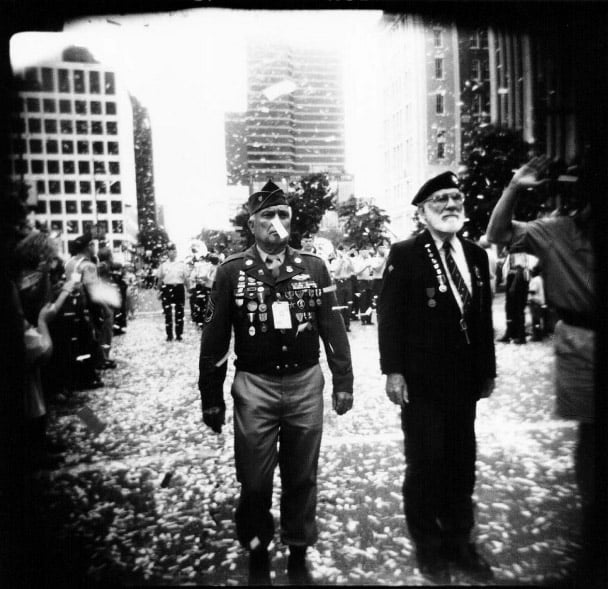
New Orleans: Opening of the D-Day Museum © David Burnett
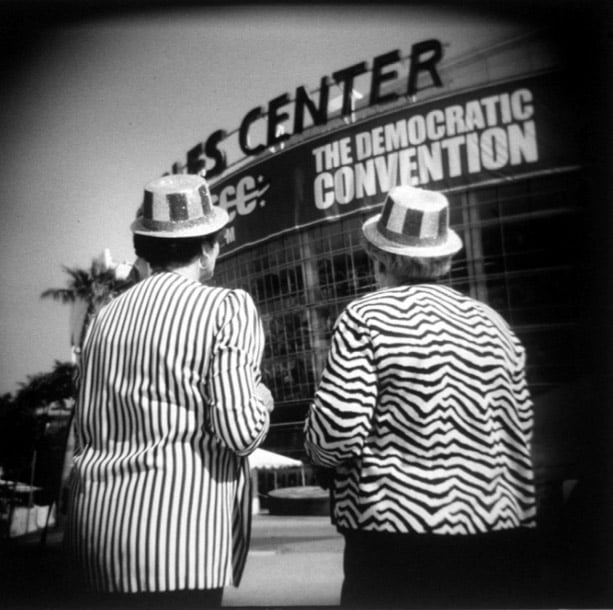
It was worth a sprint across the parking lot © David Burnett
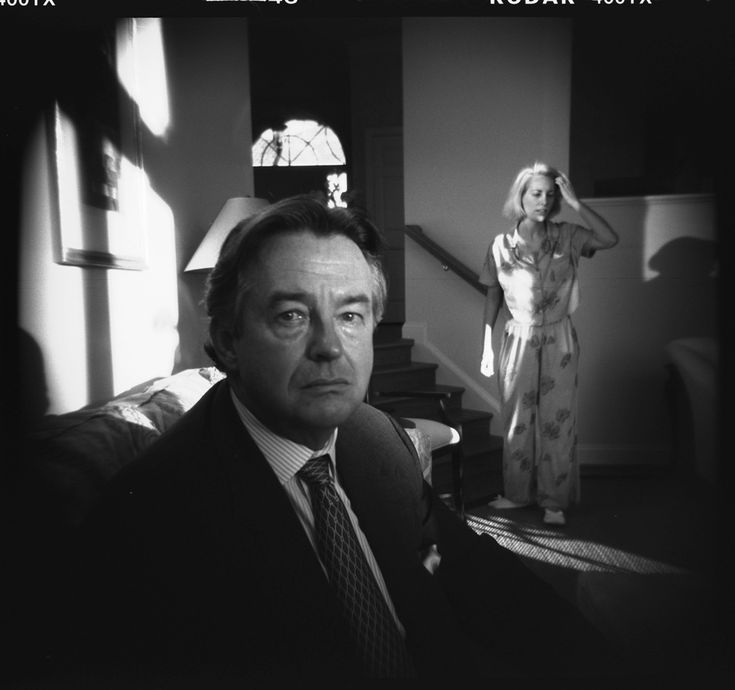
Joe Wilson and Valerie Plame, at home © David Burnett
Read also: By day a warehouse worker, by night he changed the history of photography