2026 brings back into focus two masters born in the same year, both celebrated today by ongoing exhibitions, yet carriers of opposite visions of design. On one side, Gianfranco Frattini, a symbolic figure of a design of measure and lightness, never ostentatious, often sidelined compared to the more recognizable icons of Italian modernism. On the other, Verner Panton, who placed elements like color and plastic at the center of his research, giving life to immersive, psychedelic environments where inhabiting becomes total experience.
Sobriety versus excess, subtraction versus saturation, two opposite ways of moving through design, both still fully contemporary.
Frattini and discretion as a form of intelligence
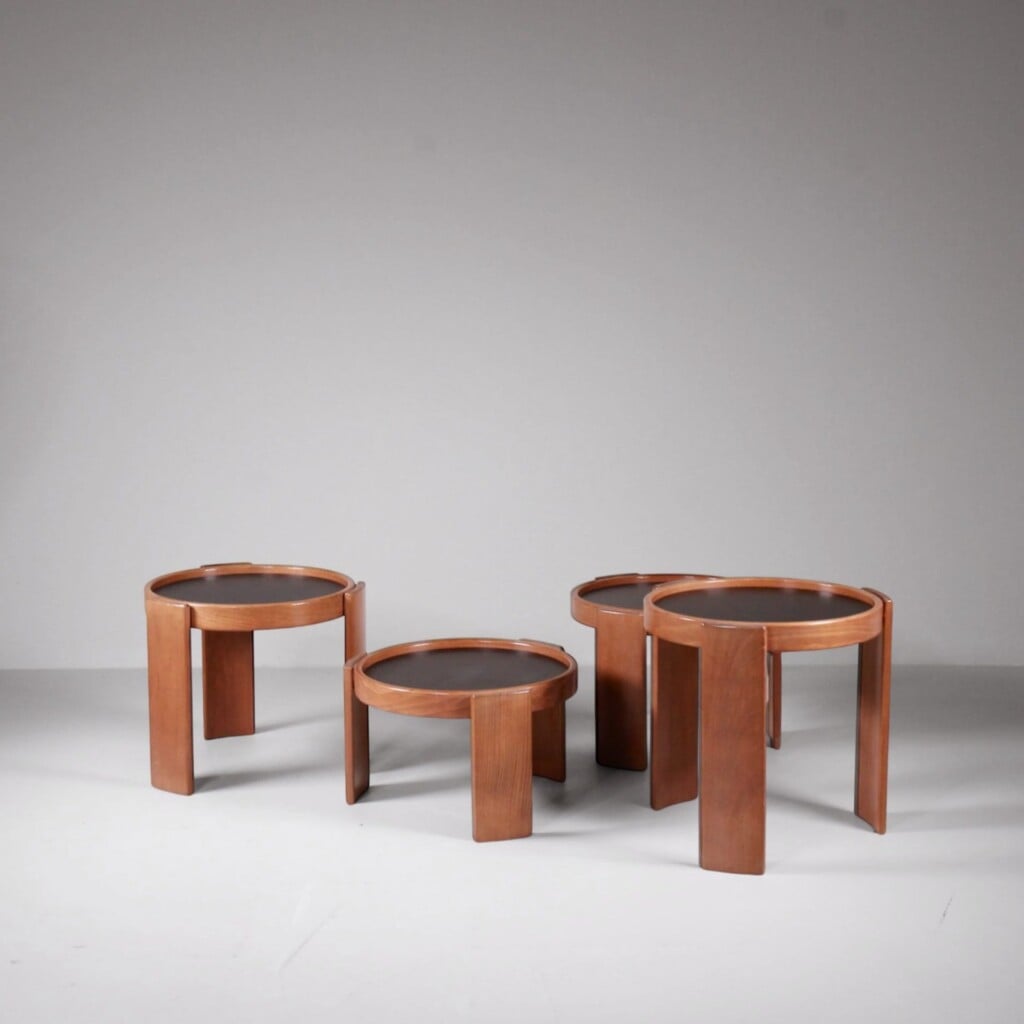
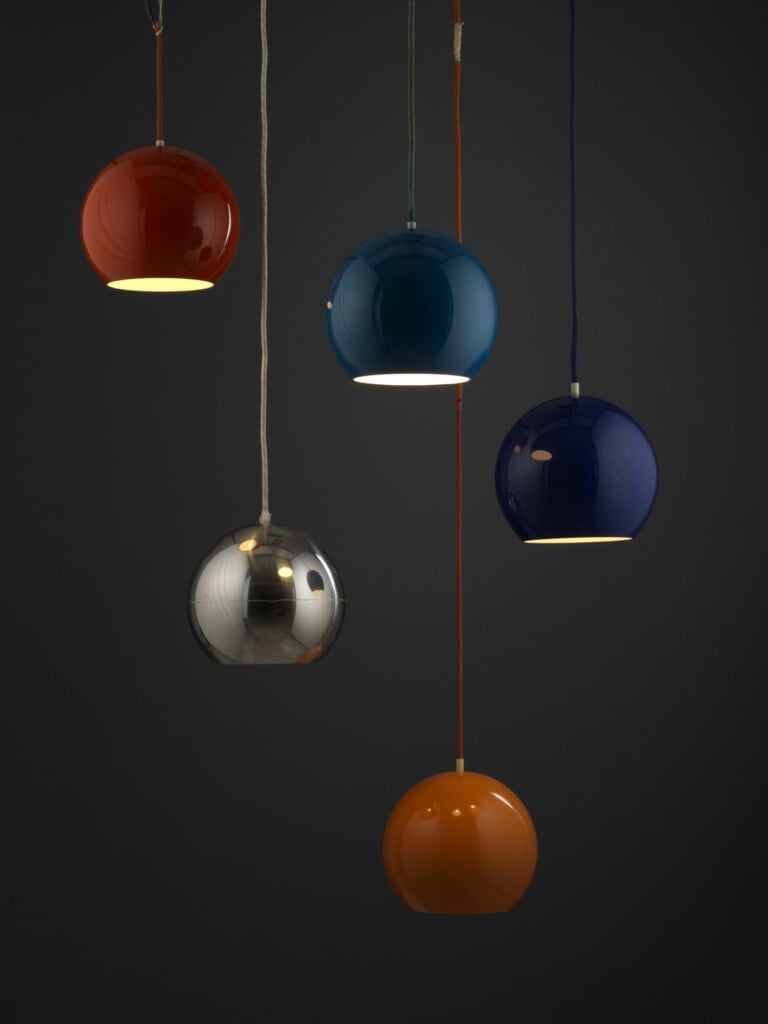
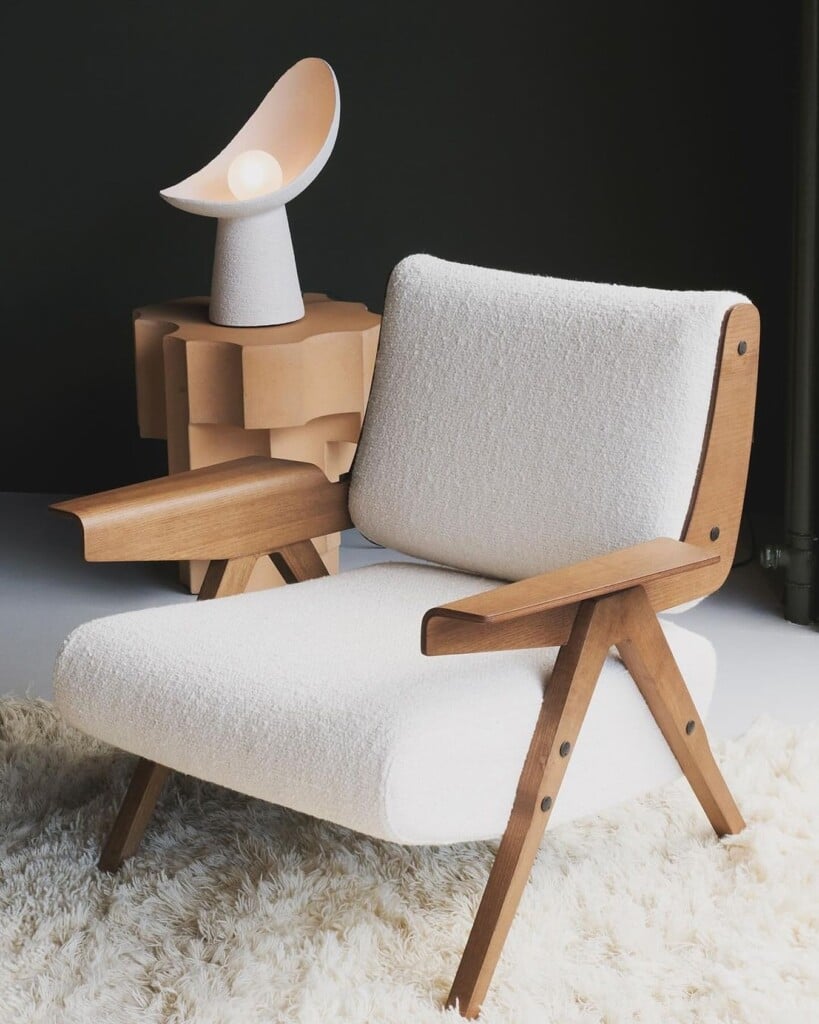
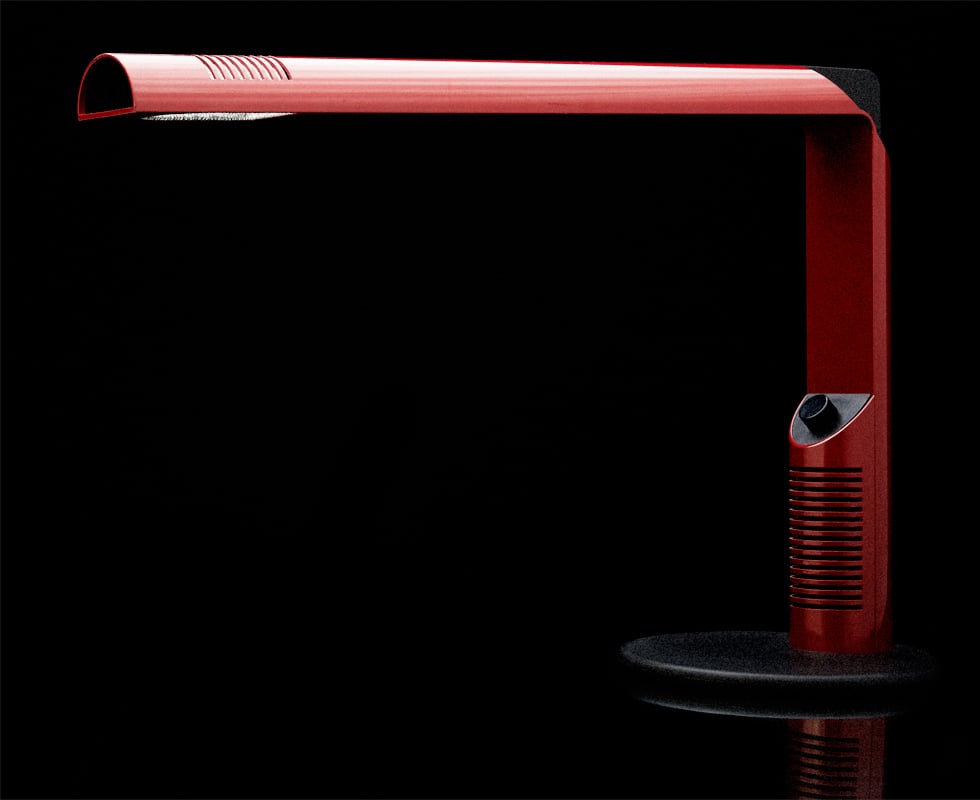
The exhibition dedicated to Gianfranco Frattini (1926-2004, Milan) at the Castello Sforzesco in Milan brings back to the center an author often sidelined compared to the usual big names of Italian design, and precisely for this reason a decisive one. Frattini builds systems of balance, his idea of design doesn’t originate from the isolated object, but from the relationship between elements, from the silent grammar that holds furniture and architecture together. In him, modernity is never spectacle, but discipline of the eye. Wood, proportions, controlled seriality, everything converges toward a form where quality doesn’t impose itself but lets itself be discovered.
It’s a design that rejects the rhetoric of the exceptional and instead works on durability, on domesticity as a mental construction even before a material one. In this sense, Frattini fits fully into the tradition of the most cultured Italian modernism, the one that never separates function and measure, but makes them a single underlying ethical principle for the creation of every element and project.
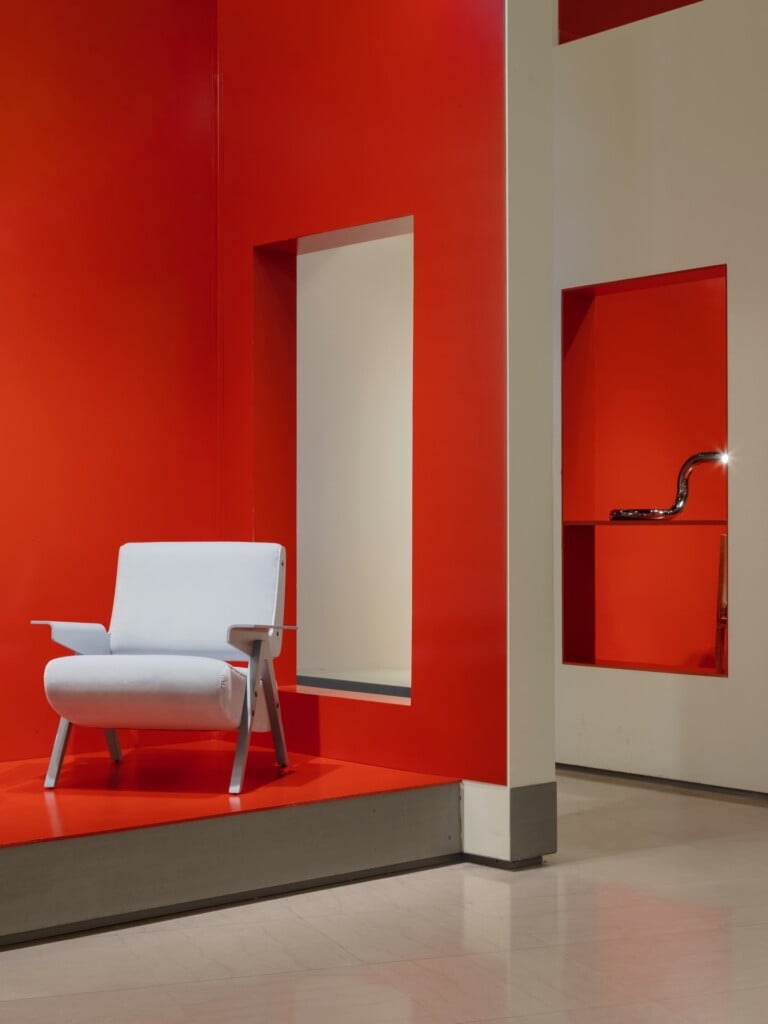
The Milan exhibition restores this sobriety as a form of resistance against the excess of visibility, against the transformation of the object into spectacle.
Panton’s inhabiting as total experience
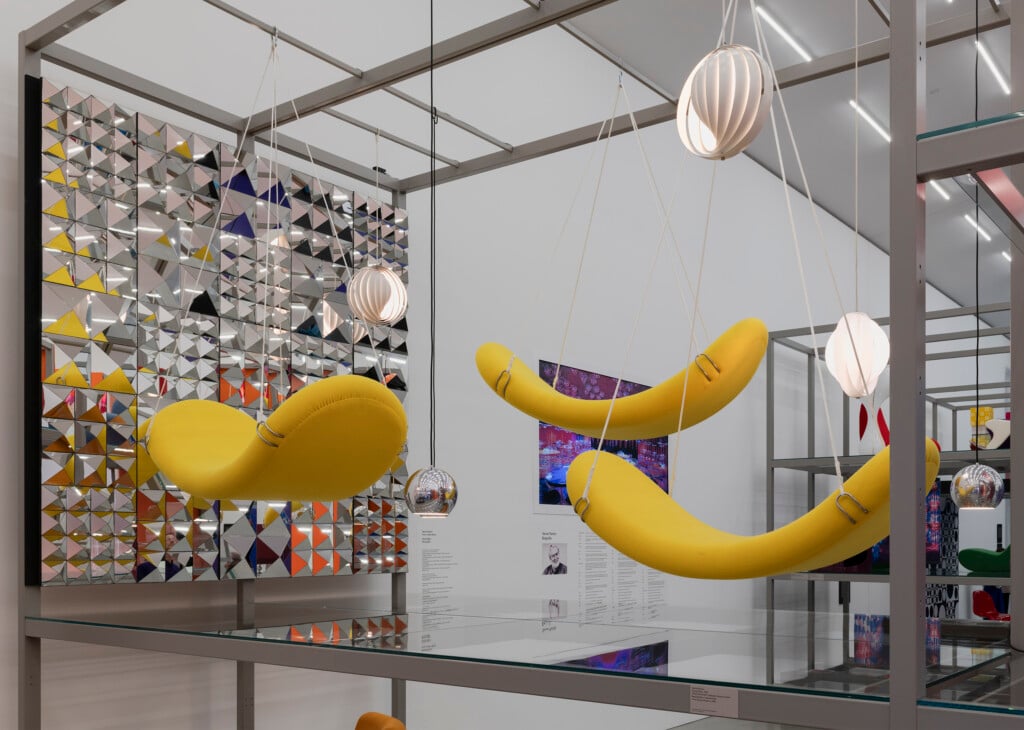
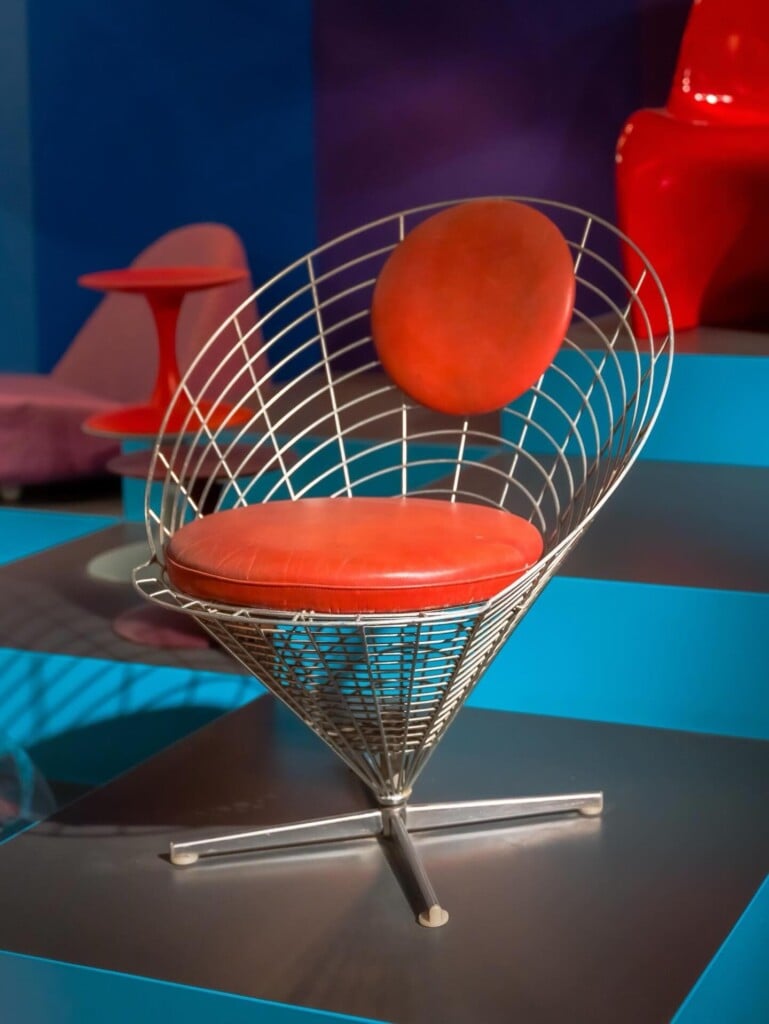
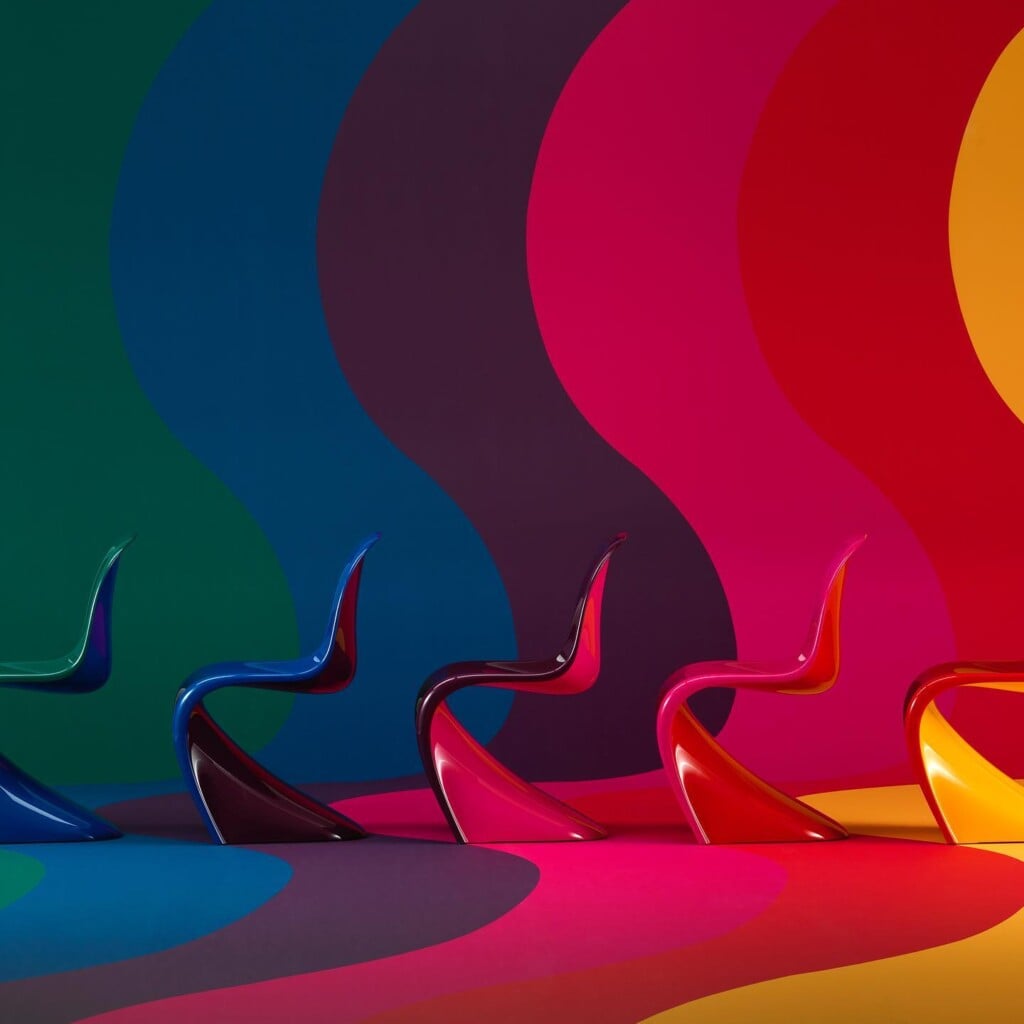
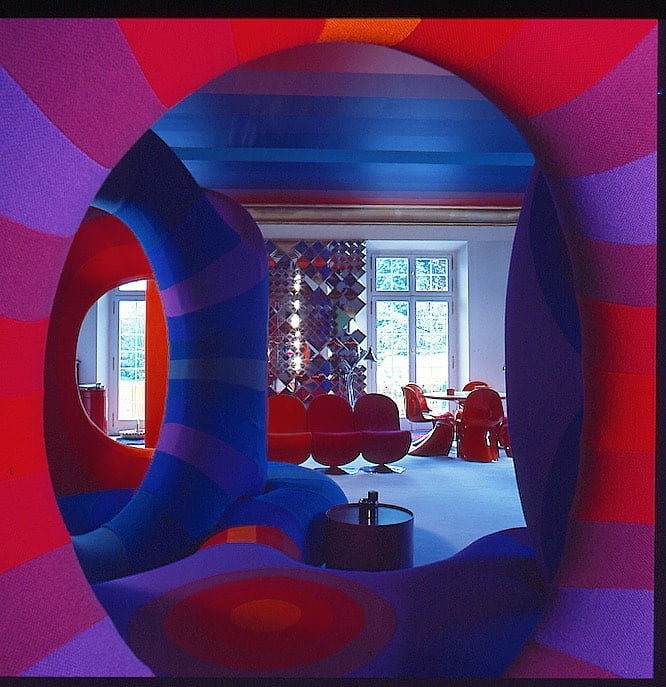
At the opposite extreme stands Verner Panton (1926-1998, Denmark), protagonist of the retrospective at the Vitra Design Museum. Here design is never containment and measurement but perceptual expansion. Panton dissolves the distinction between furniture and environment, his continuous surfaces, plastics molded into fluid forms, the radical use of color don’t aim to decorate space, but to transform it into an immersive psychological field. Inhabiting becomes a synesthetic experience, almost within a theatrical imagination.
If Frattini works by subtraction, Panton works by saturation, and if the former builds balance, the latter builds intensity. His research, deeply tied to the technological experimentation of the second half of the twentieth century, anticipates a contemporary sensibility we would today call “experiential”: space is no longer a backdrop, but an event.
The Vitra Design Museum, through its archive and exhibitions, has repeatedly emphasized how Panton redefined the threshold between design and total environment, transforming plastic from an economical material into a visionary language.
Two incompatible modernities (yet both current)
Putting Frattini and Panton in dialogue means acknowledging that there’s no middle ground between sobriety and excess, between control and immersion. Rather, there are two poles that keep cyclically re-emerging in contemporary design culture. On one side, the tradition of design as measure: implicit sustainability, durability, reduction of the superfluous, attention to context. On the other, design as a perceptual device: hybrid environments, expanded aesthetics, centrality of sensory experience.
It’s interesting to note how both lines are relevant again today, but for different reasons. The first responds to a material and ecological crisis of design; the second to the growing dematerialization of experience and its translation into immersive environments, whether digital or physical. In this sense, the two centenaries don’t just celebrate two biographies, but two hypotheses on the future of design, one of measure and one of intensity. One that believes in subtraction as a form of truth, the other in excess as a form of knowledge.