For years, IKEA has not only been committed to putting easy-to-understand illustrated instructions on furniture packages, explained by the drawing of a character always happy. With Circular Hub, IKEA creates furniture and household items by recovering second-hand products from exhibitions, unusable or unsaleable as new. The sustainable choice of the Swedish brand in these days meets in Milan the studio Parasite 2.0, with which was born an exhibition on display until December 17 at BASE.
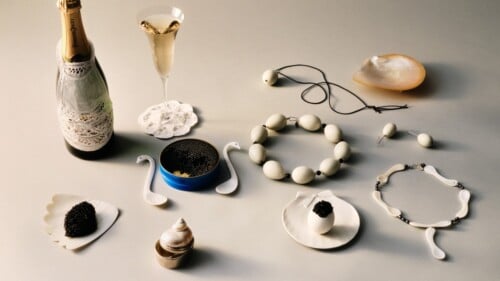
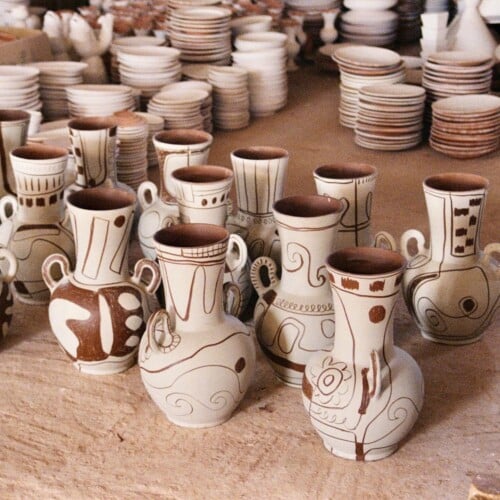
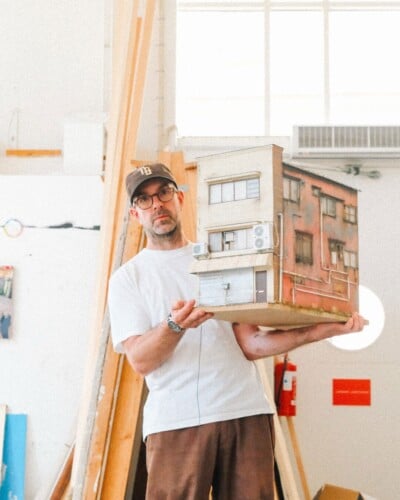
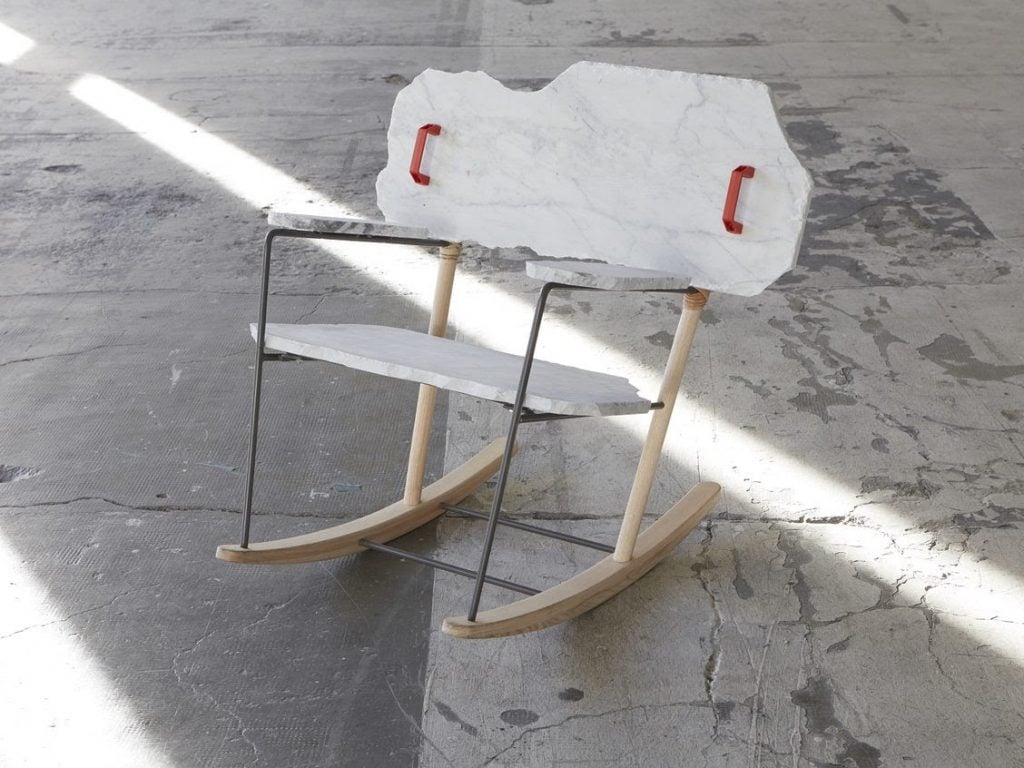
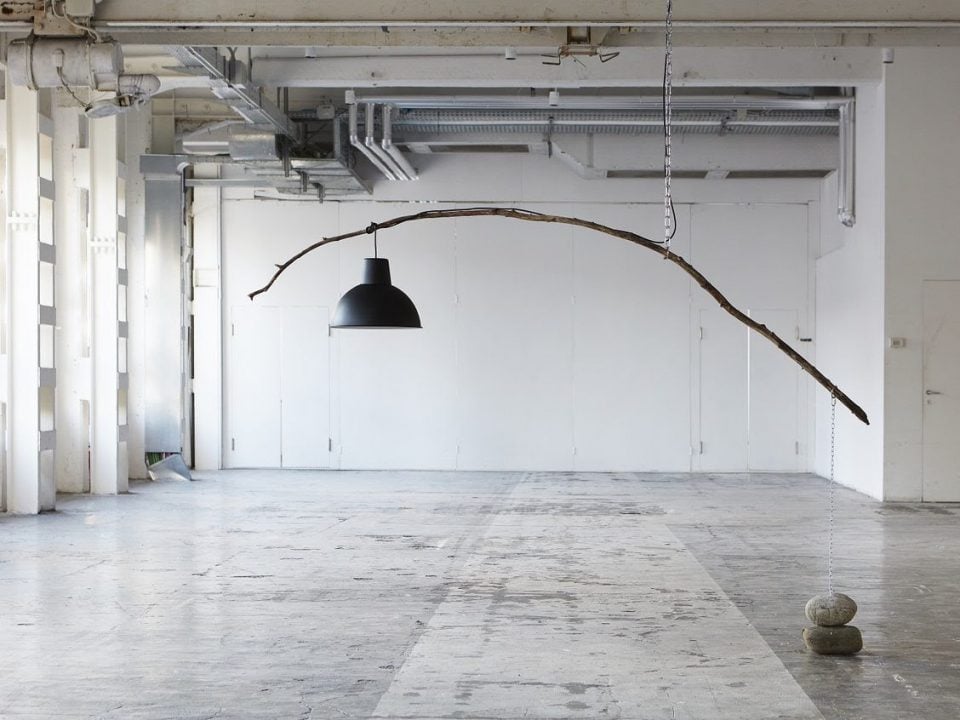
Nine designers have created, starting from pieces of IKEA objects, 26 works of art, assemblages of pieces in which are recognizable some famous details of lamps and chairs for example, distorted sense and function. The well-known functionality of IKEA products is distorted, leaving room for an artistic vision that also has a more practical purpose. In fact, all the works on display will be sold at a charity auction (which you can access here), the proceeds of which will be donated to Legambiente.

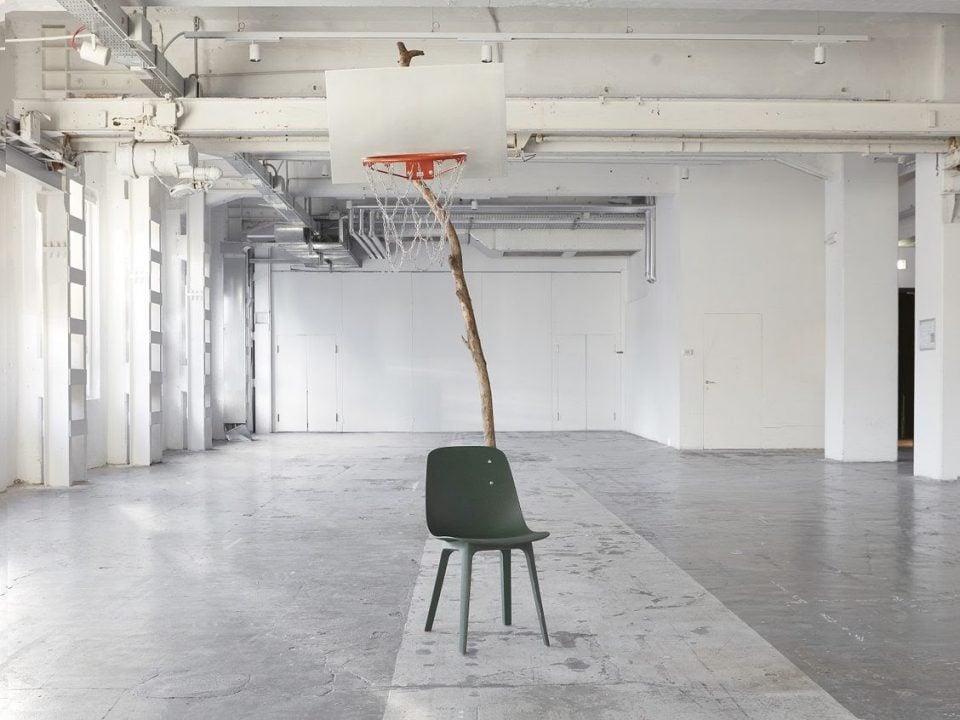


Circular Exhibition reflects necessary and contemporary thinking about the role of design in an age of extreme repetitiveness and consumption. The one promoted by IKEA is a project of circular economy and design in which the life cycle of furniture does not end the moment the products are assembled and placed in the living room.
In the philosophy behind the exhibition, the home is seen only as a passageway, not as the final destination. Each component can become something else, untying itself from its function as an object with a practical utility, to be transformed into a work of art, scenography and abstraction.
For many years designers have been questioning the role of materials and the possibility of recycling as much as possible, extending the life of objects, aiming at extreme transformation and total deterioration of materials. The use of natural materials has given rise to very interesting projects and in harmony with an idea of sustainability necessary to protect the environment. IKEA has chosen to deal with this issue without distorting the design intended as design of forms in the strict sense, repositioning rather the objects within a different sphere, giving up the great initial objective of functionality.


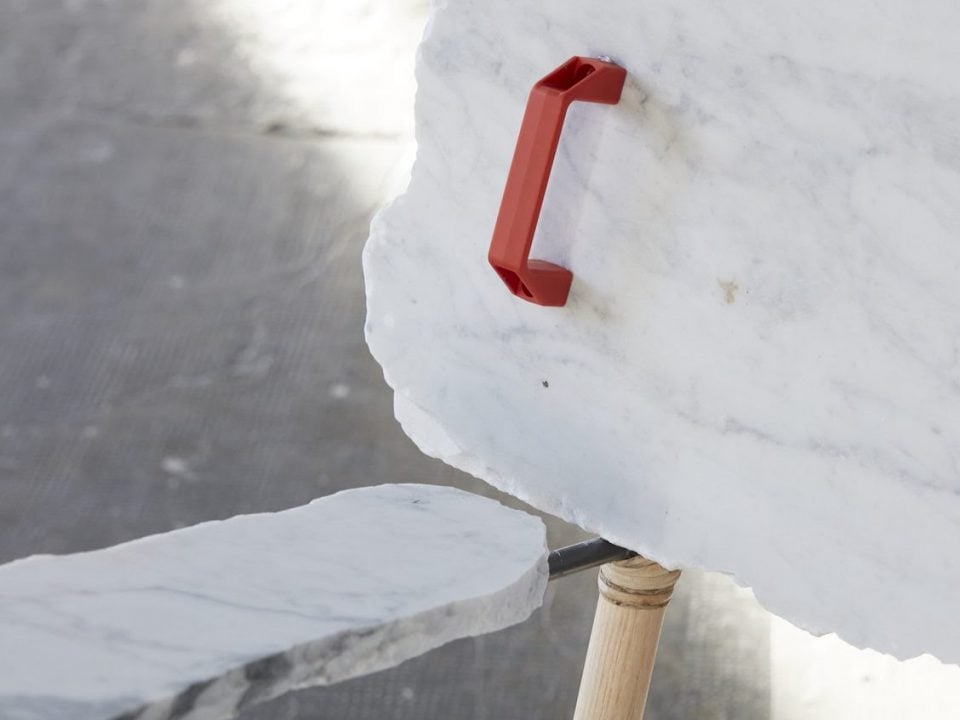
Perhaps it is a limitation to think of design sustainability only in relation to the second-hand market or antique fairs. The evolution of thinking could continue along the road taken by IKEA, along which the change is also in the role of products, in the global vision of what they can be even when they stop being useful, or simply beautiful for the way they were designed.
Photo credits: Francesco Stelitano