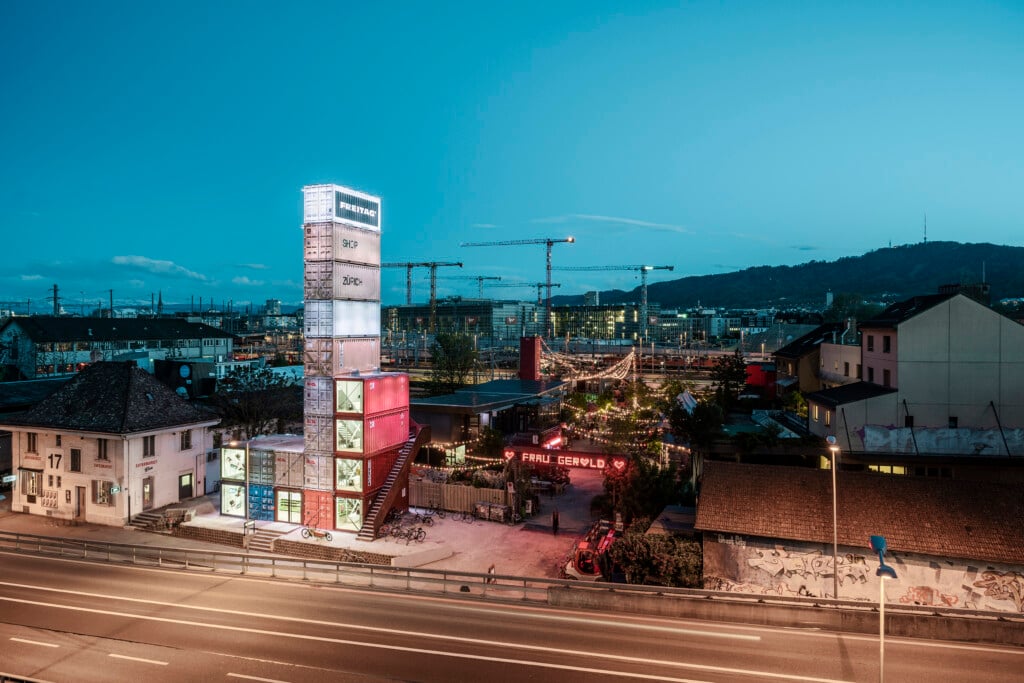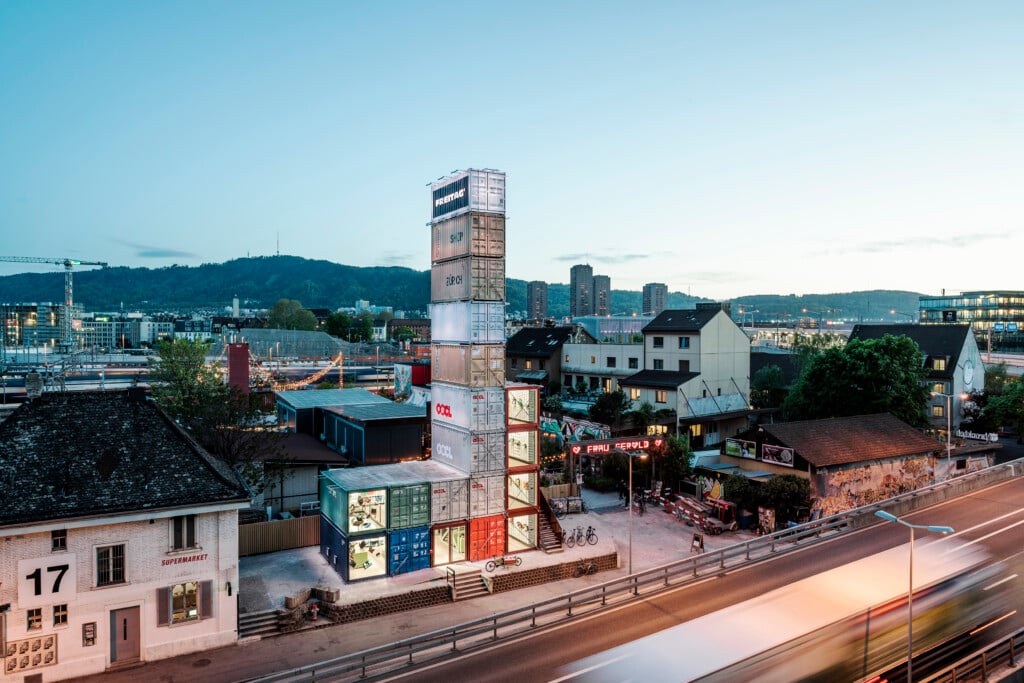
In Zurich there is a tower that, at least in its original intentions, was not meant to last this long. It is made of decommissioned shipping containers, stacked one on top of the other in an almost absurd composition, and for twenty years it has housed the Flagship Store of FREITAG. Today that rusty structure has become one of the most recognizable images of Zurich West and a singular example of how a material intended for transport can turn into architecture.
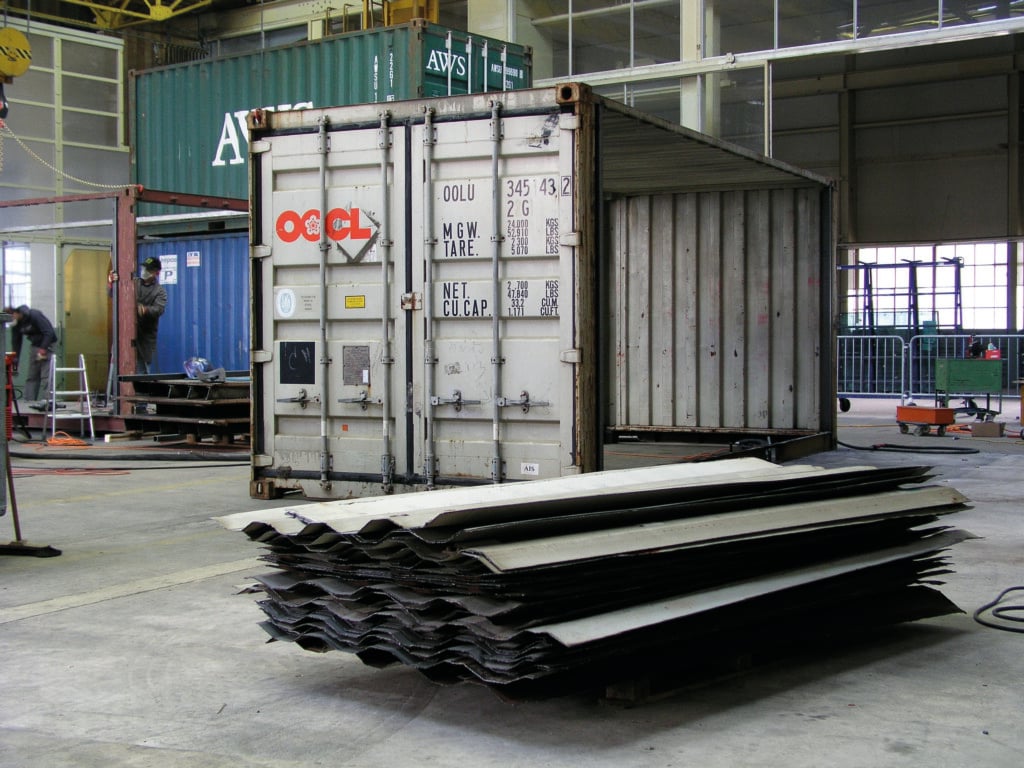
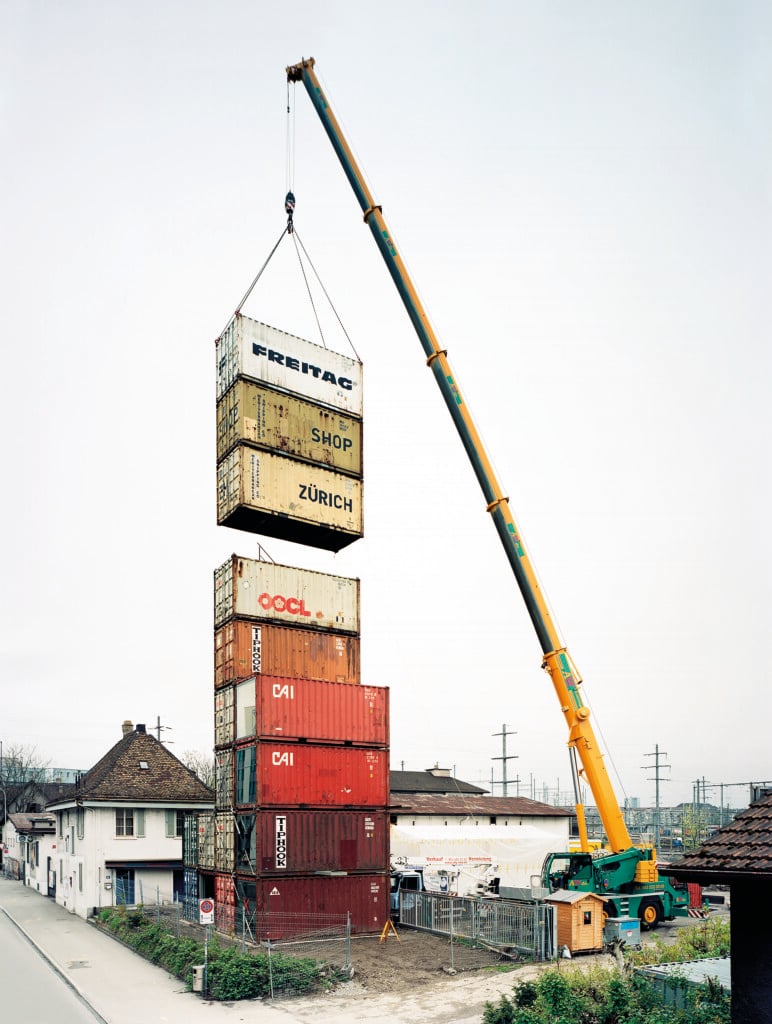
The story begins in 2005, when FREITAG finds a small unused plot of land in the Gerold-Areal, just a few steps from its headquarters at the time. The idea is to build something that reflects the same philosophy behind the brand’s bags: taking what already exists and imagining a completely different function for it.
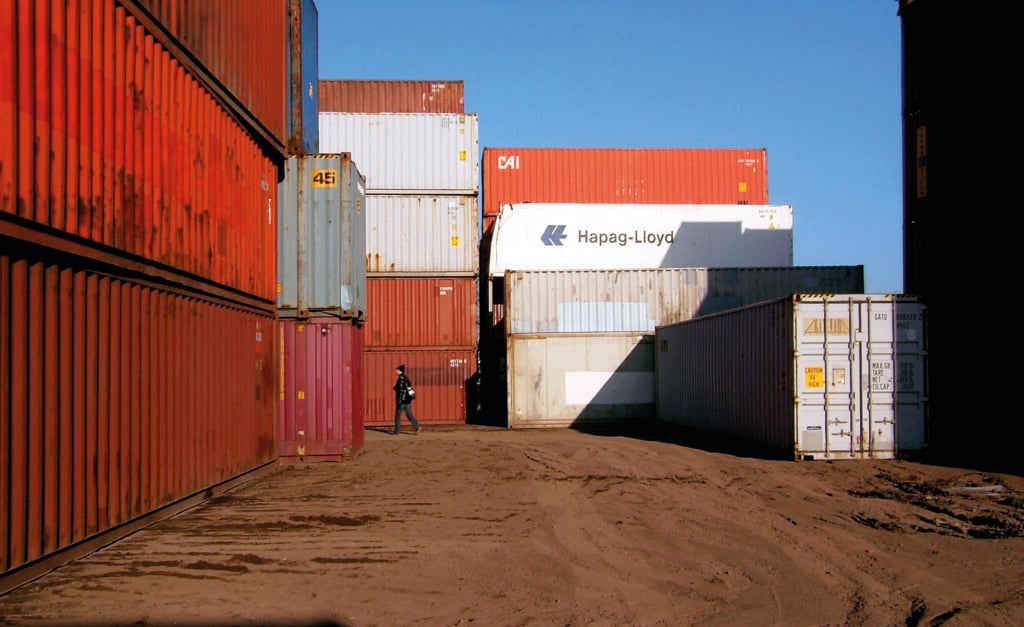
The solution comes in the form of 19 containers recovered from the port of Hamburg. Instead of being demolished or recycled, they are selected, transported to Zurich and stacked on top of each other to create what would become the city’s “smallest skyscraper”. In just six months, the project moves from building permit to completion.
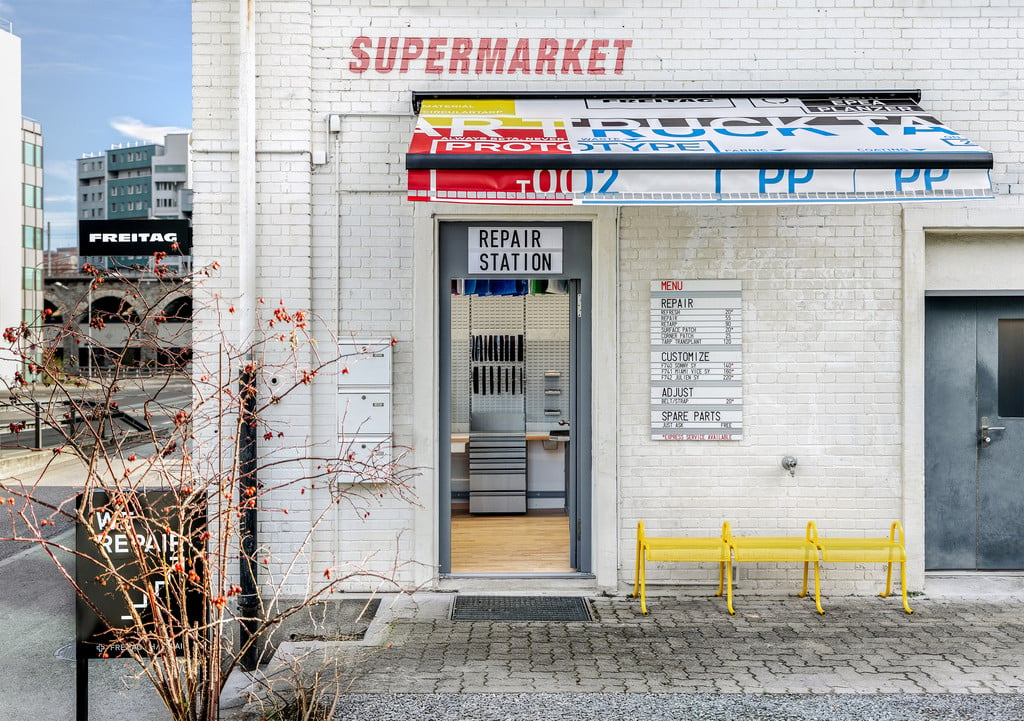
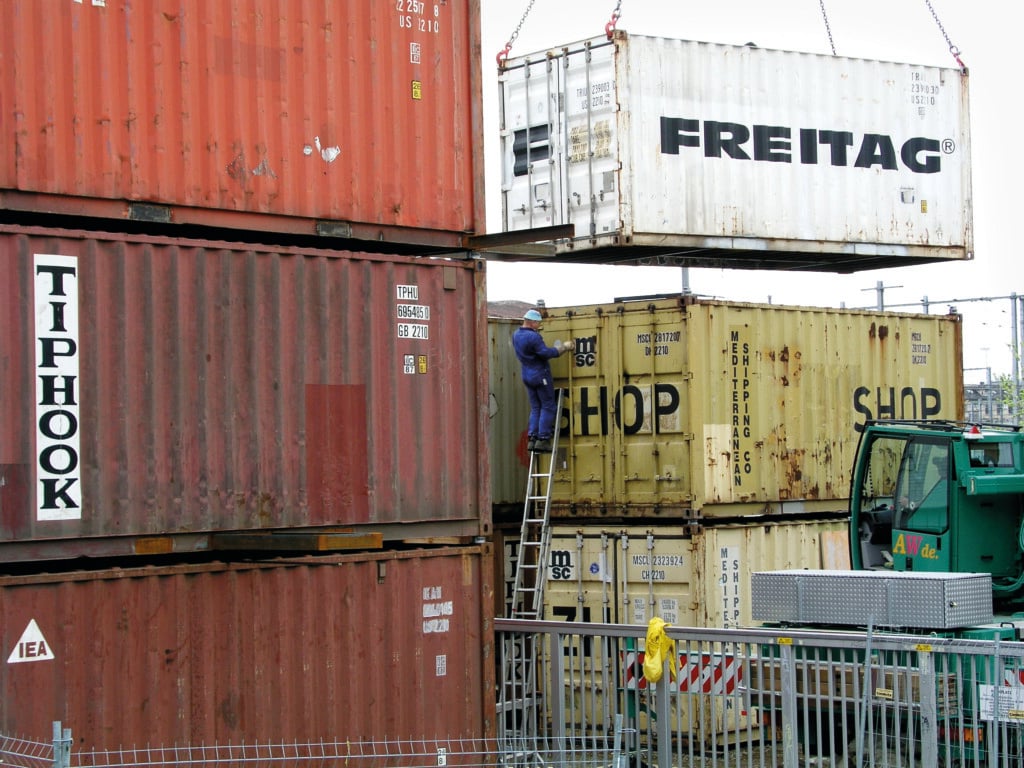
The result is hard to ignore. The tower rises vertically without trying to hide its industrial origin: the sheet metal remains exposed, the rust becomes part of the building’s image and the repetition of the containers builds an almost abstract facade. From the top, a panoramic platform also allows visitors to look out over the neighborhood and, above all, over the journey of the raw material that FREITAG turns into bags.
The most interesting thing about the tower, however, is perhaps what it was supposed to be: temporary architecture. The project was in fact born with a provisional building permit and a fixed-term lease. Its very modular nature, however, makes it possible to adapt it over time. In 2010 two new containers are added to expand the retail space; in 2014, after some energy-efficiency upgrades, the structure receives final approval.
The rust, meanwhile, also becomes part of its history. In 2019 the FREITAG tower undergoes restoration and repainting work, while in 2026 the project takes a further step toward energy autonomy with the installation of photovoltaic panels on the roofs of the containers. Next to the tower, since 2025, a Repair Kiosk brings the same logic into the brand’s everyday life: instead of treating a worn bag as an object that has reached the end of its cycle, repair becomes a way of extending its existence.
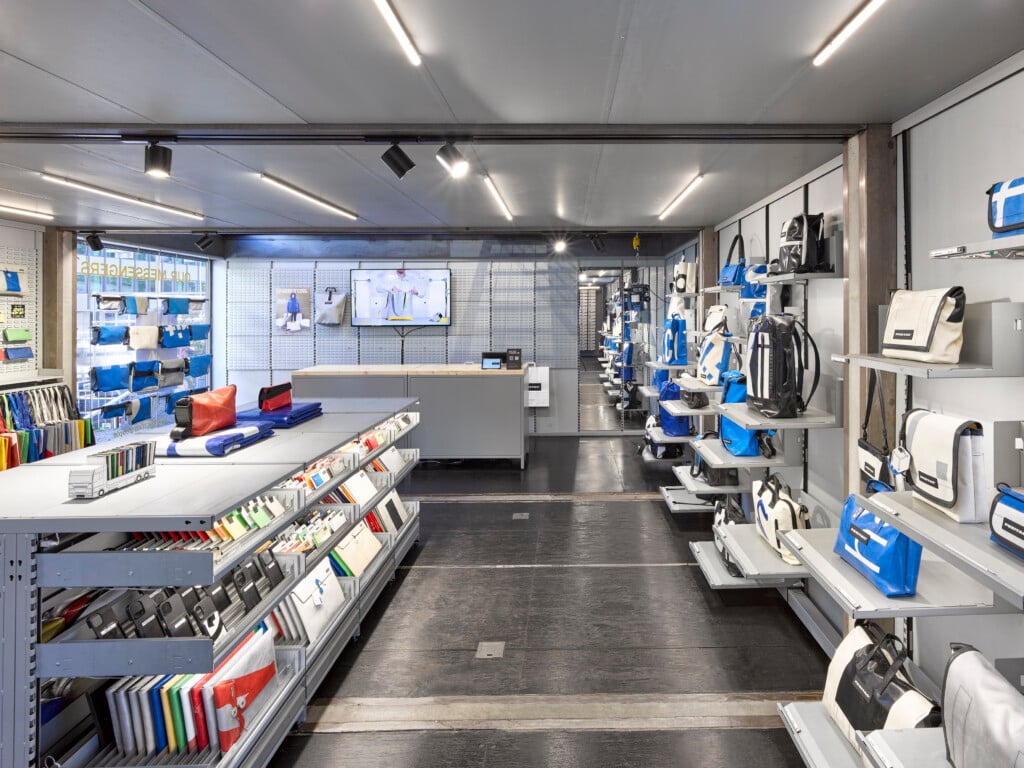
Reuse is not a detail of the project: it is the project itself. Over twenty years the Flagship Store has changed together with the neighborhood around it. Zurich West has gone from an industrial area to one of the most dynamic parts of Zurich, while the tower has kept something of its original identity: that of an out-of-scale object, recognizable precisely because it does not look like the traditional idea of a shop.
To celebrate its twentieth anniversary, FREITAG is also opening the exhibition “A SECOND LIFE – Used Materials, New Purposes” on the tower’s top floors, dedicated to the history of upcycling and to the birth of the Flagship Store itself. Through previously unseen archival materials, the exhibition traces the history of the brand and of what has by now become a familiar presence in the Zurich landscape.
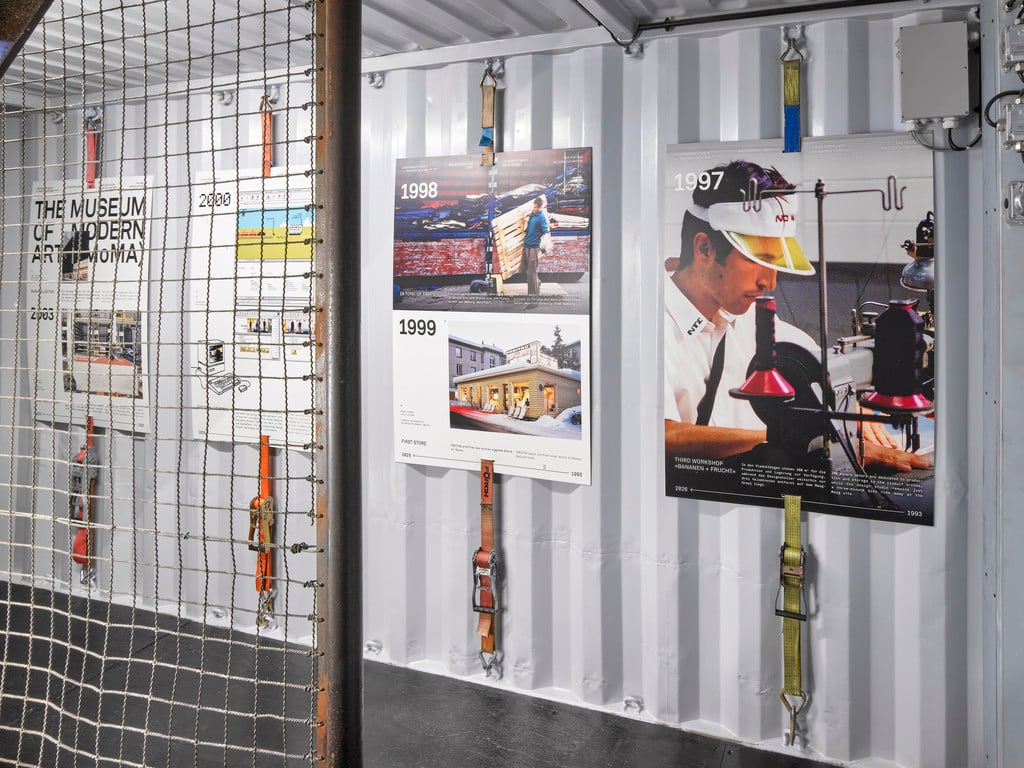
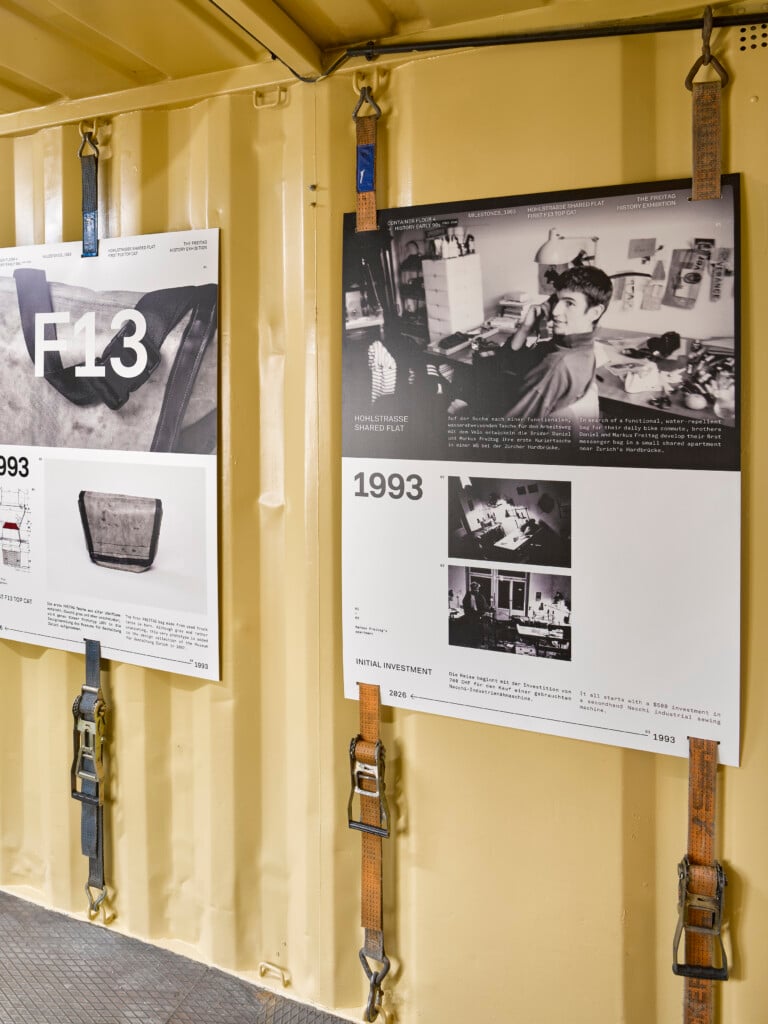
Perhaps it is precisely here that the tower finds its most precise meaning: not as a monument to rust, but as a physical demonstration of a possibility. A container can become a building, waste can become raw material, and an architecture designed to last only a few years can end up telling the story of twenty years.