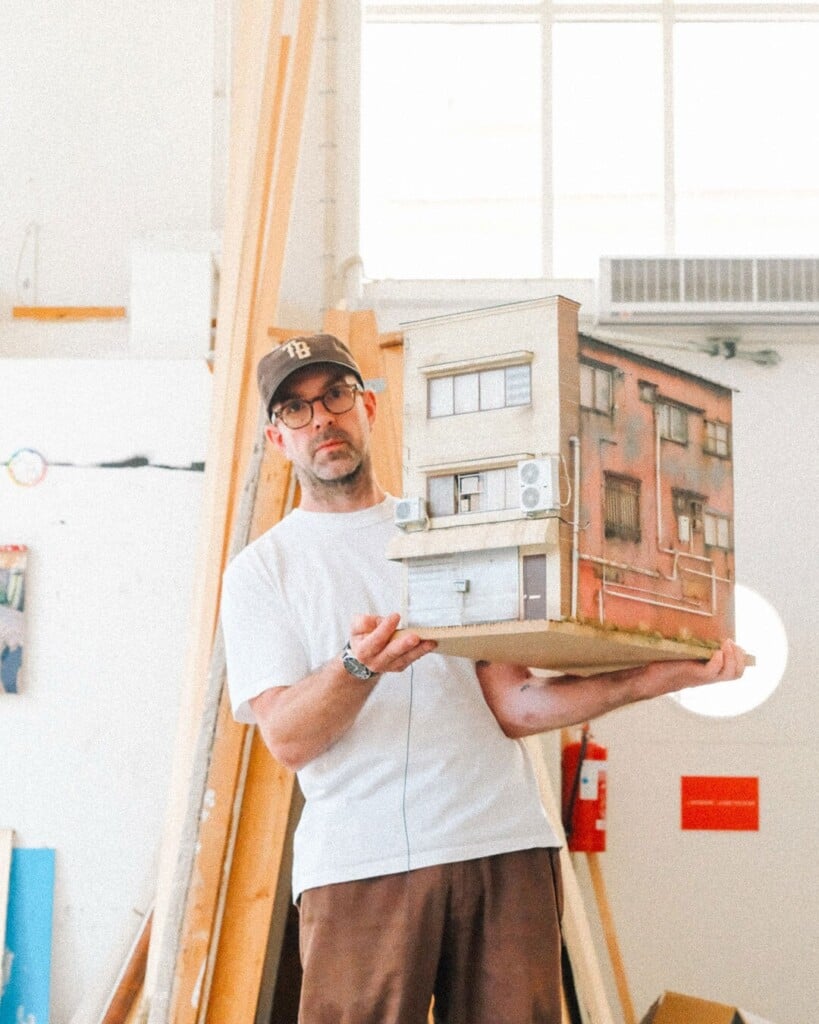
How much can a house tell us when almost everything it contains is the size of a finger? It is from this question that the Tiny Houses project takes shape, born from the collaboration between IKEA and Christopher Robin Nordström, a Swedish artist specialized in building miniature environments and architecture, known online as TokyoBuild. For the project, Nordström entirely hand-built a series of 1:12 scale homes, installed in public spaces in Melbourne, Chengdu and Beijing.
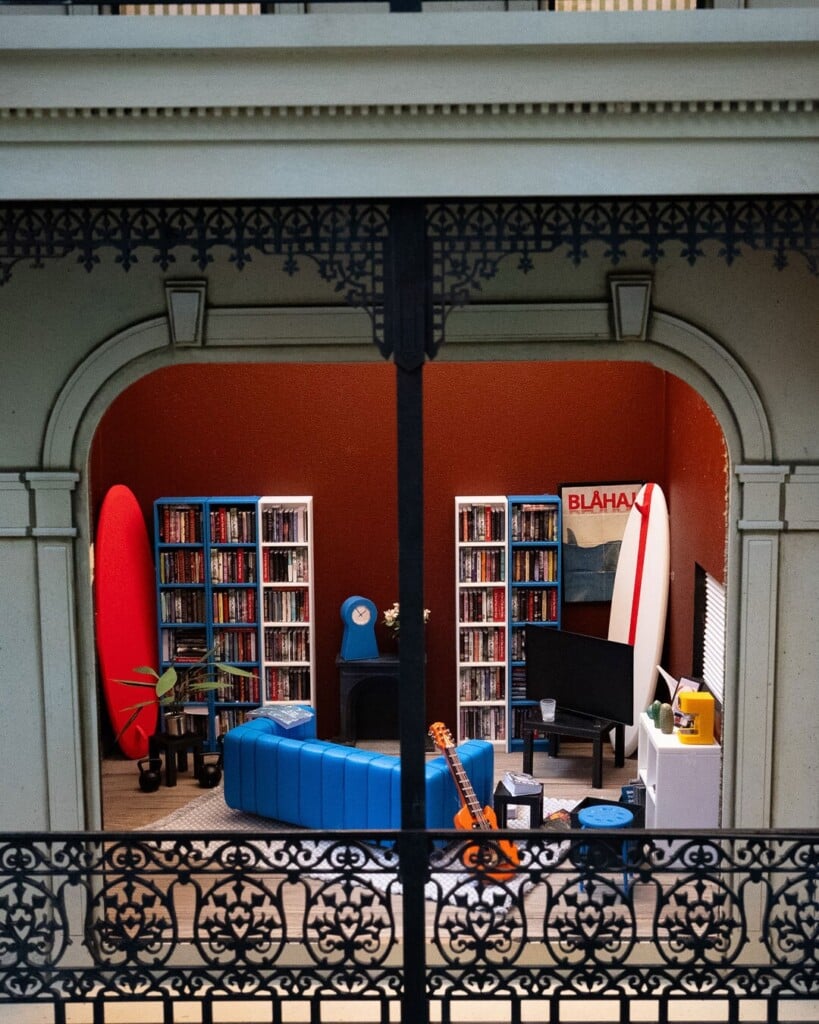
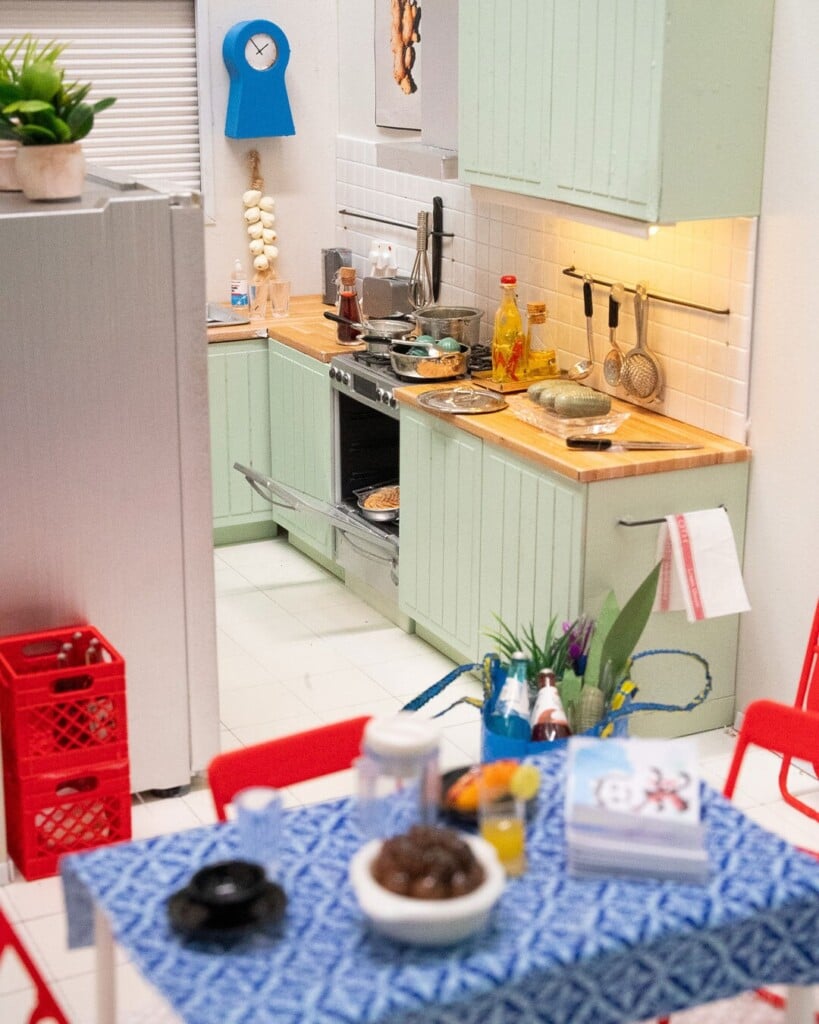
But the reduced scale is not the real subject of the project, it serves rather to speak about what makes a house recognizable: the objects, the habits and the traces of those who live in it.
The Tiny Houses were created as part of IKEA Open House and take their cue from the Store & Organise Report 2026, a study conducted by IKEA on over 30,000 people across 31 markets. According to the project, contemporary homes must be increasingly flexible: home, office, creative studio, classroom and refuge often end up coinciding in the same space. IKEA’s response is the idea that a home gains value precisely through what it contains that is personal and imperfect.
Thanks to TokyoBuild’s intervention and the 1:12 scale construction, almost everything that is not essential ends up being eliminated, there is no room to accumulate objects without reason: every book, painting, piece of furniture or detail must have a reason to be there. When building in miniature it is not possible to include everything, every object has to earn its place. And it is precisely this limitation that makes something evident that in real houses we risk no longer seeing: the identity of an environment does not depend on the quantity of things it possesses, but on the things we choose to keep.
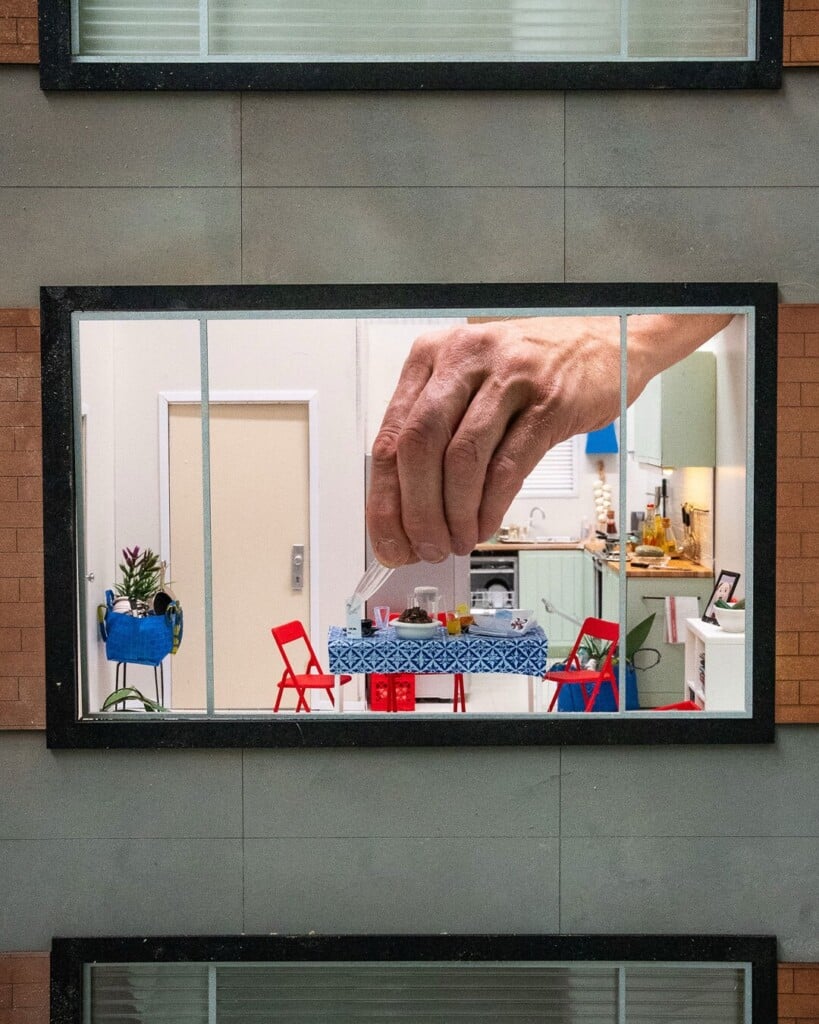
The miniatures are not identical, each house was designed to reflect the character and habits of the city in which it is installed. In Melbourne, for example, a BILLY bookcase holds small books and art prints, alongside references to local sports culture. In Chengdu and Beijing, on the other hand, the project puts METOD kitchens at the center, using them to show how different cultures, routines and priorities can change the way we use the same domestic environment.
The miniature house thus becomes a sort of urban portrait, it does not simply represent a dwelling but tells the story of how a given community lives, organizes time and assigns value to its own things.
Nordström’s work is particularly well suited to this kind of project, because the miniature becomes a way of observing reality from a different distance. The interiors he builds are extremely detailed and realistic, but it is precisely their size that forces the viewer to pause on elements that would normally pass by unnoticed: a shelf, a stack of books, a forgotten object, the layout of a room.
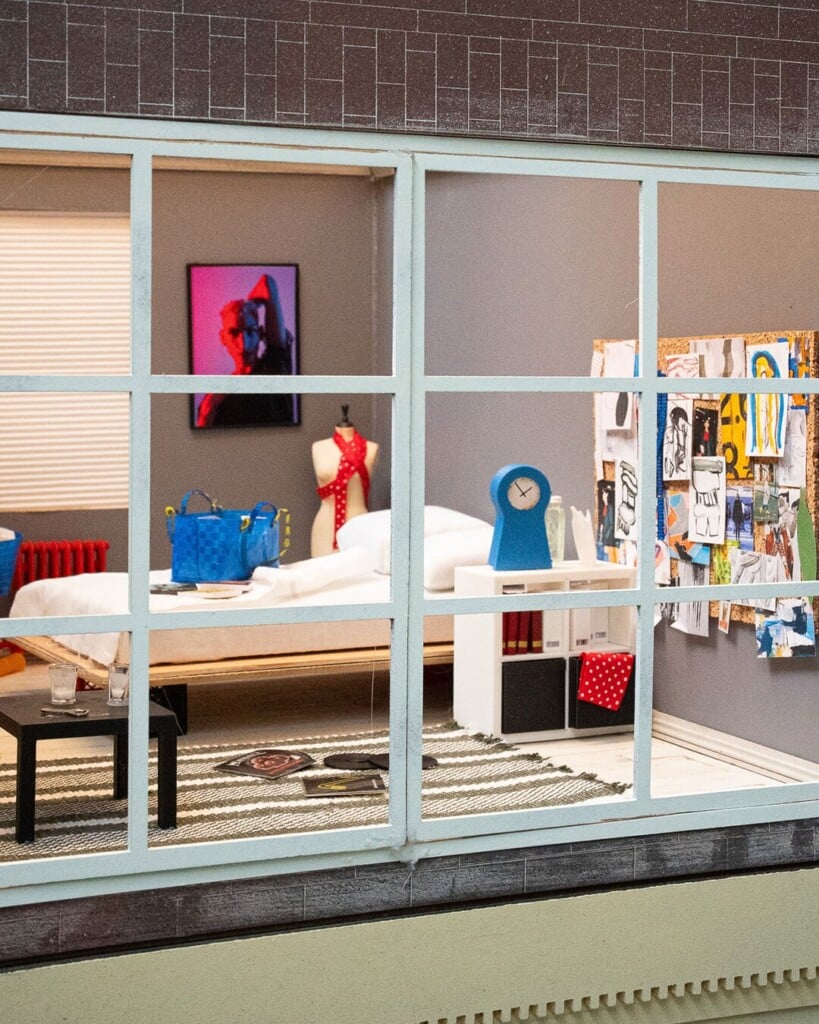
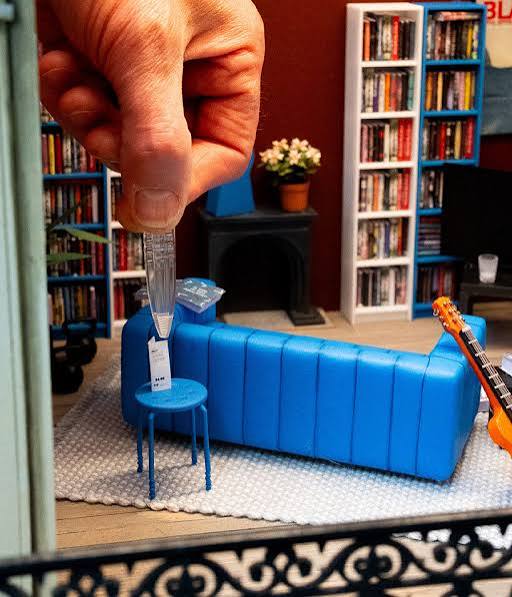
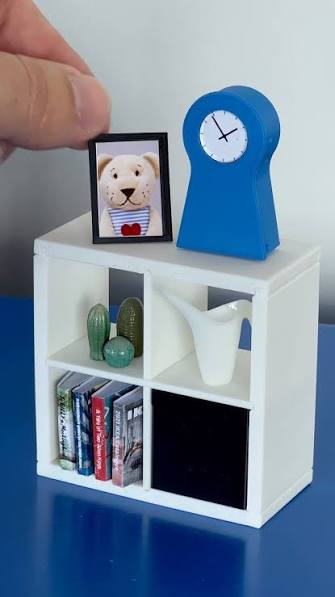
At a moment when interior design often tends to offer images of perfectly tidy, neutral homes with almost no personal traces, these miniatures do the opposite. They are small, but they do not seem empty. Every detail serves to suggest a person, a story, a city. The reduced scale makes it clear that inhabiting does not mean filling a space, but deciding what deserves to occupy it. And so TokyoBuild and IKEA use a house that could fit in the palm of a hand to talk about a much bigger question: how much space is really needed to feel at home?