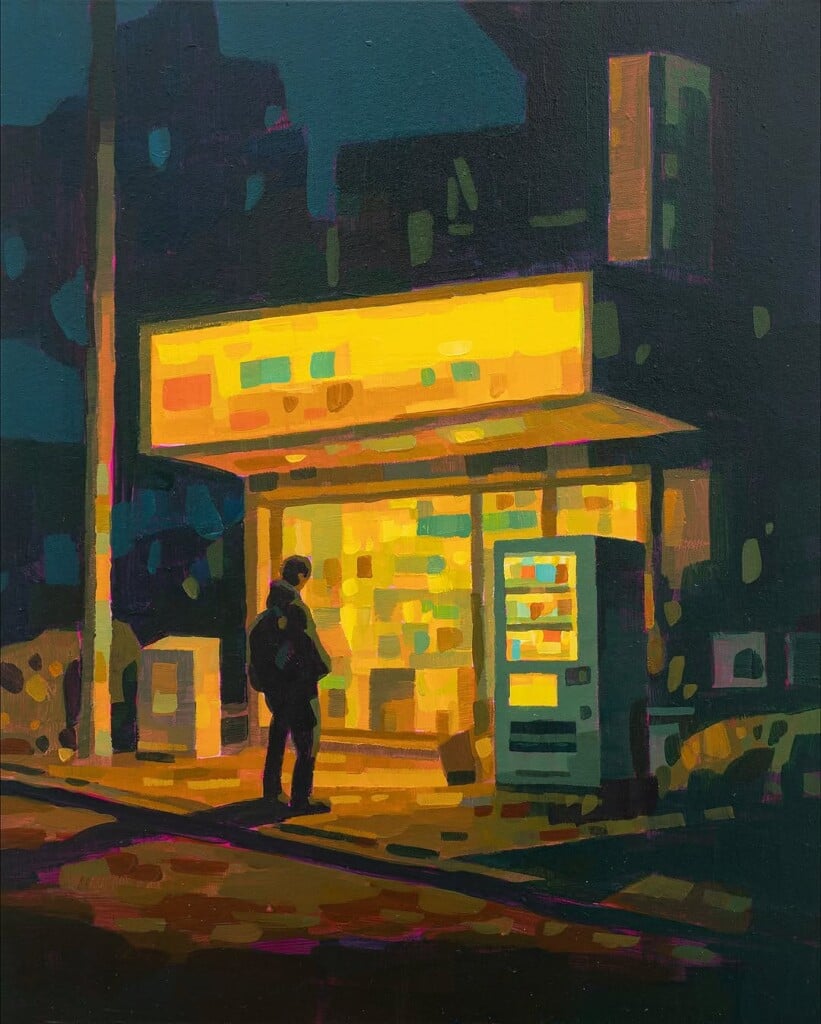
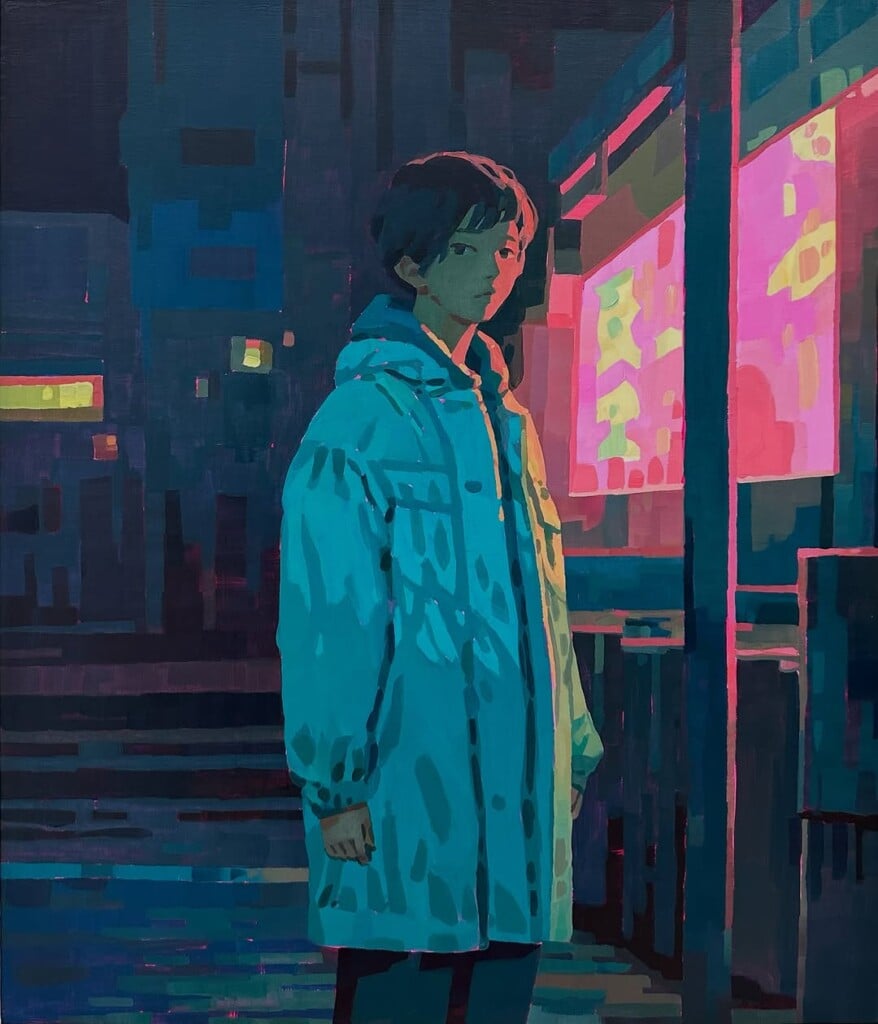
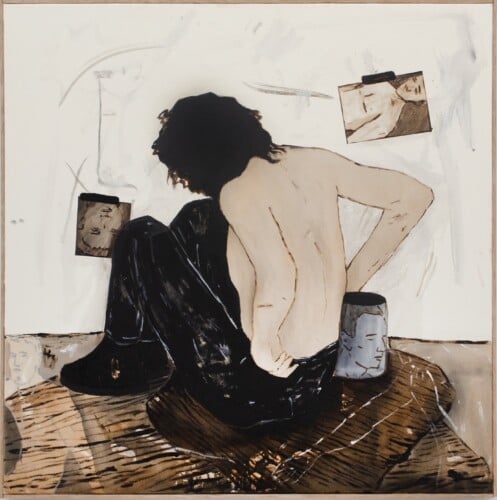
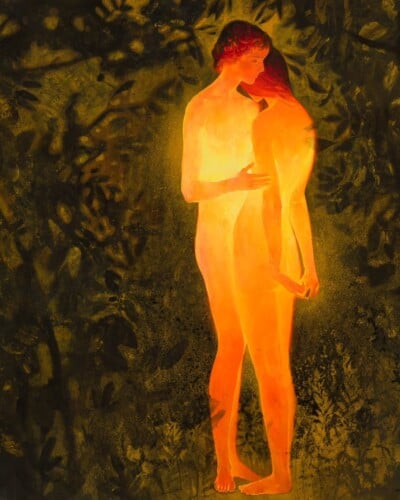
Born in Osaka in 1990, Keita Morimoto is one of those artists capable of transforming the ordinary into an almost mystical, rarefied experience. His personal journey — suspended between two worlds — is also reflected in his pictorial language: a balance between the sacred light of the Baroque and the urban coolness of the present.
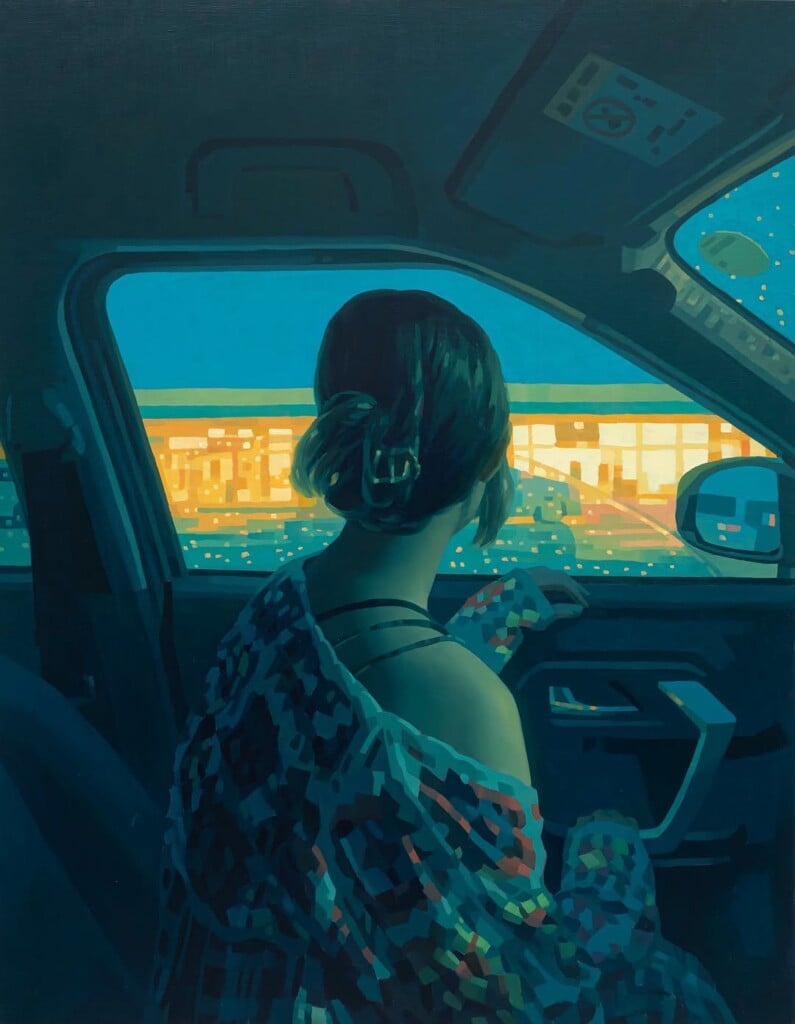
In his paintings, streetlights, vending machines, and neon signs become sources of light loaded with symbolism. Morimoto reinterprets the tradition of chiaroscuro, blending the aesthetics of pre-modern genre painting with the American realism of the early twentieth century. The result is a cinematic vision of the city, where every everyday detail — an empty parking lot, an illuminated street — becomes a threshold between reality and memory.
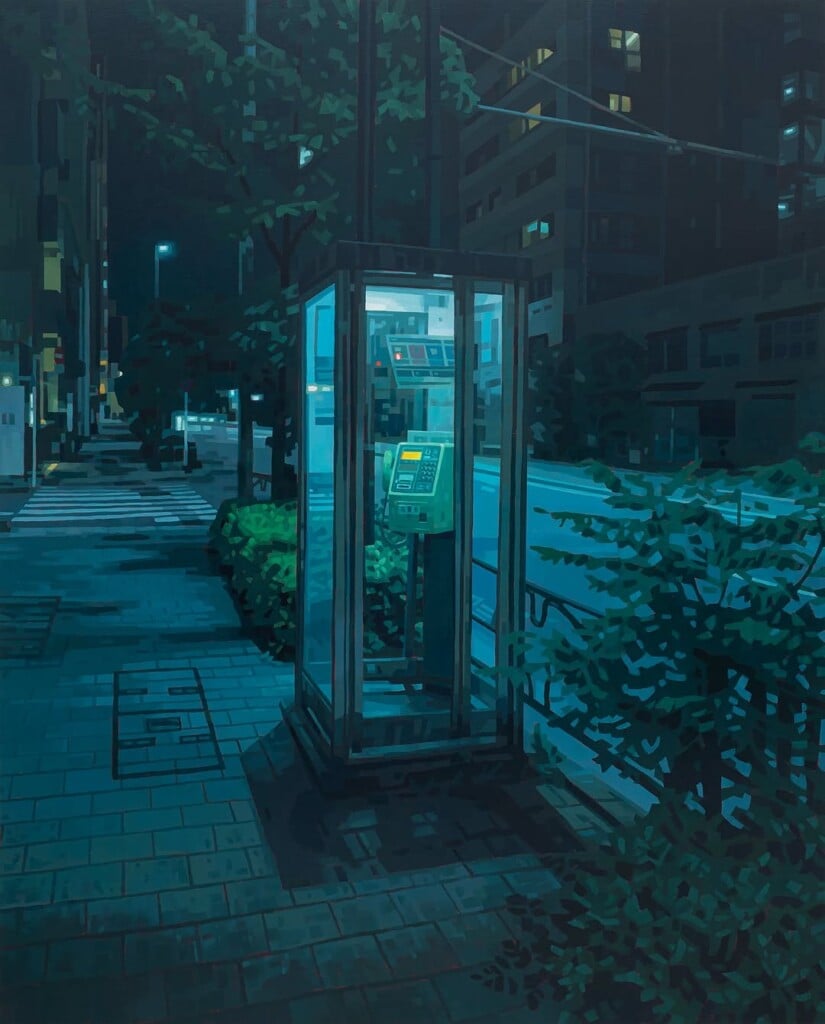
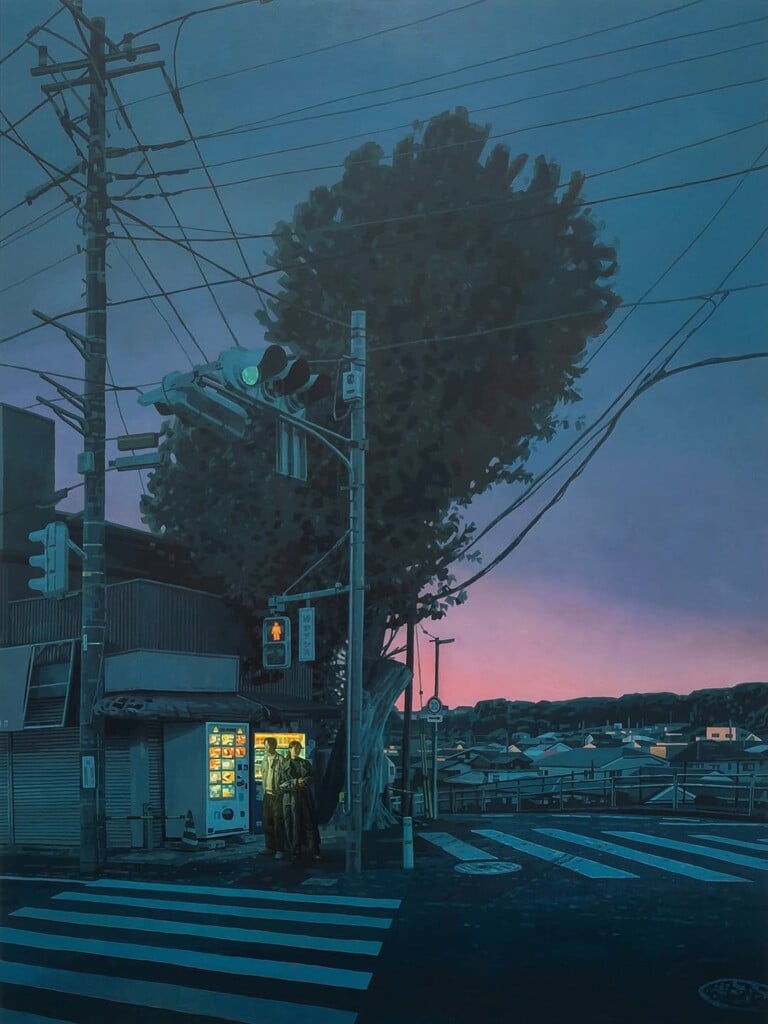
Light is his true subject: not natural, but artificial—filtered through the night and capable of making even spaces of consumption and abandonment poetic. The human figures, often isolated, seem suspended in a moment of introspection, as if the entire city were breathing along with them.
More than painting the city, Morimoto seems to want to capture its inner silence: what remains when the lights come on.