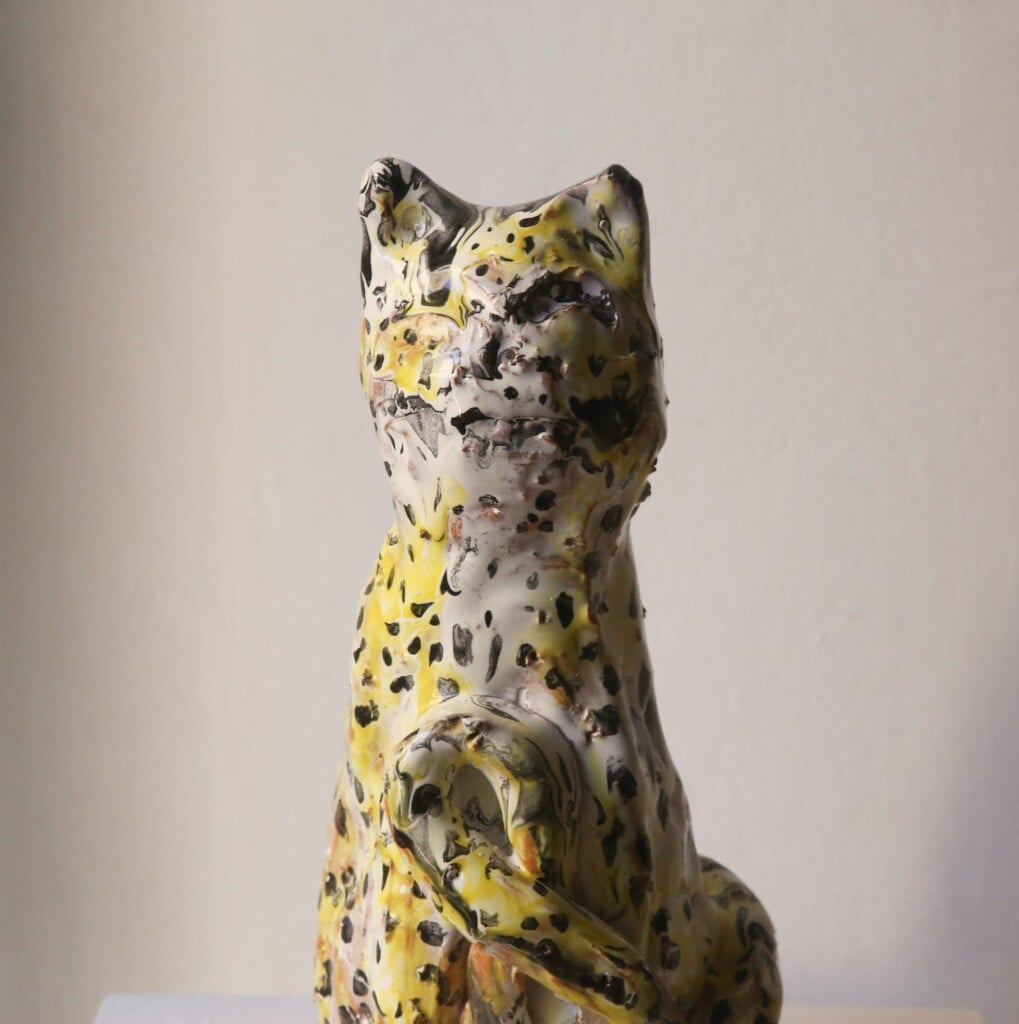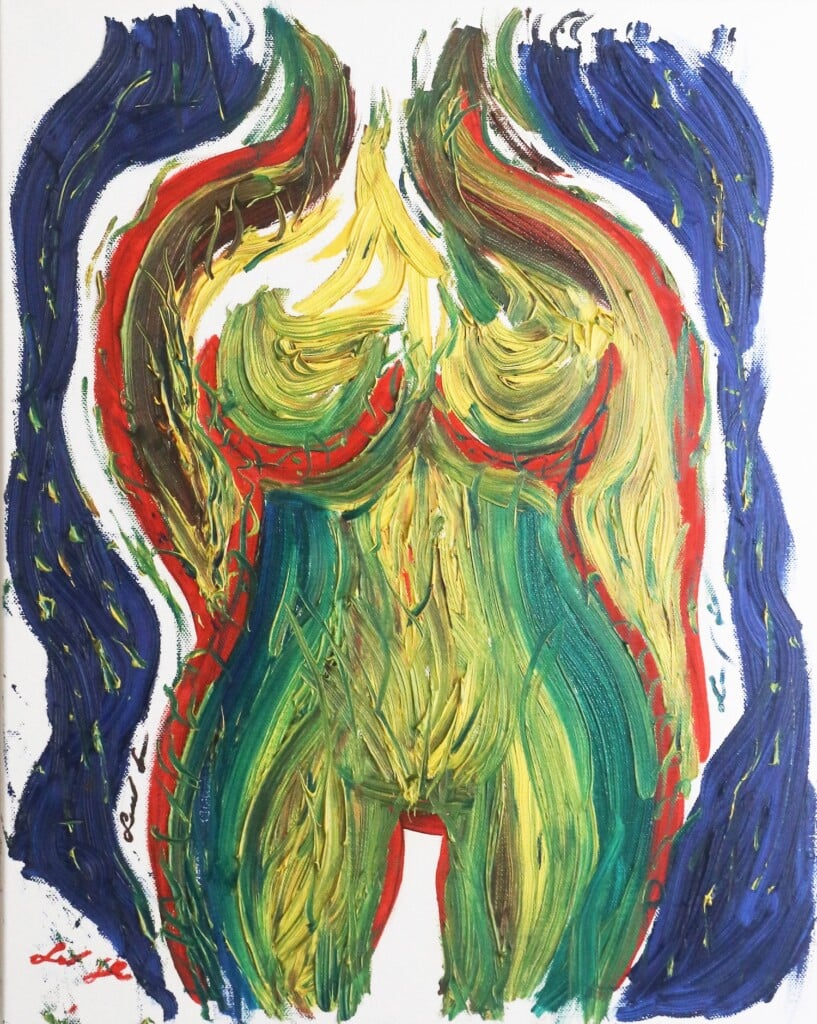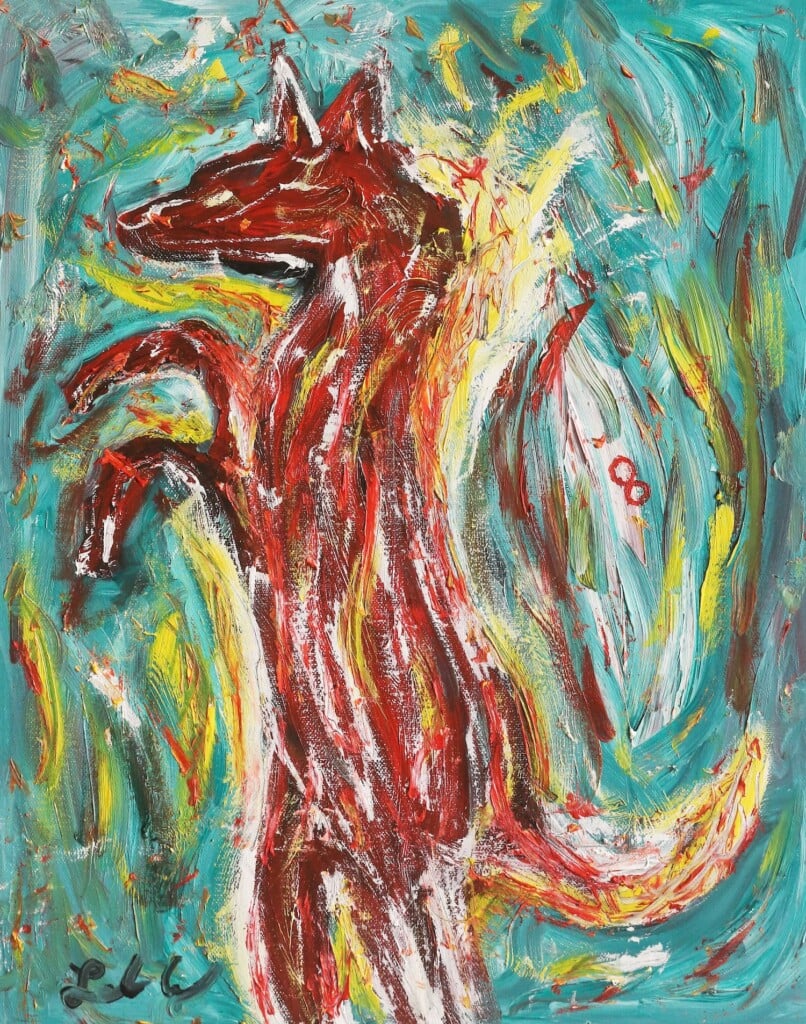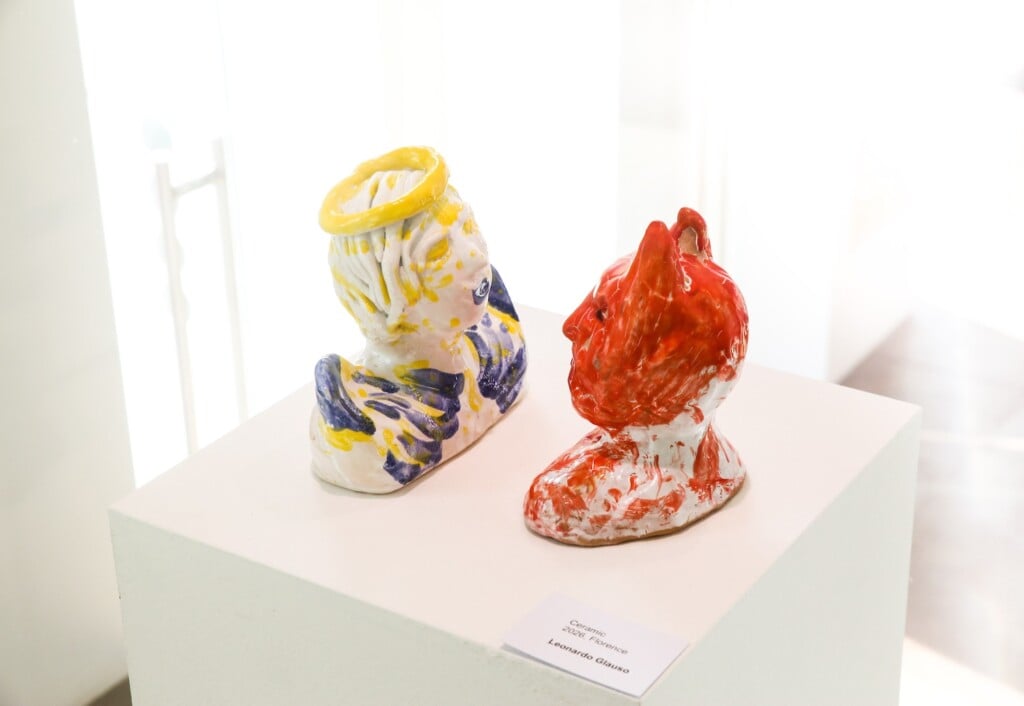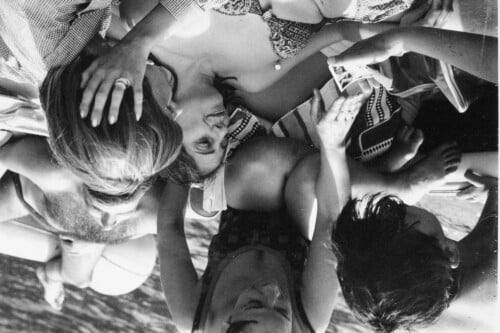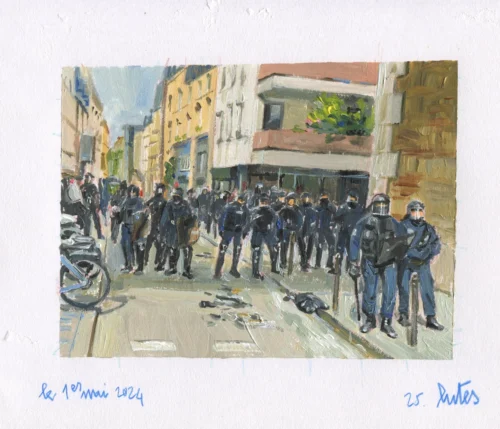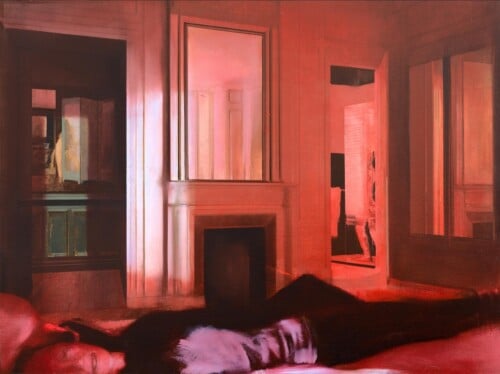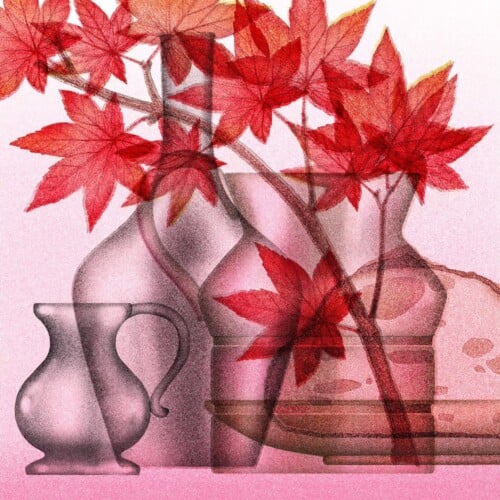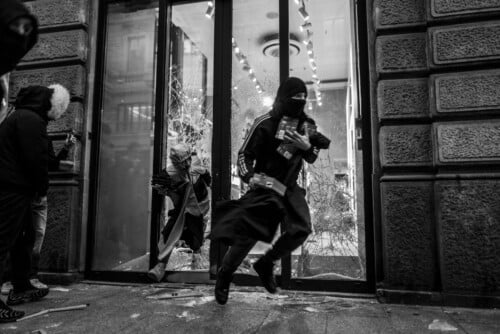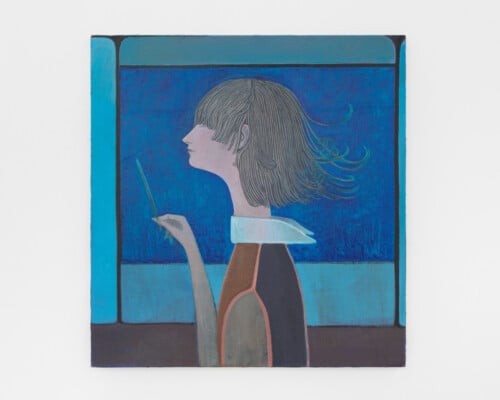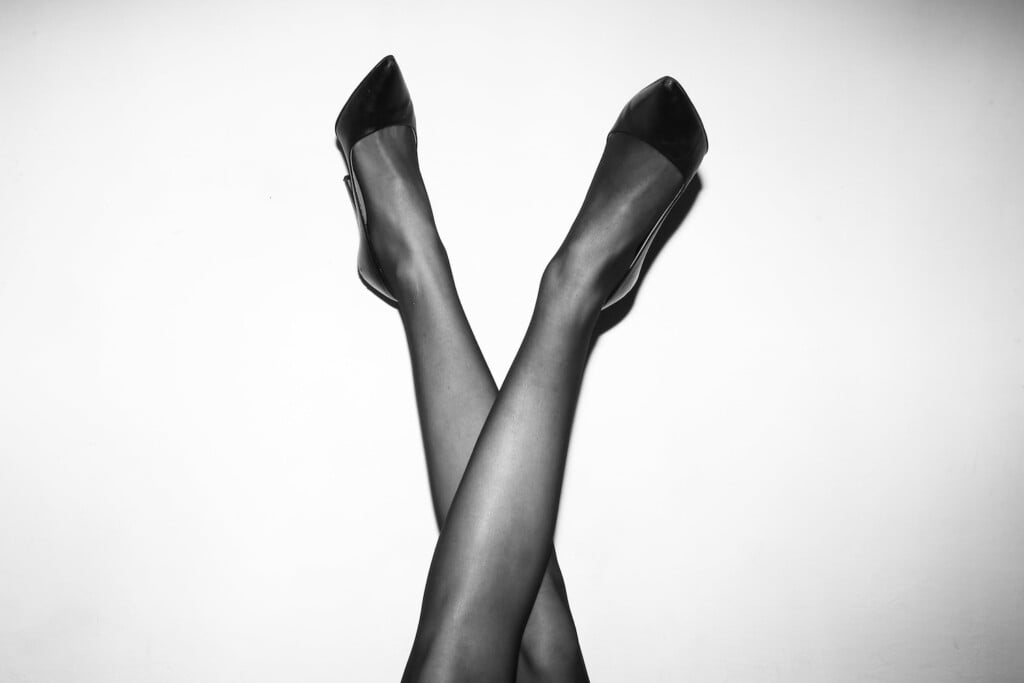
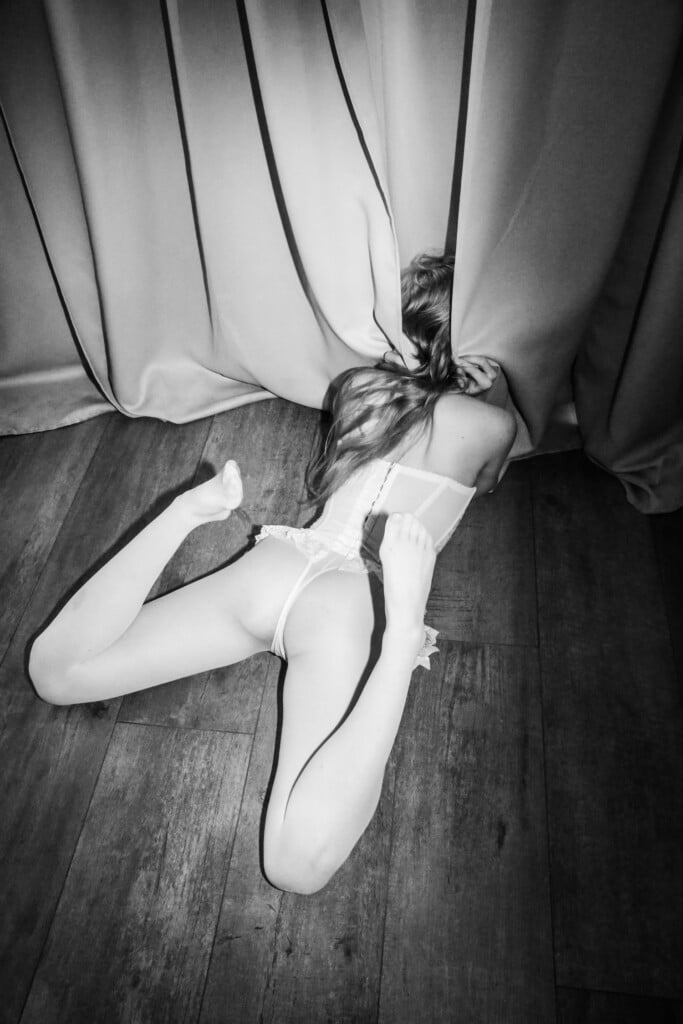
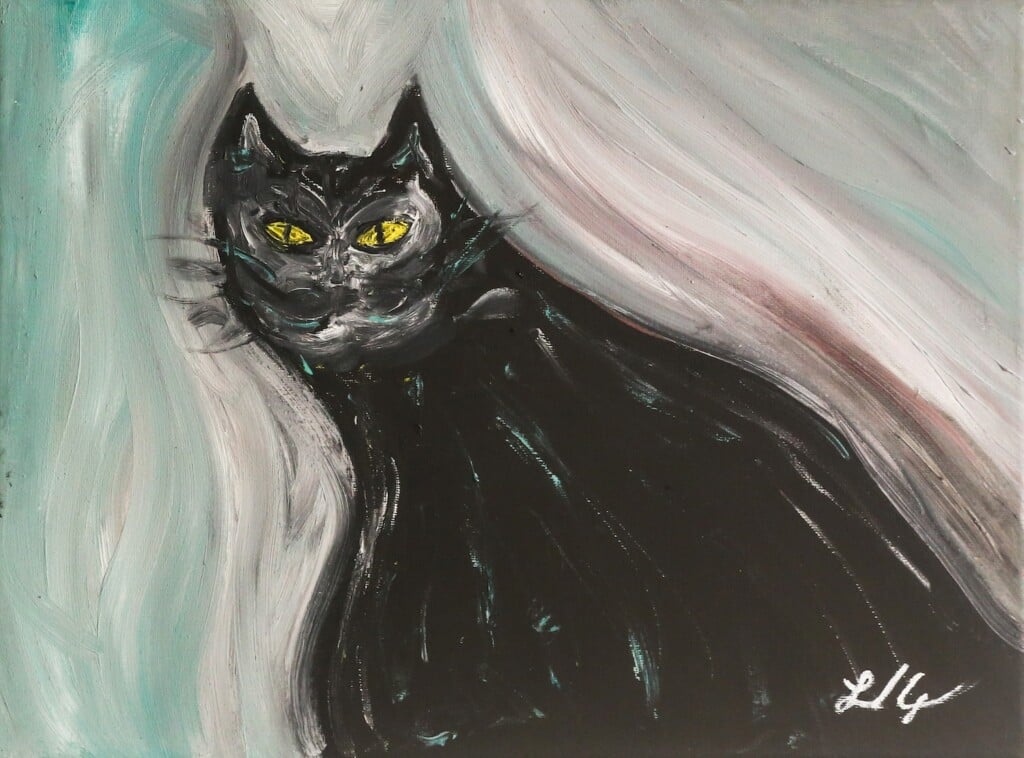
From photography to painting, all the way to sculpture: the path of artist Leonardo Glauso does not follow a linear trajectory, but develops through the curiosity to explore different languages and expressive possibilities. Born in Florence in 1989, the multidisciplinary artist began his research through the photographic image, investigating in particular the body and the relationship between intimacy and representation. An interest he has not abandoned, but which has transformed over time, making room for new forms and materials.
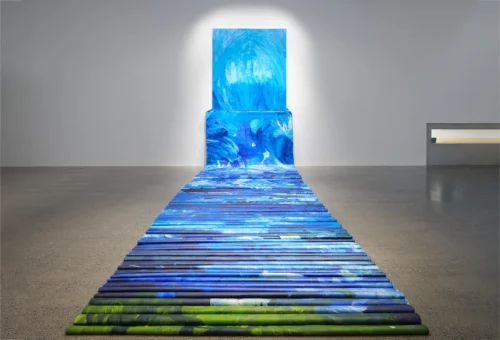
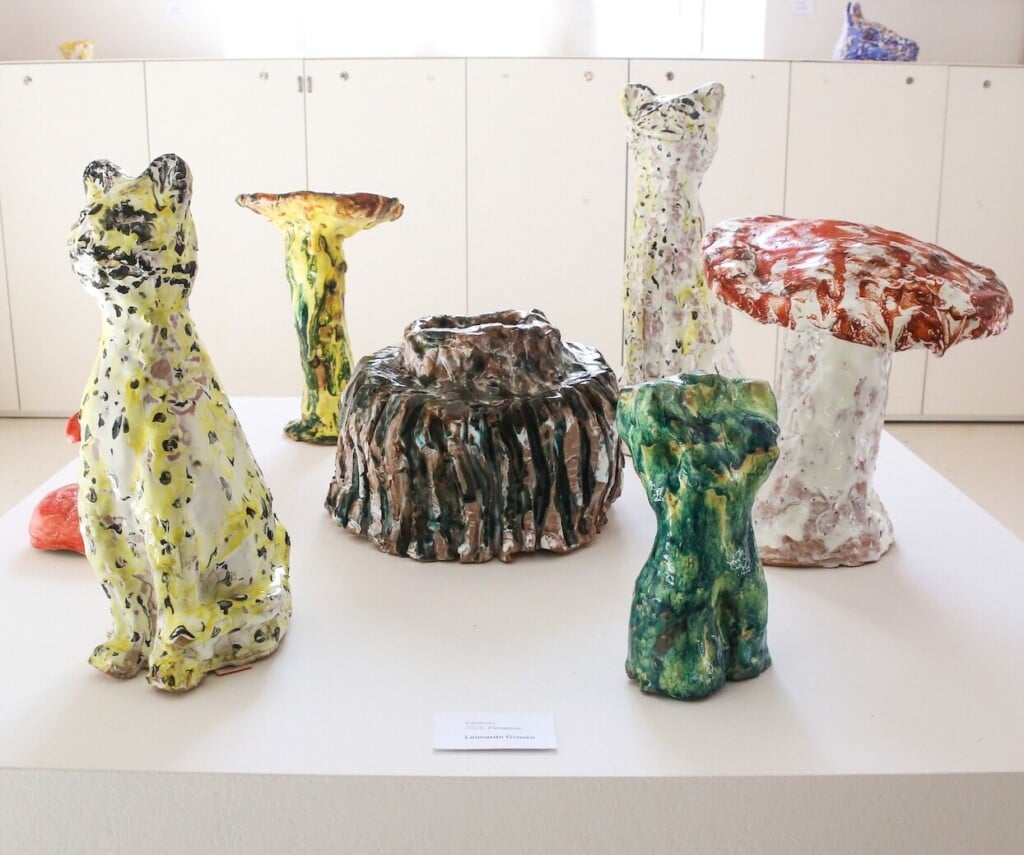
If in photography the starting point is often something that exists, painting allows him to build images without necessarily referring to reality, while sculpture introduces a physical dimension, in which matter becomes an active part of the creative process. Beyond the technique used, what holds these works together is a research that looks to synthesis, to presence and absence, trying to reach the essential without exhausting all the possibilities of interpretation.
We had already covered his work on Collater.al with Erotic Photography, the book dedicated to the artistic nude. Today we return to speak with him to explore what has changed in his way of observing, creating and giving form to images, and to understand how an artistic practice can evolve without necessarily finding a definitive definition.
Changing language, following the research
A few years ago, on Collater.al, we featured Erotic Photography, your book dedicated to the artistic nude. Looking at your work today, what has changed in the way you observe and represent the human figure? Is there something from that research that continues to guide you?
Photography taught me to observe the body, but also to understand that not everything we see coincides with what we perceive. Today I am increasingly less interested in the faithful representation of the human figure and more in what can emerge from its simplification. The body becomes a form, a presence capable of suggesting emotions and moods without necessarily having to narrate them. What remains of that research is above all the interest in the relationship between intimacy and image, and in what stays hidden behind a surface.
In recent years your research has extended from photography to painting and sculpture. How did this transition come about? Was it born from the desire to explore new expressive possibilities or from the feeling that some ideas needed a different medium to take shape?
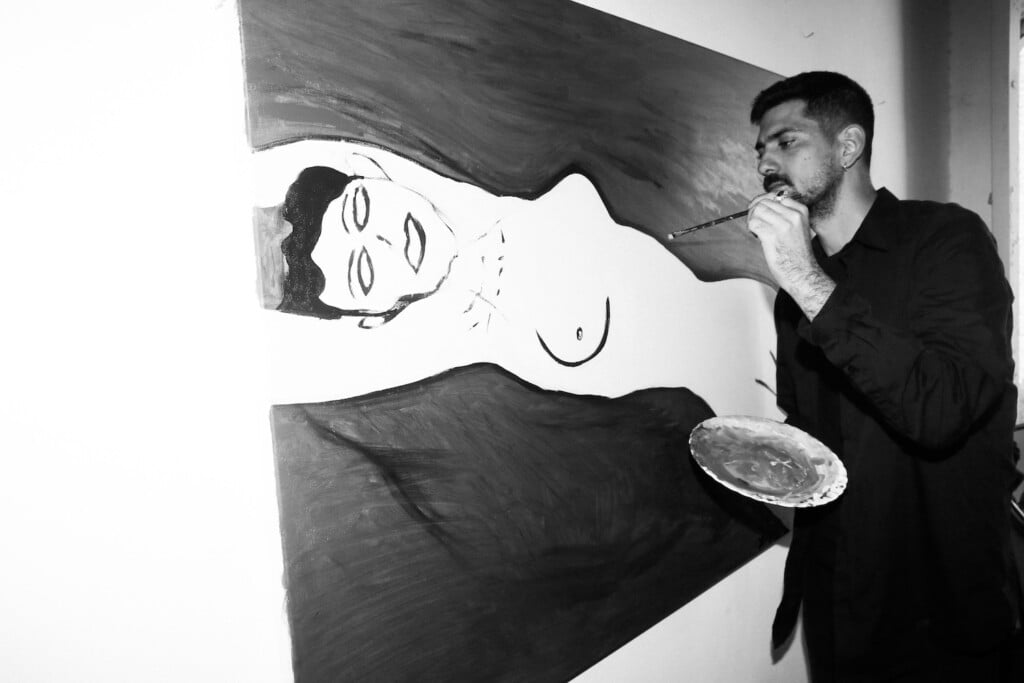
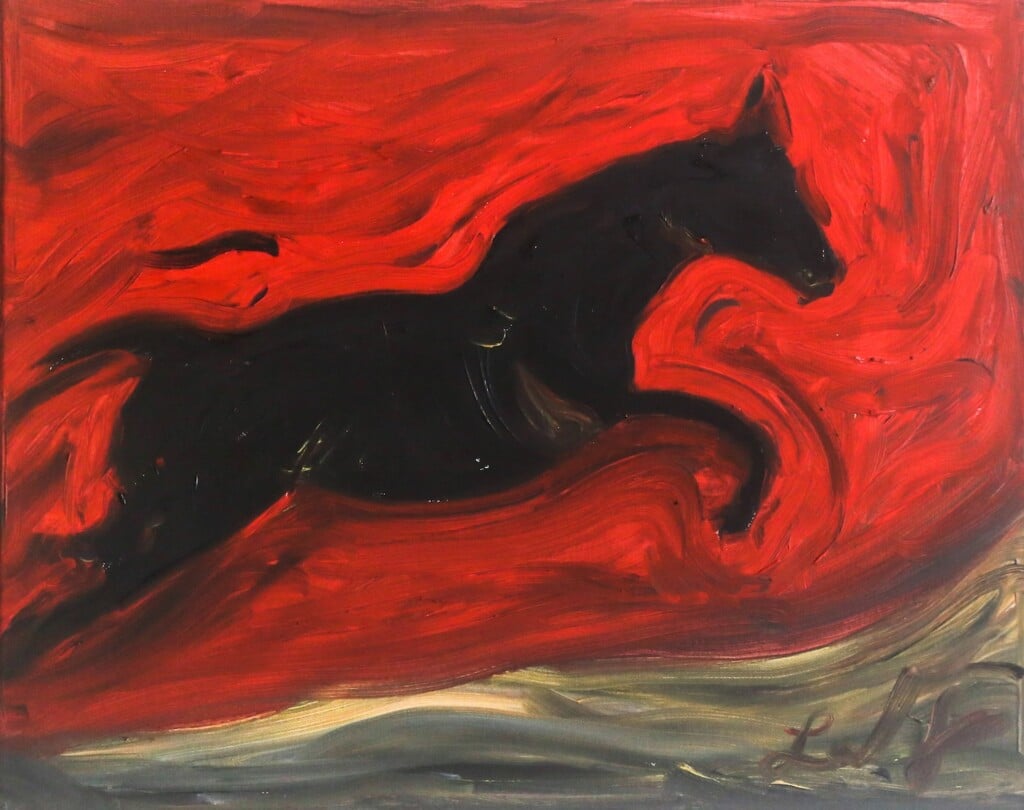
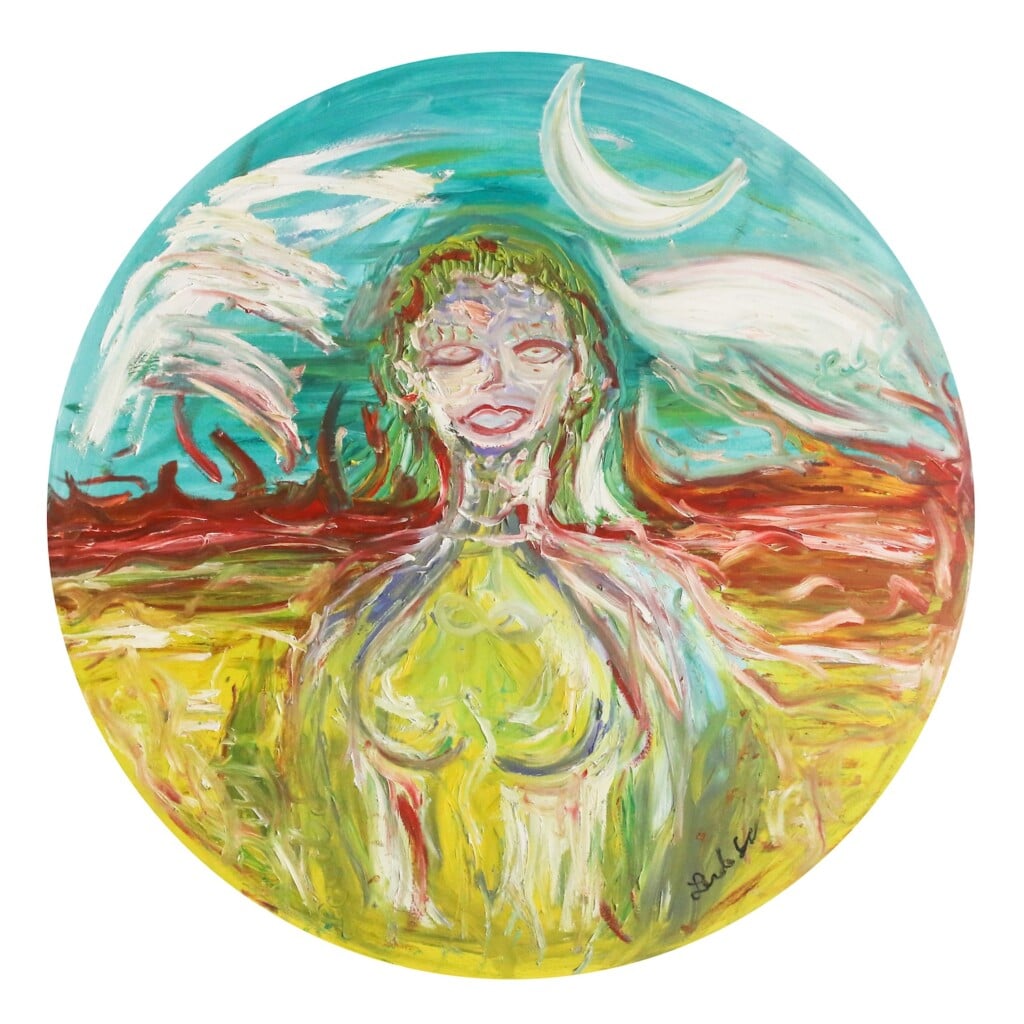
It was a gradual transition, born from the curiosity to explore new expressive possibilities. Photography starts from a reality that exists, while painting allows me to build an image without necessarily starting from something recognizable. I can modify it, reduce it, let it emerge through gesture. With sculpture, instead, the relationship with form becomes physical: matter introduces resistance, a limit, but also new possibilities. I like discovering what can happen when I approach a different technique and how it can influence my way of working. Each language opens up possibilities that I often had not foreseen.
How much does improvisation matter in your creative process? Do you start from a precise idea or do you let materials and gesture guide you?
I often start from an intuition rather than a defined idea. The process is fluid and develops through making: a gesture, a mark or a form can change the direction of the work. I am interested in leaving room for the unexpected and seeing where it leads me, without trying to control every step. At the same time, it is important to understand when to stop. I look for an essential form, in which there is nothing superfluous, but which retains something open, leaving room for different interpretations.
Between photography, painting and sculpture, your work crosses different languages without losing a certain visual coherence. Do you feel today that you have found a precise artistic direction, or do you prefer to consider your research as a process still open, in which each new medium can challenge what you have done up to that point?
I believe there is a common thread in my work, even though the research remains in constant evolution. I am interested in reducing images to the essential, working on presence and absence, letting a form suggest more than it shows. This approach can cross different languages without losing its nature. At the same time, I am curious to explore new techniques and materials, because each offers different tools and possibilities. I do not feel the need to define a direction once and for all: I prefer to follow the process, letting curiosity and the work itself suggest new paths.
In the work of Leonardo Glauso, changing technique does not mean starting over, but finding new ways to question the same idea. Photography, painting and sculpture thus become different tools of a research that does not seek definitive answers, but continues to transform.