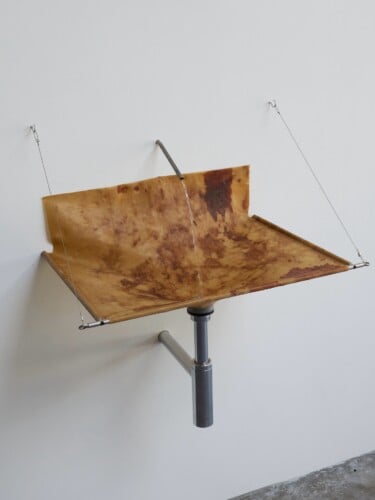
Spigen’s Classic LS MagFit iPhone case starts from a very specific aesthetic—much like this alarm clock. It’s the same aesthetic as Apple design before the glossy minimalism we know today: matte plastic, floppy disks, and chunky pixels. For Apple’s 50th anniversary, Spigen revisits the Macintosh 128K and transplants it onto the ultimate everyday object: the smartphone. And the Classic LS MagFit, designed for iPhone 17 Pro and iPhone 17 Pro Max, doesn’t just reference the past—it rebuilds it, detail by detail. Let’s take a look.
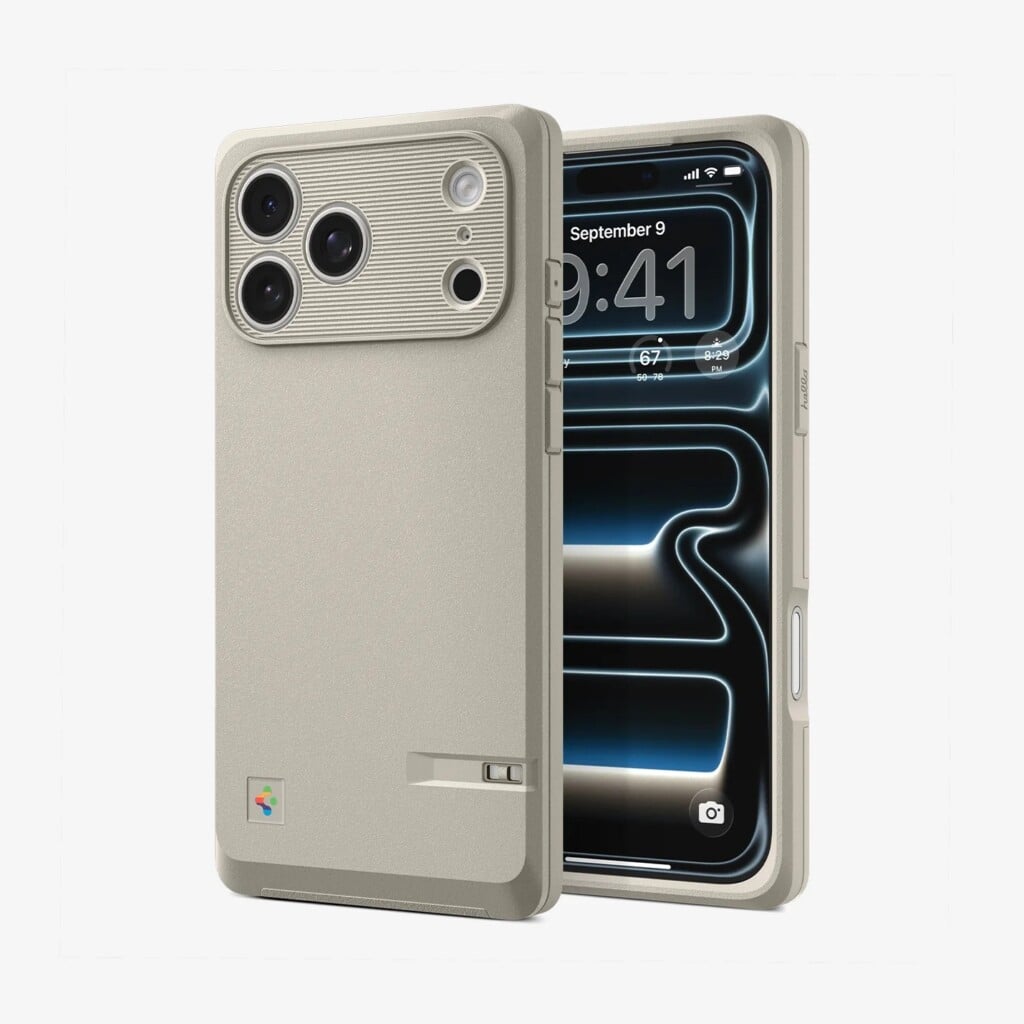
The “Stone” finish recreates the off-white tone of early Apple hardware, while the case’s shape explicitly echoes the compact body of the original Macintosh. On the back, one of the era’s most recognizable elements appears: the 3.5-inch floppy disk slot, turned into a graphic accent. The side buttons look like they were borrowed from an ’80s mechanical keyboard, and the Spigen logo is redesigned with a retro twist, as if it had always been there.
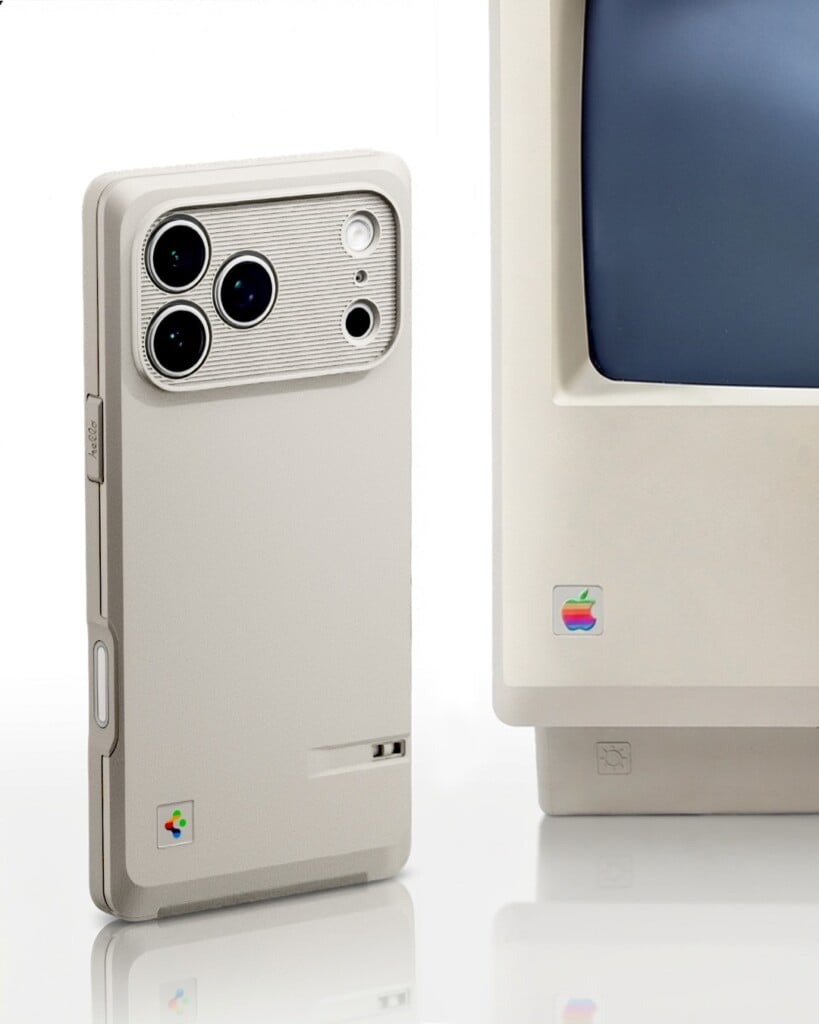
The most iconic detail remains the power button, engraved with the word “Hello” in the original Macintosh font: a small gesture that encapsulates an entire era, when computing began to speak a human language. It’s a design that doesn’t aim for irony, but for memory—made for those who instantly recognize these visual codes.

Under the nostalgic surface, however, the Classic LS remains a contemporary accessory. The polycarbonate and TPU structure protects the iPhone 17, the integrated MagFit ring ensures MagSafe compatibility, and the touch-sensitive cover for the new capacitive shutter button keeps the user experience intact. Even the camera module is protected by a raised edge designed to prevent scratches and keep dust away.

The Classic LS is an exercise in applied retrofuturism: an object that borrows from the past to give character to the present. It’s not just a case, but a fragment of computing history brought back to life—this time in the most personal space we have: the smartphone.