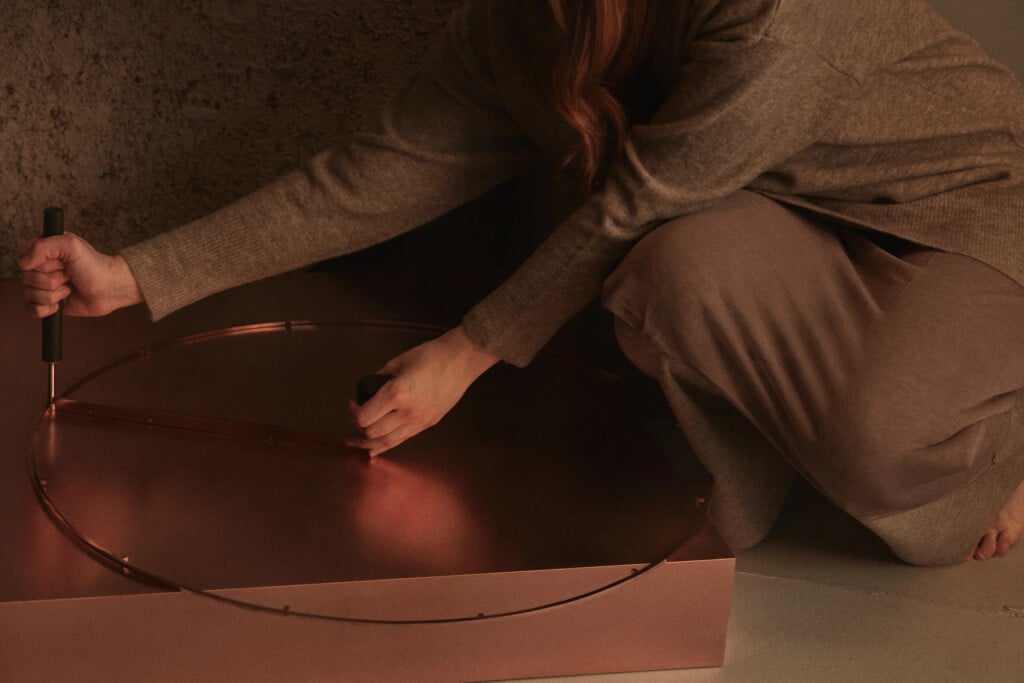
We are used to thinking of objects in terms of what they do: a chair must let us sit, a mirror must let us look at ourselves, a table must hold something. In the work of designer Nel Verbeke, however, design seems to begin precisely at the moment when this logic stops being enough.
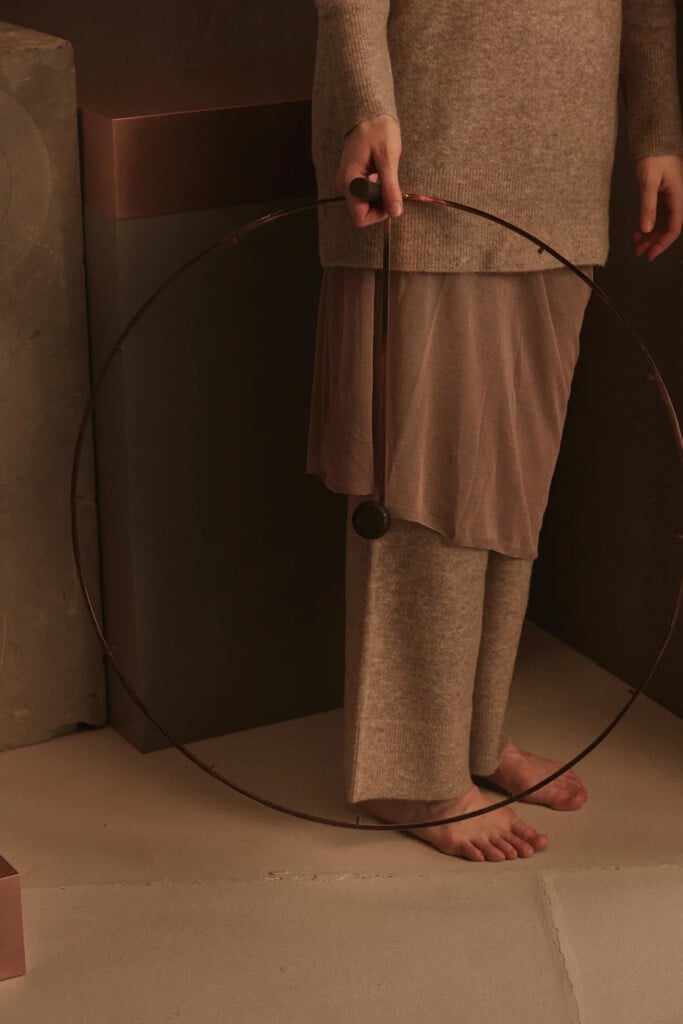
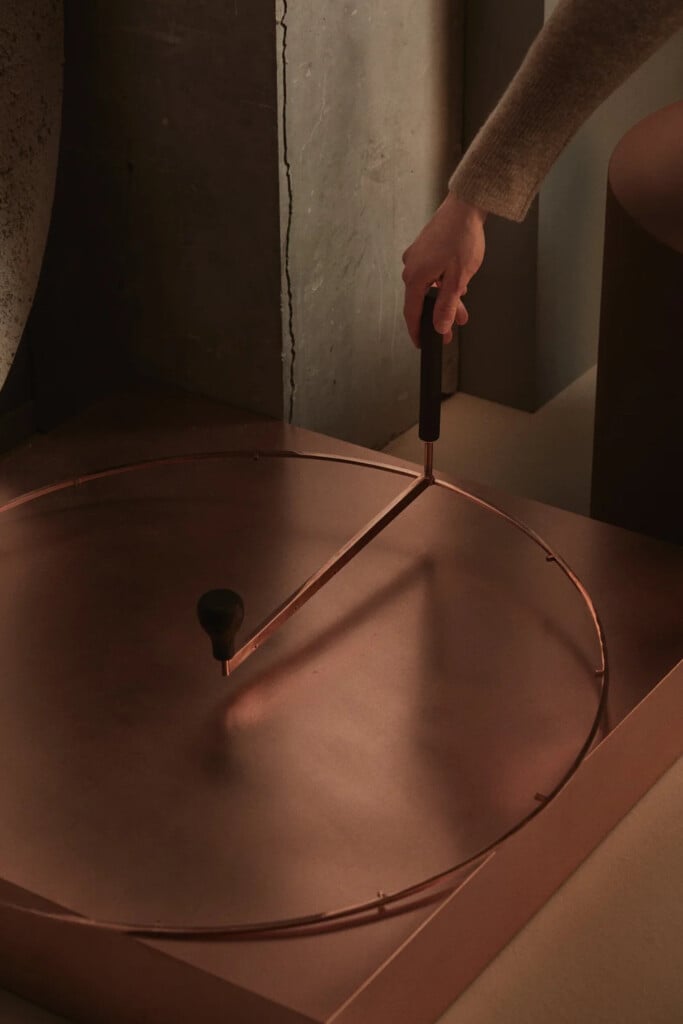
A designer and artist based in Brussels, Nel Verbeke builds objects, spaces and situations that don’t necessarily ask to be used, but to be experienced. Her work grows out of a practice that moves between past and present to question the way we inhabit time, emotions and the spaces around us. Rather than solving a problem, her works open one: how can we learn to value again what we normally try to avoid?
One of the recurring themes in Verbeke’s practice is time. Not the time marked by clocks, appointments and notifications, but a time that is harder to measure: that of waiting, contemplation, memory.
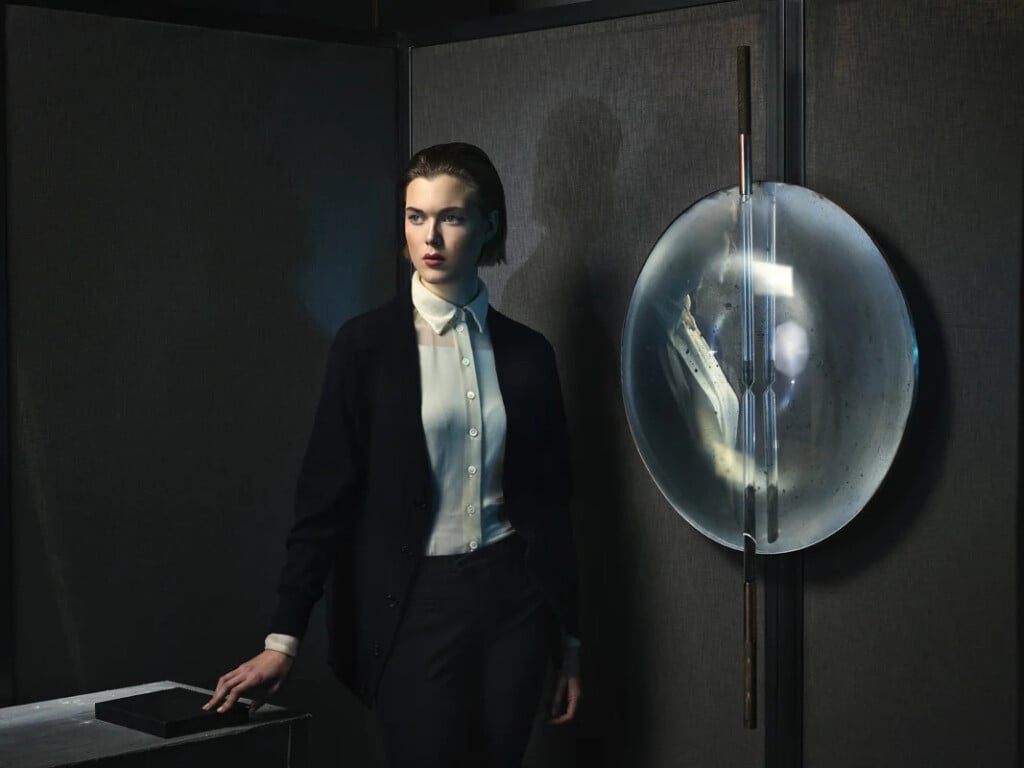
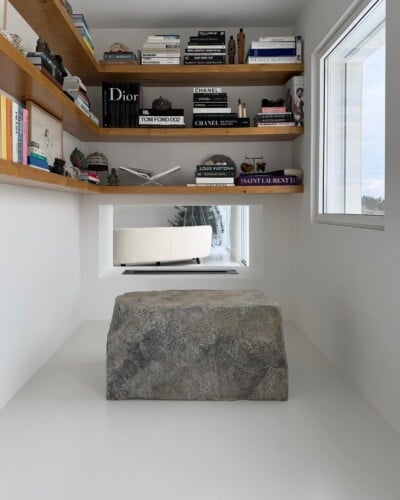
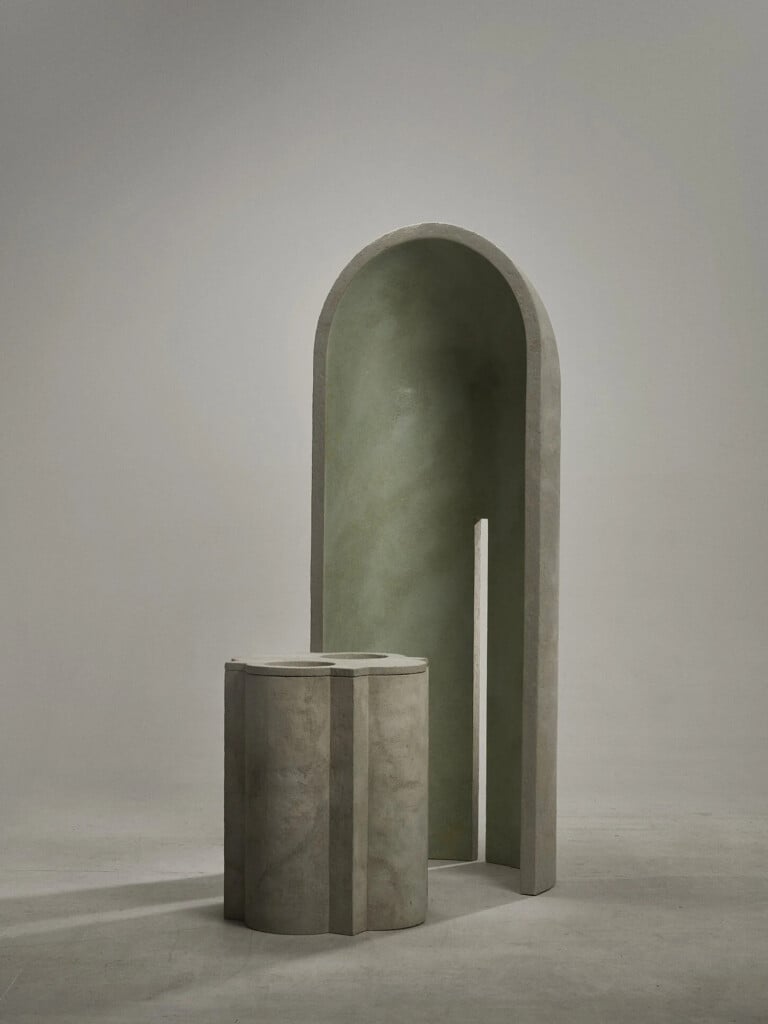
It is at the heart of The Architecture of Time, a body of research in which the designer imagines time almost as an architecture to be inhabited. Her works draw inspiration from the niches found in many architectural traditions: cavities designed for withdrawing, observing, praying, or simply stepping away for a moment from the pragmatic dimension of existence. Verbeke turns them into freestanding structures, minimal spaces capable of welcoming a body or of becoming points of concentration for the gaze.
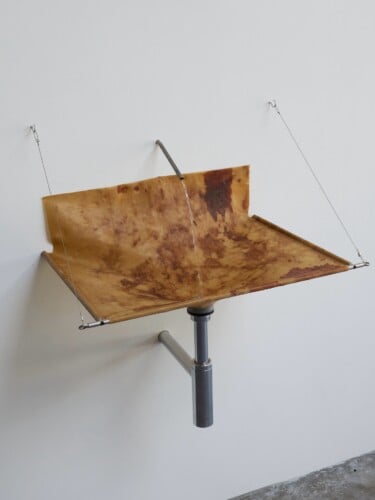
Here design doesn’t simply organize space: it organizes a moment. The materials, too, take part in this reflection. Copper, for example, carries the traces of passing time on its surface, while earth and dust preserve layers, transformations and signs of the place they come from. They are therefore not materials chosen merely for their appearance, but for their ability to make visible something we normally don’t see: time as it happens.
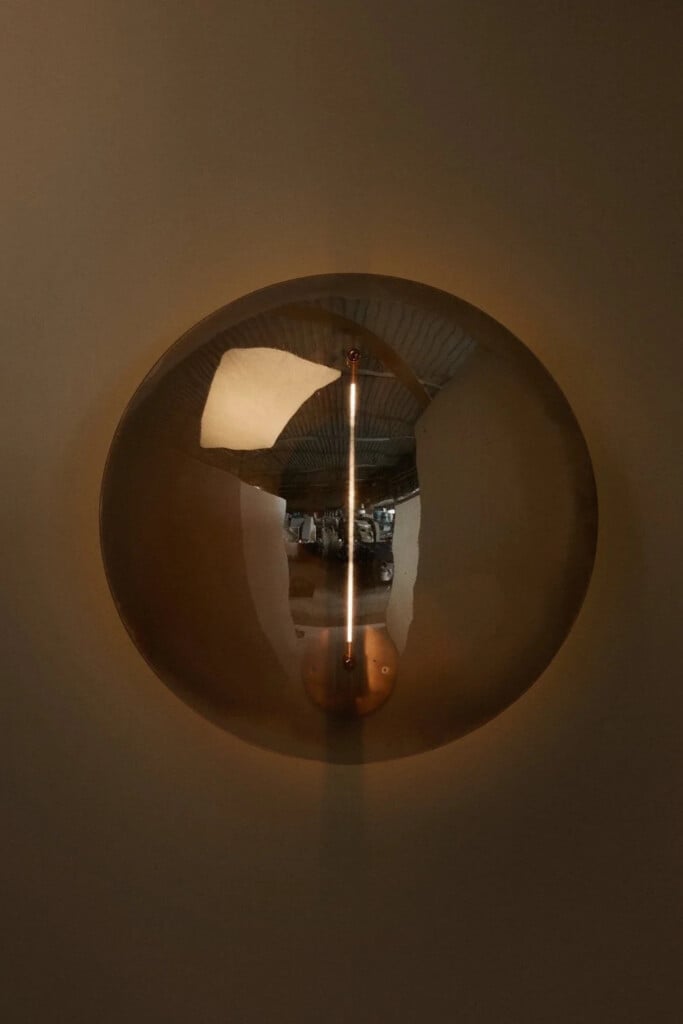
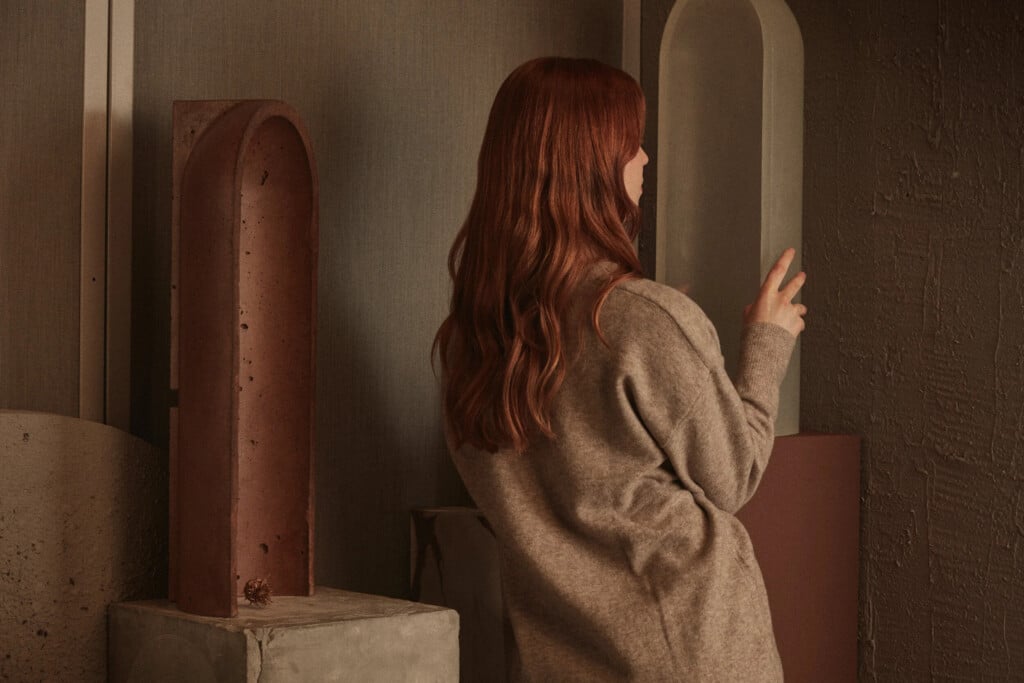
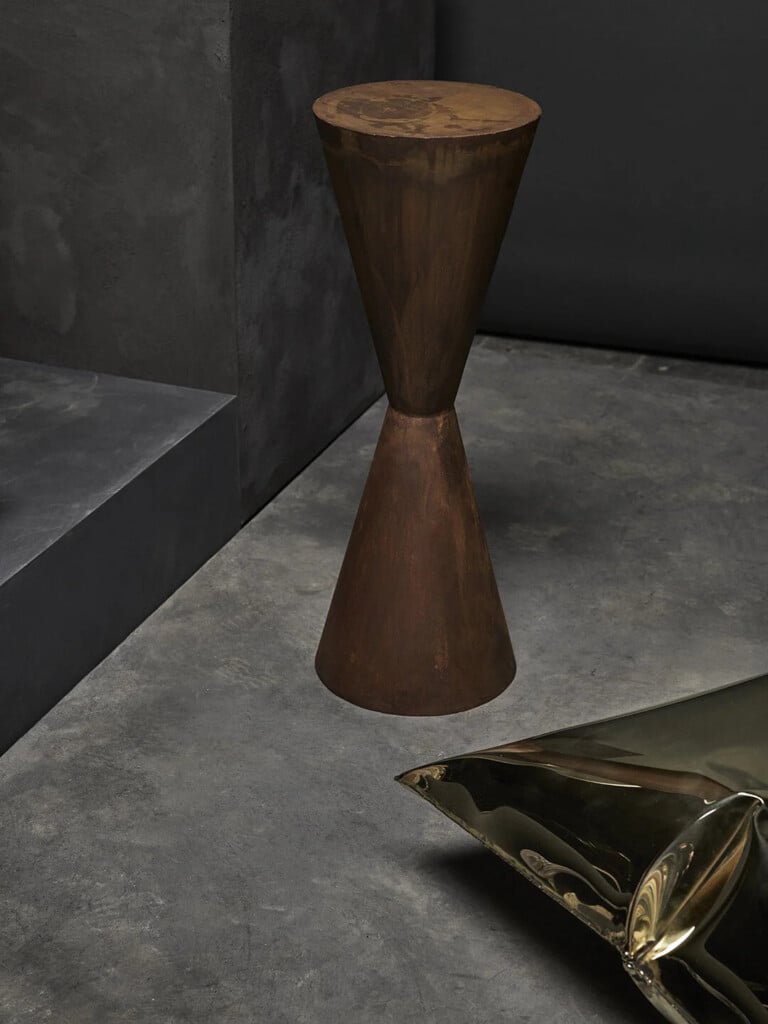
If time is one of the fundamental coordinates of Verbeke’s work, melancholy is perhaps its most recognizable emotional territory. With Embrace Melancholy, the designer starts from a seemingly simple question: what place can melancholy have in a society that keeps pushing us toward happiness?
The research stems from observing a contemporary world dominated by the idea of control, productivity and constant well-being, and from comparing it with eras in which emotions such as sadness or melancholy were considered natural parts of existence. Verbeke does not, however, try to turn melancholy into a new ideal. Rather, she tries to give it back a space.
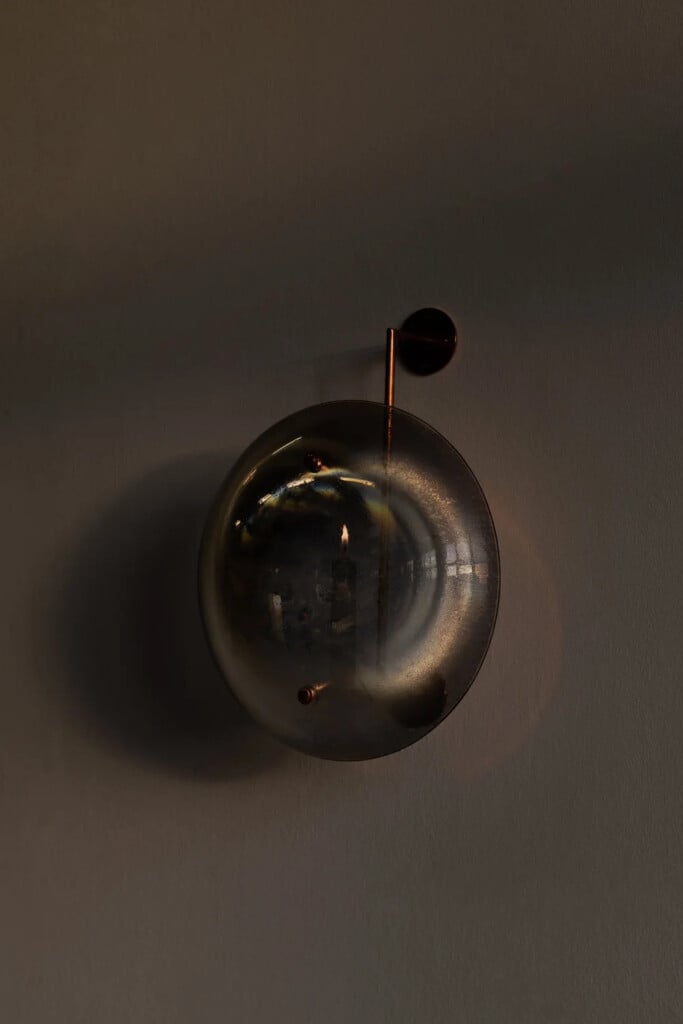
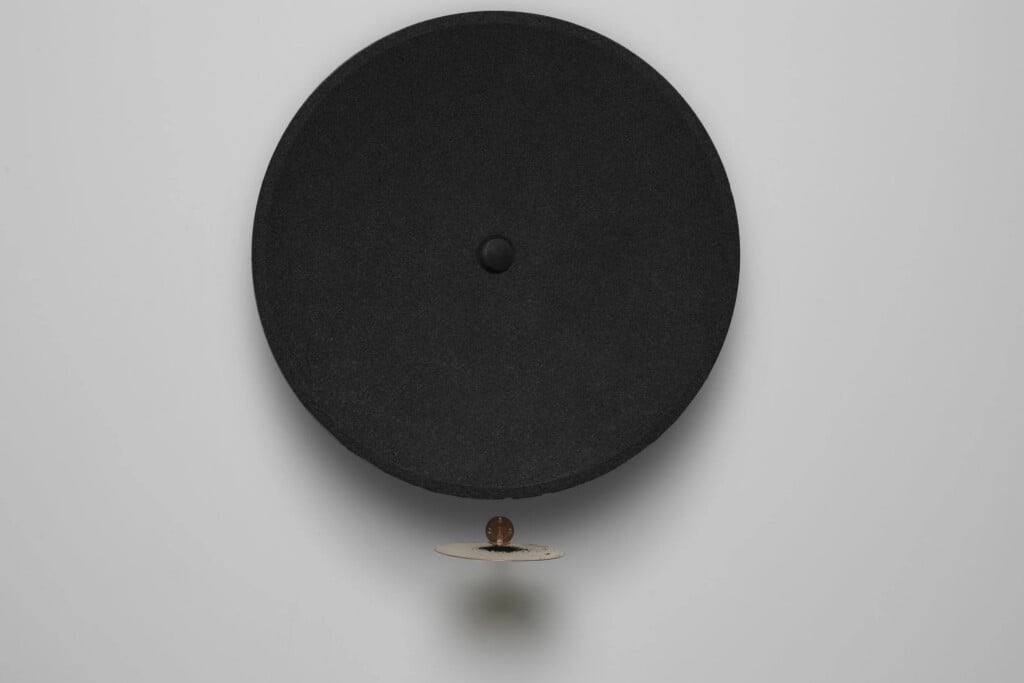
Objects thus become a kind of emotional instruments. A mirror can become a device for looking at oneself differently, an hourglass can turn waiting into a conscious experience, while a structure can offer a physical place in which to temporarily withdraw from the rhythm of daily life. It is an idea of design far removed from the obsession with performance: an object can be useful even when it produces nothing.
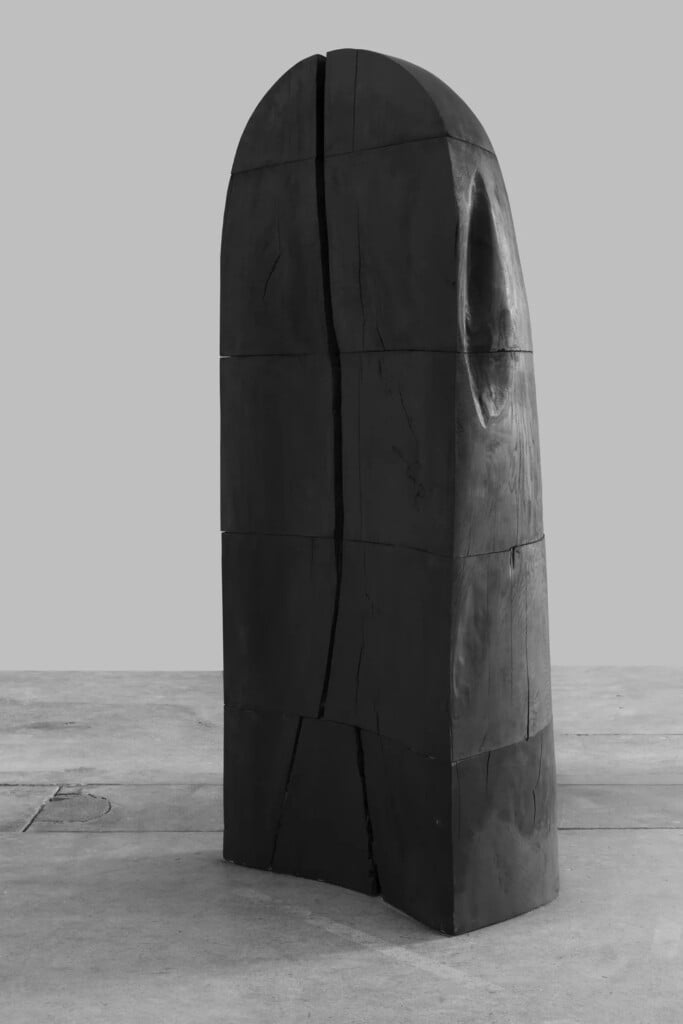
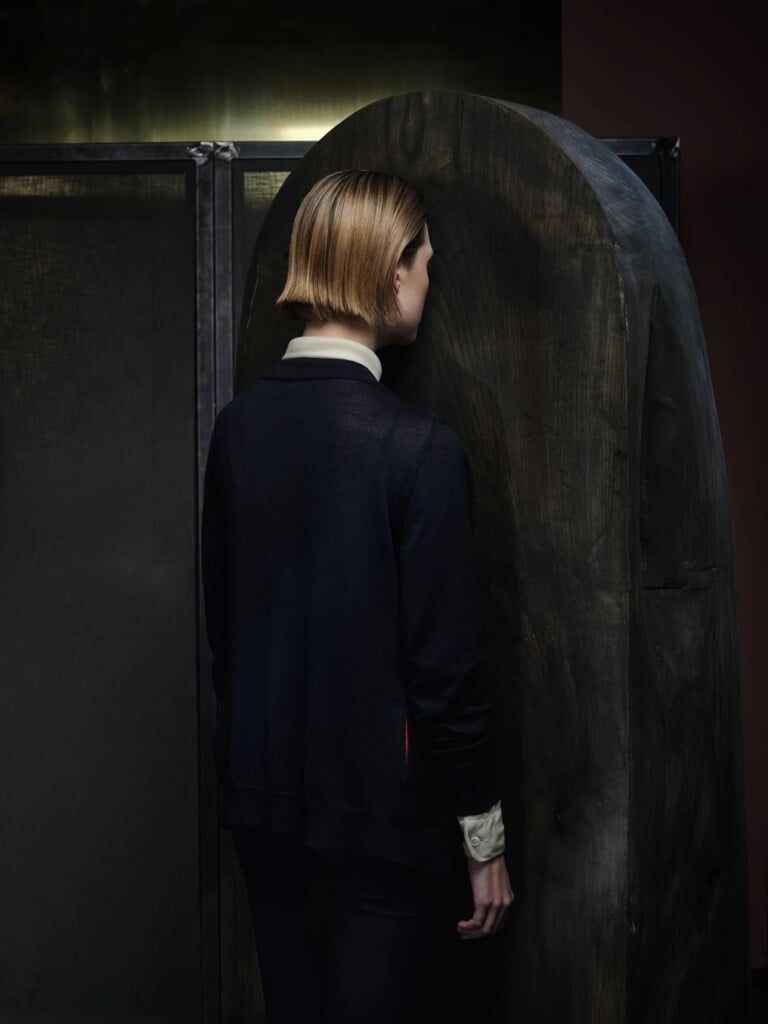
Nel Verbeke calls her creations proto-instruments: delicate tools designed to provoke gestures, behaviors and possible future rituals. This is perhaps where her work stands out most from a traditional conception of design. They don’t necessarily dictate how we should behave. Instead, they create the conditions for something to happen.
This approach was already evident in Props, the project developed during her studies at the Design Academy Eindhoven. For an unused recreational area within a prison complex in Veenhuizen, Verbeke designed a modular system of elements that could be chosen and rearranged by the users themselves. The aim was not to impose a definitive solution on the space, but to allow those who inhabited it to transform it and make it their own.
Space, then, is not something finished. It is a possibility. This way of designing is also tied to Verbeke’s background: before studying Concept Design at the Design Academy Eindhoven, she attended visual arts at the LUCA School of Arts in Ghent. Her path partly explains why, in her works, the distinction between object, sculpture, environment and ritual remains deliberately blurred.
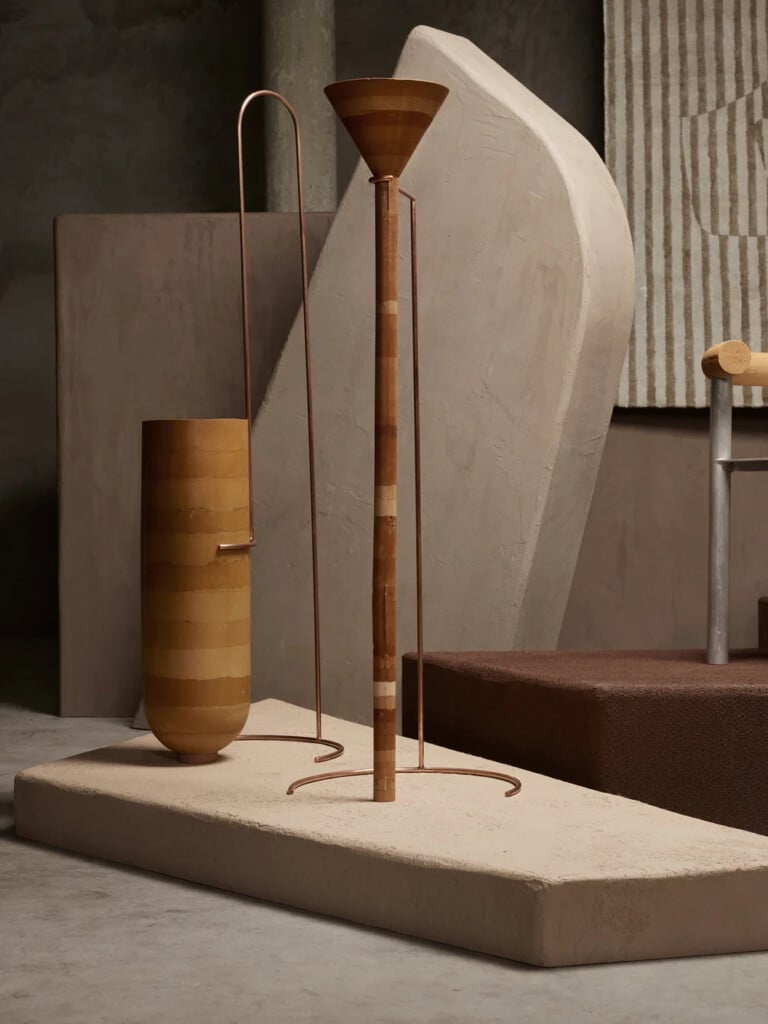
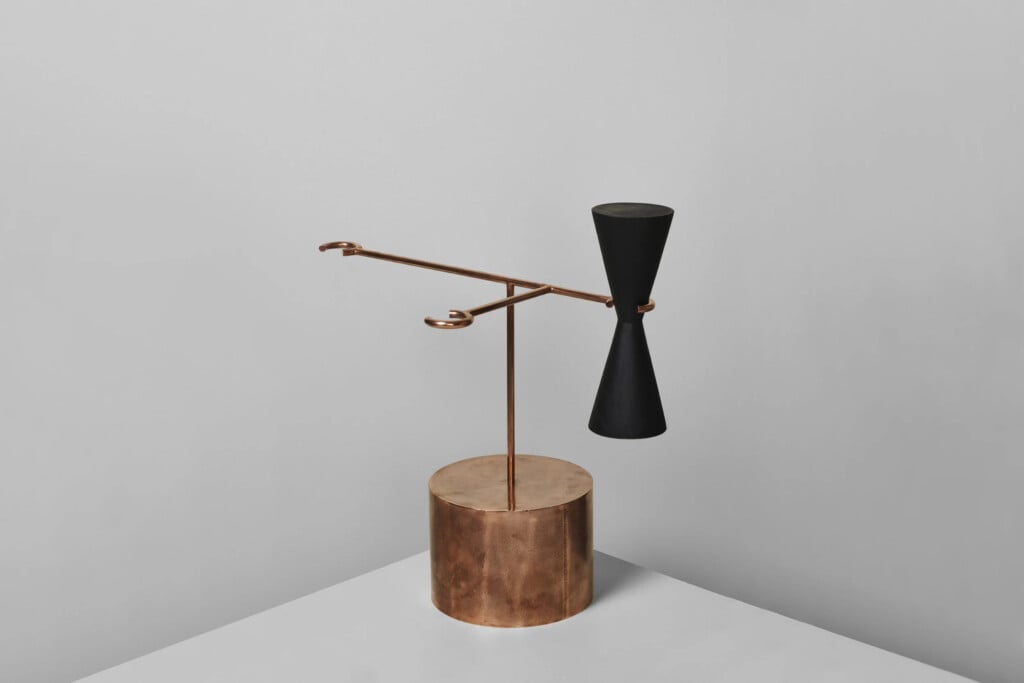
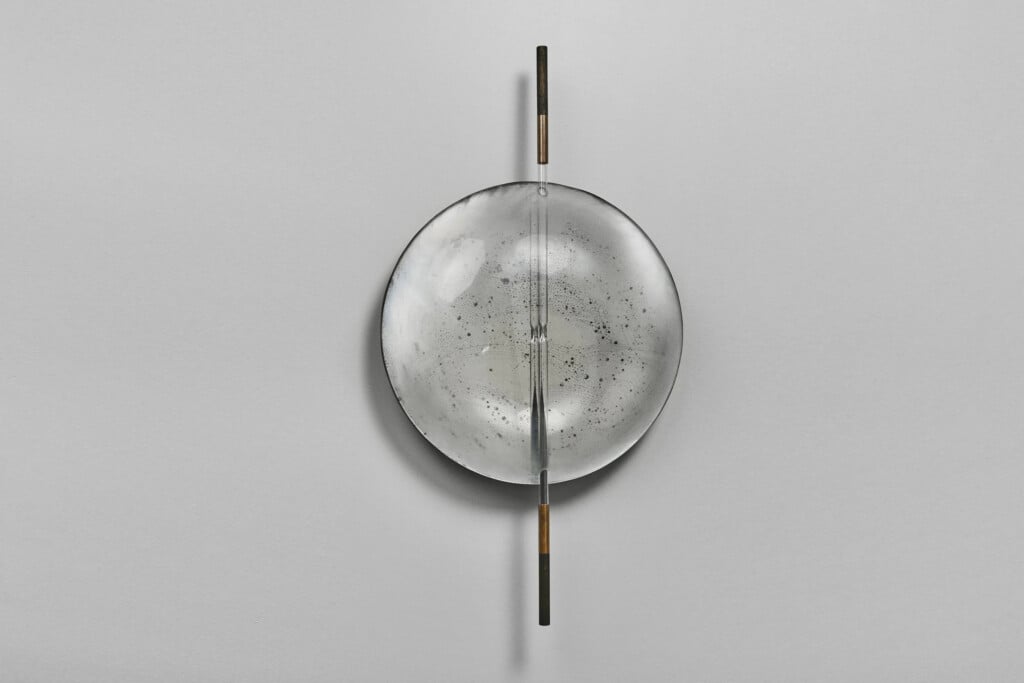
It is hardly surprising, then, that many of her creations seem to belong to an indefinite time. There are marked surfaces, aging materials, almost archaeological forms and objects that seem to come from a ritual whose meaning we have forgotten. It is precisely this ambiguity that makes them interesting: they don’t immediately explain what we should think or do.
In Nel Verbeke’s work, design thus stops being merely a response to the needs of everyday life and becomes a space for what we normally don’t consider productive: waiting, remembering, observing, feeling, being silent. In a present built around speed, perhaps her most radical gesture is exactly this: designing objects that don’t ask us to go anywhere.