That is how the New York Times described Marisol — born María Sol Escobar, in Paris in 1930, raised between Venezuela and New York — the day after her hugely successful solo show at the Sidney Janis Gallery in 1967. “Cunning as the devil and meaner than ever”: an ironic description that, paradoxically, hit the mark. Through August 23, 2026, the Kunsthaus in Zurich hosts the first European retrospective dedicated to the full arc of her career.

Photo: Brenda Bieger, Buffalo AKG Art Museum
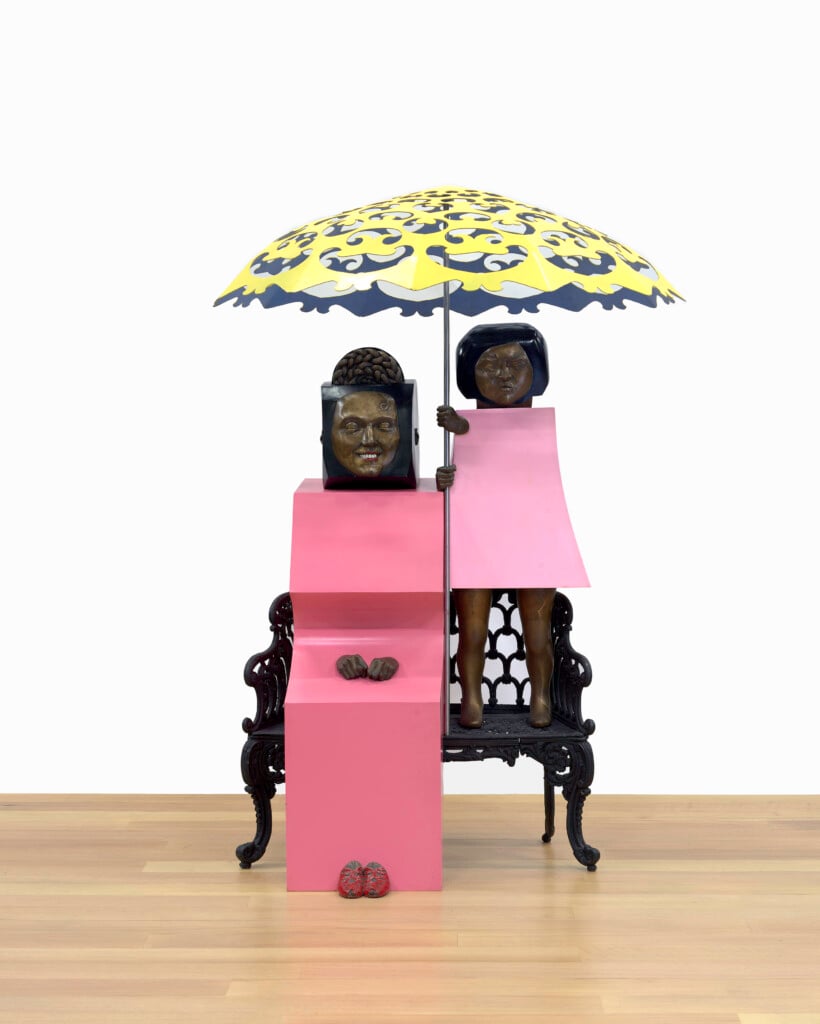
In the Sixties, while Pop art was redrawing the boundaries of contemporary art, Marisol moved along a parallel — and sharper — track. She assembled wooden blocks, symbols, and discarded materials from consumer society into sculptures that spoke plainly: the American dream was a trap. The smiling housewife with her teased hair, machismo polished to a mirror shine, the female body reduced to a piece of furniture — everything passed through the lens of her irreverent irony, transformed into raw material for a critique that was both fierce and joyful.

Photo: Brenda Bieger, Buffalo AKG Art Museum
Her work was not merely aesthetic. It was a systematic dismantling of pop culture, held firmly in the hands of a powerful male majority. Plastic, vinyl, glossy surfaces: the very materials of objectification, turned upside down and drained of meaning. It was no coincidence that, at the time, slender legs and full red lips appeared on billboards and in the most coveted home furnishings alike — the female body as the pivot point of furniture, advertising, and collective imagination. Marisol knew it, and used it against itself.

Photo: Brenda Bieger, Buffalo AKG Art Museum
Every sculpture remained handmade, unique, irreproducible. A deliberate choice, in open opposition to the logic of seriality and profit. As Carla Lonzi wrote, the female image through which man has interpreted woman was his own invention — and Marisol knew it all too well. Her work did not reject the language of Pop art; it dismantled it from within, piece by piece, with the same artisanal care with which she assembled her wooden blocks.
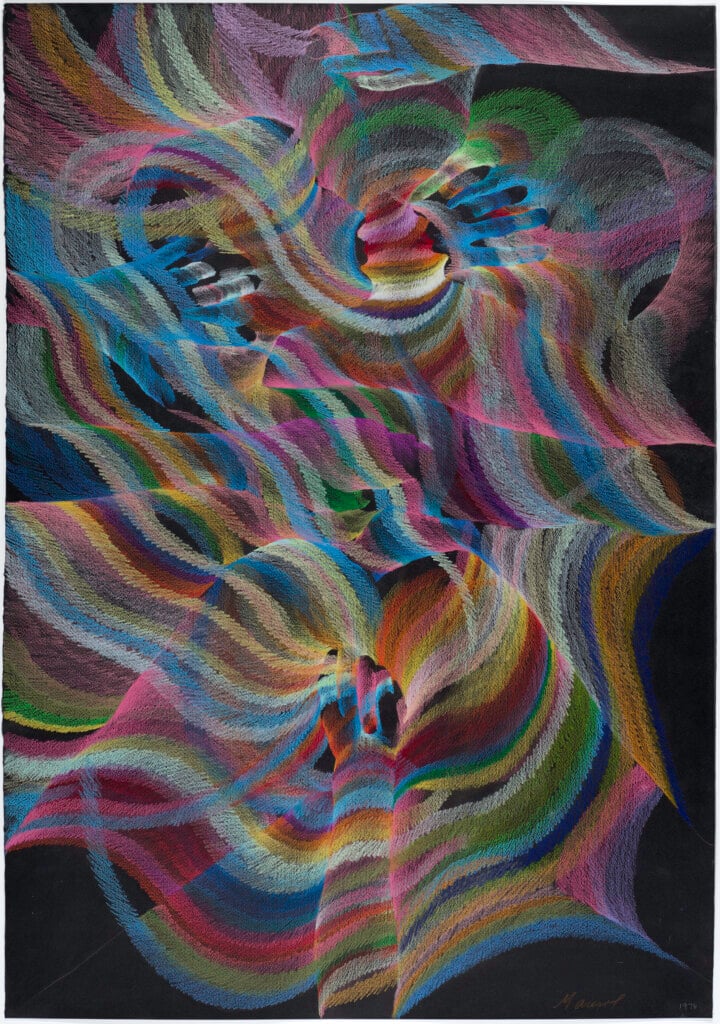
Photo: Brenda Bieger, Buffalo AKG Art Museum
Over the years, her gaze expanded beyond the boundaries of American consumerism, tracing the connections between land exploitation, unprotected labor, and the coercion of the female body. An art that never stopped questioning the present, whatever the present happened to be.
Through August 23, 2026, the Kunsthaus in Zurich hosts the first European retrospective dedicated to the full arc of her career.

Photo: Brenda Bieger, Buffalo AKG Art Museum
cover image: Marisol, Mi Mama y Yo, 1968 © Estate of Marisol / 2026, ProLitteris, Zurich
Read also: Oliver Laric and the Art of Multiplying Time
s