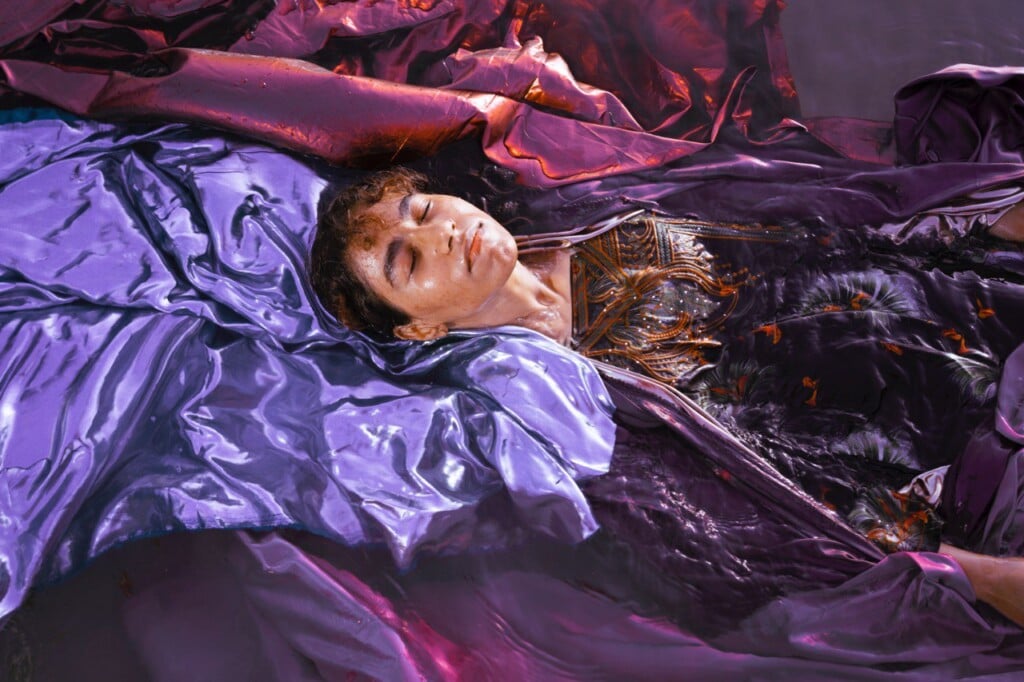
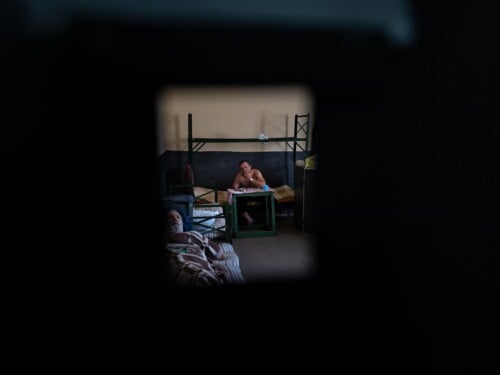
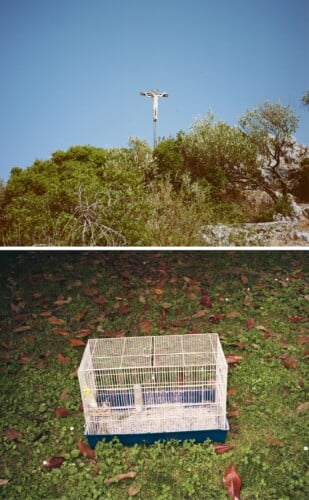
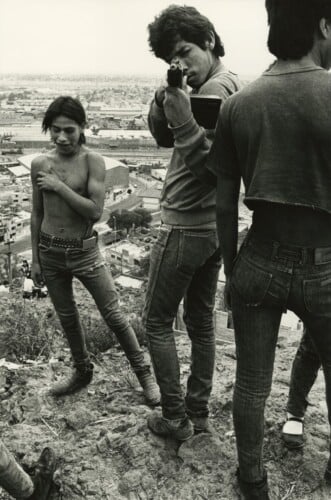
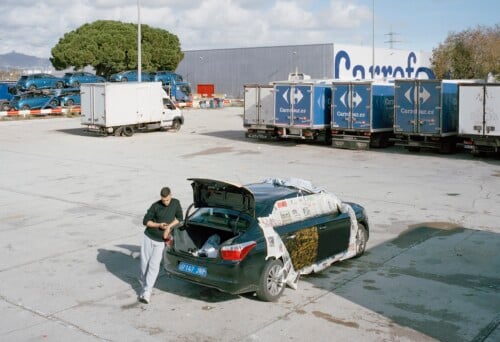
In the work of photographer Morteza Niknahad, the sea is never just a backdrop: it is a living entity that absorbs memories, myths, and intimate fractures. Raised in a coastal city in southern Iran, Niknahad transforms this daily coexistence with water into visual suggestions suspended between reality and imagination, between collective history and personal perceptions. His images seem to emerge from a place where the boundary between documentation and fable dissolves, revealing a universe that speaks of identity, pain, and belonging.
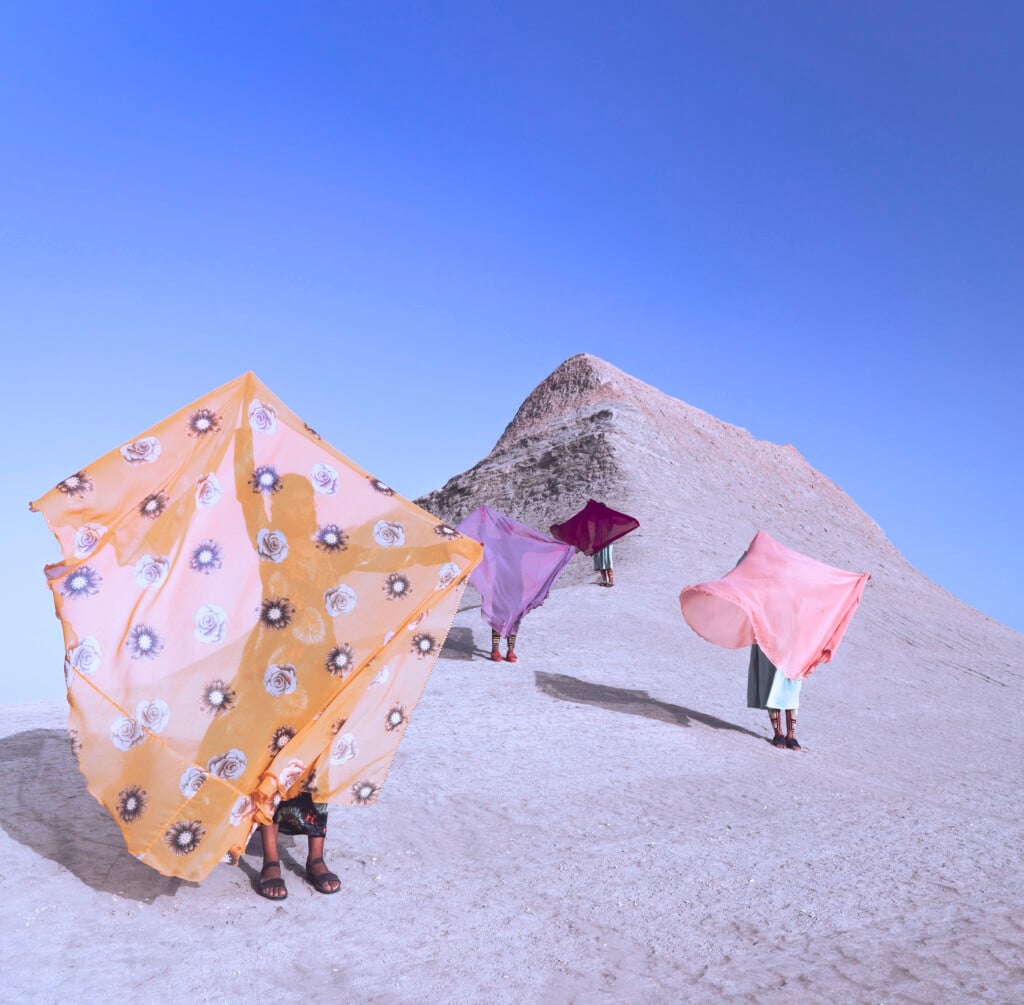
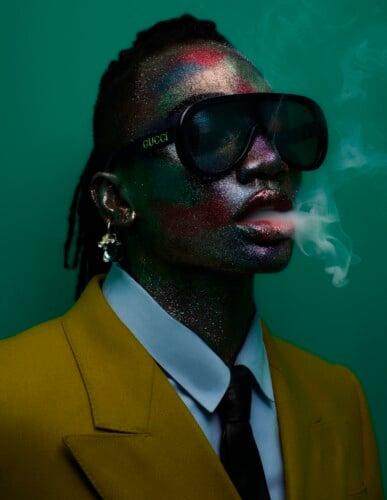
In recounting his mother’s depression, Niknahad draws on the mythical creatures of the Persian Gulf, allegories of what inhabits the depths of one’s inner world. He does not seek direct realism: he allows imagination to convey the emotional complexity of someone living a fragile relationship with their family history. The same happens when he addresses the heritage of Iranians of African descent: once again, it is the sea that guides the narrative, a liminal space where distant roots, migrations, and cultures intermingle. Water erases and rewrites borders, carrying to the shores of Iran stories often marked by discrimination and inequality.
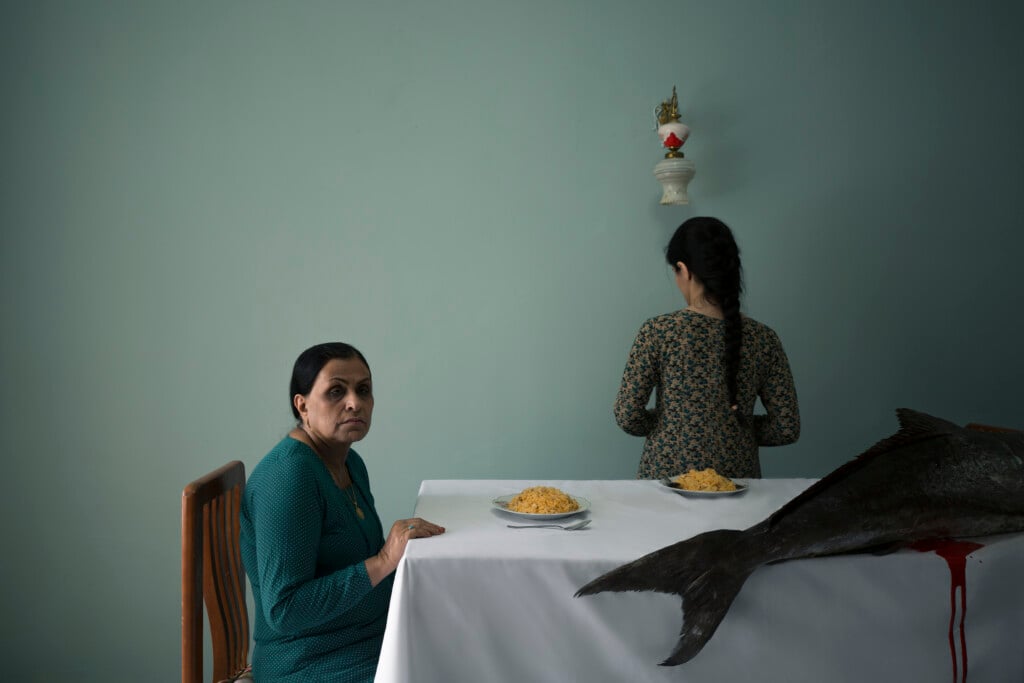
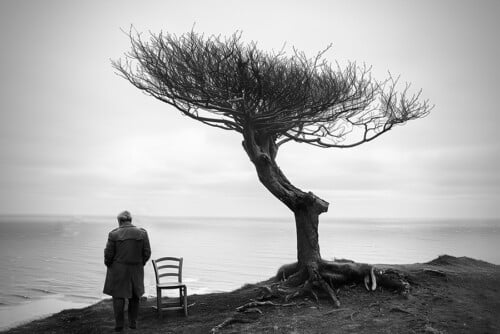
His gaze is an attempt to find himself “among the leaves of history.” His works speak of family and solitude, of belonging and displacement, of inner territories that expand and contract like the tide. There is no single truth: what matters is the ability to create a world consistent with one’s own sensibility, in which myth becomes a tool for understanding the land and one’s place within it.
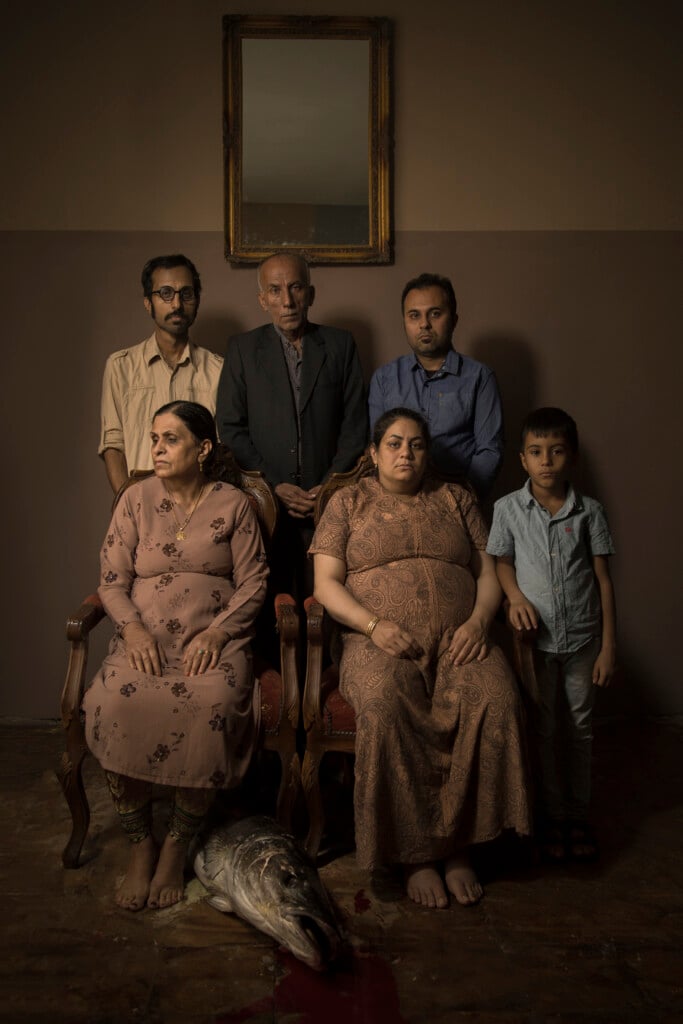
In this way, Niknahad constructs a photography that is both political and poetic: political because it investigates borders, discrimination, and diasporic histories; poetic because it does so through symbols, dreams, and apparitions. The result is a body of work that does not claim to explain, but evokes the authentic sensation of living in a land where everything is born from and returns to the sea, guardian of memories and possibilities.