Yesterday, January 23, the nominations for the 2025 Oscars were announced, set to take place on March 2. Among the many categories, this year the Best Production Design category caught our attention, showcasing a variety of styles and approaches that reflect the diversity of the stories being told. Let’s take a closer look at the set designs of the nominated films.
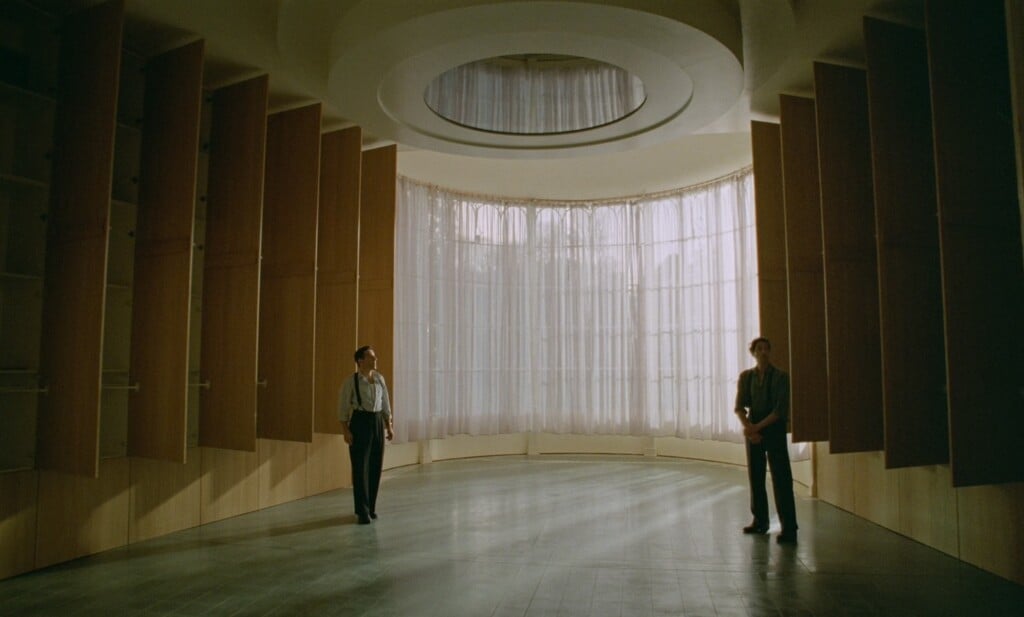
The Brutalist
Judy Becker (Production Design) and Patricia Cuccia (Set Decoration)
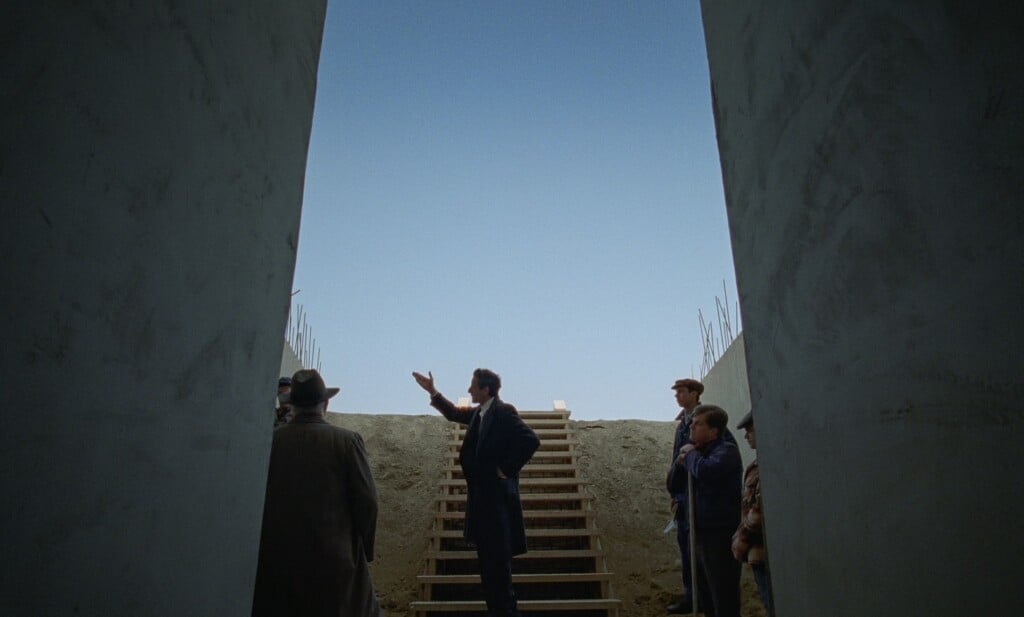
The production design of The Brutalist pays homage to modernist architecture, characterized by rigid lines, imposing geometries, and a predominant use of concrete. Judy Becker masterfully transformed this aesthetic into a narrative element, utilizing monumental and minimalist spaces to reflect the emotional isolation and alienation of the protagonists. Patricia Cuccia enriched these environments with essential furnishings and details that evoke a specific era without distracting from the story. The result is a visually austere yet profoundly evocative world.

Wicked
Nathan Crowley (Production Design) and Lee Sandales (Set Decoration)
The film adaptation of the renowned musical Wicked is a triumph of color and imagination. Nathan Crowley created an enchanted world that balances magic with tangibility: the settings of Oz are spectacular yet believable, with meticulous attention to architectural details that evoke a mix of Art Nouveau and Gothic styles. Lee Sandales completed the vision with decor that reflects the duality of the main characters, blending vibrant tones and opulent designs for Glinda with a darker, minimalist style for Elphaba. The set design is not just a backdrop but a character in its own right.


Conclave
Suzie Davies (Production Design) and Cynthia Sleiter (Set Decoration)
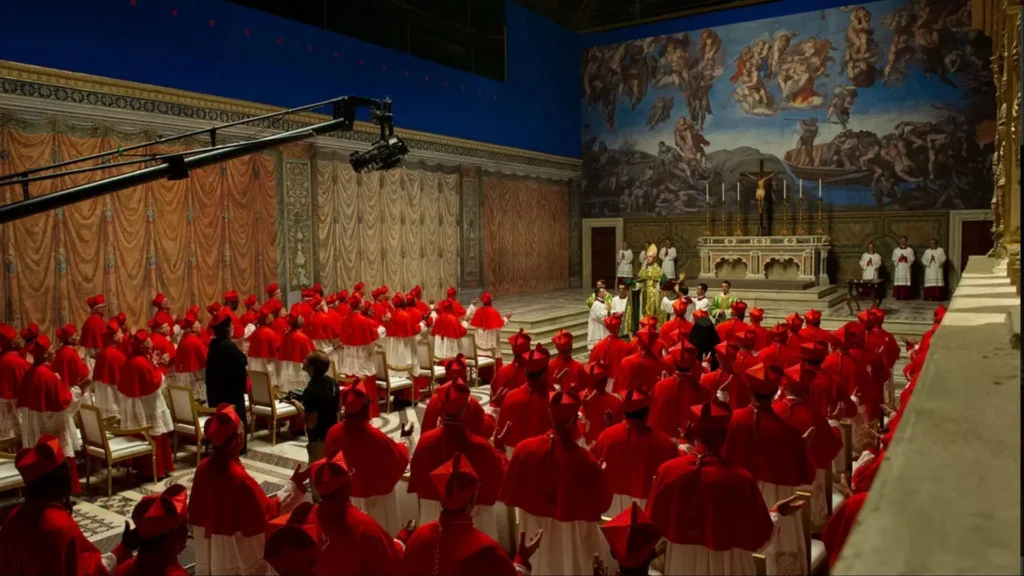
Set in the heart of the Vatican, Conclave sees Suzie Davies masterfully recreate the solemn and mysterious aura of ecclesiastical spaces. The production design combines faithful reproductions of iconic settings, such as the Sistine Chapel, with imagined environments that heighten the dramatic tension. Cynthia Sleiter enriched these spaces with precise details: rich carpets, massive wooden furniture, and liturgical objects that evoke tradition and sanctity. Each setting is imbued with symbolism, making the production design an essential storytelling element.


Nosferatu
Craig Lathrop (Production Design) and Beatrice Brentnerová (Set Decoration)
Craig Lathrop and Beatrice Brentnerová revived the gothic and decadent aesthetic for this new adaptation of Nosferatu. The production design stands out for its masterful use of dark spaces, crumbling castles, and fog-shrouded villages, creating a timeless and haunting atmosphere. The interiors, designed by Brentnerová, feature antique furniture, flickering candles, and decadent details that amplify the sense of oppression and mystery. This artistic vision immerses viewers in a world of terror and beauty.


Dune – Part Two
Patrice Vermette (Production Design) and Shane Vieau (Set Decoration)
In Dune: Part Two, Patrice Vermette continues the extraordinary work begun in the first installment, expanding the world of Arrakis and its civilizations. The sets range from endless deserts to imposing, futuristic cities, with a meticulous attention to detail that makes every element believable. Shane Vieau integrated these environments with decor that blends advanced technology and references to ancient cultures, creating a unique and cohesive aesthetic. Every visual element contributes to making the universe of Dune epic and immersive.