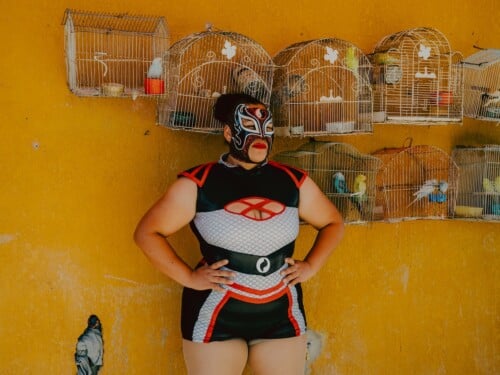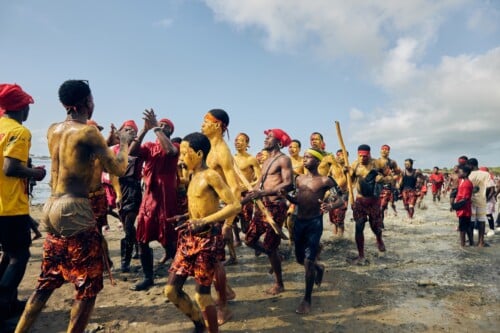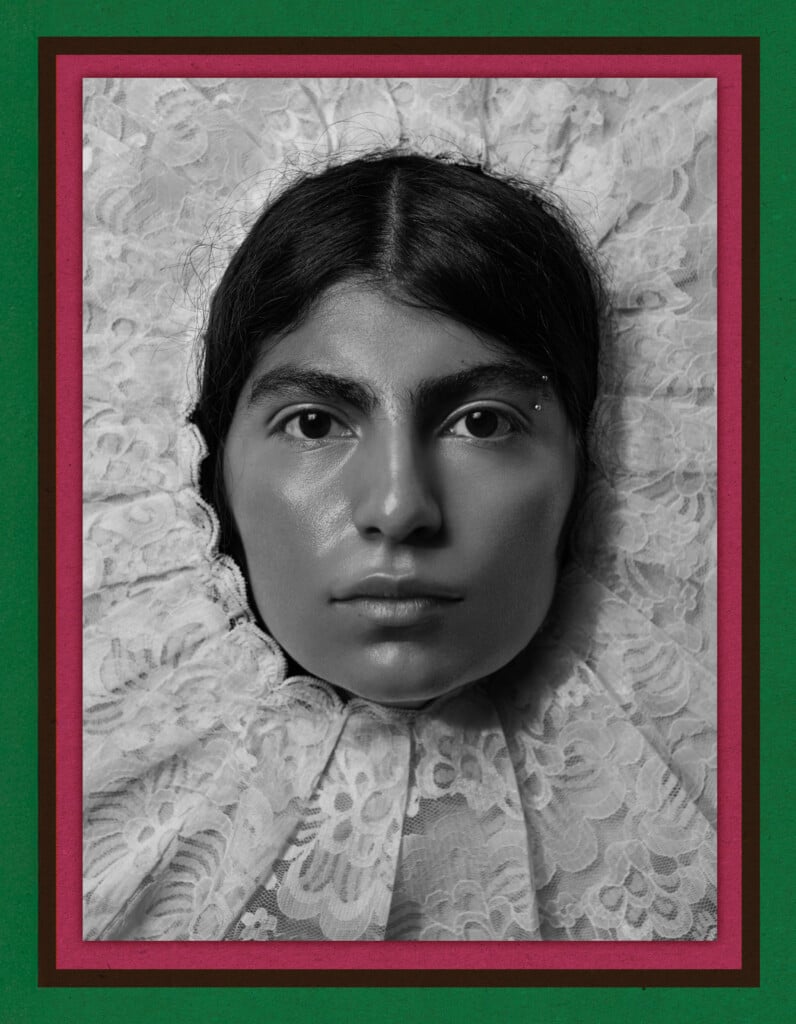
On the occasion of the release of Birds of Mexico City, a photographic project built over time around identity and representation and published by DAMIANI Books, we spoke with photographer Pieter Henket about his approach to portraiture and the constant tension between control and openness to the other.
At the heart of his work lies a question that is only apparently simple: how much of a portrait truly belongs to the photographer? «For me, a portrait only works if it truly belongs to the person in front of the camera. Of course, I come in with a strong visual language — the lighting, the composition, the way I build an image. That’s my craft, and I take it very seriously. But that is only the starting point. The real image happens in the space between me and the person I am photographing».
In Birds of Mexico City, this shared dimension becomes central: «Collaboration was essential. I worked with an incredible all-Mexican queer team, and every person who stepped in front of the camera brought their own story, their own identity, and often ideas about how they wanted to be seen». It is a process made of listening and attention, where even the smallest detail can change everything: «I don’t think in terms of percentages. The image is something we arrive at together. My role is to create a space where someone can step into their full presence and be seen with dignity».
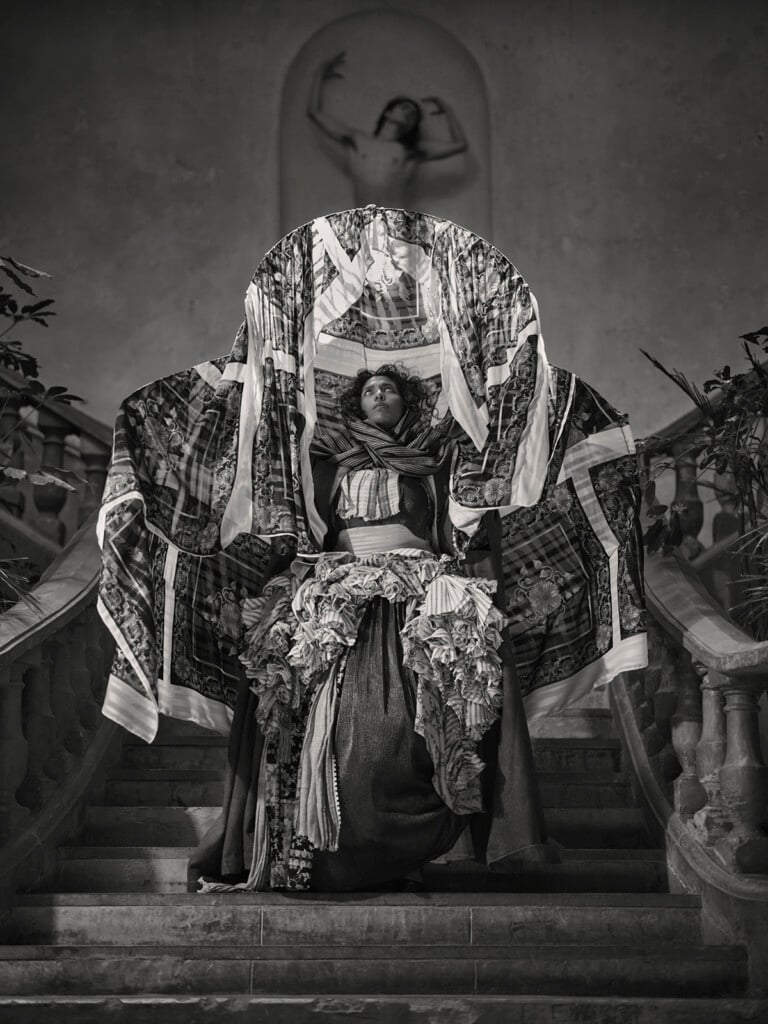
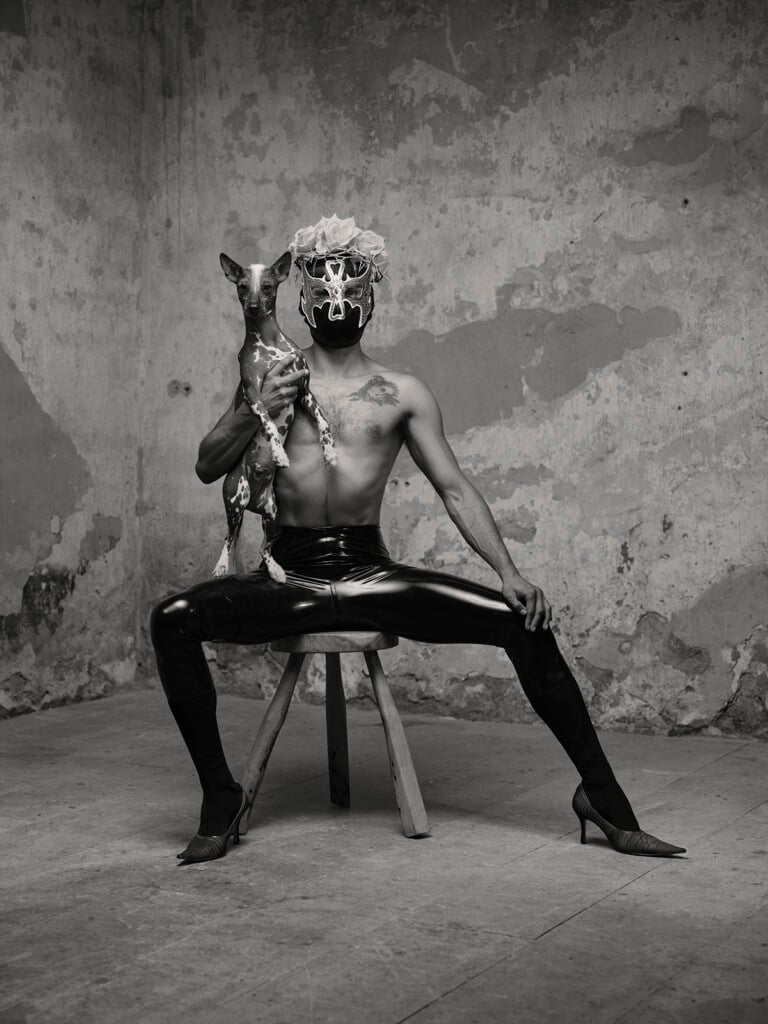
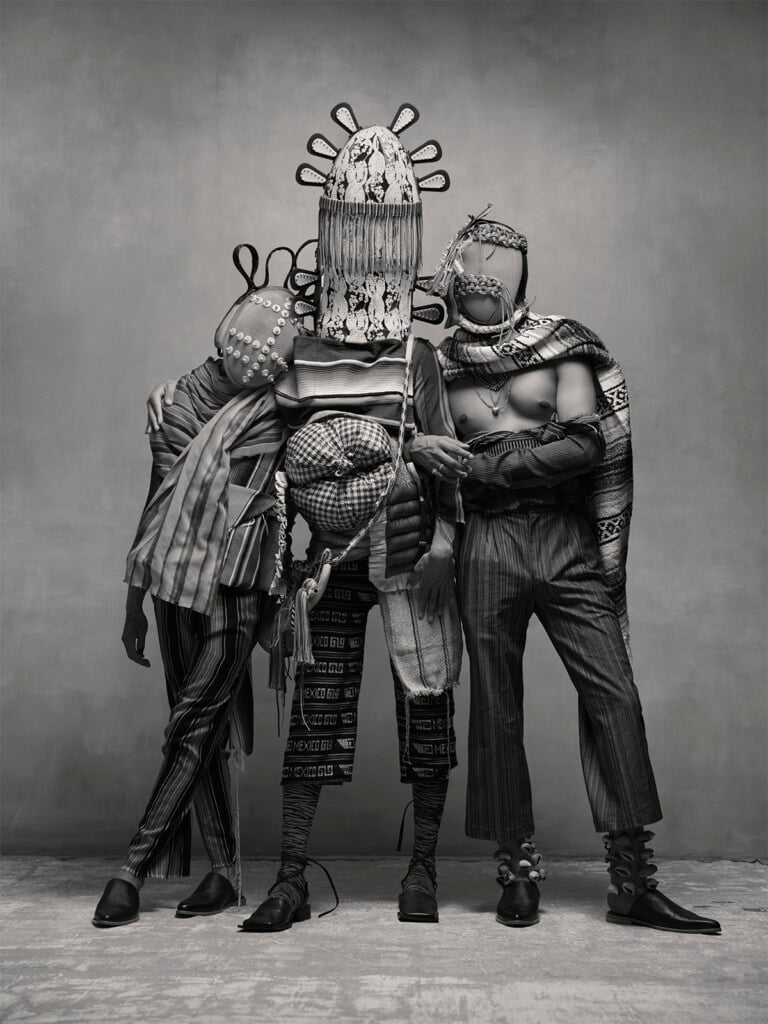
The project moves between symbolism, costume, and performance, but without ever losing its connection to reality. «I don’t think it ever stops being a portrait. Even with costumes or symbols, I am always photographing the person. Everything else is there to express something real, not to hide them or turn them into a character».

Every image is born from dialogue: «Everything starts from real conversations. Not only with the person in front of the camera, but also with the local creatives who worked on the costumes. They brought their stories, their references, their culture. It becomes a shared language». And that is exactly where the constructed image gains meaning: «It becomes something else only when that connection is lost. When it is only about an idea, or only about making a beautiful image. What I am always looking for is presence — that feeling that someone is really there, looking back at you».
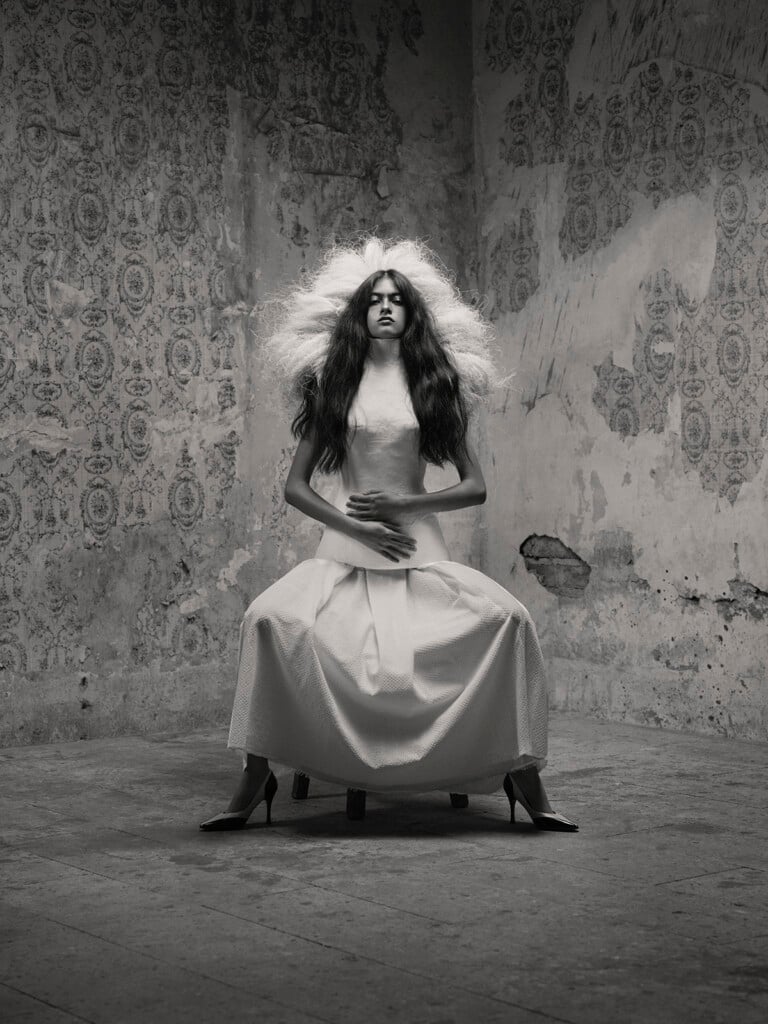
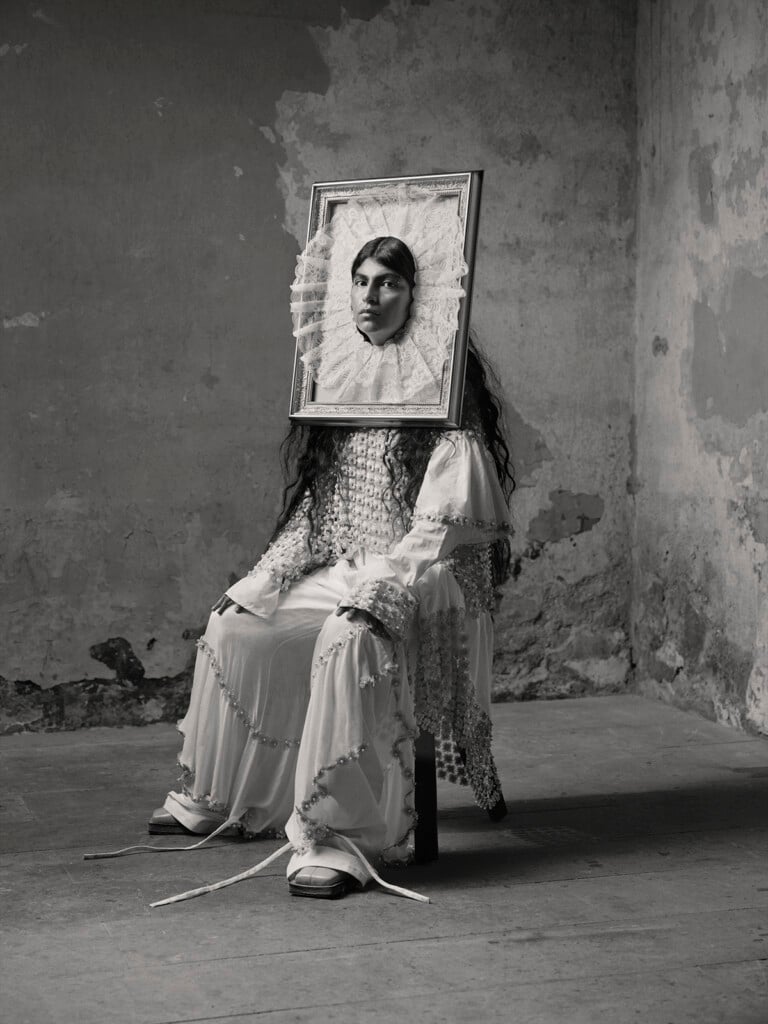
Visually, Henket’s work recalls Dutch painting, while meeting profoundly contemporary subjects. «I don’t think of it as a balance. It is something that naturally exists together. I come from a tradition in which light is fundamental — it gives structure, calm, a sense of suspended time. But the people I photograph belong completely to the present».

This contrast is exactly what interests him: «I use an almost classical light and place within it people who represent something new. This stillness gives them weight, almost like in old paintings, where figures were treated as saints or important people. Not in a religious sense, but in the way they are seen. This creates tension, but also dignity. It slows the image down and forces you to really look».

The path that led him to this kind of practice also passes through highly visible moments, such as his famous portrait of Lady Gaga. «That work was important, it gave me visibility and opened many doors. It led me all the way to the Metropolitan Museum of Art in New York, and gave me the space to focus on more personal projects».
The turning point came with longer, more immersive works: «At a certain point, I was invited to work on a long-term project, Congo Tales. That was where I began to slow down. To spend more time with people, with stories, and to go beyond the single image».
It is a direction he now feels is necessary: «I believe it is an artist’s responsibility to use their talent to give visibility to those who deserve to be seen, or whose stories deserve to be told. I remain open to more immediate projects too, like the one with Lady Gaga, but they have to make sense. I am very grateful to that image, because it allowed me to get here».
Copyright Pieter Henket | Courtesy of and published by DAMIANI Books.