The 17th Mostra Internazionale di Architettura officially opened its doors to the public on Saturday 22 May. Organised by the Venice Biennale and curated by Hashim Sarkis, this year’s exhibition is entitled How will we live together? and invites participating architects to imagine spaces in which we can live our future together. As always, visitors will find themselves following a route through the pavilions of the different countries where, in addition to the architectural projects, they will find works and installations that address the theme of this edition.
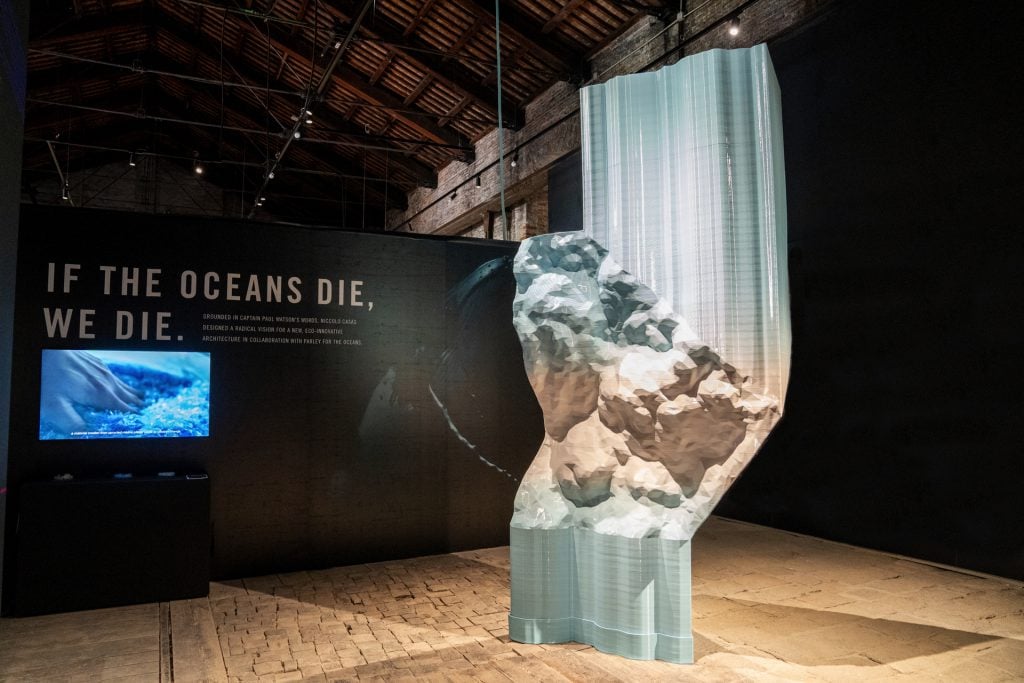
A special mention goes to Plasticity, the installation by Italian architect Niccolo Casas created in collaboration with Parley for the Oceans, Nagami studio and the Italian Pavilion.
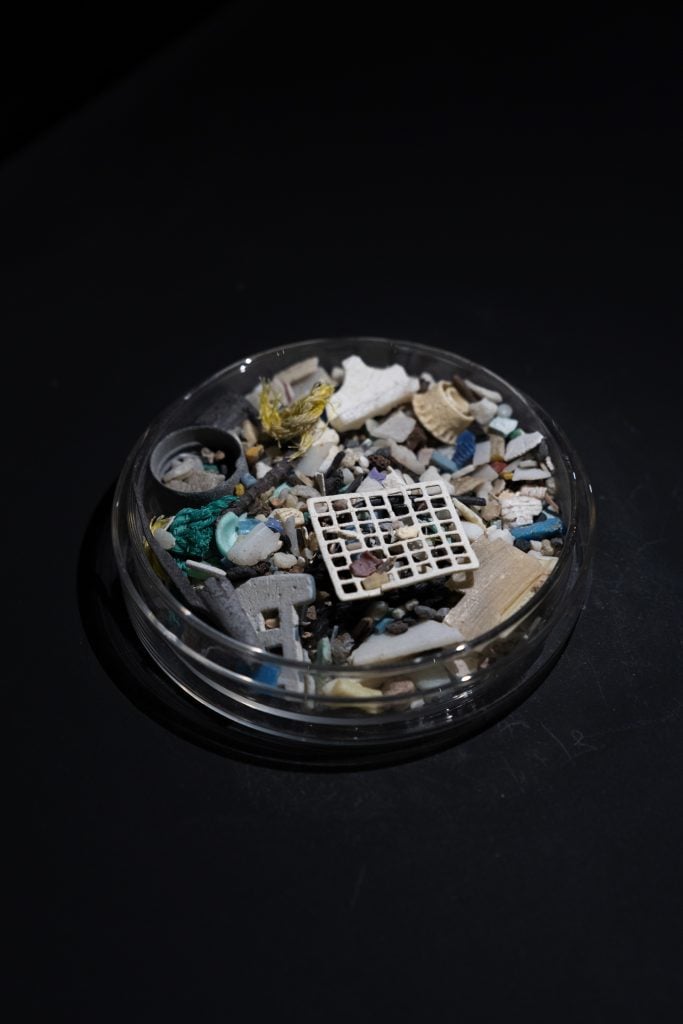
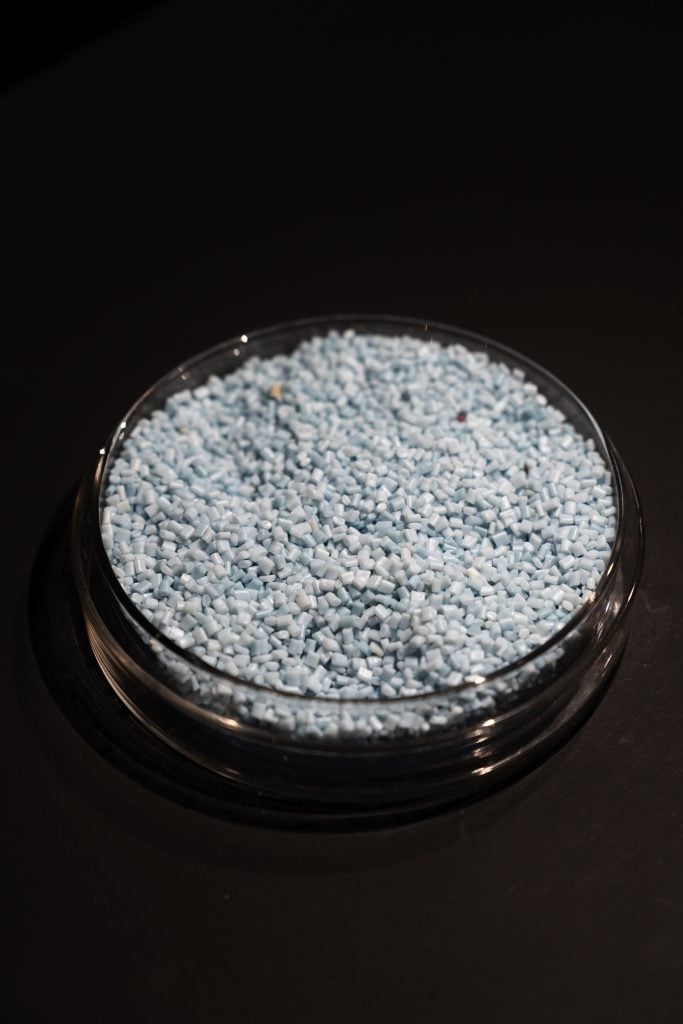
Plasticity, named after the combination of ‘plastic’ and ‘sustainability’, is a 3.6 metre high 3D printed sculpture that shows both how plastic waste recovered from oceans and beaches could be reused and the potential of this new technology.

According to Niccolo Casas, architecture needs to reinvent itself to have a healthy impact on the future and offer viable alternatives, and the technique used to create his installation may be one of them.
“Architecture, both in academia and in the profession, must strategically get in touch with the knowledge of boundaries that has so far been underestimated or even ignored.” – Niccolo Casas

As already mentioned, Plasticity is the result of a collective effort: Niccolo Casas designed this ethereal sculpture which was then concretely realised thanks to the collaboration between Parley for the Oceans, an organisation whose volunteers are active in 28 countries and which works to promote solutions to plastic pollution in the seas, climate change and intensive fishing, and Nagami studio, which has always aimed at redefining the concept of design, production and consumption through the use of 3D printing.
“Together with Parley for the Oceans and Nagami, we are engaged in a joint effort with the aim of showing a vision of how architecture can be designed and built in the future, but in particular, how architecture can become an instigator and activator of the circular economy. Plasticity is a pioneering architectural example of what can be done with plastic intercepted from ocean cleaning activities.” – Niccolo Casas


Photo: Tommaso Biondo