There was a time when rollerblading ruled the sidewalks, skateparks, and urban spots around the world. An era when the aesthetics of aggressive skating quietly seeped into the fabric of street culture, leaving a visual imprint that is now powerfully resurfacing in the collections of brands most attuned to both the past – and the future.
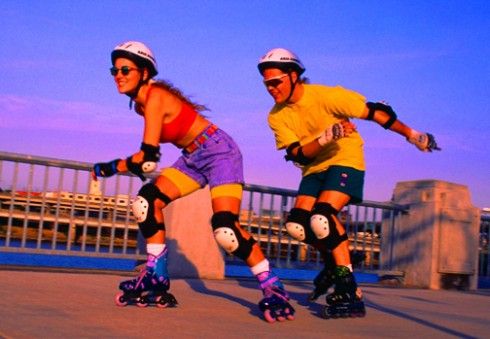
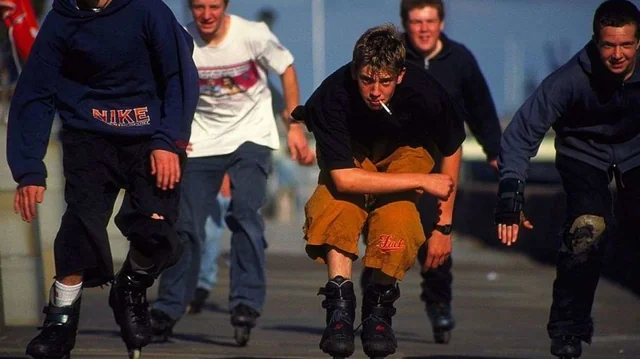
In the ‘90s and 2000s, rollerblading wasn’t just a sport: it was a visual and musical subculture. Oversized silhouettes, baggy pants with frayed hems, mesh tank tops, and fluorescent colors were the dress code of a generation on the move, navigating urban spots and late-night raves. It was an aesthetic that spoke of freedom, technique, and urban adaptation — perfectly in sync with the values driving today’s streetwear, closely linked to the world of skateboarding as well.
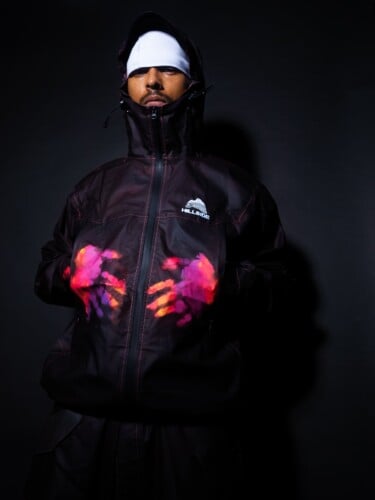
Today, that visual language is returning in the collections of brands like Palace, Supreme, Carhartt WIP, Aries, and Slam Jam, influenced by the Y2K revival and European rave culture. The looks are layered, functional, designed to move across a wide range of urban environments. Technical fabrics blend with distressed denim, nylon takes on loose and genderless forms, while the color palette nods to faded VHS tapes and flyer graphics.
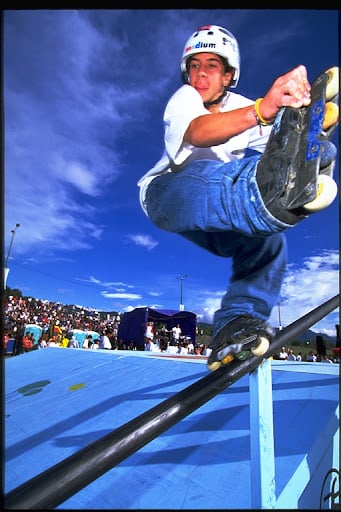
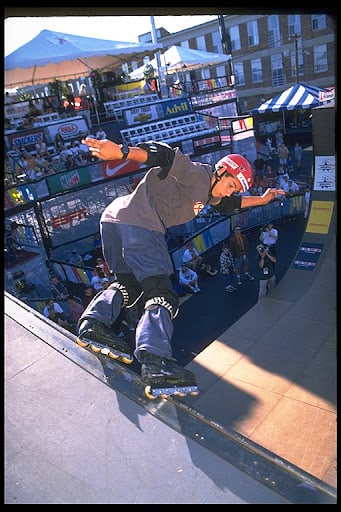
Figures like Yuto Goto perfectly embody this fusion of style and sport. A Japanese skater with hypnotic technique and impeccable style, Goto has in recent years become a true underground icon, capable of bringing rollerblading into editorial shoots and videos that resemble fashion films. His way of dressing reflects the natural evolution of roller aesthetics: less flashy, yet always authentic, functional, and urban.
After all, rollerblading was one of the first urban sports to treat performance as style — and vice versa. Its looks were designed to withstand falls, slides, and impossible tricks — just like today’s technical streetwear, which blends outdoor gear with citywear, performance with aesthetics. It’s no coincidence that some capsule collections today look like they came straight out of a Brian Aragon video from 2002.
Rollerblading never really disappeared. It stayed in the details, the silhouettes, the drive to rewrite the aesthetic codes of the city.
Also read: The Hero Battle Cup becomes an urban workshop thanks to IED