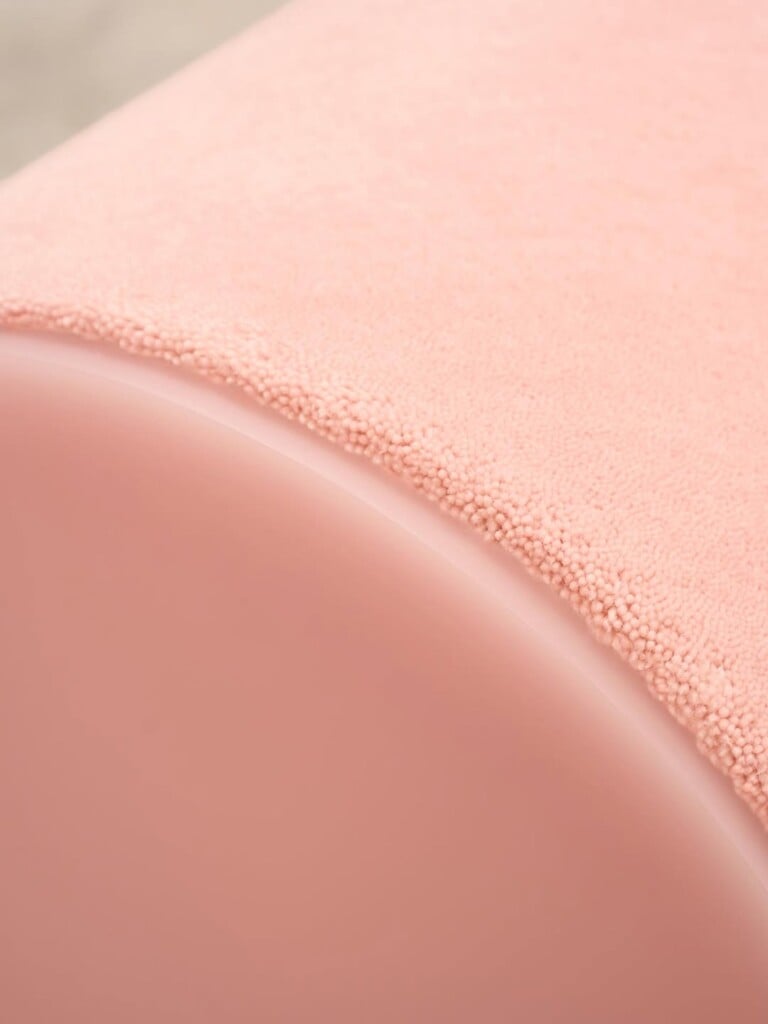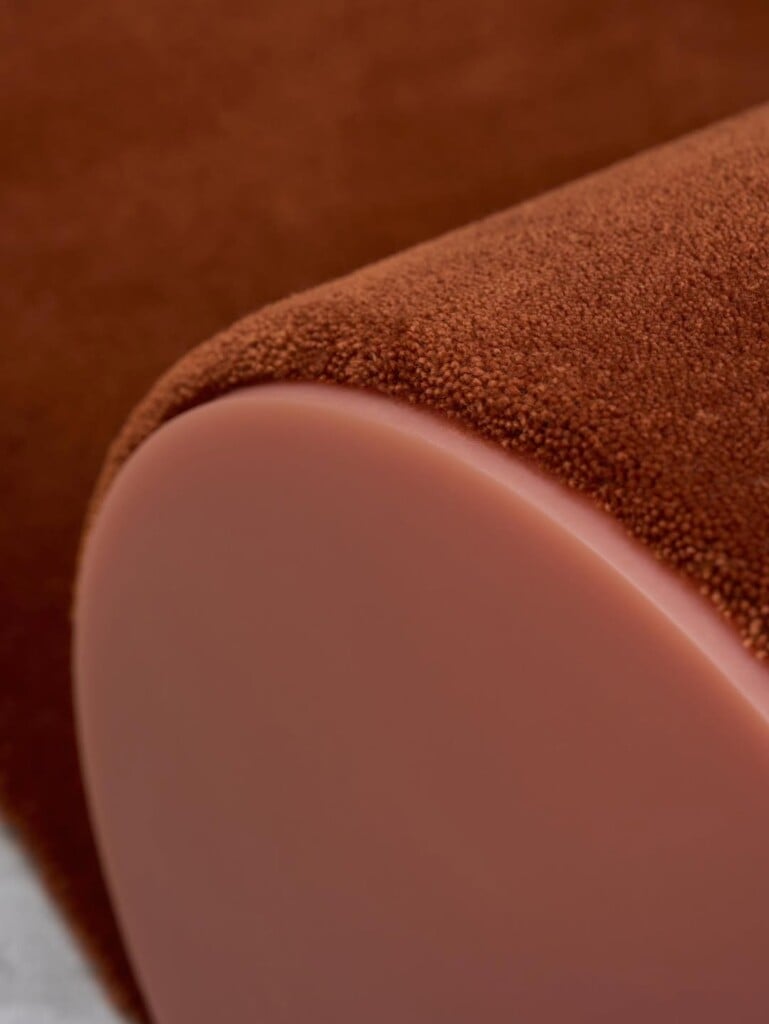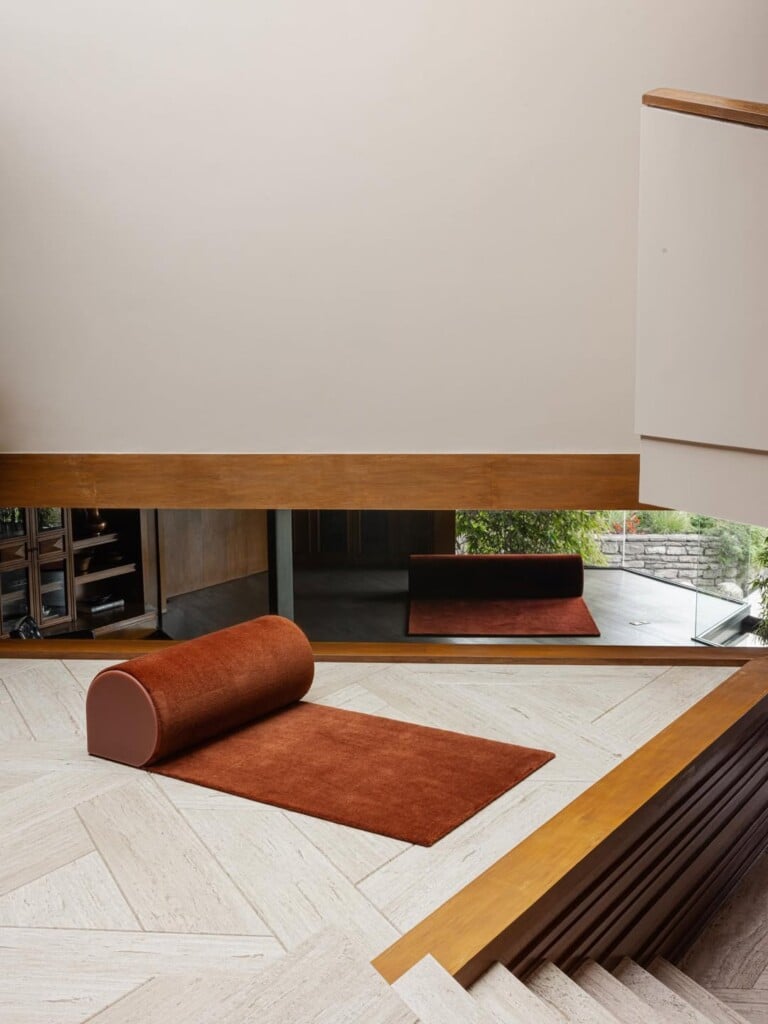
With Roll, designer Sabine Marcelis continues her exploration of materiality by transforming a traditional domestic element into a hybrid object, suspended somewhere between rug, sculpture, and seating. Created for cc-tapis, the project stems from a simple, everyday gesture—that of unrolling a rug—and turns it into a three-dimensional presence capable of redefining space.
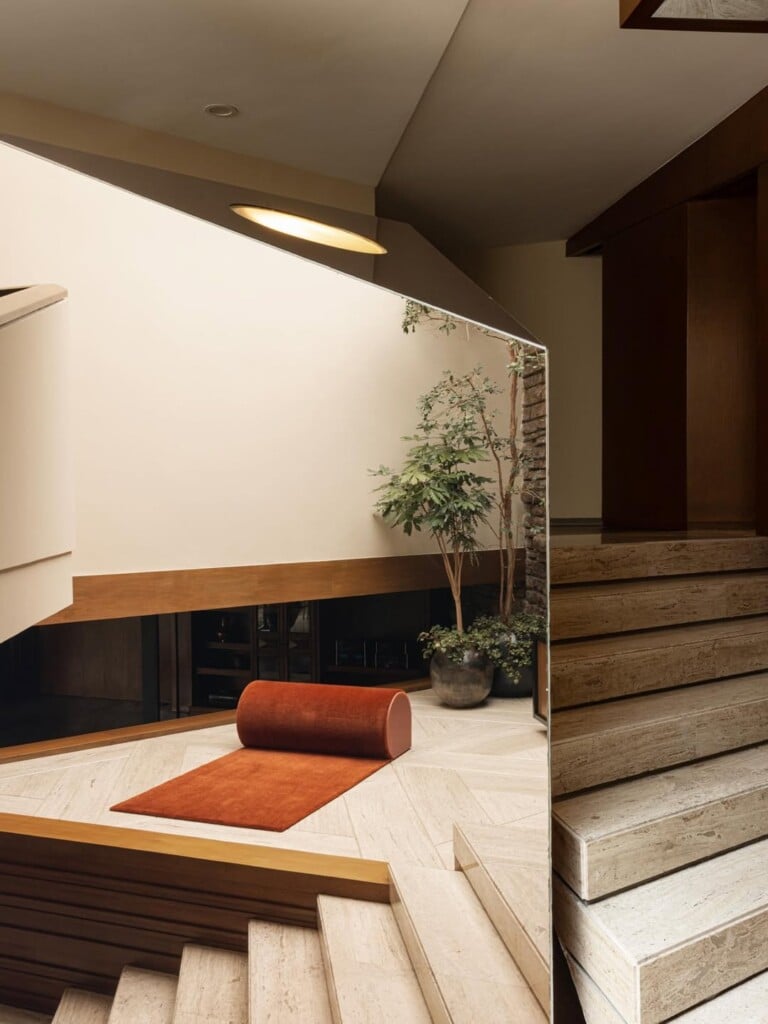
With a structural arm made of wood and resin, Roll introduces a subtle design irony: what would normally remain on the floor rises up, folds, and becomes something to lean on or sit on. Hand-knotted according to cc-tapis’ artisanal tradition, the rug retains its textile nature while taking on a new function, unfolding in a way that supports the body and transforms into an informal lounge element. The result is an object that moves between surface and furniture, softness and structure.
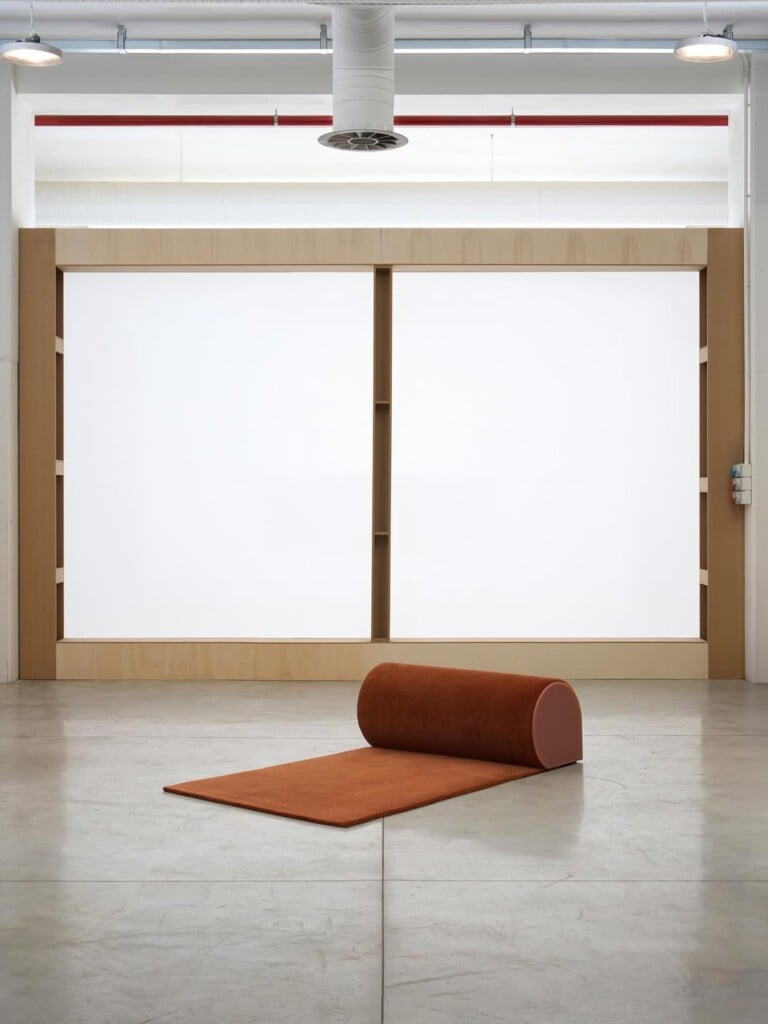
Material contrast is central to the project. Wool, warm and tactile, meets resin—one of the most recurring materials in Marcelis’ practice—creating a dialogue between soft and rigid, opaque and translucent. This tension between opposites becomes the core of the collection, where the sculptural dimension emerges without giving up domestic functionality.
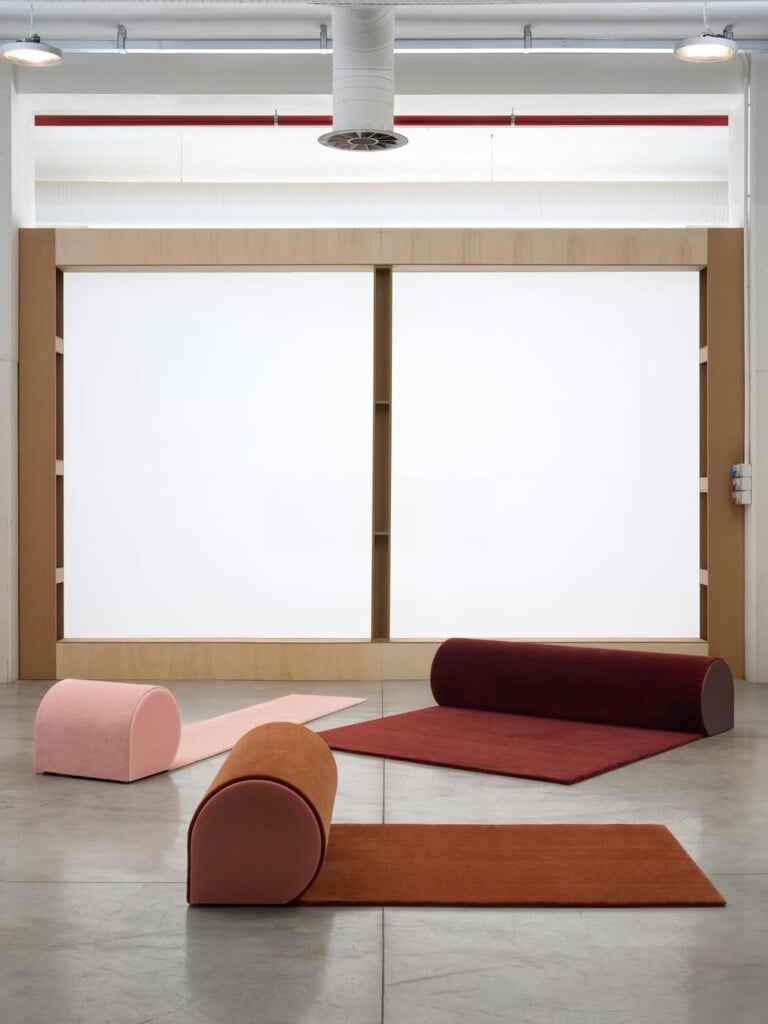
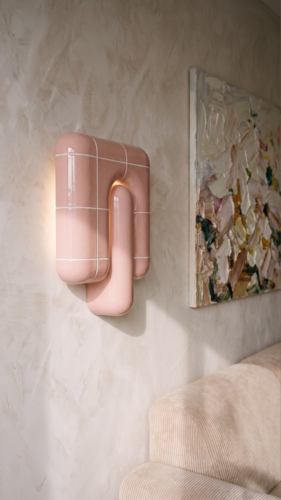
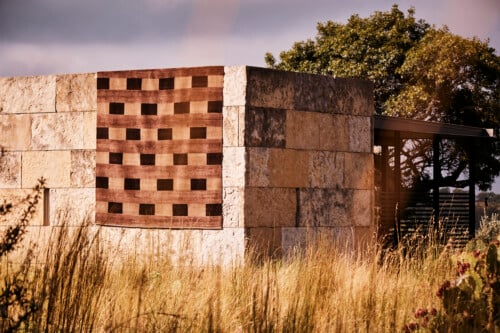
Presented as a limited series during Mexico Art Week 2026, Roll was installed in the Valner Residence, a 1970s modernist architecture designed by Agustín Hernández, where rugs became true spatial protagonists, somewhere between furniture and installation. In this context, the soft, folded forms engaged in dialogue with the brutalist architecture, emphasizing Marcelis’ intention to transform the rug into an active element capable of shaping the environment beyond its decorative function.
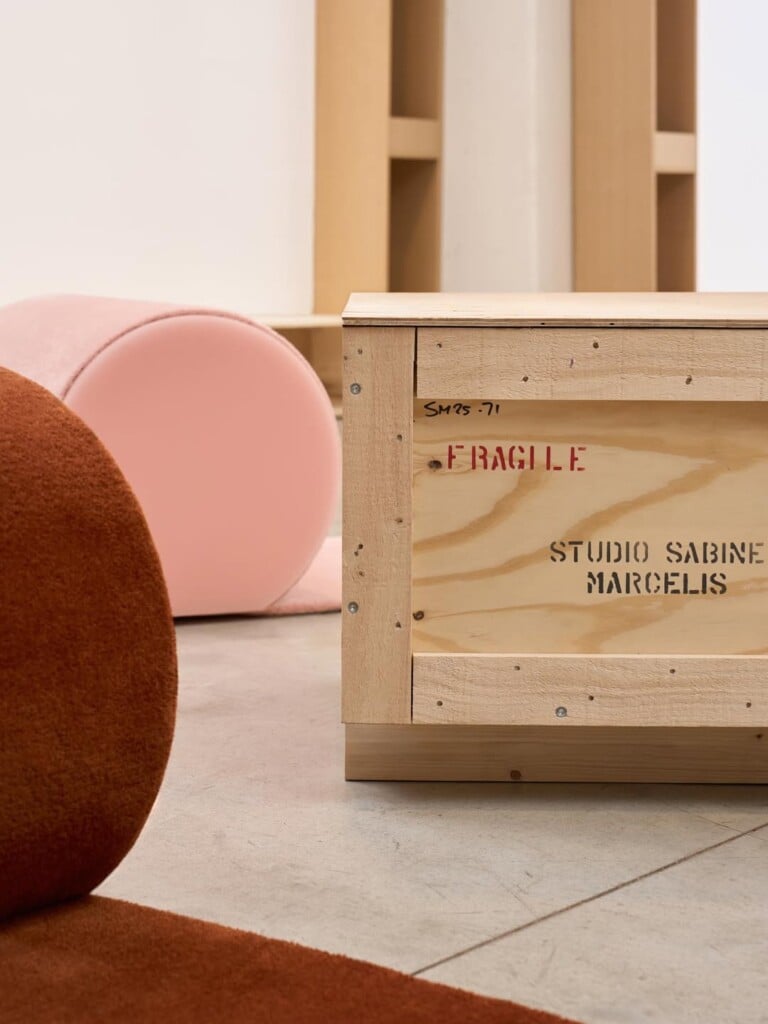
With Roll, cc-tapis and Marcelis propose a new way of inhabiting textiles: no longer just a surface, but a soft architectural presence capable of shaping space and inviting interaction. Unrolling a rug thus becomes a design idea that transforms the domestic into something unexpected.