Today marks the anniversary of the first episode of The Simpsons, which aired in 1989. Thirty-six years later, the longest-running animated series in TV history continues to exert the same pop-cultural pull as ever—especially when it comes to so-called “predictions,” much like Back to the Future. Every new year brings back theories claiming that Springfield anticipated global events before they happened, turning the yellow family into a kind of collective oracle. And so, inevitably, 2025 has also become fertile ground for imagination.
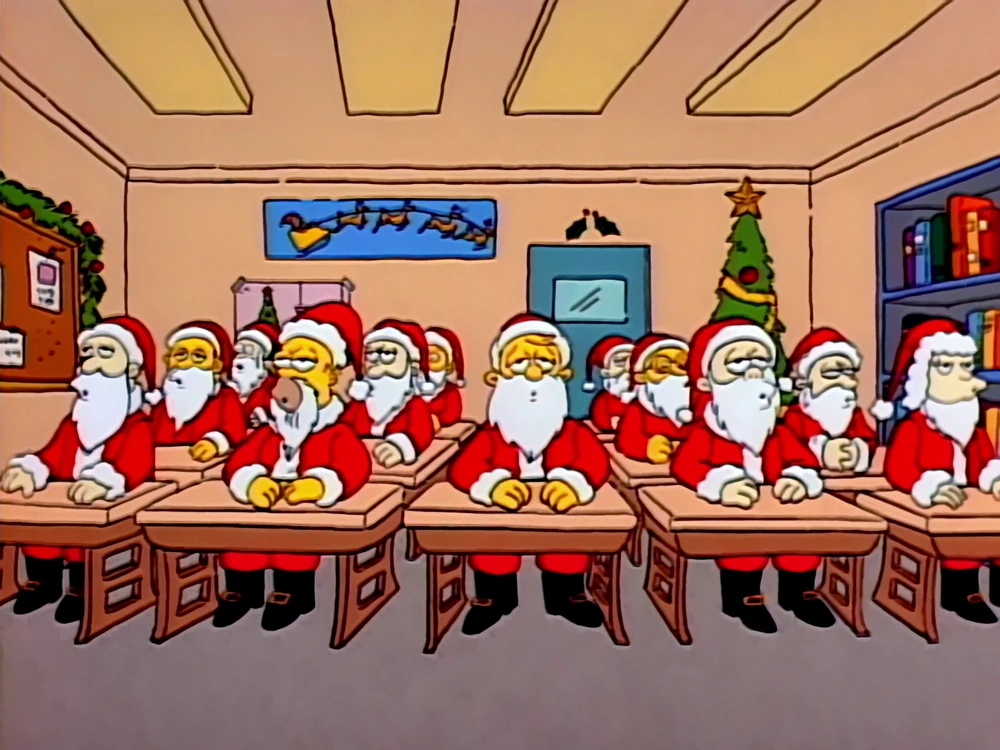
There are no episodes that explicitly mention this year, but digging through the internet turns something up. Some storylines “could” come true. Some are playful suggestions, others unsettling, others already debunked. But all of them ultimately say more about us than about the show’s supposed prophetic abilities.
Among the most recurring theories is the one about World War III, originating from a 1987 short in which Homer wakes his family in terror over an imminent conflict. It’s the short titled World War III, aired as part of The Tracey Ullman Show. An absurd moment, sure—but one that cyclically resurfaces during periods of geopolitical instability, turning into a prophecy no one truly wants to consider, yet everyone shares.
Then there’s the futuristic vision of “virtual families.” In Friends and Family from 2016, Mr. Burns builds a digital replica of the Simpsons to fill his loneliness. Seen today, amid the rapid rise of artificial intelligence, it feels less like a prediction and more like a strikingly clear-eyed commentary on the present. Emotional simulations—whether in marketing, entertainment, or everyday life—are already here, and perhaps that’s why the episode continues to resonate.

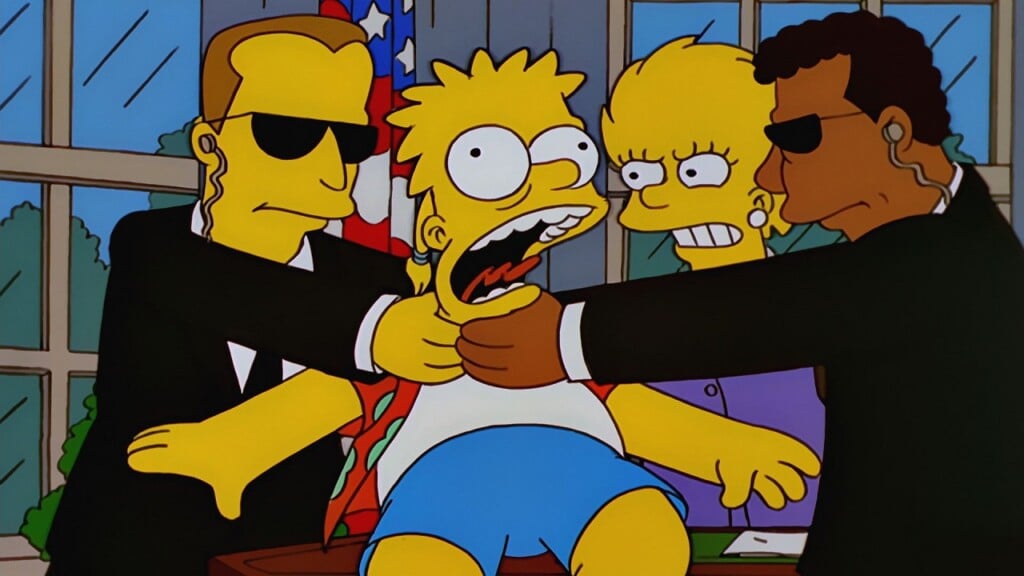
Looking at politics, among the predictions fans love to claim is, of course, Donald Trump as president. In Bart to the Future from 2000, the idea seemed like extreme parody; now it’s history repeating itself since 2017. Seen from 2025, that frame has become a recurring meme, a symbol of the show’s ability to intercept America’s excesses before they turn into reality.
Finally, the most controversial alleged prediction of 2025: the death of the Pope. A now-viral video claims that there is a “forgotten” episode of The Simpsons depicting the pontiff’s funeral, complete with silent cardinals and a coffin placed in front of St. Peter’s Basilica.
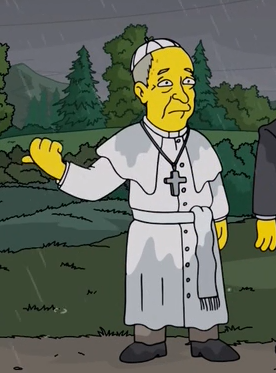
The aesthetics are suspicious, the editing even more so: in fact, it’s all fake. The video comes from a satirical account and uses AI-generated content. In the series, the Pope only “dies” in a brief announcement in 2019, with no name, date, or details. Everything else is social-media storytelling disguised as prophecy.
Revisiting these “predictions” on the anniversary of The Simpsons means recognizing their true magic: they don’t foresee the future, they interpret it. They are distorted mirrors of our fears and obsessions—from robots replacing humans to environmental disasters, from infodemics to unlikely political leaders. More than anticipating what’s to come, Springfield amplifies what we’re already living through. And perhaps that’s why, thirty-six years later, we keep looking for answers in the most nonsensical and most honest place of all: a cartoon.