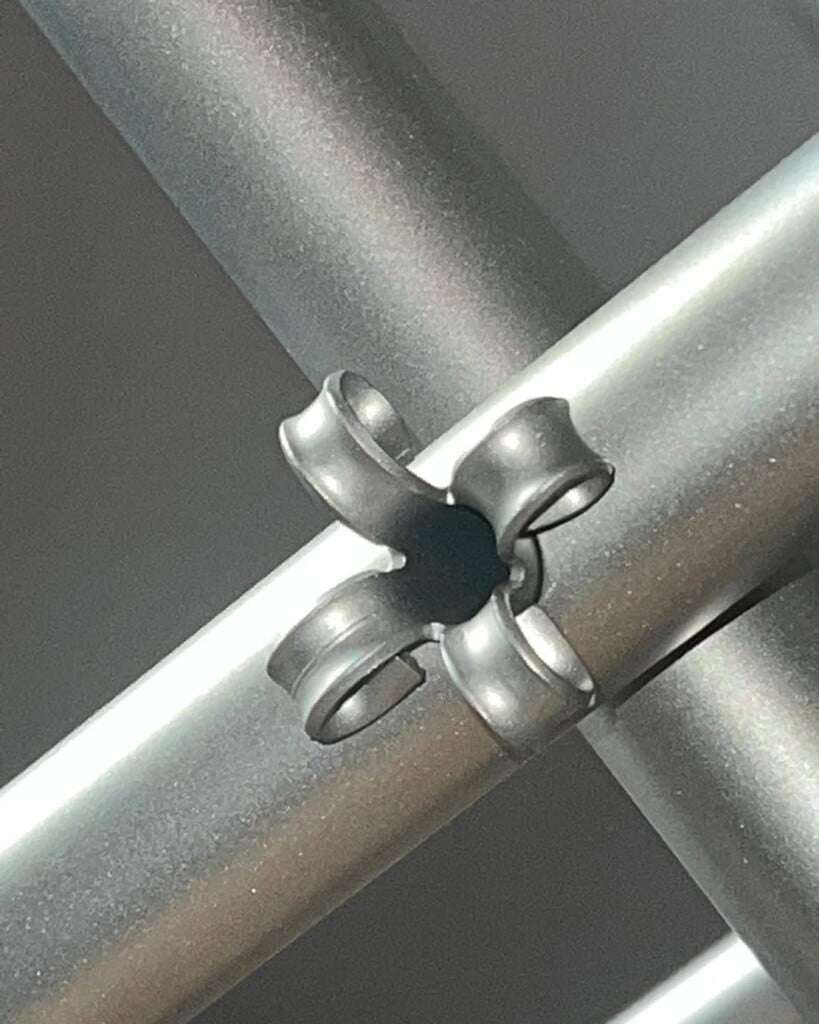
Soft Baroque bends the rules of design, distorting and recomposing them into something radically new. The duo formed by Nicholas Gardner and Saša Štucin works in London, but their visual language inhabits a universe of its own: a space where objects are never just what they seem, and where beauty coexists with the tension between function and concept.
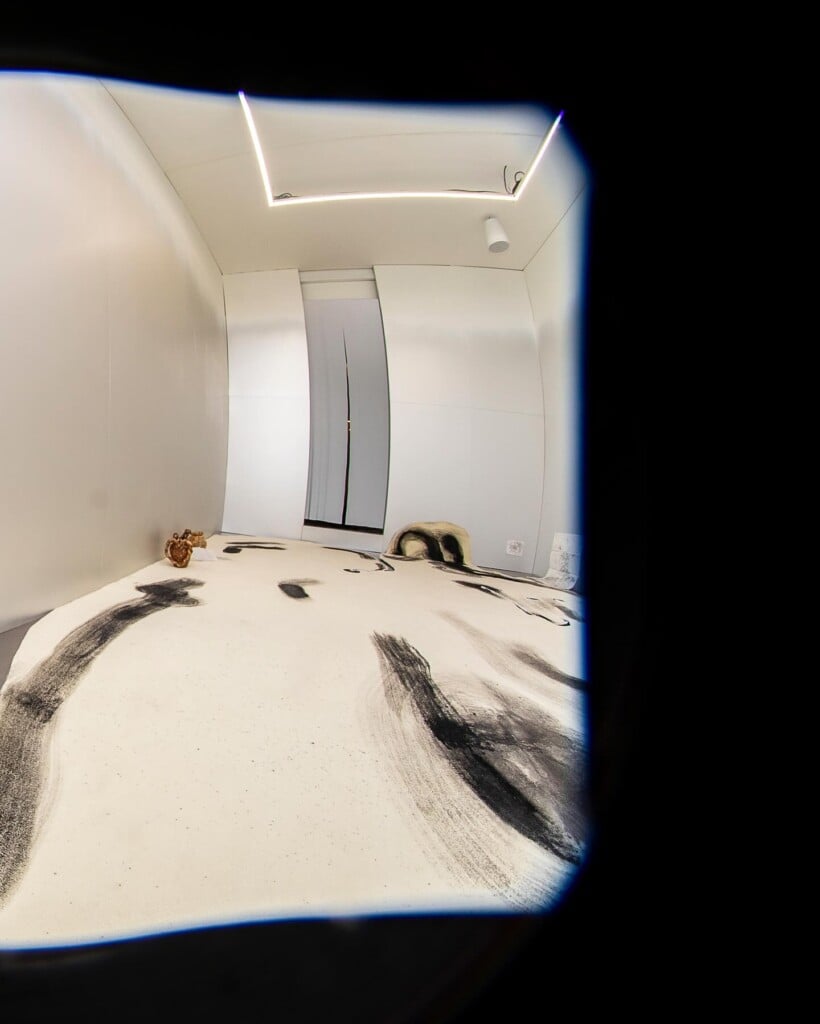
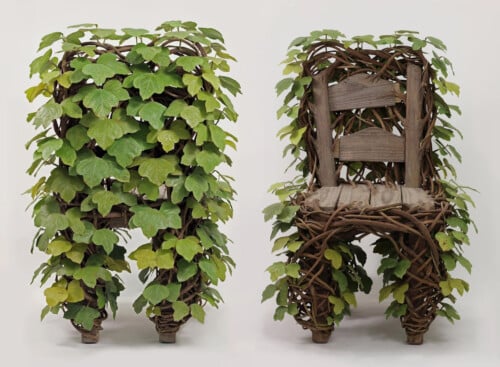
Scrolling through Soft Baroque’s Instagram feed, you come across furniture that looks like hybrid creatures, reflective surfaces and improbable curves, structures that challenge the conventions of home décor. Each piece feels like a question about perception, value, and the role of the object today. As they themselves suggest, Soft Baroque’s work “plays with conflicting functions and images, without sacrificing beauty or the logic of consumption.”


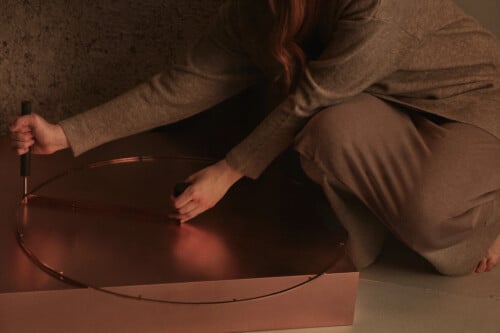
Nicholas and Saša don’t just design—they physically make their objects, exploring different materials and pushing each expressive possibility to its limits. Their approach to “production” is an integral part of their practice, a way to stay connected to the material, but also to constantly transform it. The result is a heterogeneous and surprising collection, where the clean lines echo mid-century modernism, while their visual ambiguity opens up new conceptual horizons.


What’s most striking is the way Soft Baroque manages to make a paradox tangible: between object and image, between function and representation, between art and design. Their works don’t just occupy a space—they question it, overturn it, make it malleable.

On their website, you can dive into an overview of their collections and exhibitions, but it’s in the details—the glossy surfaces, the deconstructed geometries, the functional oddities—that their true strength is felt. Soft Baroque doesn’t just create objects: they create visual short circuits that stay in your mind, like strange but strangely familiar dreams.
Read also: In an abandoned building, Espace Aygo presents three imaginary characters