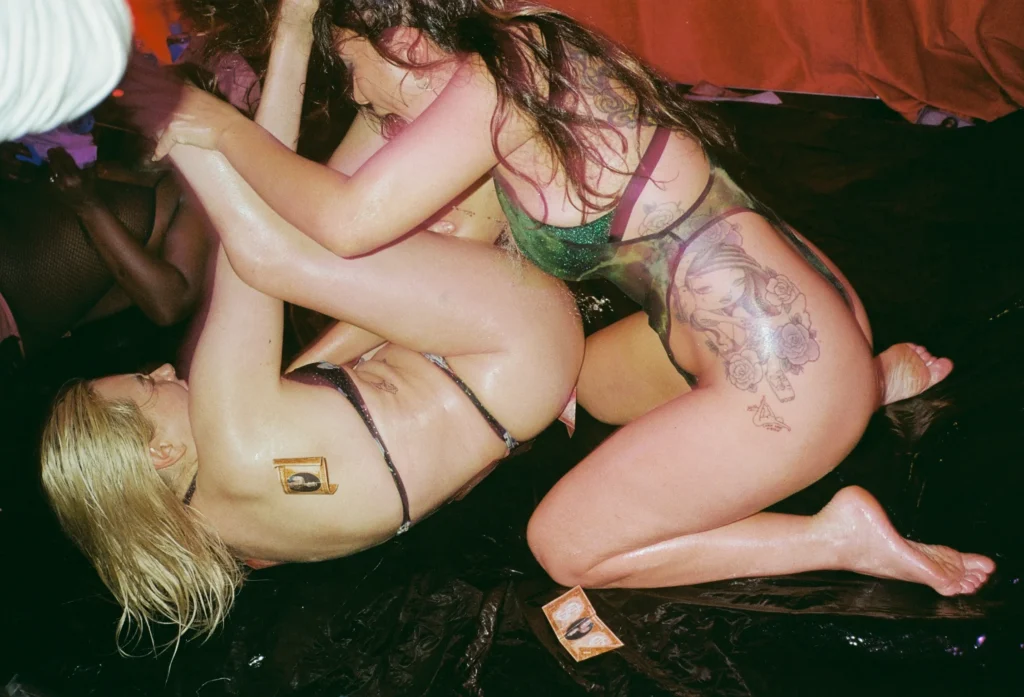
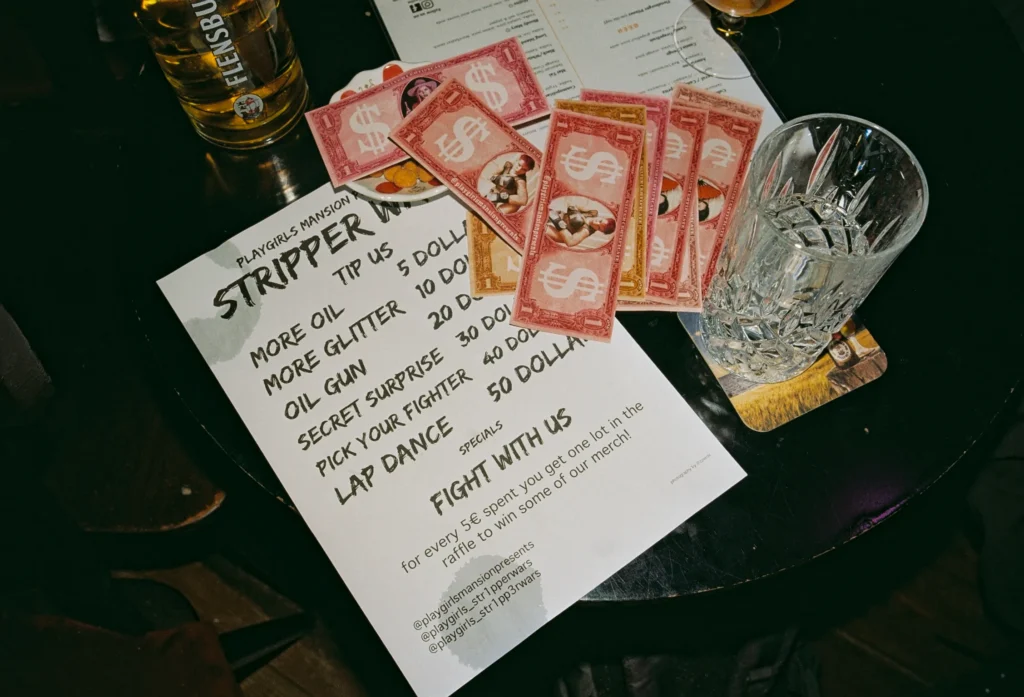
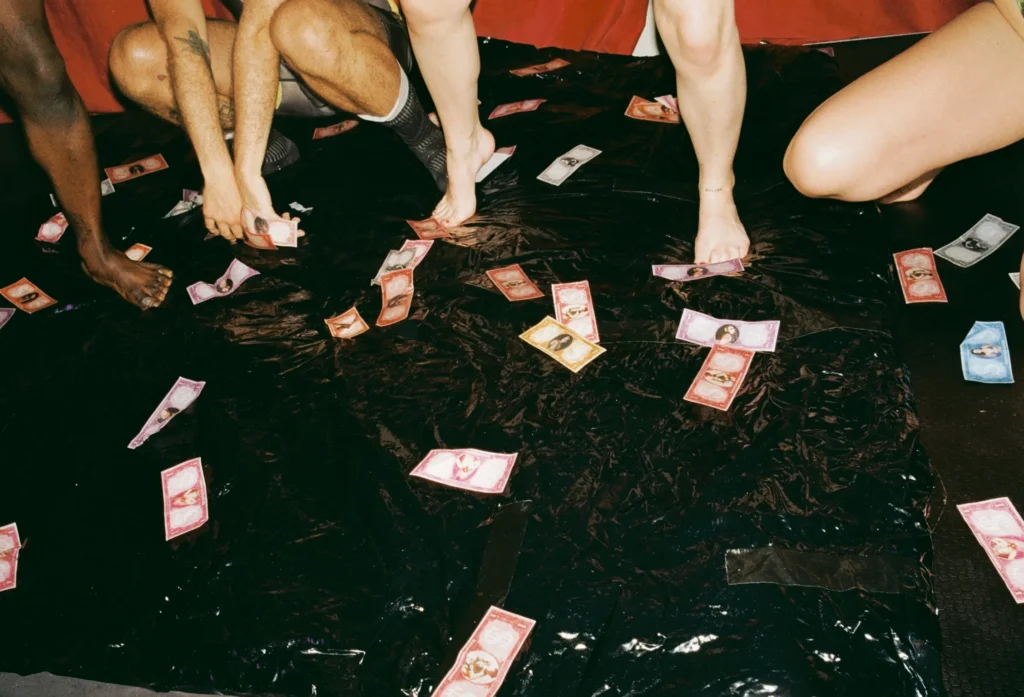
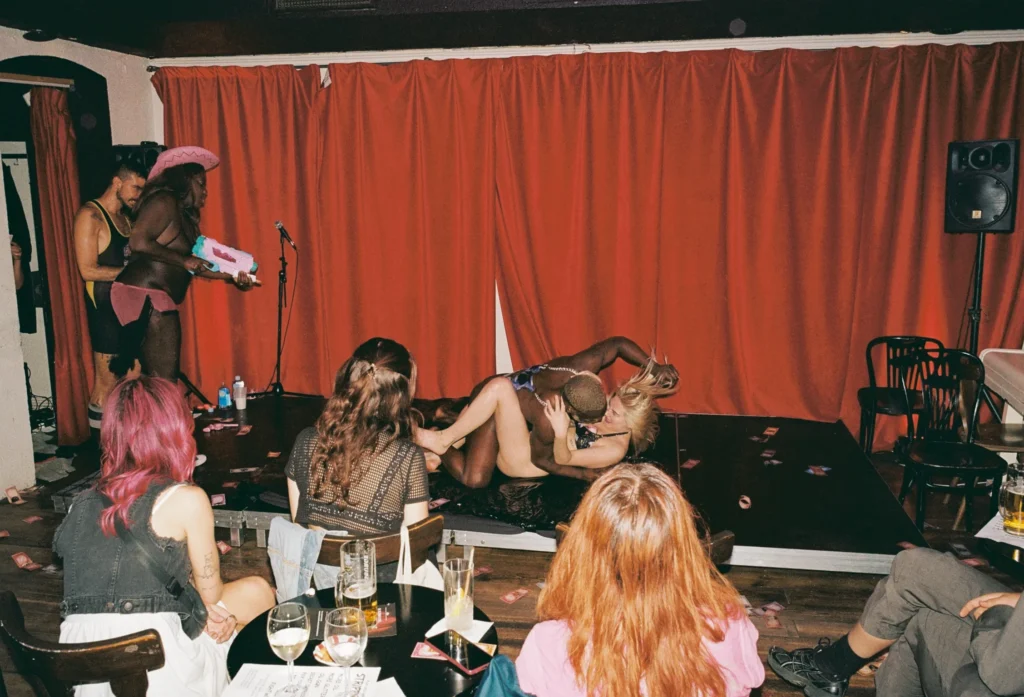
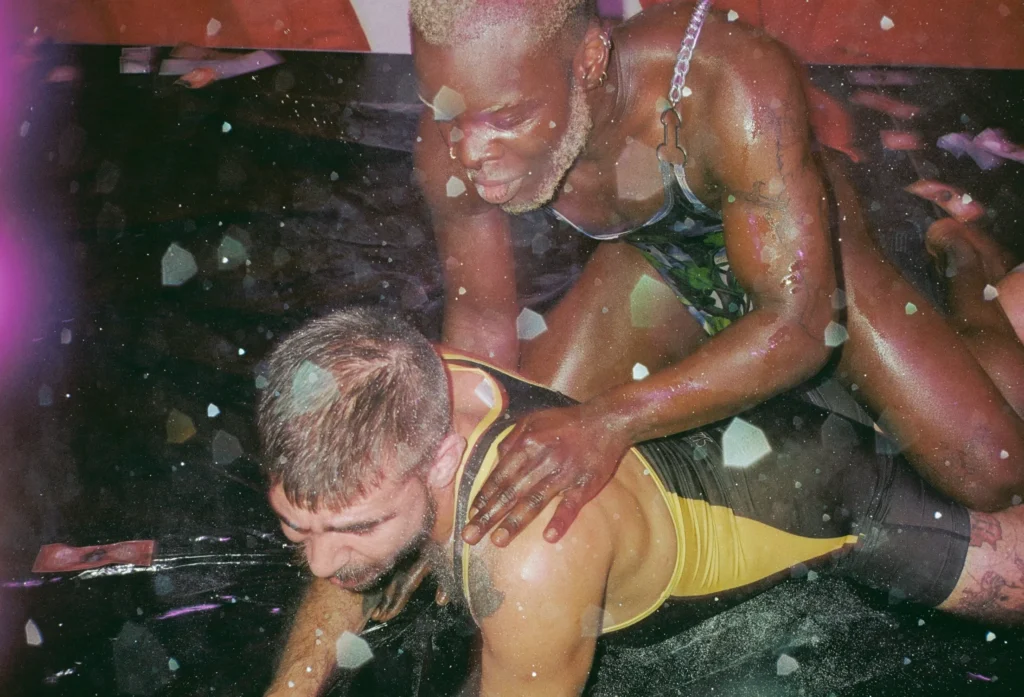
In 2022, Berlin-based collective Playgirls Mansion, run by sex workers, started organizing Stripper Wars, a performance format still running today that defies any simple definition. At first glance it looks like a wrestling match: women, men and non-binary performers face off in a pool filled with oil and glitter while the audience cheers, drinks and feeds off the energy of the night. In reality, the fight is just the language through which something more complex takes shape.
Stripper Wars says more about Berlin than it does about wrestling. Over the past thirty years, the German capital has established itself as one of Europe’s leading cultural laboratories, a place where contemporary art, club culture, activism, performance and sexuality coexist without rigid boundaries. Former factories, clubs and independent spaces have fostered collectives that experiment with new ways of thinking about the body, community and creative freedom. In this context, an event like Stripper Wars isn’t an exception, it’s the natural outcome of an ecosystem that has always favored the cross-pollination of different languages.
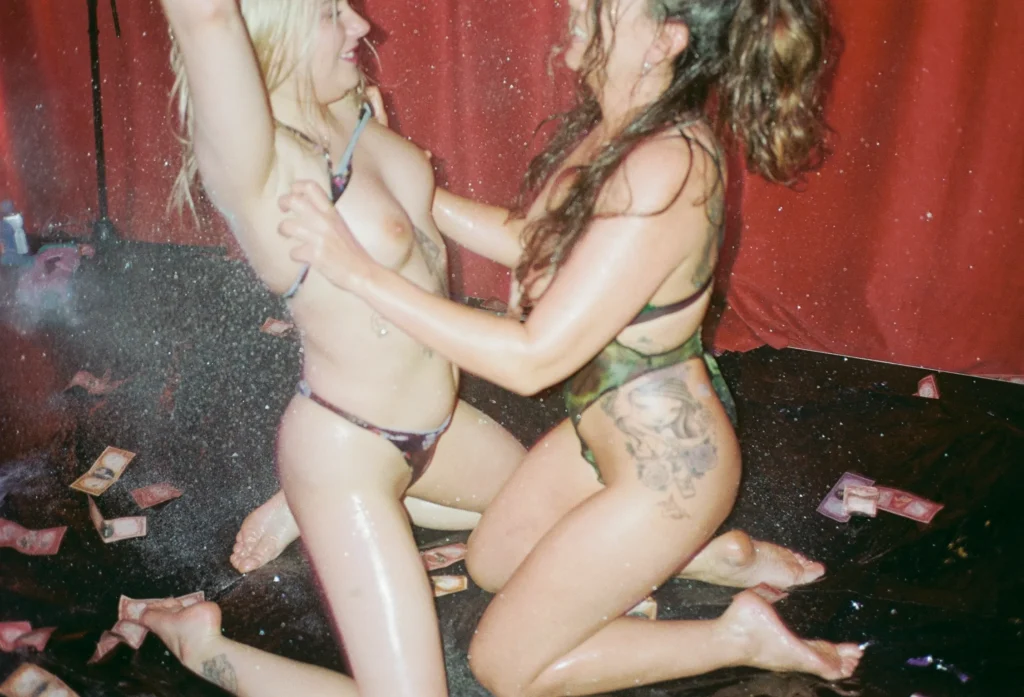
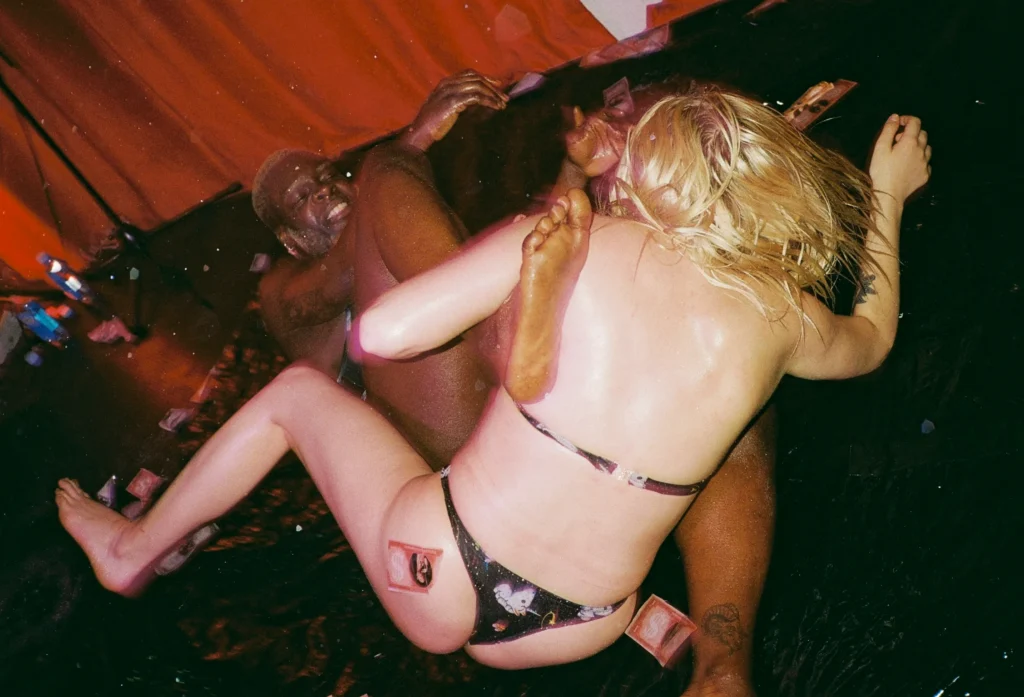
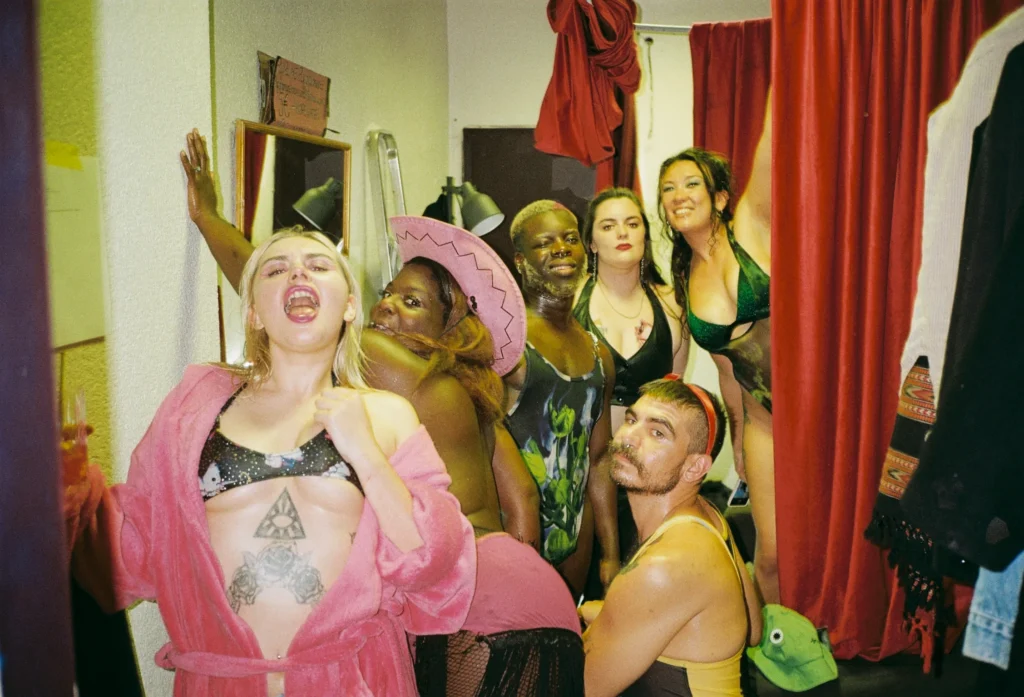
Each match lasts about ten minutes, but the competition itself is almost beside the point. The organization pays close attention to consent, safety and the wellbeing of the performers, while proceeds are split equally among everyone taking part. Once the matches end, the line between stage and audience dissolves: performers and audience keep the night going together, turning the show into a moment of connection more than plain entertainment.
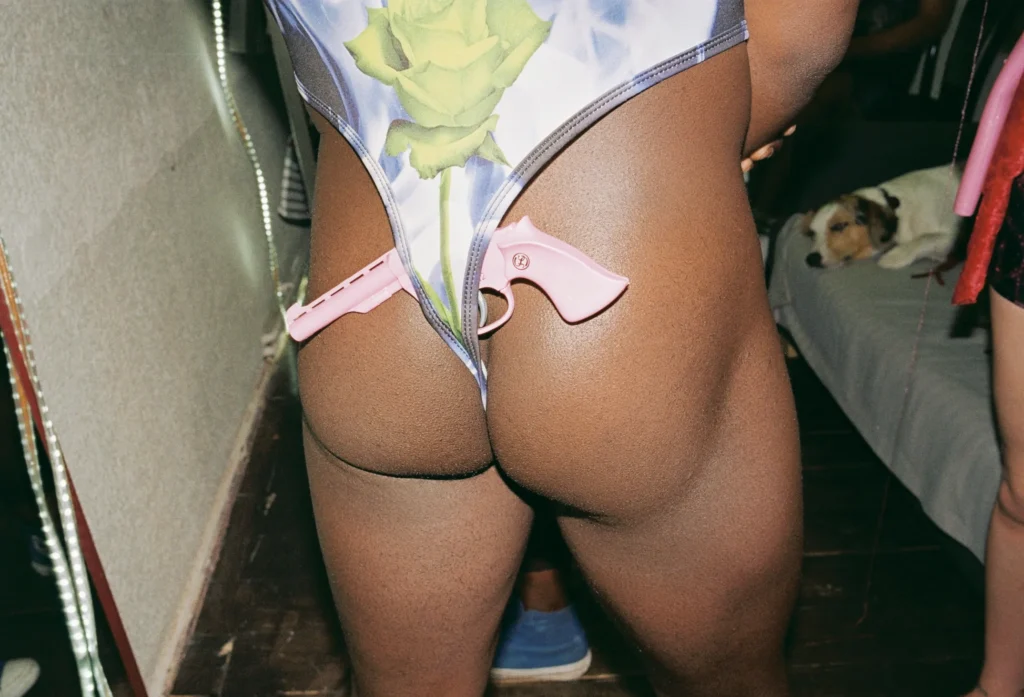
Nikolas-Petros Androbik‘s photographs capture exactly that dimension. Rather than chasing the shocking image or the most spectacular gesture, they focus on the trust between participants, the moments of complicity and the collective atmosphere that builds up around the ring. His images show how the body can become an expressive medium, a performative tool and a space for relationship all at once.
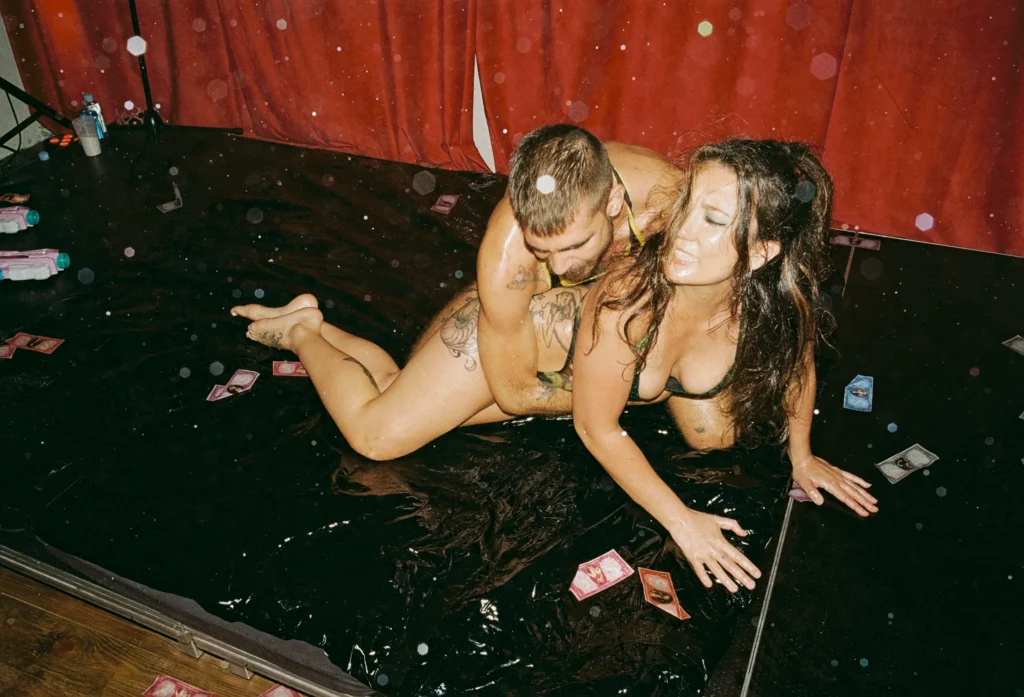
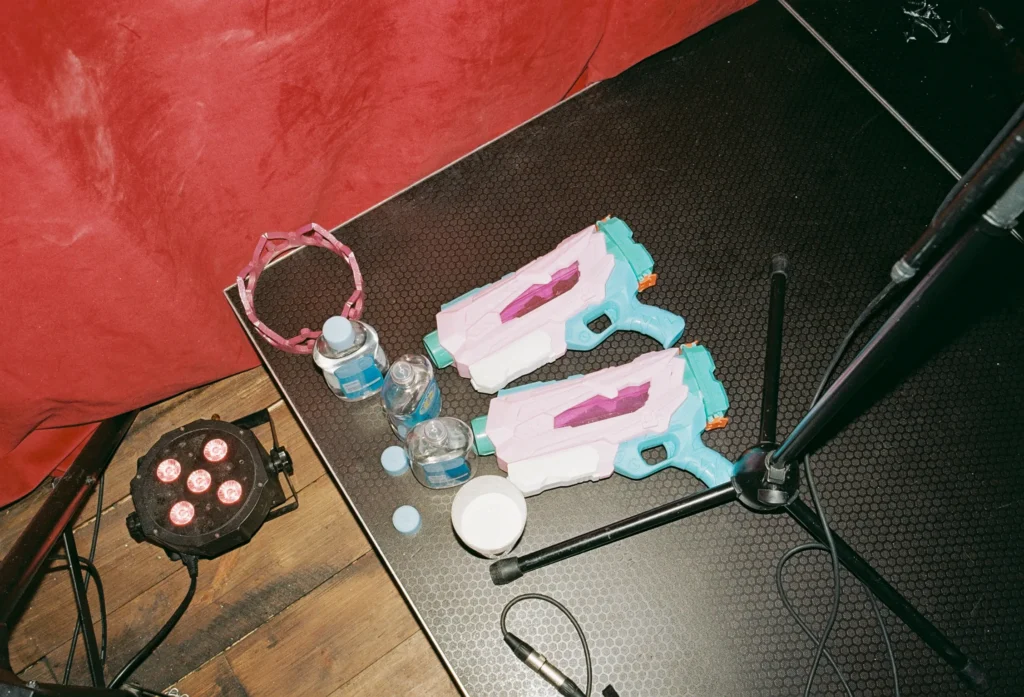
This is also why Stripper Wars says more about Berlin than it does about wrestling. Outside the German capital it might come across as a provocation or an underground curiosity. Within the city, though, it fits into a cultural tradition that treats experimentation as a value and the blending of artistic practices, identities and forms of labor as central to its own identity. The ring becomes a pretext to observe a city that keeps redefining the relationship between art, community and individual freedom.
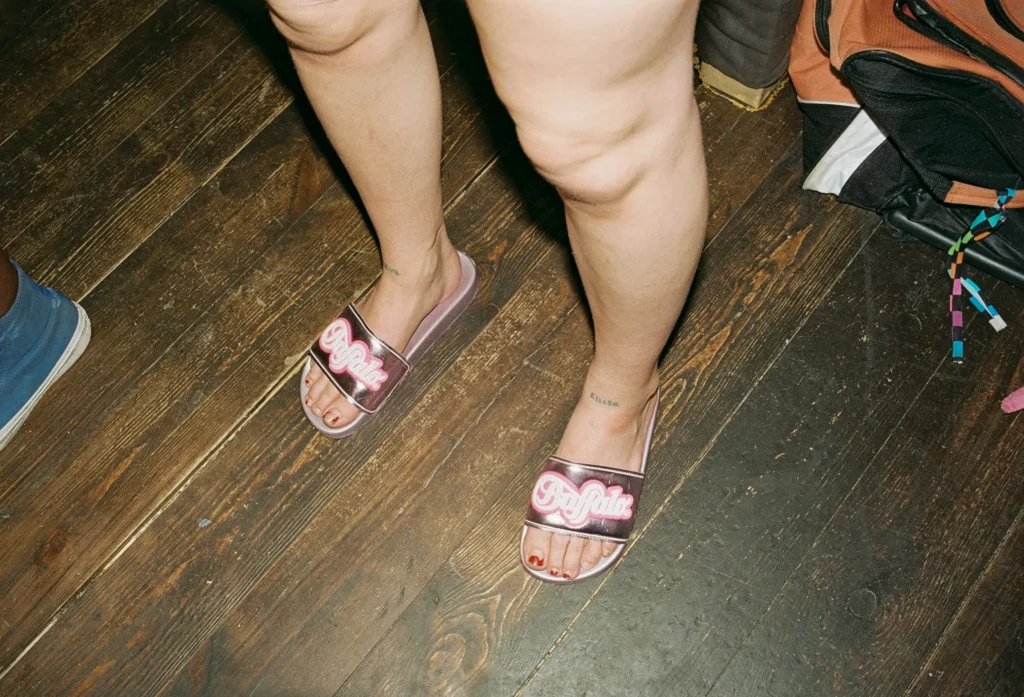

This article was produced in collaboration with Luigi Falanga and Gaia Forlin aka @super8otto.