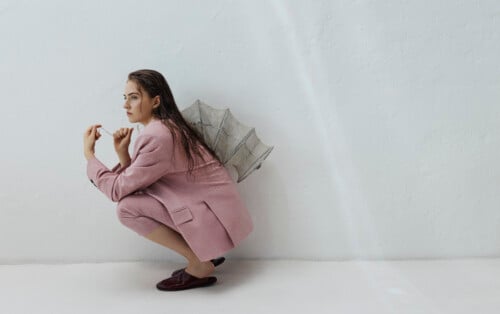
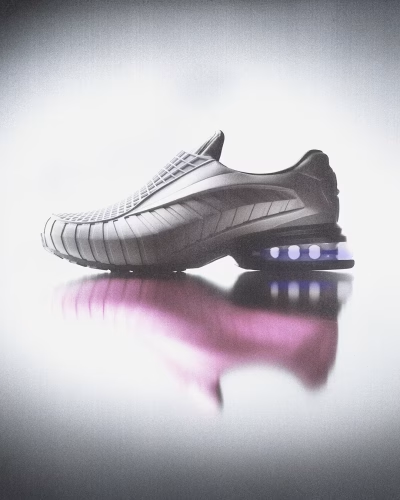
A few days ago we told you about the NIGO x Virgil Abloh LV² collection, where two of the most powerful and influential names in contemporary fashion, Virgil Abloh and NIGO have created a collaboration for Louis Vuitton that has contaminated streetwear and haute couture.

If you look closely at the LV² collection you can easily recognize the typical aesthetics of a timeless youth subculture, which defined part of the 20th century and which was an expression of adolescent rebellion exhibited in the 1960s in London and later throughout the United Kingdom, the mods.
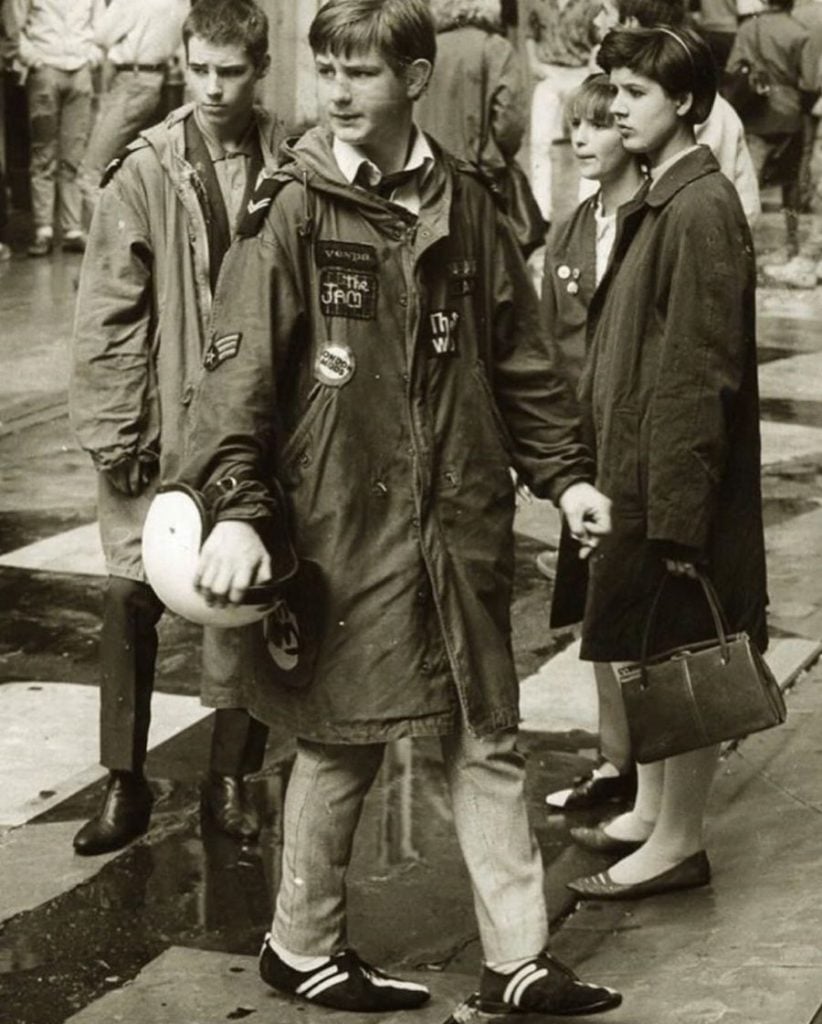
The term mod is an abbreviation of modernism – a term initially coined to define fans of “modern jazz” – and was characterized by a passion for Afro-American music, Italian scooters such as the Vespa or Lambretta (often adorned with extra lights and mirrors), whole nights dancing in the clubs and an extremely nice look, that of Italian clothes of the 60s and that young Londoners bought from Cecil Gee, a very fashionable store on Oxford Street, in addition to parkas decorated with patches and pins of all kinds.
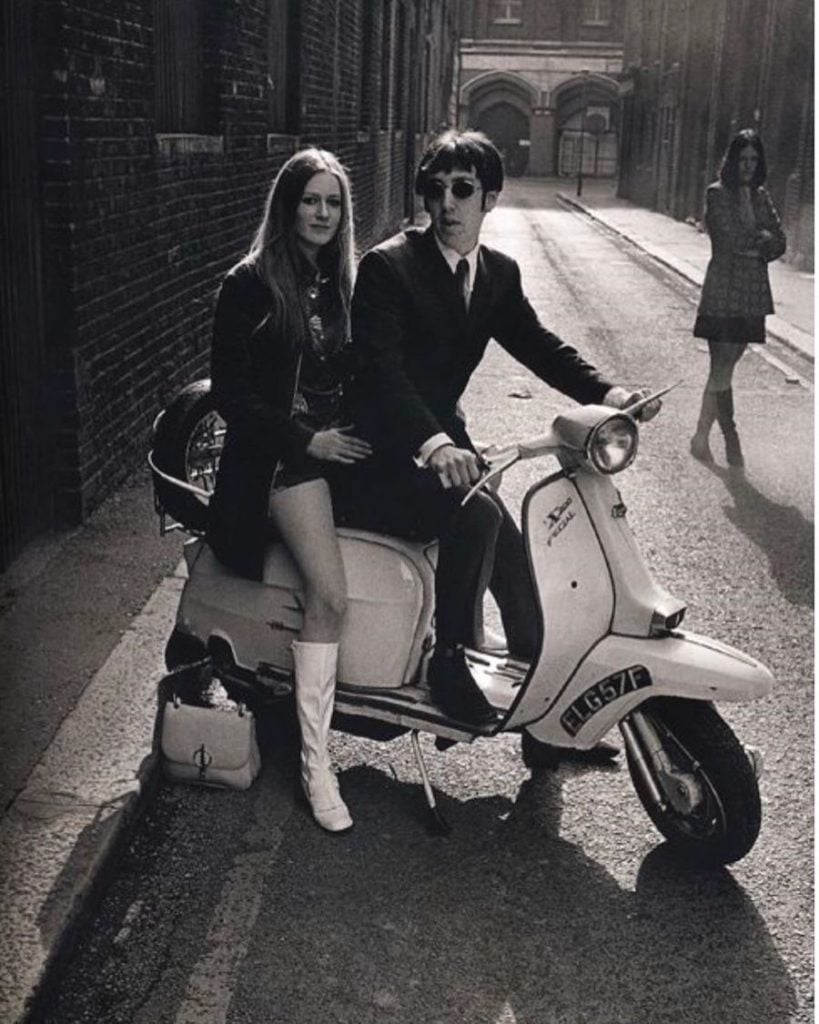
Stuart McGurk, Associate Editor of British GQ, in an article published in the May 2014 edition of the British magazine, says that “at its heart, mod is about bespoke not about slavishly confirming to a trend, but choosing your own look. About being who you wanted to be, whether it’s the work you want to do or the cut of the pants you want to wear”.
Being a mod meant – and it means – being a mod inside and out exemplified through a precise lifestyle and a look that evolved from the passions of the mod itself, without ever losing its essence.

An example of what it means to be a mod today is the lifestyle and aesthetics of the 2012 Tour de France winner and four-time Olympic champion, Bradley Wiggins.

A continuous and constant passion for everything related to mod culture that with the passage of time has adapted to the contemporary, just see The Jam and Quadrophenia in the 70s and Oasis and britpop in the 90s, without ever losing its essence but rather, continuing to be an aesthetic reference point and not only for contemporary fashion.