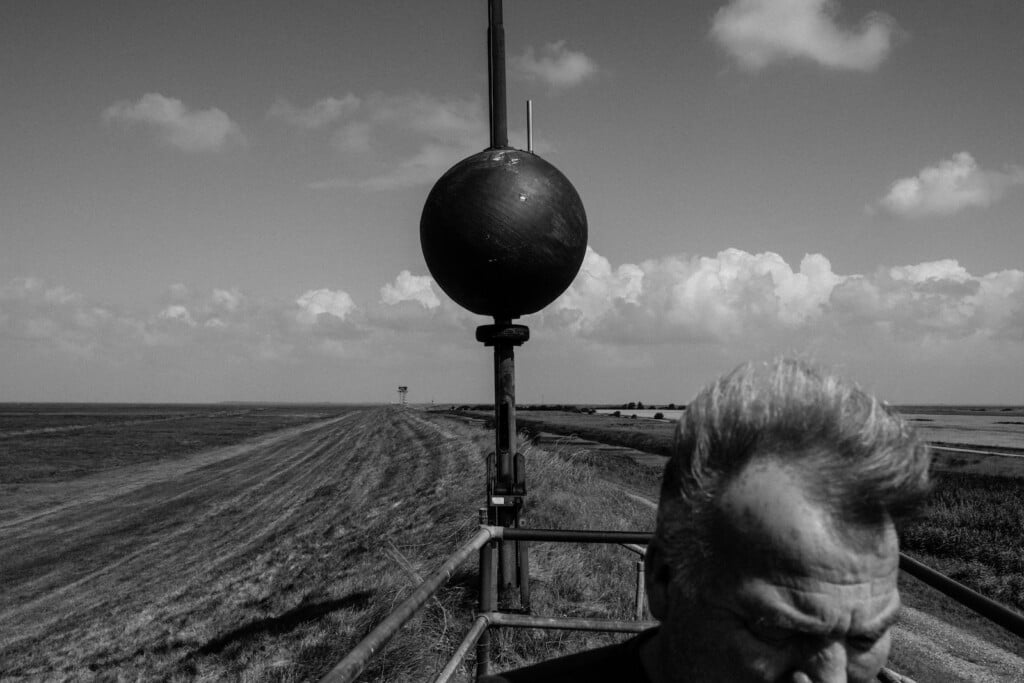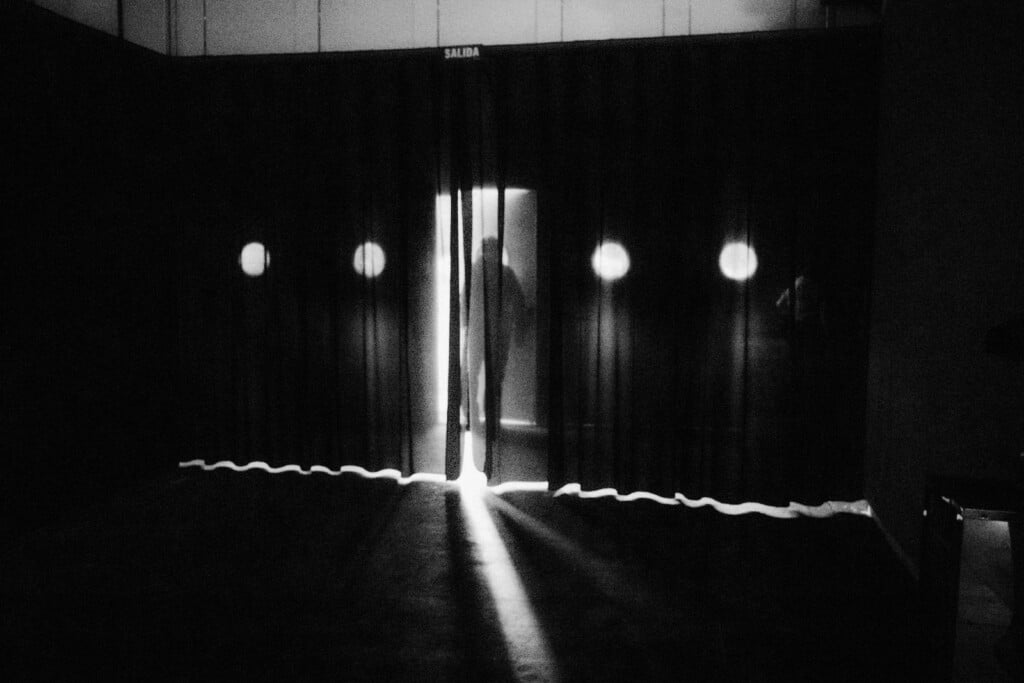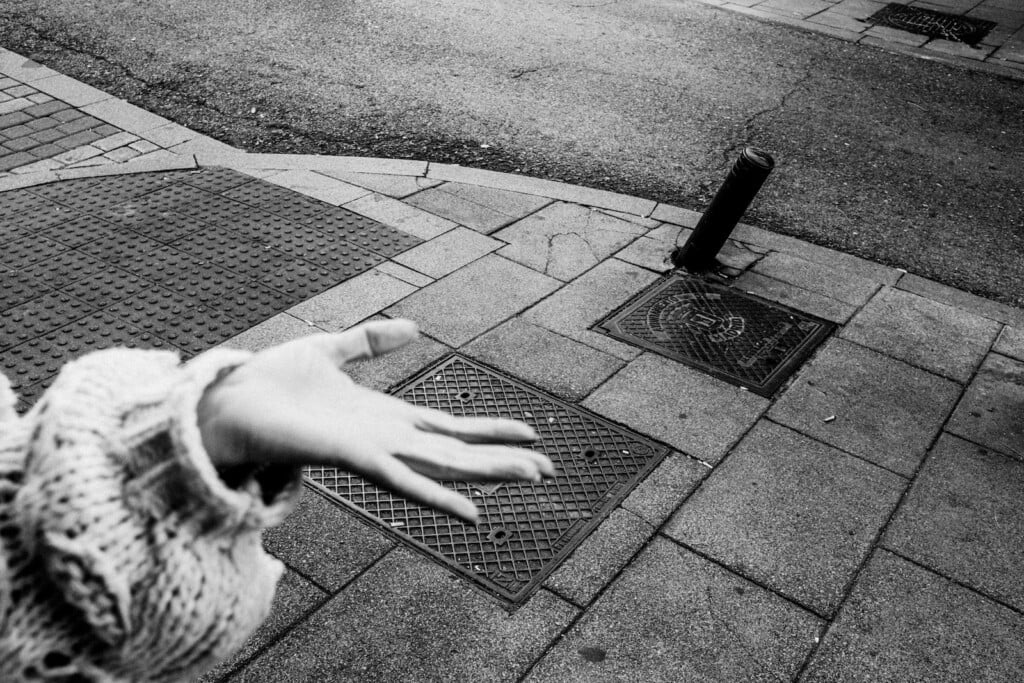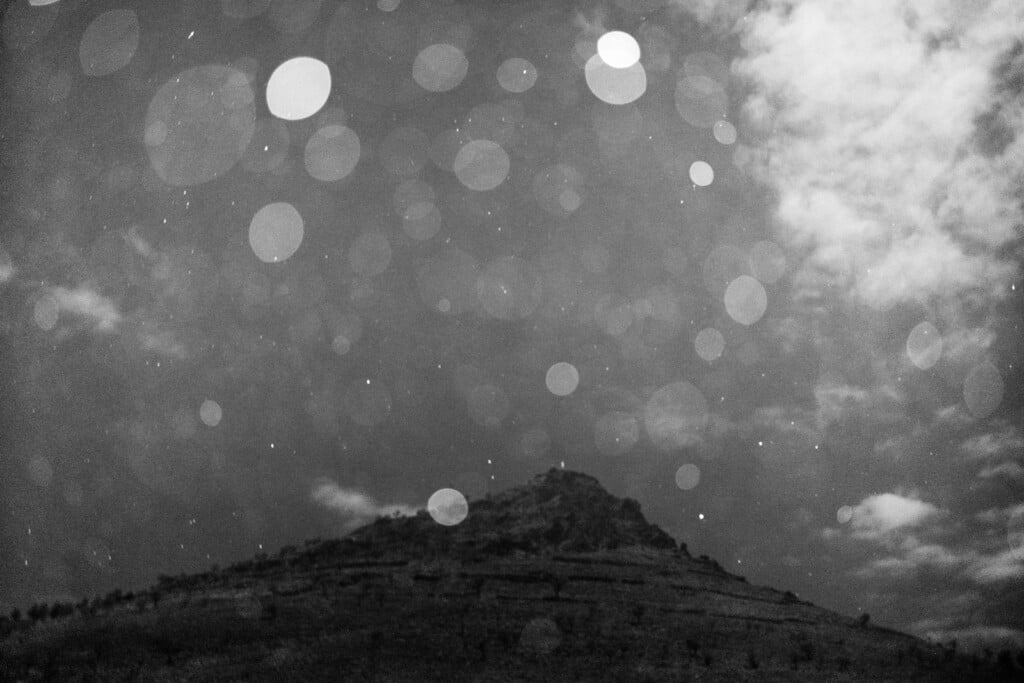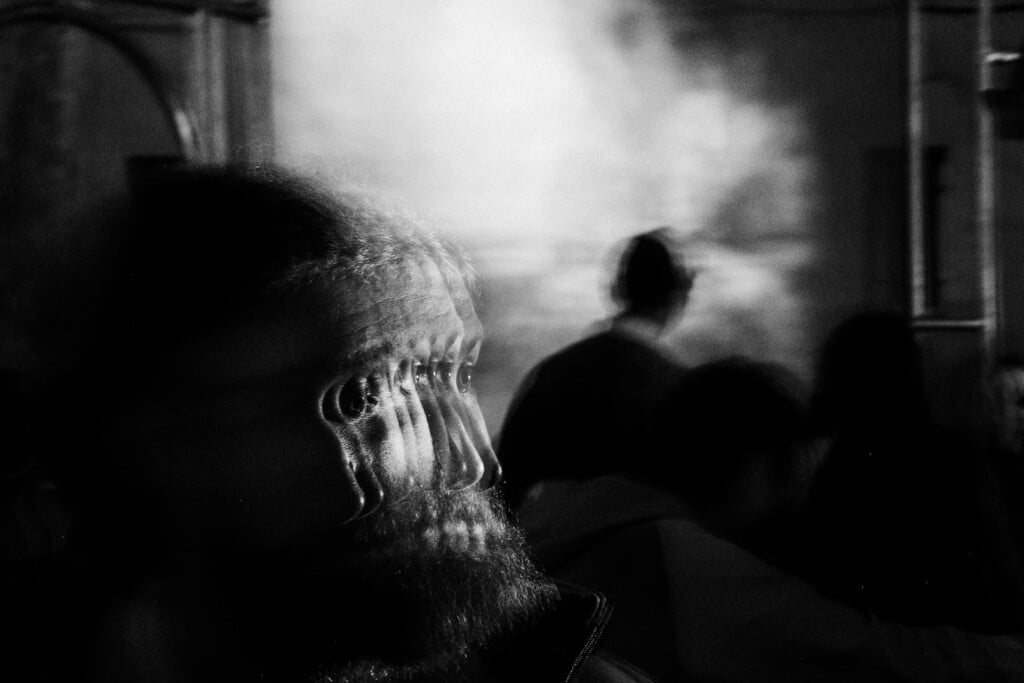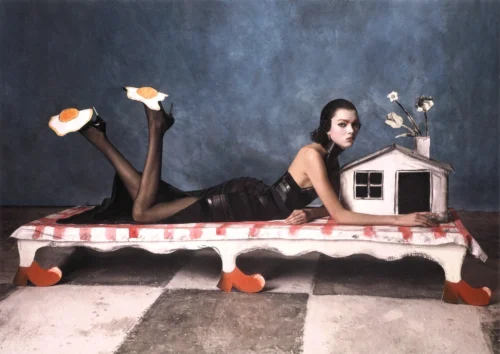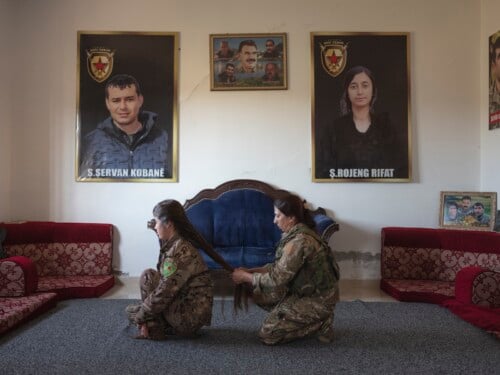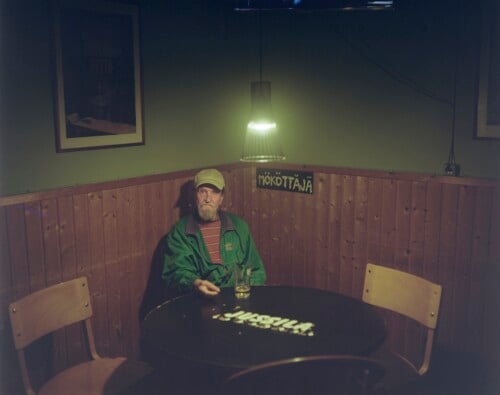
A silent gaze, a gesture, a mountain, a snow-covered road. What do such different images have in common? It is a question that photographer Jens Martin York asks himself as he selects his shots, looking for an invisible thread capable of connecting subjects, places and moments that seem far apart. And yet, as he writes in the short text accompanying his project, he hopes never to find a definitive answer. For him, what matters is to keep questioning, to stay curious and to be surprised by what he encounters.
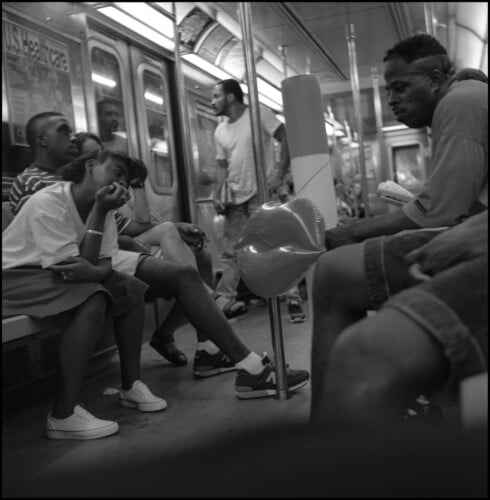
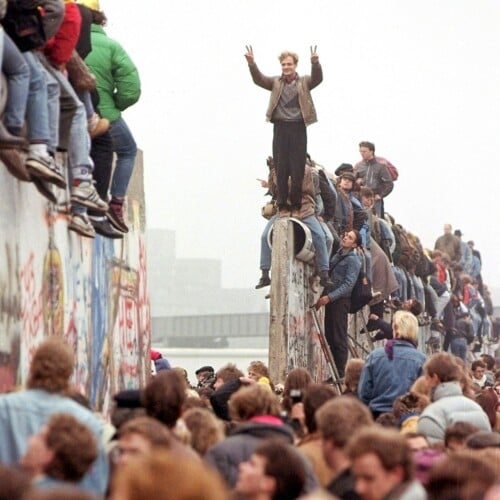
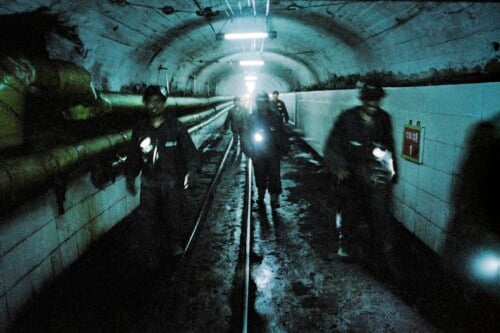
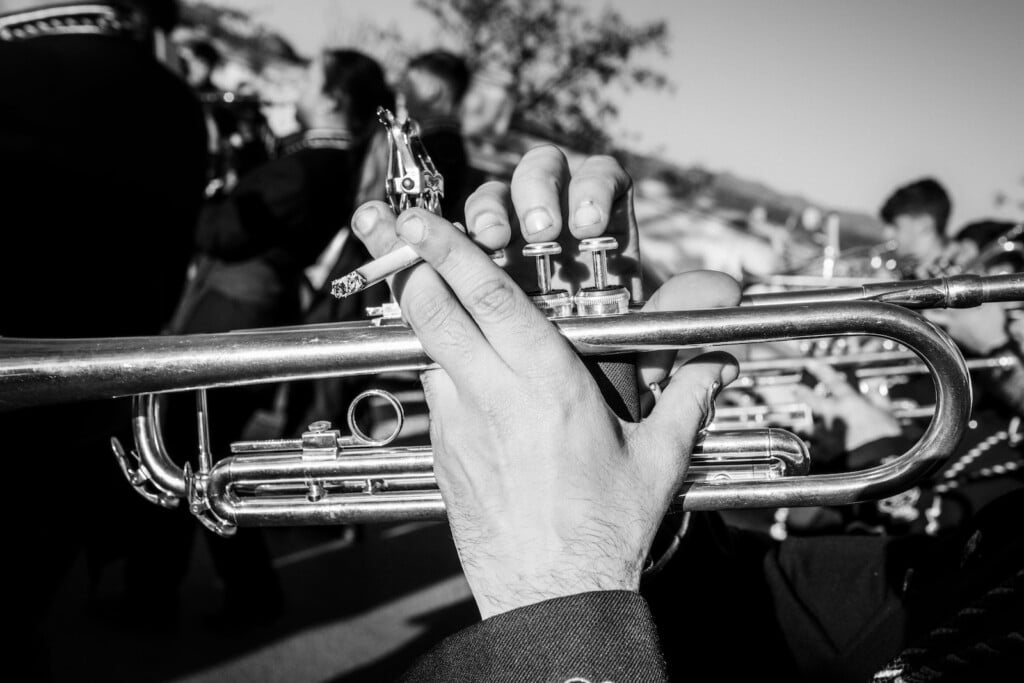
It is not always necessary to look for something extraordinary to get a photograph that captures attention. Sometimes it is enough to stop in front of an ordinary scene, recognize a detail that others have not noticed and wait for light and shadow to find their balance. The images, taken in different parts of the world and in different seasons, do not follow a specific theme and do not build a linear narrative. They are independent fragments, held together by the possibility of generating unexpected associations. Scenes of everyday life, details, human presences and landscapes coexist without hierarchy, leaving it to the viewer to find possible connections.
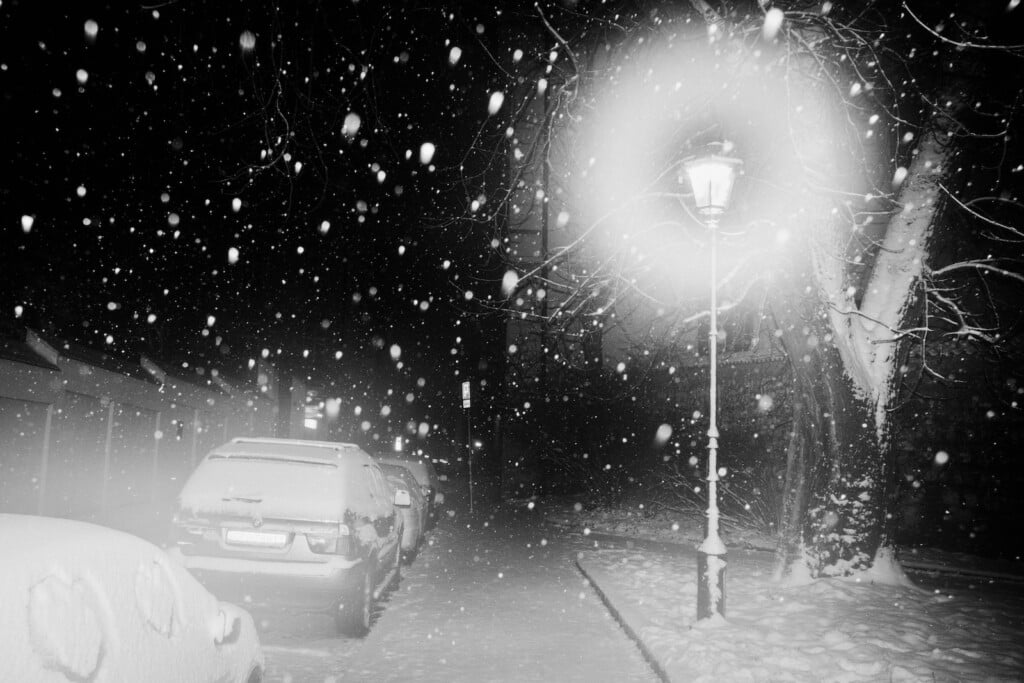
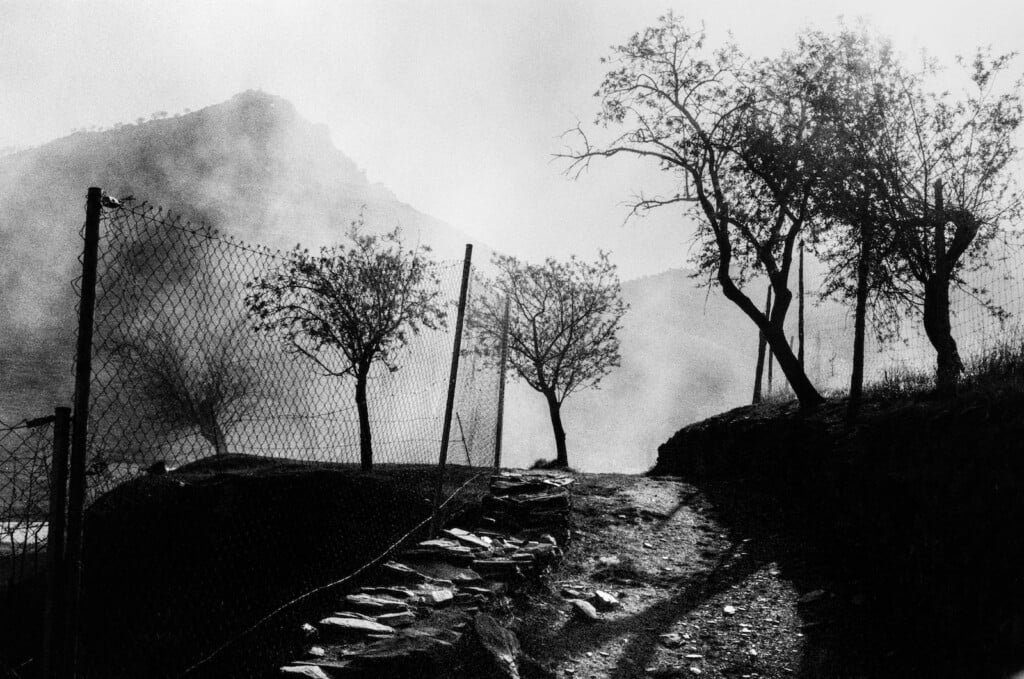
His black and white images cross different places, gather moments of everyday life and linger on details that, isolated from their context, seem to take on a new meaning. There is no single theme holding the shots together, nor a specific place defining their identity. The photographs are taken in different parts of the world and in different seasons, forming a heterogeneous collection that finds its common thread in the sensitivity of the gaze. Black and white becomes a choice that removes information and, at the same time, intensifies what remains. Tones are reduced to a relationship between light and shadow, while contrasts accentuate the presence of subjects, surfaces and shapes. In this way, even an apparently ordinary scene can take on a more intense visual dimension, without necessarily being turned into something extraordinary.
The photographer does not feel the need to accompany the images with elaborate explanations, preferring to let their visual presence speak. This position also emerges from the short text shared with the project, in which he reflects on the ability of images to communicate through a force that words cannot always convey.
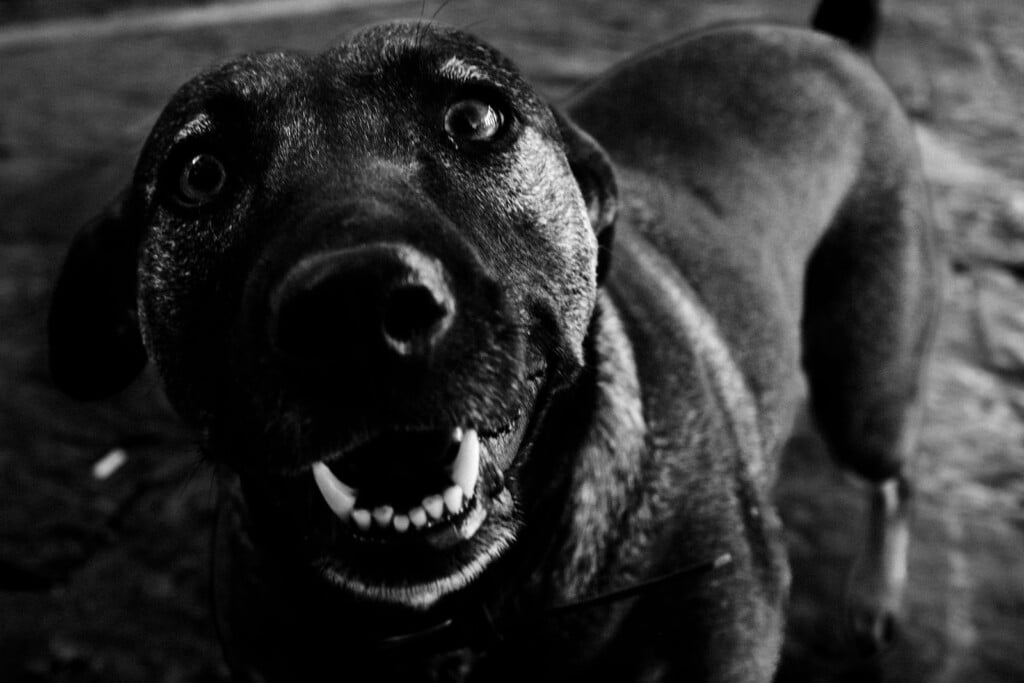
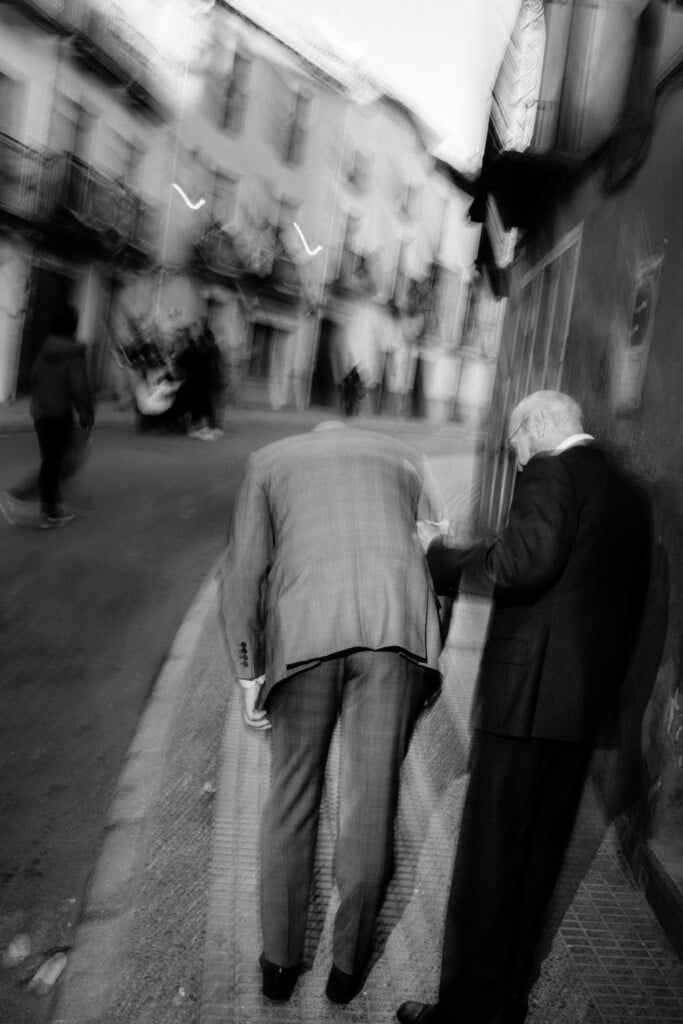
The reference to Robert Frost, a poet who, according to York, maintained that a poem could not be explained any better than it had already been written, clarifies this attitude. For the photographer, showing can be more effective than telling: an image does not necessarily have to be translated into a discourse to be understood, nor offer a definitive answer to those who look at it. It is a perspective that is reflected in the very nature of the collection. The photographs do not follow a linear narrative and are not tied to a particular geographical or temporal context. Rather, they connect independent moments, allowing continuity to emerge through the atmospheres, contrasts and sensations they convey.
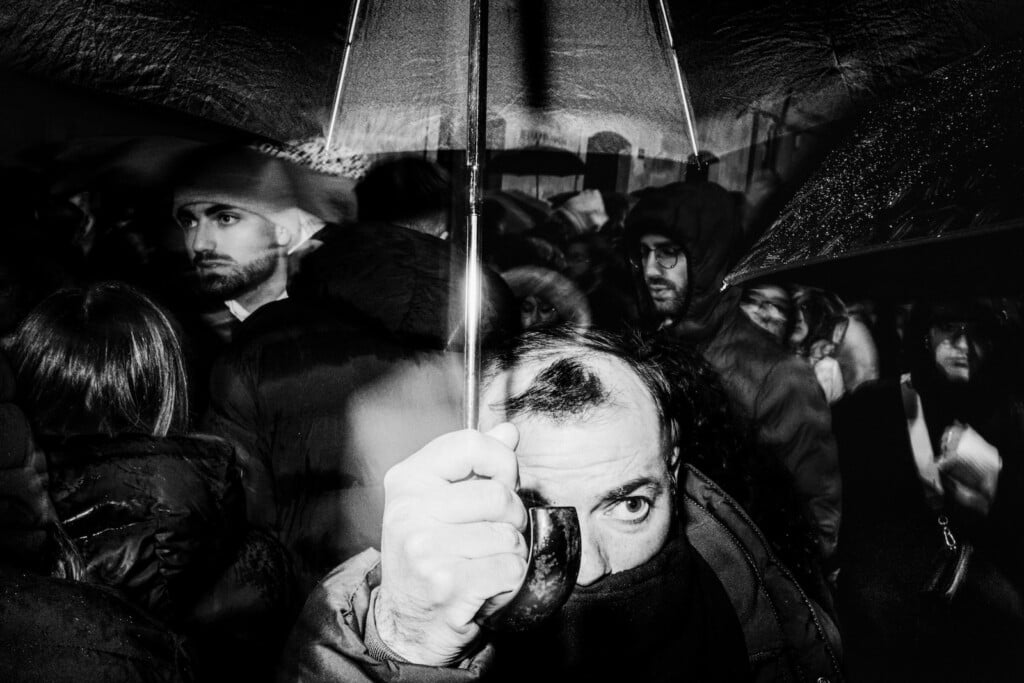
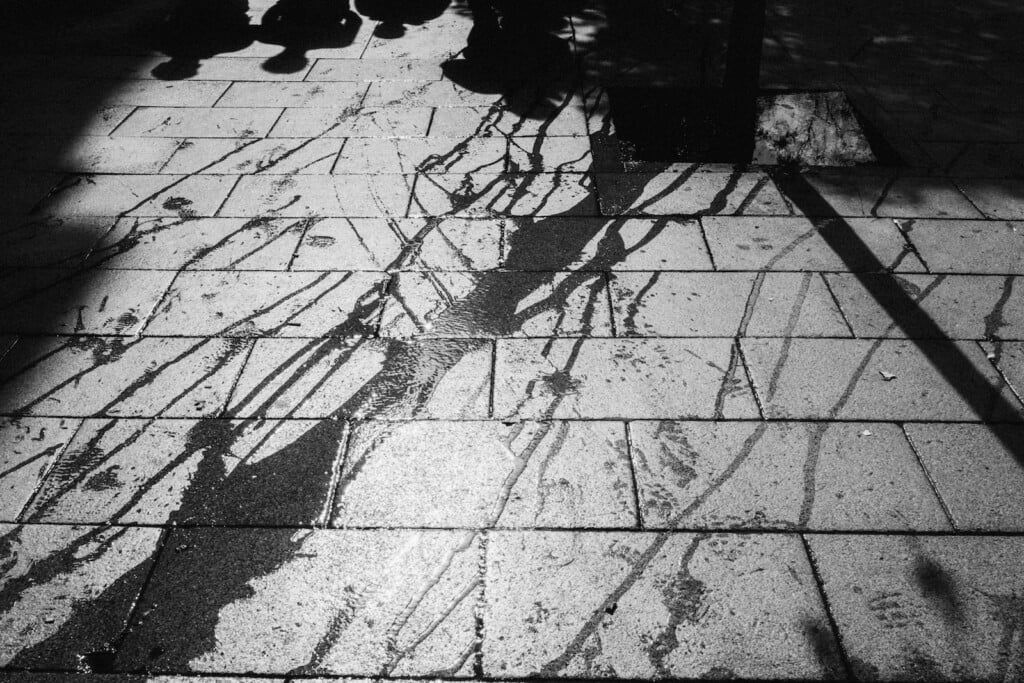
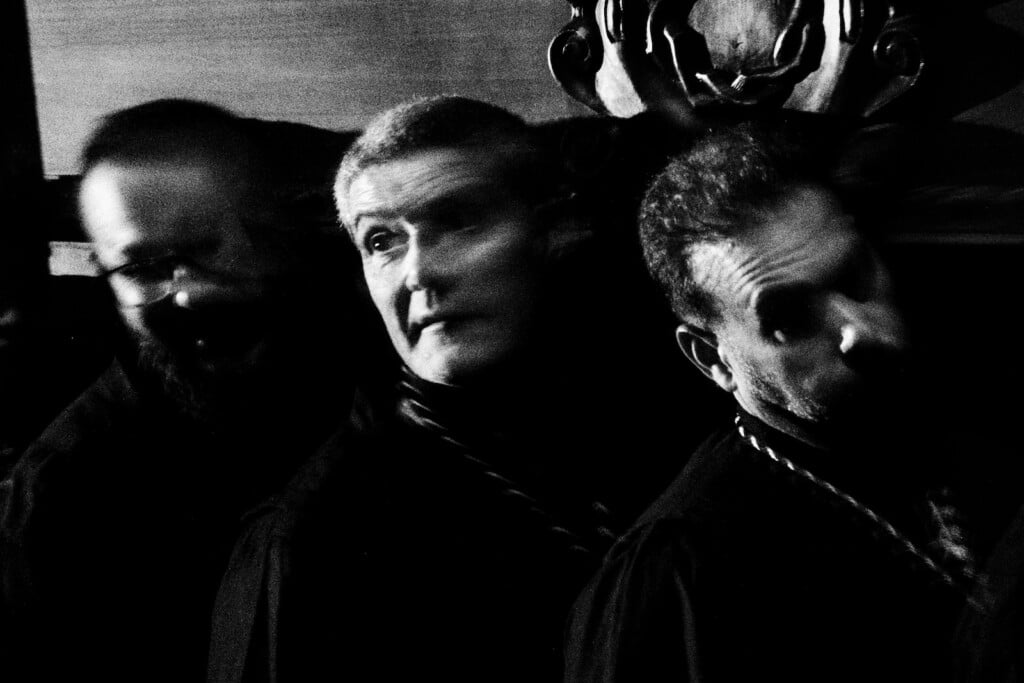
The result is a photography that does not necessarily try to explain the world, but to offer a different way of moving through it. The images can be viewed individually or in relation to one another, following personal associations that change from one viewer to another. At a time when we are used to consuming images quickly, Jens Martin York’s work invites us to slow down. Not because every photograph hides a message to be deciphered, but because even what seems immediately understandable can reveal something different when we devote more time to it. A collection of fragments, places and moments that does not claim to build a single story, leaving photography free to express itself through its most essential form.